


diagnostics of power transformers
Diagnostics of power transformers– a topic that seems simple at first glance. Indicators of voltage, temperature, oil - we see all this on devices, and it is easy to succumb to the illusion that it is enough to simply monitor these indicators. But I have been doing this work for many years, and believe me, hidden problems are often much more dangerous than obvious ones. We often started with a superficial inspection, believing that problems always manifest themselves externally. This is, of course, a mistake. Sometimes the most serious breakdown begins with a microcrack in the windings, which cannot be seen with the naked eye. That is why understanding the principlesdiagnostics of power transformersrequires much more than just knowledge of technical specifications.
The need for an integrated approach
Simply observing key parameters is, to put it mildly, an insufficient approach. Yes, monitoring the oil level, the presence of gases, and the temperature of the windings is important, but this is just the tip of the iceberg. Modern technologies allow for much deeperdiagnostics of power transformers, identifying problems at an early stage. We at Wenzhou Qiaonasen Electrical Equipment LLC use a whole range of methods: from oil analysis to thermography and vibration diagnostics. It is important to understand that these methods are not interchangeable - each provides unique information that must be analyzed together.
It often happens that customers contact us with complaints about a perceived malfunction. For example, the transformer is humming or making strange sounds. A superficial inspection does not reveal any problems, and the client is willing to accept that this is a 'normal' noise. But a closer look may reveal a break in the winding, resonance, or a core defect. Ignoring these signals can lead to catastrophic consequences - complete failure of the transformer and, as a consequence, serious financial losses.
Oil Analysis: First Look Inside
Oil analysis is perhaps the most common methoddiagnostics of power transformers. It allows you to assess the condition of the insulation, identify the presence of contamination, determine the percentage of humidity, as well as the presence of various gases. In addition to standard indicators, we often use oil spectroscopy - this allows us to identify even minor traces of insulation damage that are invisible during conventional analysis. For example, even small amounts of free fatty acids can indicate insulation degradation and potential hazard. I remember one case with a transformer in an oil refinery: changing the oil spectrum made it possible to identify the early stage of insulation failure, which made it possible to carry out preventive repairs and avoid a serious accident.
It is important to remember that the quality of oil analysis directly depends on the quality of the sample. You cannot simply drain the oil from a transformer; you must follow strict guidelines and use specialized equipment to obtain reliable results. Otherwise, the result of the analysis may be incorrect, which will lead to erroneous conclusions and ineffective actions.
Thermography: Heat as an Indicator of Problems
Thermography is a non-destructive testing method that allows you to identify areas with elevated temperatures. Elevated temperatures can be caused by various factors: transformer overload, winding defects, poor contact, poor cooling. Using a thermal imager allows you to quickly identify the source of overheating and take measures to eliminate the problem. We regularly use thermography to monitor the condition of transformers in a variety of industries, from energy to industrial. This is especially useful in hard-to-reach places where it is difficult to carry out a visual inspection.
It must be taken into account that temperature anomalies can be caused not only by a malfunction, but also by external factors, such as changes in ambient temperature or an ineffective cooling system. Therefore, it is important to compare thermography results with other data.diagnostics of power transformerssuch as oil and winding temperature, transformer load and operating history.
Practical difficulties and mistakes
In practice, difficulties often arise due to the inaccessibility of transformers, especially in industrial facilities. Thermographic surveys may require the use of special devices and equipment. In addition, the potential risks associated with working with high voltage devices must be considered. We strictly follow all safety regulations when carrying outdiagnostics of power transformersusing certified equipment and trained personnel.
It is a mistake to believe that it is enough to just perform a standard set of diagnostic procedures. It is important to analyze the data obtained taking into account the characteristics of a particular transformer and its operating conditions. It is necessary to take into account the operating history, type of load, operating mode and other factors that may affect the diagnostic results. That's why we pay great attention to analyzing historical data and making recommendations for preventive repairs and maintenance.
Working with vibration diagnostics
Vibration diagnostics is a relatively new but very promising methoddiagnostics of power transformers. It allows you to identify mechanical defects, such as unstable winding fastening, incorrect rotor balance, and bearing wear. The operating principle of vibration diagnostics is based on the analysis of vibrations that occur in a transformer during its operation. The vibration spectrum contains information about various defects that may be present in the structure. We use modern vibration analyzers to carry out vibration diagnostics of transformers of various types and power.
But vibration diagnostics is not a panacea for all problems. To obtain reliable results, it is necessary to carefully select vibration measurement points and analyze the resulting spectrum, taking into account the design features of the transformer. In addition, historical data and the condition of other transformer systems such as cooling and electrical insulation must be considered.
Conclusions
Diagnostics of power transformersis a complex process that requires knowledge, experience and the use of modern technologies. Simply monitoring instrument readings is not enough to identify all possible problems. It is necessary to use an integrated approach, including oil analysis, thermography, vibration diagnostics and other control methods. It is important to analyze the data obtained taking into account the characteristics of a particular transformer and its operating conditions. And only then can you make the right decision on preventative repairs or replacement of the transformer.
Wenzhou Qiaonasen Electrical Equipment Co., Ltd. has the necessary experience and equipment to carry outdiagnostics of power transformersvarious types and power. We offer a full range of services, from diagnostics to preventative repairs and maintenance.
Correspondingproducts
Related Products



Best Sellingproducts
Best Selling Products-
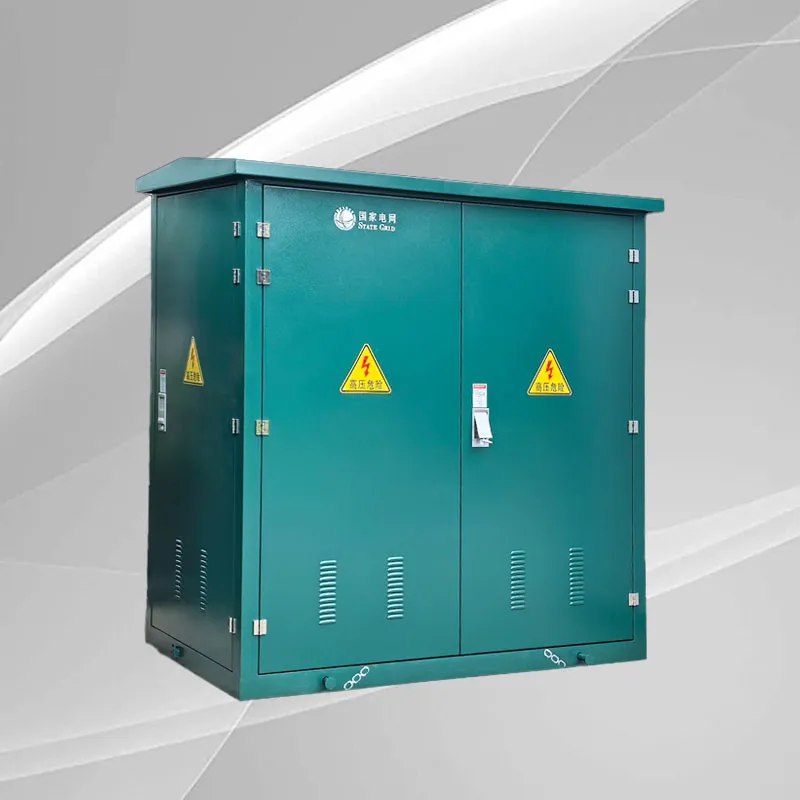 High voltage ring distribution cabinet
-
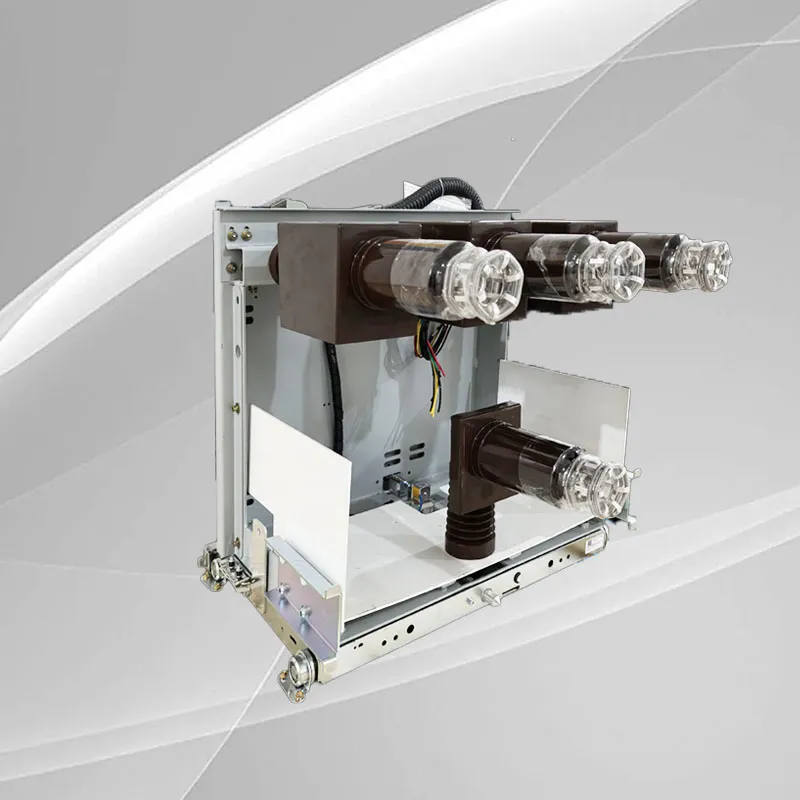 Withdrawable element for electricity metering for four contacts with three voltage transformers
-
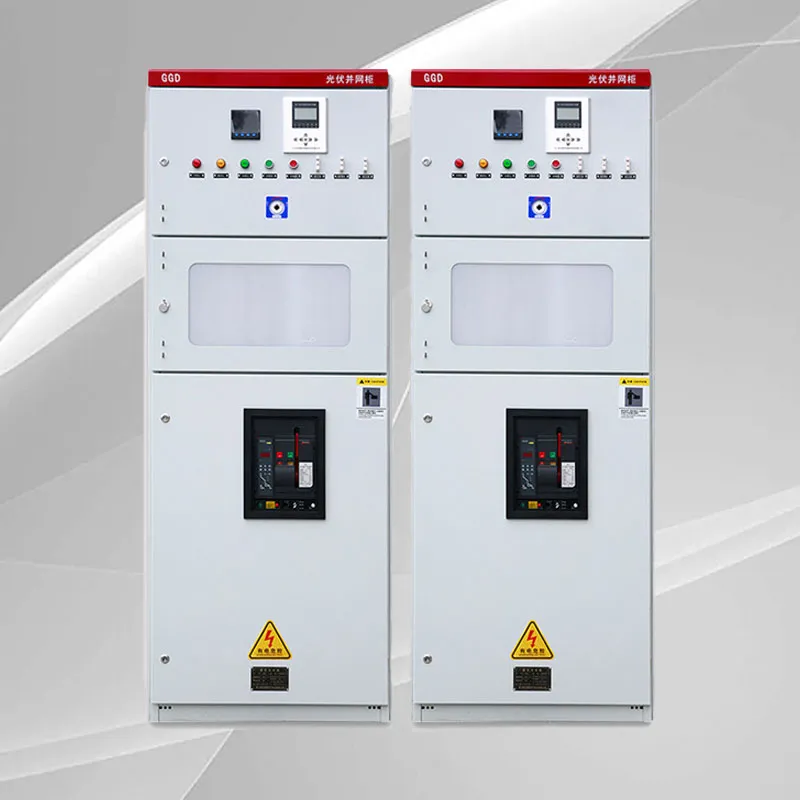 GGD cabinet for network connection of photovoltaic systems
-
 Apartment switchboard
-
 JYSF6-12 fully insulated gas-filled ring distribution device
-
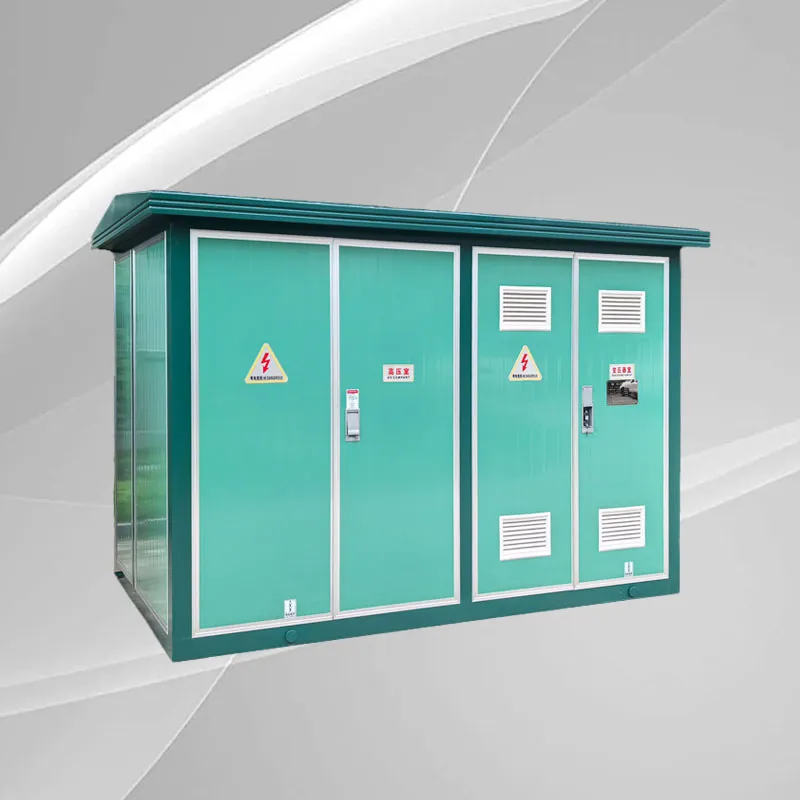 Complete outdoor transformer substation of European type
-
 Transparent Industrial Automatic Three Phase Four Wire Leakage Proof Switch
-
 Switch cabinet with double doors
-
 KYN28A-12 Internal structure of medium voltage switch with metal armor
-
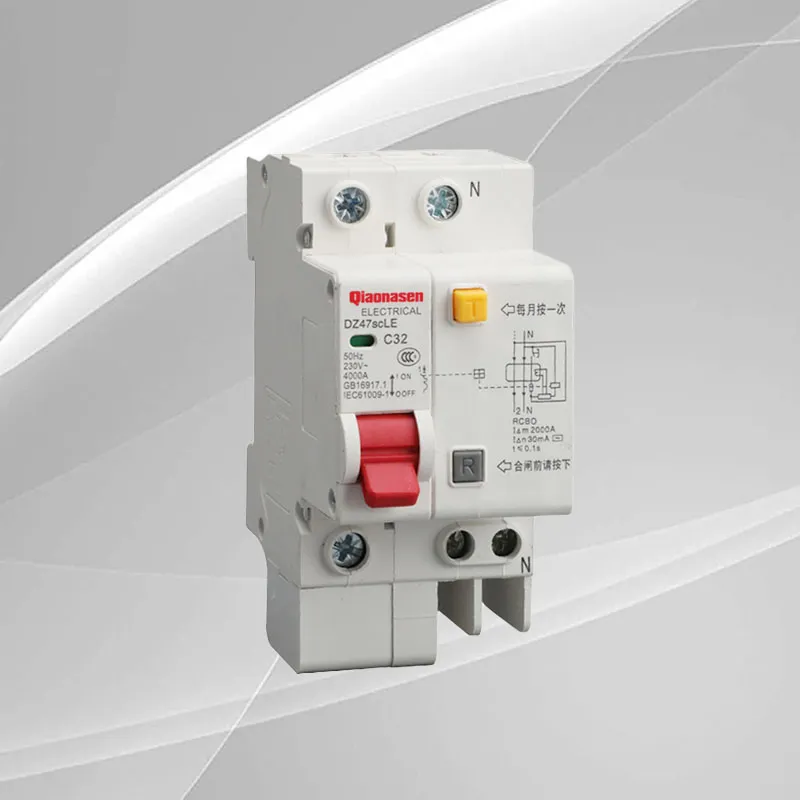 Residual current device with plastic housing
-
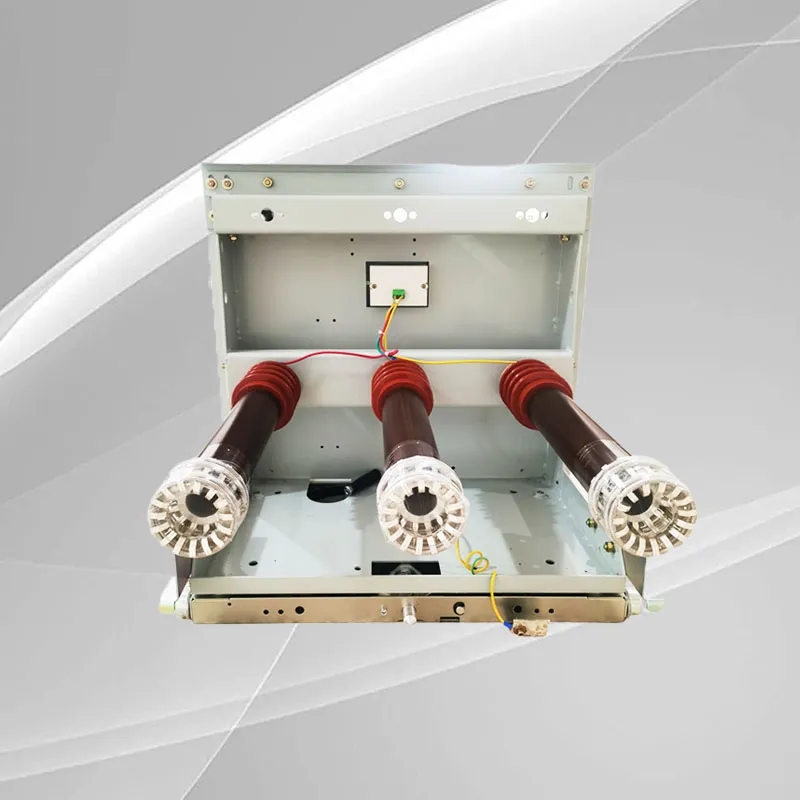 Withdrawable element for electricity metering with voltage check function
-
 Internal high-voltage disconnector GN19-630A with double input and grounding contact
Relatedsearch
Related Search- China waterproof and anti-corrosion transformer 10kv main buyer
- circuit breaker chint nm8n
- distribution board ux 4x18 n
- China decoding of dry-type transformers main buyer
- China winding group of power transformers
- China power transformer 630kva
- China load dry transformers
- JN12-12-31.5 Internal high voltage grounding switch
- China power transformer short
- distribution board 3 phase diagram



