


power transformer cores
Power transformer cores– a topic that seems simple at first glance. All textbooks talk about electromagnetic induction, materials with high magnetic permeability, these same cores. But the reality is often much more complicated. I have been designing and manufacturing power equipment for many years, and I can say with confidence that a properly selected and manufactured core is not just a piece of steel, but a critical element on which the efficiency and durability of the entire transformer directly depends. I often observe an underestimation of the role of the core, which leads to problems that could be avoided.
Overview: the core is the heart of the transformer
The core of a power transformer is, without exaggeration, its 'heart'. It provides a path for magnetic flux, which in turn causes induction in the windings and transfers energy. The losses, output power and, ultimately, the service life of the transformer directly depend on its design, material and workmanship. Talking about designing a transformer without taking into account the features of the core means taking risks. And these risks can be quite significant, both from a financial and reputational point of view.
Main types of cores
There are mainly two types used: sheet (laminated) and cast iron. Sheet cores are preferred due to significantly lower eddy losses. Cast iron, although cheaper, are suitable for low-power transformers, where efficiency requirements are not so high. The problem is that even with the same power, a sheet core will always provide lower losses and, therefore, higher efficiency. Recently, cores made of electrical steel with improved characteristics have become increasingly widespread.
Core materials: choice and features
The most commonly used are various grades of electrical steel. In addition to regular brands, there are special ones with lower hysteresis and eddy current losses. The choice of material depends on the operating frequency of the transformer, the required power and allowable losses. For example, for transformers operating at frequencies above 50 Hz, the choice of steel becomes even more critical. It is important to understand that more expensive steel often pays for itself through reduced energy losses and increased service life.
Problems and solutions in manufacturing
One of the most common problems is violation of the integrity of laminations. Incorrect lamination, coating defects, mechanical damage - all this leads to an increase in eddy currents and, as a result, to increased losses. In our practice, we have repeatedly encountered cases where even minor lamination defects led to a significant decrease in the efficiency of the transformer. Therefore, strict adherence to technological processes during manufacturing is a key factor.
Practical experience: case study
We recently had an order to manufacture a transformer for an industrial enterprise. The client required a minimum cost, and we chose a cast iron core. During operation, it turned out that the transformer overheats and operates with a noticeable decrease in power. After careful analysis, we found that the quality of the cast iron core was inadequate, with cracks and structural defects. This led to an increase in eddy currents and, as a result, to overheating. Remaking the transformer required significant costs and time. This case showed us that skimping on materials can lead to big problems in the long run.
Coating quality and its impact
Core coating is more than just corrosion protection. It also has an effect on reducing eddy currents. A defective coating can lead to the formation of microcracks, which serve as centers for the concentration of eddy currents. Therefore, the choice of coating and control of its quality is an important stage in the design and production of transformers.
Current trends and innovations
New materials for cores are now being actively developed, including those based on ferrites and composite materials. These materials have significantly higher performance than traditional electrical steel. Also, methods for optimizing core design using computer modeling are becoming increasingly widespread. This allows cores to be designed with minimal losses and maximum efficiency.
Core Design Using CAE
Today, complex CAE (Computer-Aided Engineering) systems are used to design cores. They allow you to simulate the magnetic field, heat flow distribution and other parameters of the core, which allows you to optimize its design and avoid problems that may arise during operation. At **Wenzhou Qiaonasen Electrical Equipment Co., Ltd** we use such systems to design transformers of various capacities.
We also pay great attention to quality control at all stages of production. This allows us to guarantee our customers the high quality and reliability of our transformers. Our experience allows us to anticipate possible problems and take measures to prevent them. For example, we use modern equipment to control the quality of lamination and coating of cores. Our websitehttps://www.qnasen.rucontains detailed information about our products and services.
Conclusion: attention to detail is the key to success
Working withpower transformer coresrequires deep knowledge and experience. The role of this element in ensuring the efficiency and reliability of the entire transformer cannot be underestimated. Careful attention to the selection of materials, workmanship and quality control is the key to success. Remember that a small defect in the core can lead to serious problems in the future. And, of course, don’t be afraid to experiment and introduce new technologies - this will help you create transformers that will work reliably and efficiently for many years.
Correspondingproducts
Related Products


电动智能户外柱上高压真空断路分合闸开关.2.webp)


Best Sellingproducts
Best Selling Products-
 High voltage internal switch
-
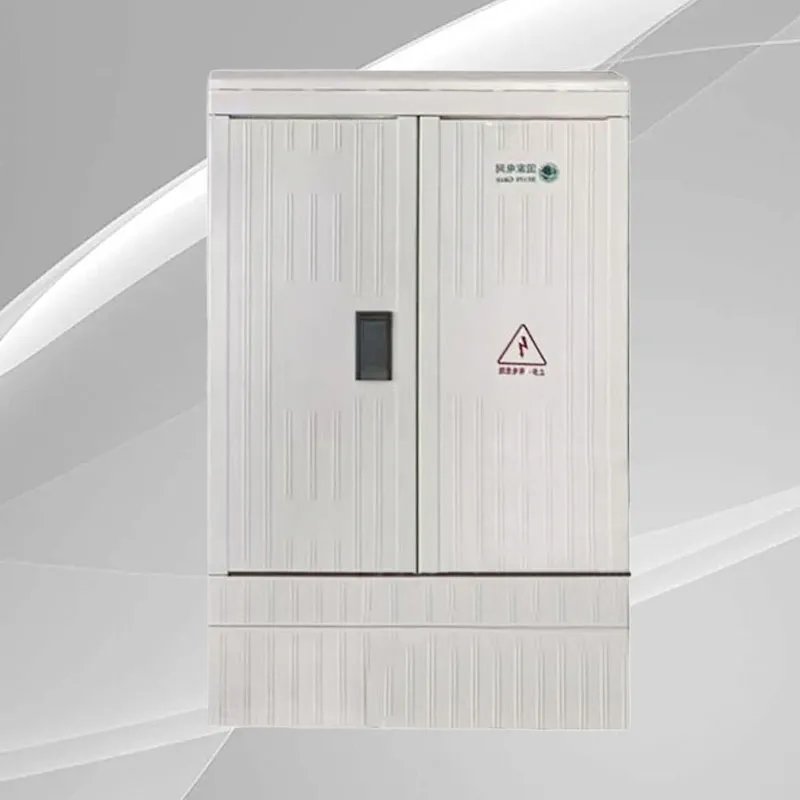 Thickened fiberglass housing for low voltage cable distribution board
-
 XGN66-1210KV High Voltage Ring Cabinet
-
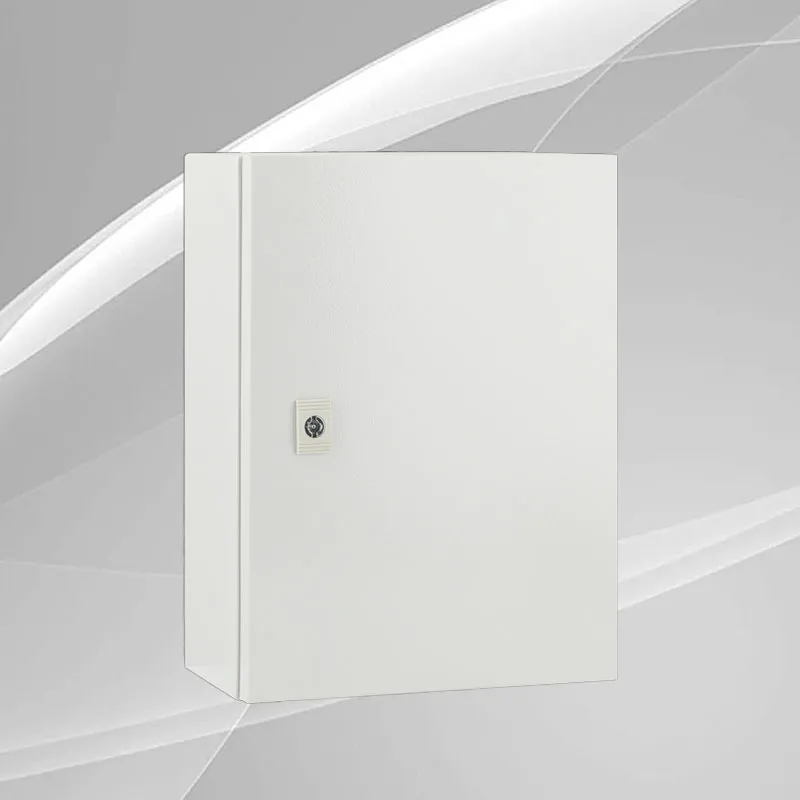 Apartment switchboard
-
 JXF weatherproof box for external use with enhanced dust protection
-
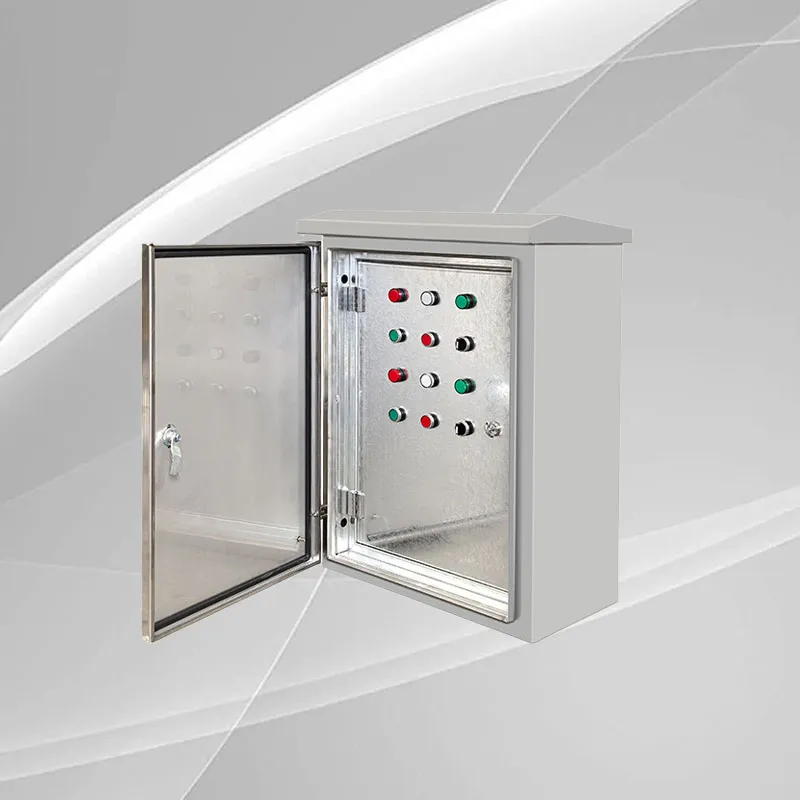 Stainless steel control panel
-
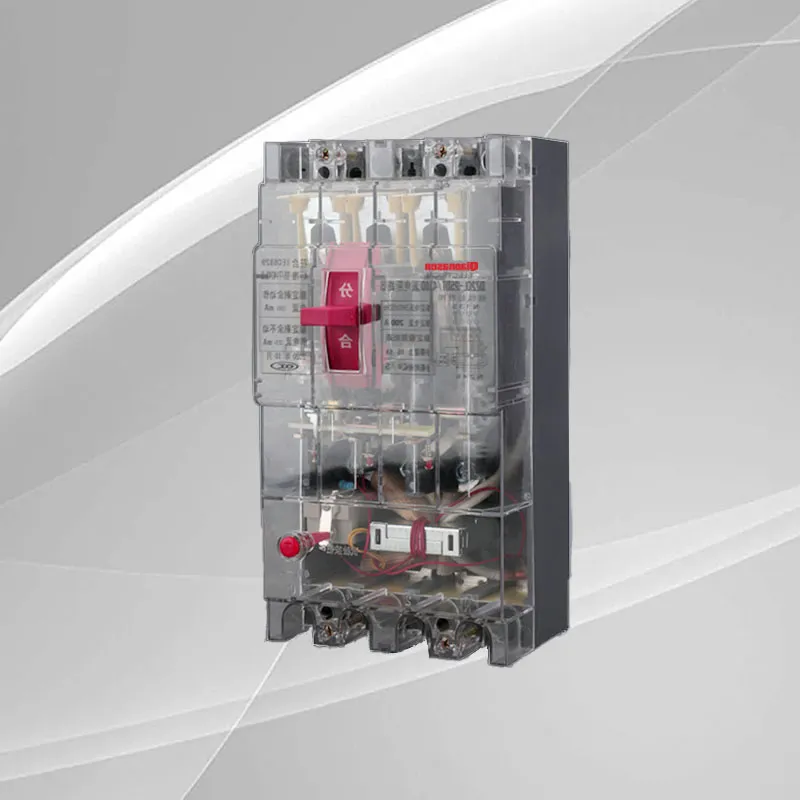 Circuit breaker with transparent plastic housing
-
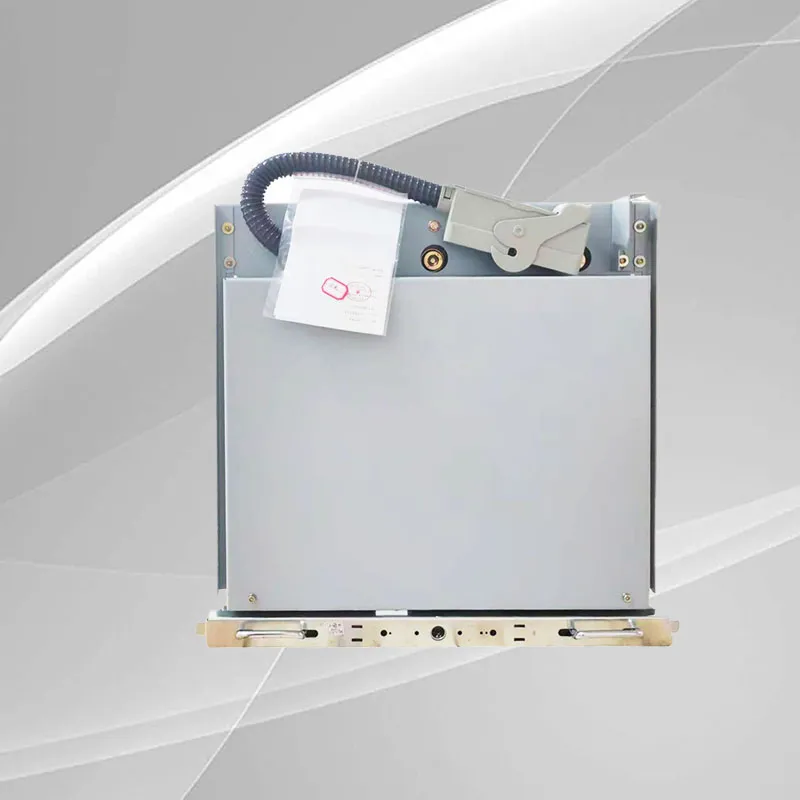 Withdrawable element for electricity metering with duck-type voltage transformers
-
 MBW1 series intelligent universal circuit breakers, three-pole fixed
-
 Switchgear with ATS BRSM
-
 Explosion Proof Oil Induction Voltage Regulator
-
 Outdoor distribution cabinet made of 201 steel
Relatedsearch
Related Search- China power transformers and reactors main buyer
- circuit breaker ekf 1p 6a
- distribution board height
- distribution board 3 phase diagram
- distribution board 3 18
- toshiba power transformers
- relay protection of power transformers
- automatic switch va88 35 160a
- what are the powers of power transformers
- power transformer 110 kV tdtn



