


what are the powers of power transformers
Question aboutpower transformersoften arises among customers, especially when it comes to designing new facilities or modernizing existing ones. And often, to my great regret, we are faced with a completely incorrect understanding of what power we need to choose. People strive for 'more is better' without taking into account the real pressures and future prospects. As they say, saving on a transformer is an investment in failures and costly repairs in the future. This, of course, is a general trend, but I will now talk about several practical situations that illustrate how important it is to approach this issue responsibly. Not just 'do more', but correctly calculate and take into account all the factors.
Misconceptions and their consequences
The first common mistake is too much power. We often see projects where the transformer is selected with a margin of several times, 'just in case'. And so, as a result, at the first stage of operation, the transformer operates with a small load, which leads to increased costs for its acquisition and maintenance. Moreover, such a transformer will be less efficient, since its efficiency drops at low loads. And yes, in the case of partial load, hardly anyone pays attention to overheating and the corresponding loss of energy.
Sometimes, on the contrary, they choose too little power, believing that “we’ll increase it later.” But this can lead to serious problems with system reliability. Overloading a transformer causes it to overheat, shortening its service life and increasing the risk of accidents. I remember one case: we were designing a switchboard for a small production workshop. The customer wanted to save money and ordered a transformer of lower power than required to meet the peak load. Six months later the transformer failed. Then it turned out that the peak load was slightly higher than originally expected, and there was no power reserve left. This incident cost the company significant financial losses.
Factors influencing power selection
Selecting the optimal transformer power is a complex task that requires taking into account many factors. The first and most important thing is to calculate the total power consumption of all consumers. Here it is necessary to take into account not only the rated power of the equipment, but also the simultaneity coefficient - that is, the percentage of equipment that will work simultaneously. This coefficient depends on the type of production and operating mode of the equipment. For example, for a workshop with a variable load, the simultaneity factor may be significantly lower than for a workshop with a constant load.
We must not forget about the load power factor. Some loads, such as electric motors, have a low power factor, which increases the current flowing through the transformer. This, in turn, requires the selection of a transformer with an appropriate current rating. And, of course, you need to take into account losses in the transformer. The efficiency of a transformer depends on its power and operating mode. The lower the load, the lower the efficiency. For example, a transformer operating at 20% load may only have an efficiency of 50-60%. This must be taken into account when calculating the total power consumption of the system.
Case study: modernization of an old workshop
We recently worked on modernizing an old metal processing shop. With old equipment, the transformer was selected according to the 'old' calculations, and it constantly worked at the limit of its capabilities. As a result, there were frequent interruptions in operation and increased wear and tear on equipment. When modernizing the workshop, new, more energy-efficient equipment was installed, which required more power. We recalculated the load and chose a transformer of higher power, but not too large, in order to avoid overpaying and reducing efficiency. A transformer with a power reserve of 20% turned out to be optimal, which ensured stable operation of the equipment and reduced the risk of overload. As always, the key was to accurately determine the peak load and take into account the simultaneity factor.
Calculations and necessary tools
For an accurate calculation, it is necessary to use specialized software and take into account all of the above factors. Currently, there are many software packages that allow you to calculate the load and select the optimal power of the transformer. For example, you can use specialized programs developed by **Wenzhou Qiaonasen Electrical Equipment LLC** - they allow you to simulate various scenarios and optimize the choice of equipment. In addition, it is useful to take into account the requirements of regulatory documents such as PUE and GOSTs.
What could go wrong? Story about a bad experience
There was one more incident. We were choosing a transformer for a new enterprise producing plastic products. The customer wanted to save money and chose a transformer based on the current capacity of the equipment, without taking into account plans to expand production. Then, two years later, the enterprise significantly increased production volumes, but the transformer could no longer cope with the load. As a result, an urgent replacement of the transformer was necessary, which led to significant financial losses and production downtime. The lesson was learned: you always need to consider the prospects for business development.
Conclusion: a responsible approach is the key to reliability
In conclusion, I would like to emphasize that the choicepower transformers– this is not just a technical task, but an important aspect of ensuring the reliability and efficiency of all electrical equipment. You should not skimp on calculations and rely on general ideas. All factors related to load, simultaneity factor, power factor and losses in the transformer must be taken into account. And, of course, you need to contact qualified specialists who will help you choose the best option.
Correspondingproducts
Related Products


Best Sellingproducts
Best Selling Products-
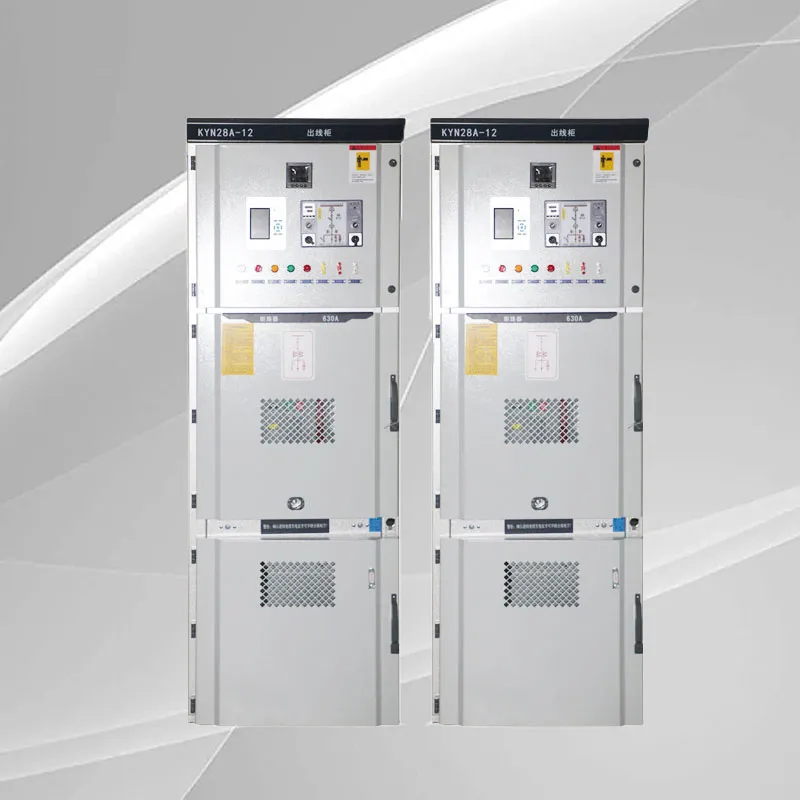 KYN28A-12 indoor metal armored medium power AC switchgear
-
 Outdoor High Voltage Smart Vacuum Circuit Breaker
-
 Blade contact disconnector ZW10-12
-
 Miniature circuit breaker
-
 KYN28A-12 Internal structure of medium voltage switch with metal armor
-
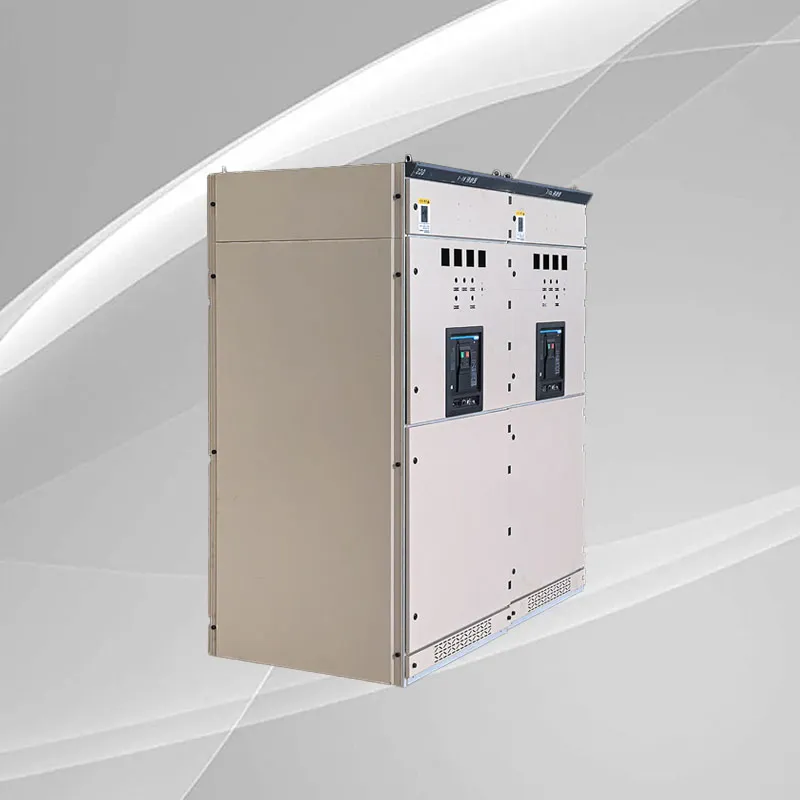 Low-voltage withdrawable distribution cabinet GCS (input cabinet)
-
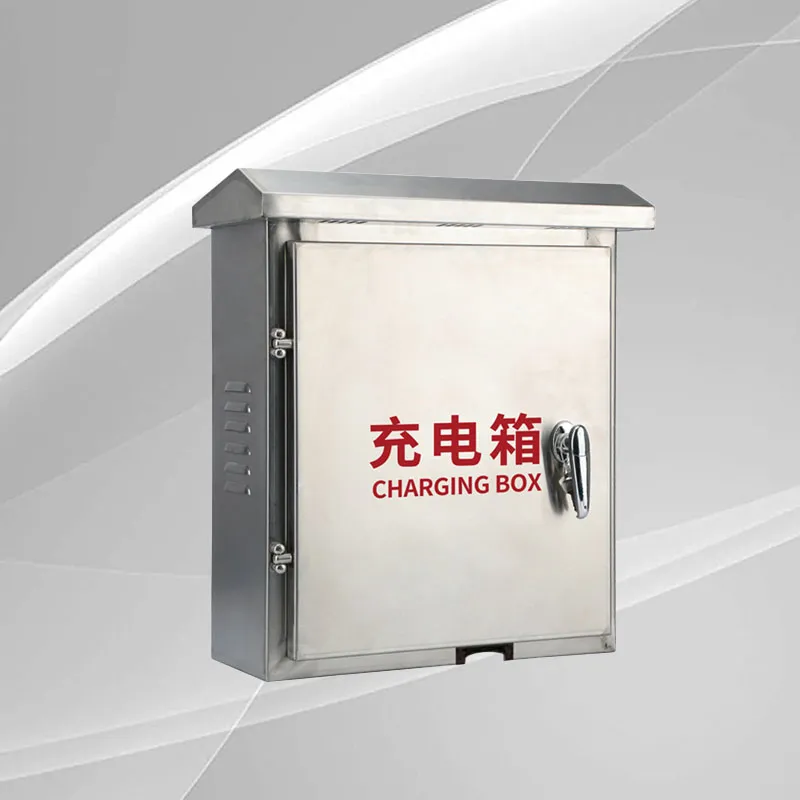 Outdoor electric charging cabinet
-
 Disconnector with blade contact in a complete high-voltage cabinet
-
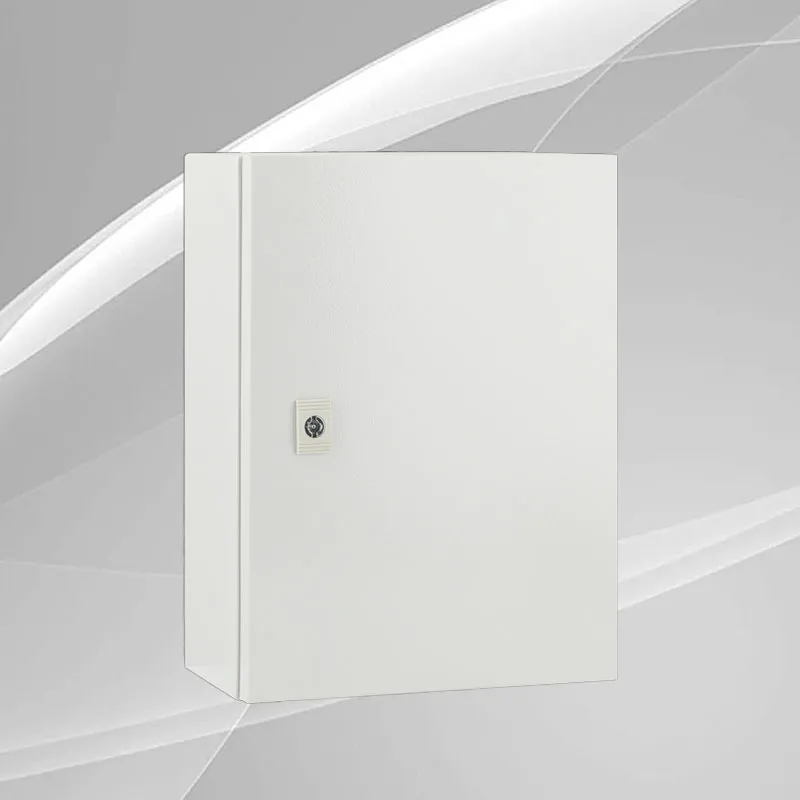 Apartment switchboard
-
 High voltage vacuum circuit breaker ZW20
-
 Oil transformer
-
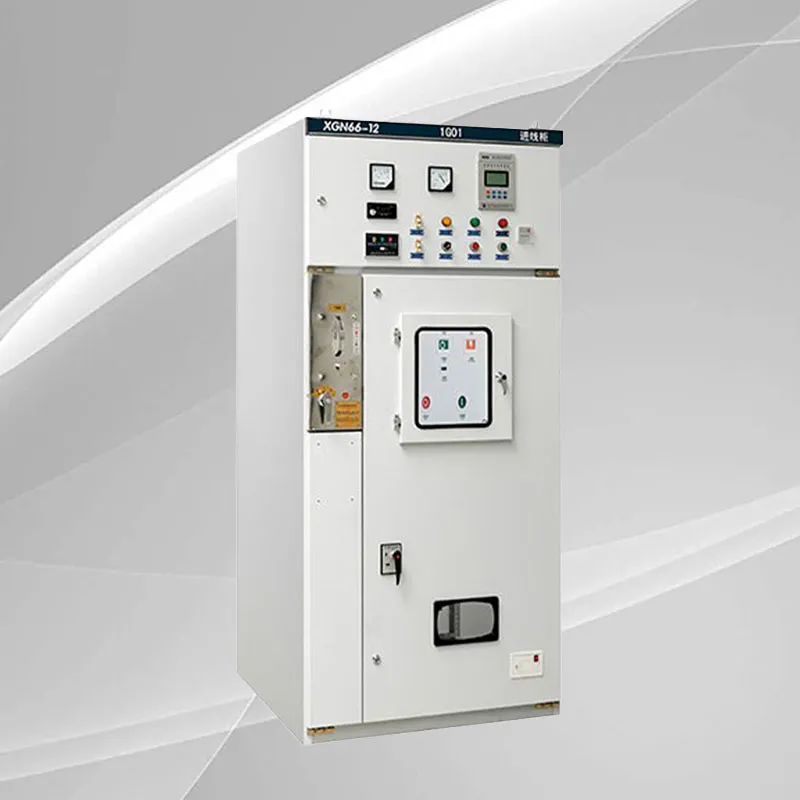 Fixed enclosed switchgear XGN66-12(Z)
Relatedsearch
Related Search- distribution board 160a
- China dry transformer 250 kva main buyer
- what kind of circuit breaker for home
- cross section circuit breaker
- China waterproof and anti-corrosion transformer 10kv main buyer
- how to open a distribution board
- distribution board scho 70 yuuemz
- dry transformers 10 0 4
- China dry transformer 1600 kva main buyer
- circuit breaker VA 200a



