


transformer power cable
Transformer power cable... It sounds simple, but there are so many nuances in it! I often see how designers and installers underestimate the importance of the correct selection and installation of this particular element. It is believed that the main thing is throughput, but this is just the tip of the iceberg. Electrical strength is, of course, critical, but what about heat dissipation, mechanical stress, chemical resistance? Several years of working in the field of electrical equipment helped me understand that ignoring these factors often leads to unpleasant consequences - from premature cable failure to serious emergency situations. Therefore, I want to share my experience, and maybe warn about some common mistakes.
At a Glance: What You Need to Know About Transformer Cables?
In general, we are talking about a cable that provides power to the transformer from the network. It must withstand significant currents and voltages, and also provide reliable insulation. The choice of cable is always a compromise between cost, parameters and operating conditions. It is important to consider not only the rated load, but also possible overloads, as well as the operating temperature. And, of course, do not forget about safety requirements.
In modern practice, in addition to traditional copper cables, aluminum cables are increasingly being used. This is due to the weight and cost savings. But aluminum cables require a more careful approach to installation and operation, especially in terms of preventing oxidation and the formation of galvanic couples. This is one of the most common sources of problems that I hear about frequently. Improper grounding, use of incompatible materials... all this can lead to rapid cable destruction.
Selection of insulation material: strength and heat resistance
Insulation material is a key factor determining service life and reliabilitytransformer power cable. Traditionally, various types of rubber, polyvinyl chloride (PVC) and other polymer materials are used. The choice depends on voltage, temperature and operating conditions. For example, for cables operating at high temperatures, it is preferable to use materials with increased heat resistance. And for humid environments - materials with good waterproofing.
Several times I came across a situation where a cable was chosen based only on price, forgetting about the quality of the insulation. As a result, the cable quickly deformed and lost its properties. This is especially critical for cables passing through areas with high humidity or aggressive environments. Don't skimp on this component - it can cost much more in the long run. We at Wenzhou Qiaonasen Electrical Equipment LLC take into account all these nuances when selecting cables for our clients. (https://www.qnasen.ru)
Installation: the key to durability and safety
Correct installation is no less important than cable selection. An incorrectly installed cable can quickly fail, even if it was originally of high quality. It is important to comply with all regulatory requirements, as well as take into account the design features of the transformer and cable routes.
One common mistake is tightening connections too tightly. This may cause the cable to deform and damage the insulation. Conversely, tightening it too loosely can cause the connection to loosen and create hot spots. Appropriate tools must be used and the recommended tightening torques must be observed. We often see this mistake made when they use poor quality wrenches or simply underestimate the force required to tighten correctly.
Practical case: overheating problem
Recently we encountered the problem of cable overheating in a transformer substation. When finding out the reasons, it turned out that the problem was due to incorrect installation of the clamps. The clamps were over-tightened, causing the cable to deform and cause poor contact. As a result, the cable began to overheat, which resulted in damage to the insulation and the risk of fire. We needed to replace the cable and redo the installation to fix this problem.
This case shows how important it is to carefully control the quality of installation and avoid mistakes, even the most insignificant ones. Sometimes even a slight deformation of the cable can lead to serious consequences. Therefore, I always recommend conducting a preliminary check of the quality of installation before putting the transformer into operation.
Chemical resistance and protection from external influences
In addition to electrical parameters, chemical resistance must also be taken into account.transformer power cable. It can be exposed to various substances such as oils, acids, alkalis, salts, and other aggressive environments. The choice of insulation material must correspond to the operating conditions and provide reliable protection against corrosion and destruction.
To protect the cable from external influences, special sheaths and coatings are often used. This may be plastic film, paint coatings, or other protective materials. It is important that these coatings are compatible with the insulation material and do not degrade its properties. Wenzhou Qiaonasen Electrical Equipment Co., Ltd. offers a wide selection of cables with various types of protection against external influences.
Maintenance and diagnostics
Regular maintenance and diagnosticstransformer power cableallow you to identify possible problems at an early stage and prevent serious accidents. As part of the service, it is necessary to visually inspect the cable, check the insulation, measure the insulation resistance, and check the tightness of the connections.
In addition, you can use special devices to diagnose the condition of the cable, such as thermography or ultrasonic flaw detection. These methods make it possible to identify hidden insulation damage and connection defects that are not visible during visual inspection. Regular diagnostics can extend the life of the cable and avoid costly repairs or replacements.
Correspondingproducts
Related Products



电动智能户外柱上高压真空断路分合闸开关.2.webp)

Best Sellingproducts
Best Selling Products-
 Withdrawable element for electricity metering
-
 Switchgear with ATS BRSM
-
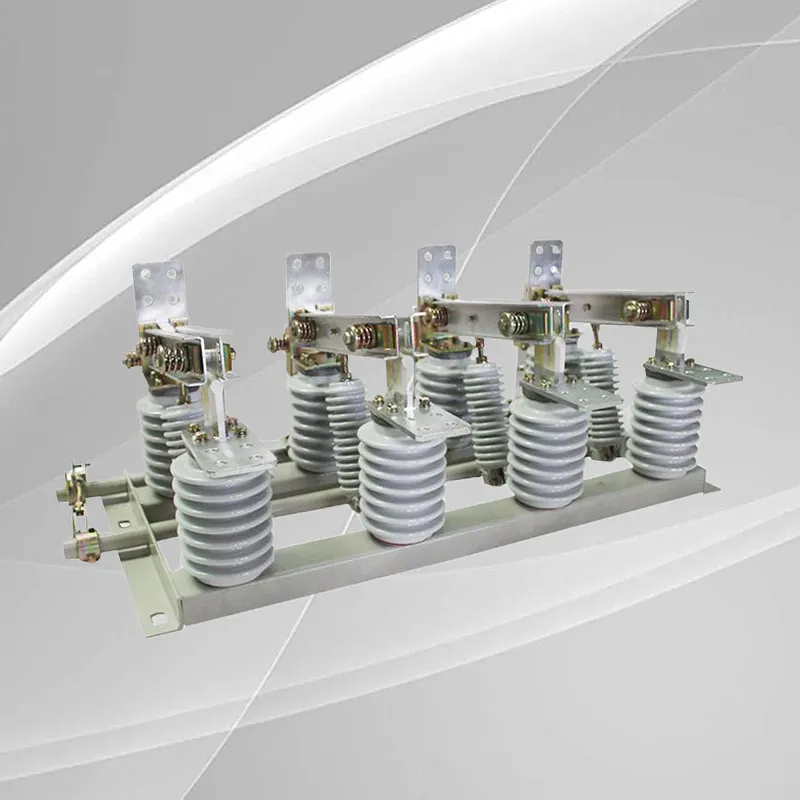 High voltage isolation switch GN24-12 for indoor use
-
 Isolating circuit breaker HL30-125
-
 Indoor High Voltage Isolation Circuit Breaker with Ceramic Insulators
-
 XGN66-1210KV High Voltage Ring Cabinet
-
 Side vacuum switch
-
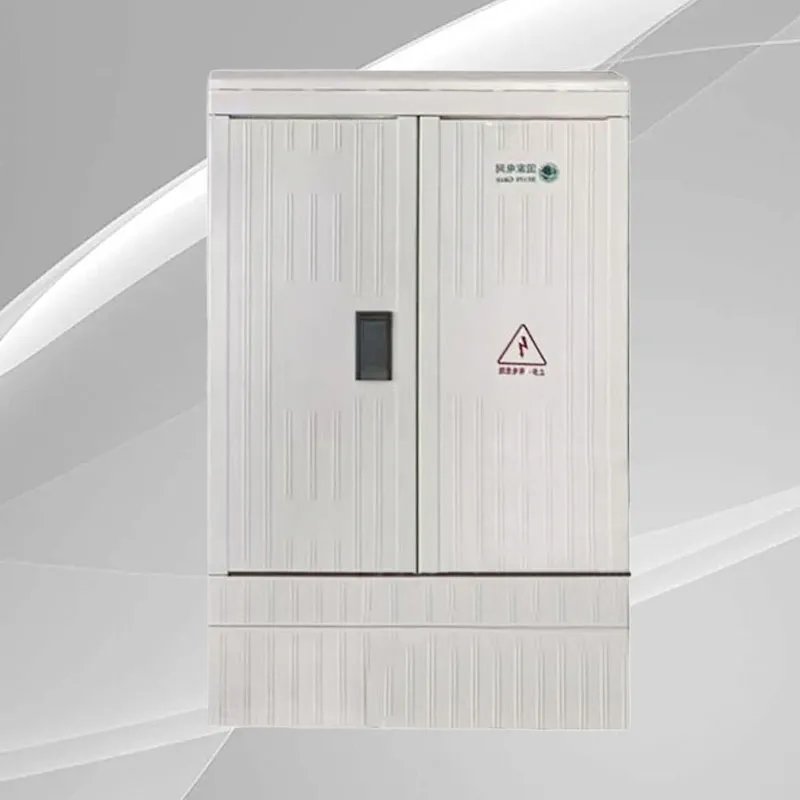 Thickened fiberglass housing for low voltage cable distribution board
-
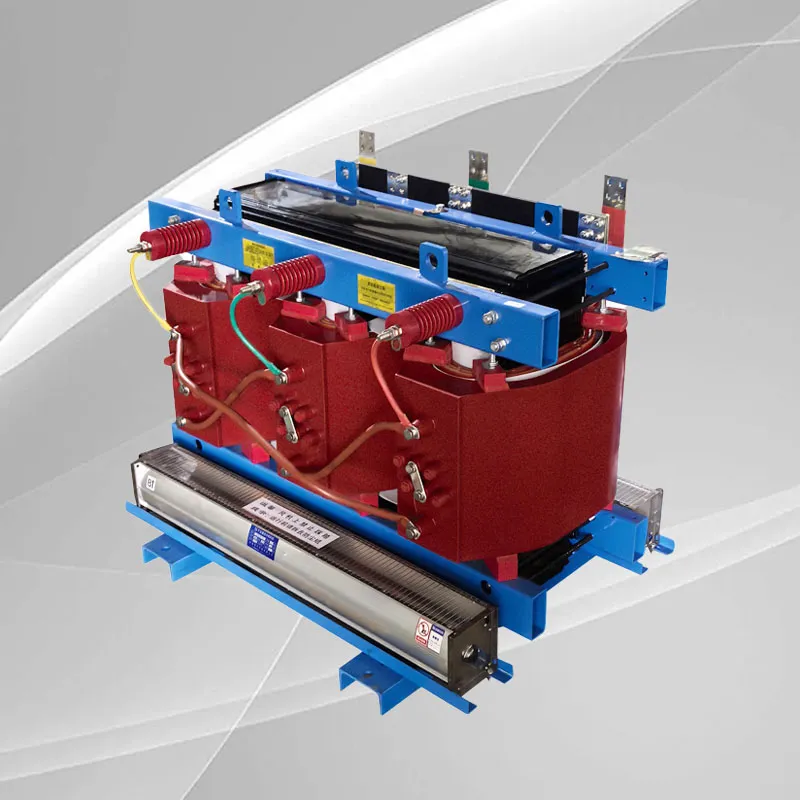 Dry transformer
-
 Outdoor waterproof distribution cabinet
-
 Transparent circuit breaker with plastic housing
-
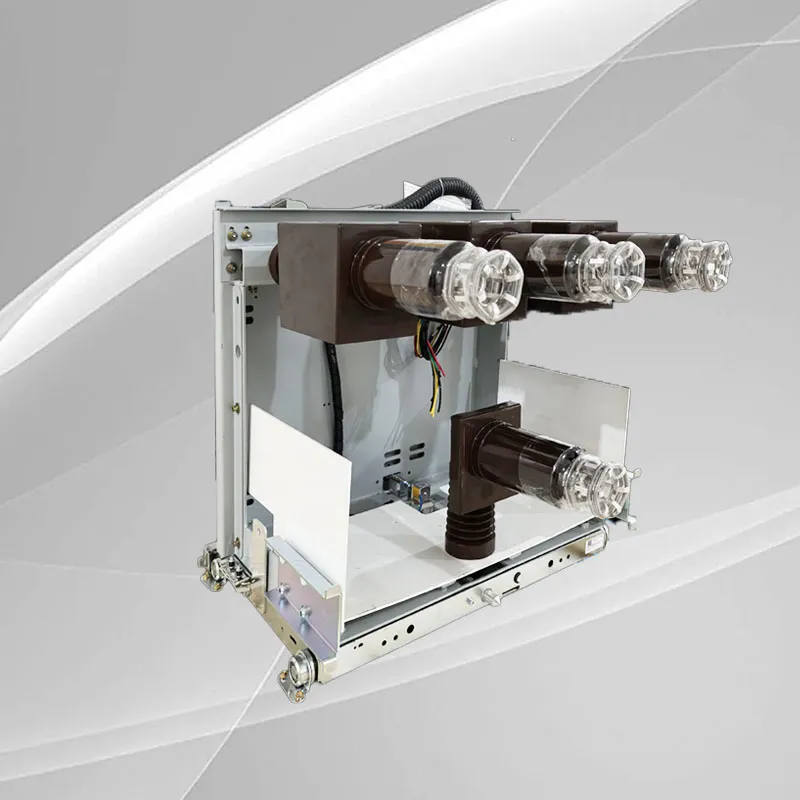 Withdrawable element for electricity metering for four contacts with three voltage transformers
Relatedsearch
Related Search- circuit breaker abb ds201
- fuse links for power transformers
- China power transformer 6kva
- China dry transformer protection
- China power transformers connection group
- zero in the distribution board
- Outdoor waterproof junction box
- power transformers 110 kW
- operation of power transformer on-load tap-changer
- automatic circuit breaker armat



