
High and Low Voltage Switchboards: Short Circuit Prevention Techniques from Jonathan Electric
2026-07-13
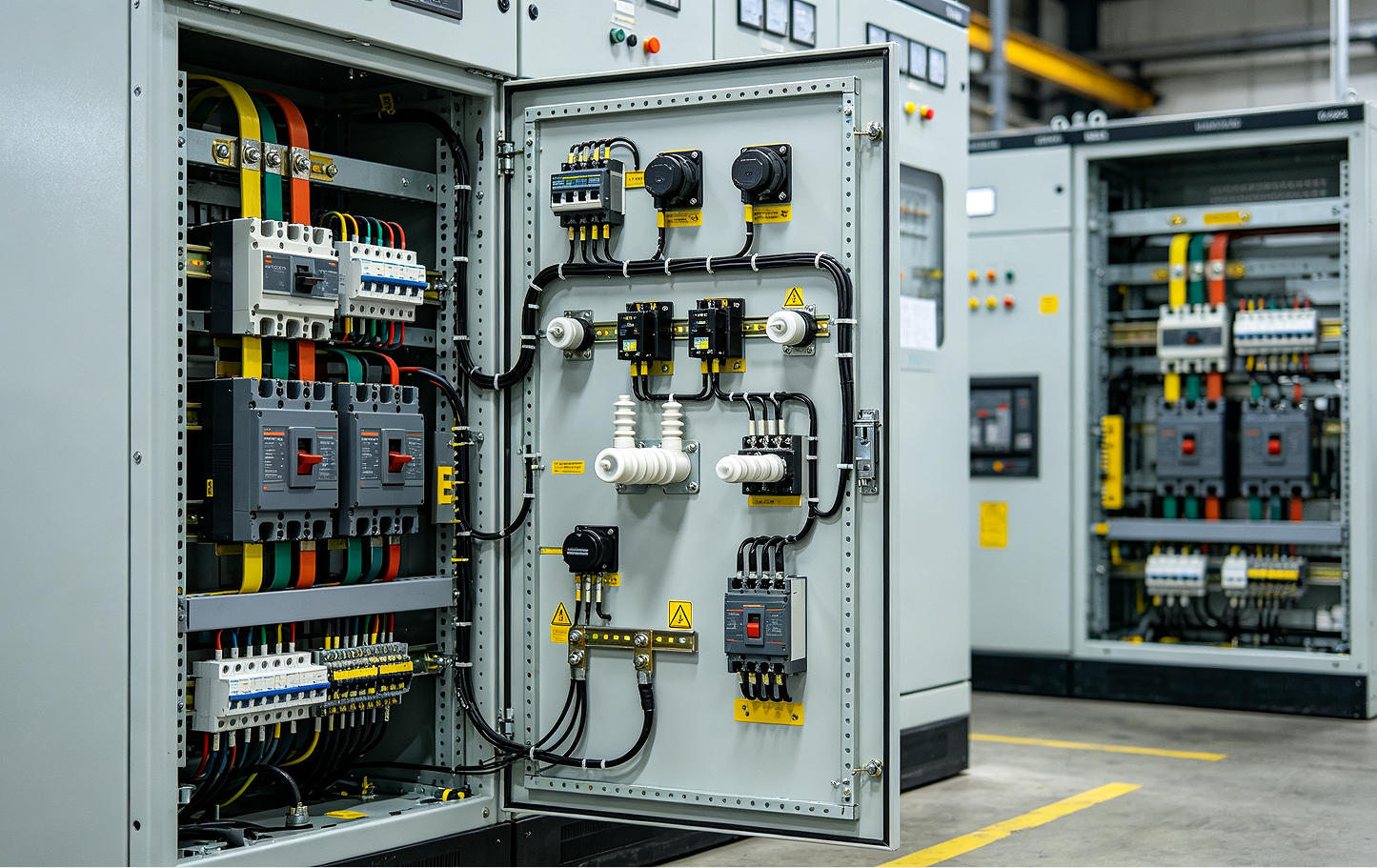
high-voltage and low-voltage distribution boards
1. Main causes of short circuits in high-voltage and low-voltage distribution boards
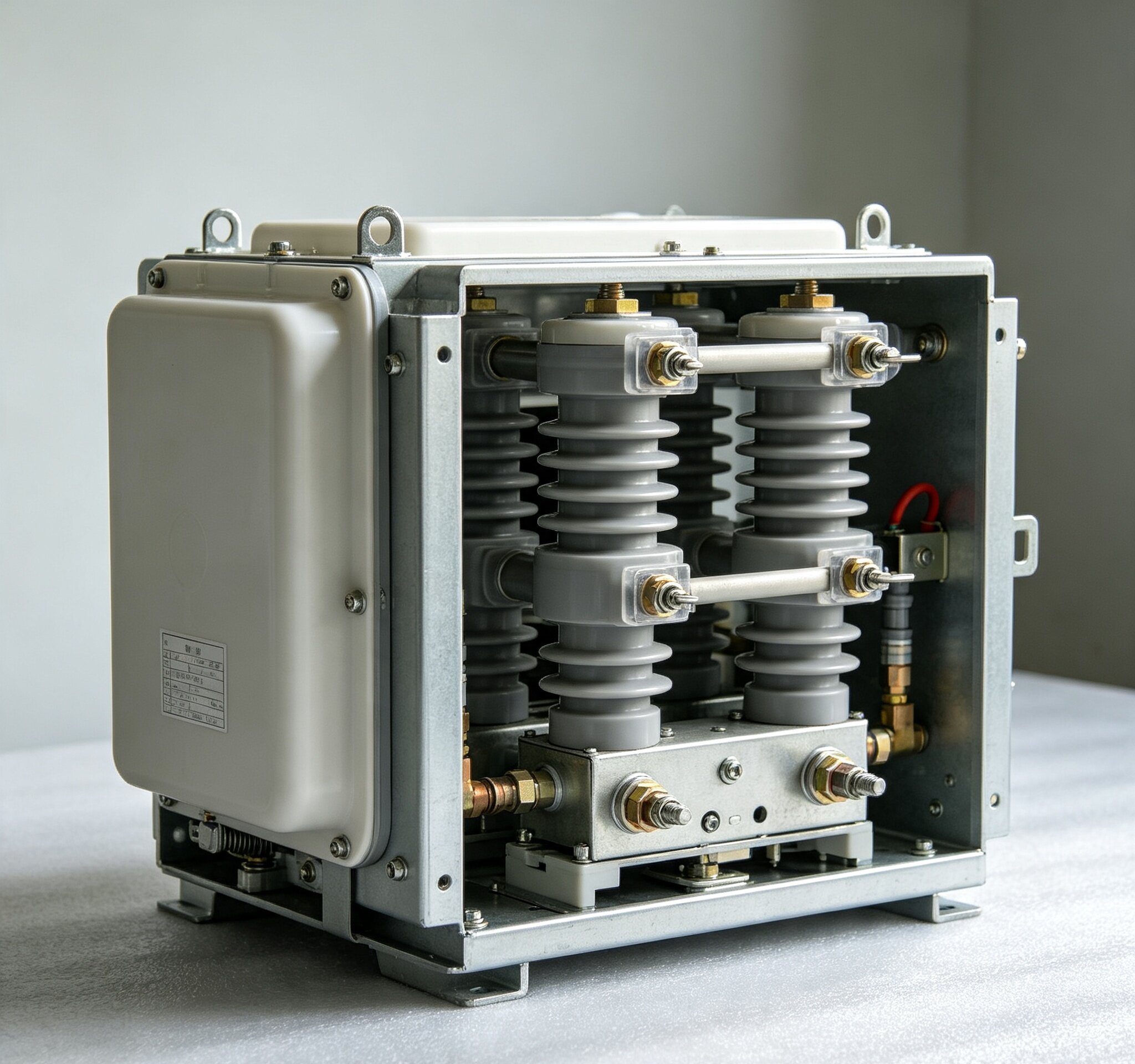
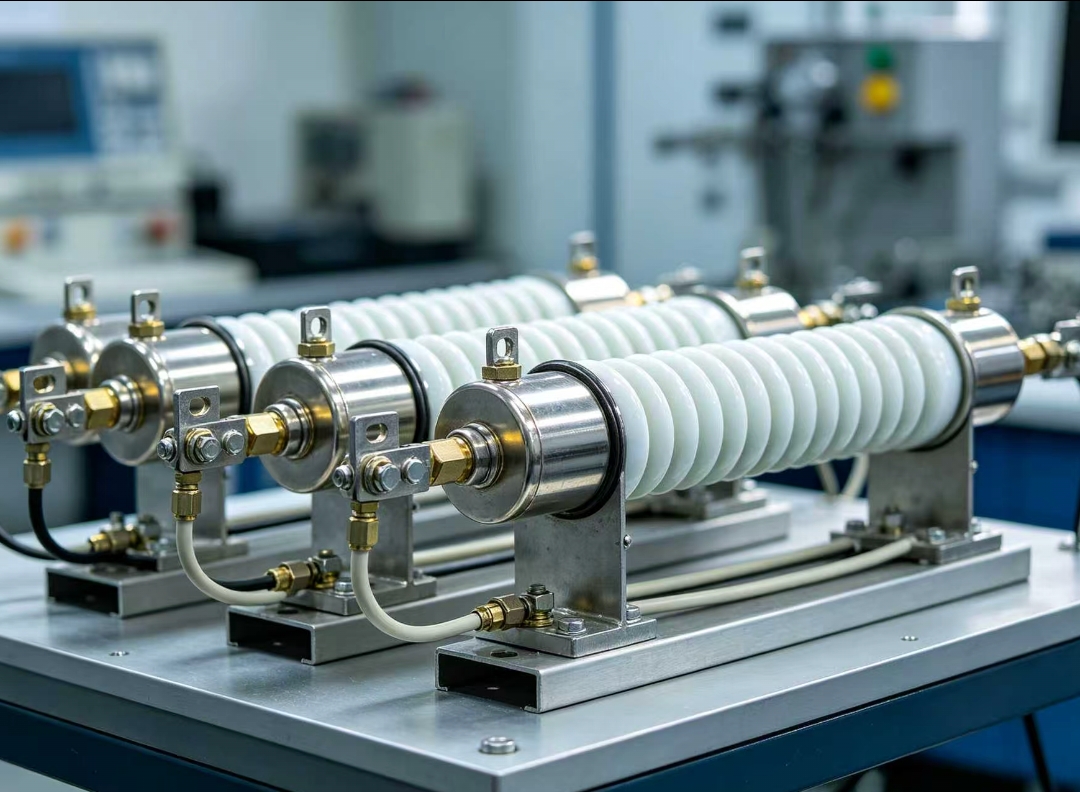
Analysis of the amplitude-frequency characteristics of the phases of high-voltage equipment confirms: the stability of the entire energy network directly depends on the vibration, harmonic and insulation characteristics of high-voltage and low-voltage distribution boards. All measurements were carried out on real samples of high-voltage and low-voltage distribution boards installed in industrial substations. No-load testing of a 300 MVA power unit confirms that the majority of short circuits in networks originate within the high-voltage and low-voltage distribution boards: the main causes are lightning strikes and critical failures of the relay protection integrated into the design of the high-voltage and low-voltage distribution boards.
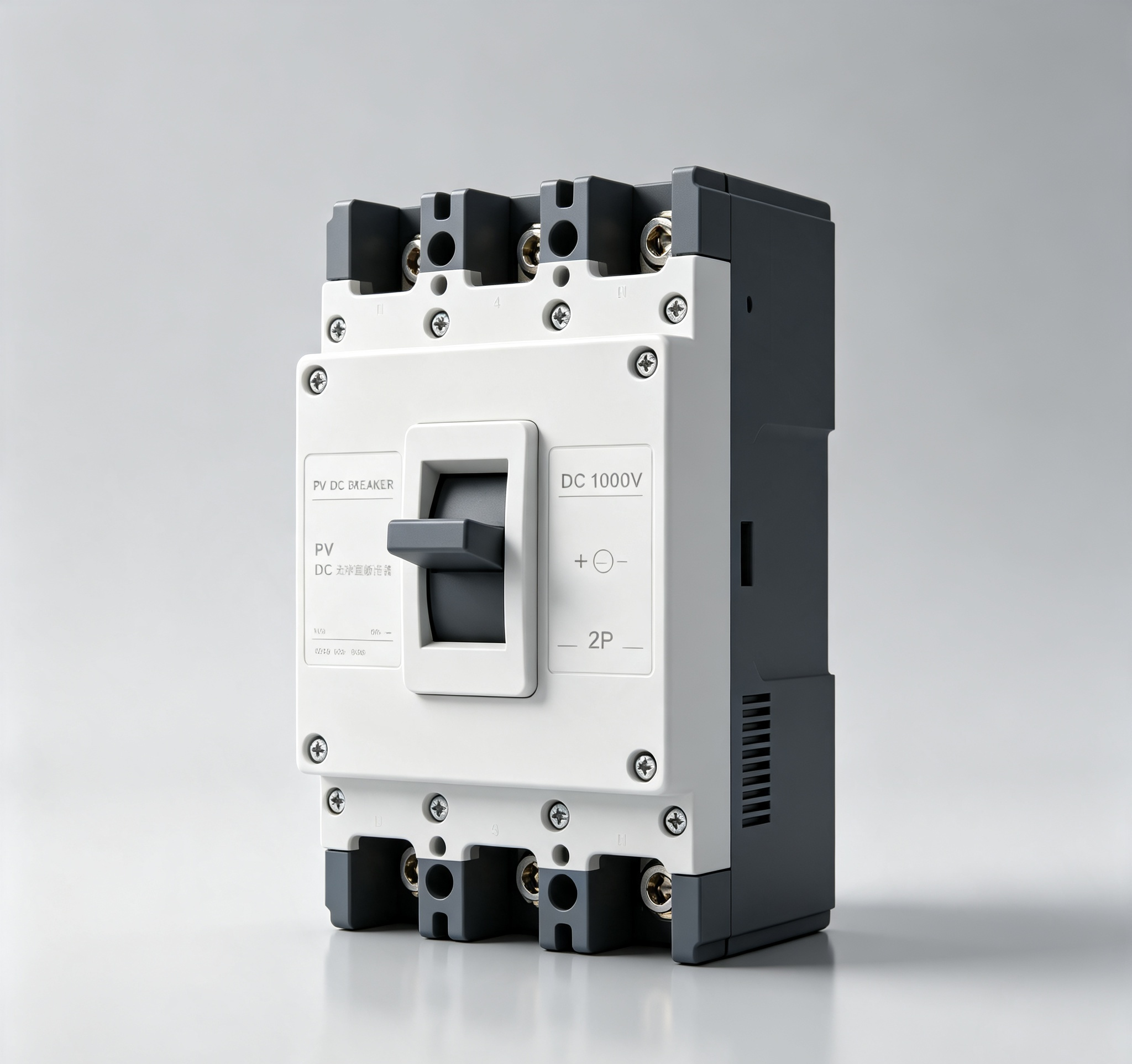
Strong pulsed current shocks during sudden short circuits inside any model of high-voltage and low-voltage distribution boards quickly damage transformers and adjacent power units. Low-voltage sections of high-voltage and low-voltage distribution boards are especially vulnerable to current overloads. For this reason, engineers require regular upgrades of all high-voltage and low-voltage distribution boards in service to increase their resistance to long-term overloads and short-circuit impulses. Without planned reinforcement of protective units, high-voltage and low-voltage distribution boards will not be able to withstand network peak loads.
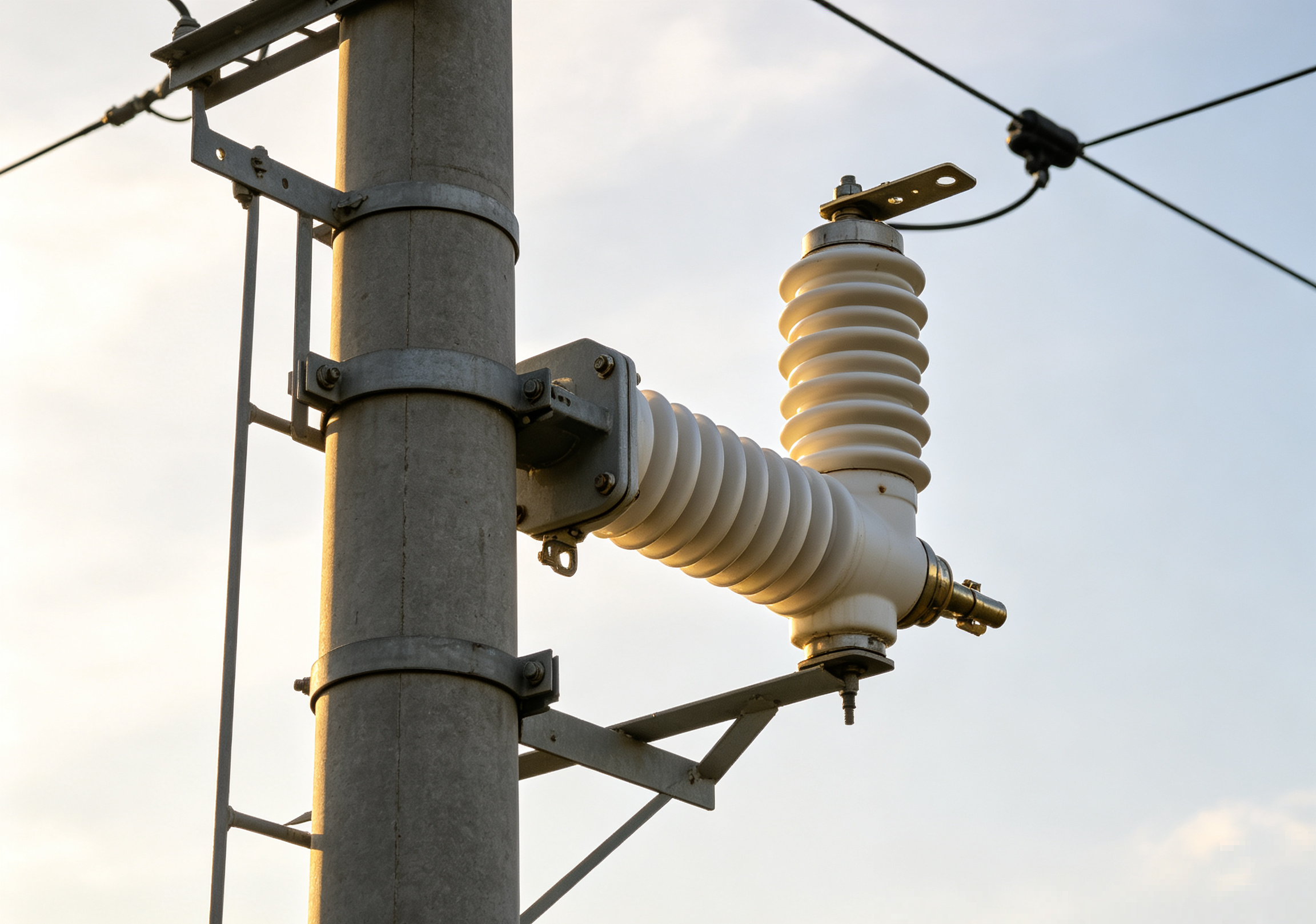
Long-term statistics of electrical installation accidents highlight the main group of risks for high-voltage and low-voltage distribution boards: displacement of standard insulation gaps and mechanical cracks of solid insulation inside the housing of high-voltage and low-voltage distribution boards. These defects trigger dangerous partial discharges that gradually destroy the internal contents of high- and low-voltage switchboards. During lightning overvoltages, partial discharges inside high-voltage and low-voltage distribution boards cause through breakdowns of the interturn and interlayer insulation of transformers - this is the most common cause of emergency shutdowns of a facility.
Even at a stable nominal voltage, constant partial discharges inside high-voltage and low-voltage distribution boards slowly destroy all types of insulating materials. Long-term monitoring data confirms that about 80% of critical failures in power grids are associated with wear and tear or improper operation of high-voltage and low-voltage distribution boards. Another 10% of all breakdowns occur during illiterate maintenance of high-voltage and low-voltage distribution boards, when personnel do not comply with the regulations for checking insulation and contact connections inside high-voltage and low-voltage distribution boards.
2. Diagnostics of winding deformation to protect switchboards from accidents
During routine maintenance of high-voltage and low-voltage distribution boards, the engineers' primary goal is to reduce the overall frequency of short circuits and reduce the number of destructive current surges throughout the panel equipment. At the same time, systematic regular diagnostics of the condition of transformer windings is required for the timely detection of hidden deformations that threaten the operation of distribution boards.
High-voltage and low-voltage switchboard equipment have radically different vibration characteristics, which change after any short circuit. After powerful exposure to short-circuit currents, hidden local deformations may appear on the windings of transformers connected to distribution boards. Such internal defects do not always lead to immediate complete failure of the shield, but form hidden operational risks for the long-term operation of the power facility.
3. Frequency vibration characteristics of high-voltage and low-voltage distribution boards
Comprehensive frequency analysis of vibration of switchboard equipment shows that the peak values of vibration signals on the three-phase high-voltage side of distribution boards are consistently recorded at a frequency of 400 Hz. For a standard low voltage switchboard, the fundamental frequency of the vibration signals is 100 Hz.
The amplitudes of the fundamental frequencies and harmonic oscillations at the corresponding control points of the high-voltage and low-voltage sides of the switchboards are in the same order range, which confirms the similarity of the basic frequency properties of all switchboard equipment.
Stability, efficiency and guaranteed reliability of operation of transformer equipment connected to distribution boards are determined by the quality of factory production, actual operating conditions and regularity of scheduled maintenance. Comprehensive preventive measures for high-voltage and low-voltage distribution boards significantly reduce the overall risk of sudden equipment failures at industrial and urban power facilities.
4. Jonathan Electric manufacturing and technical solutions to improve the reliability of distribution boards
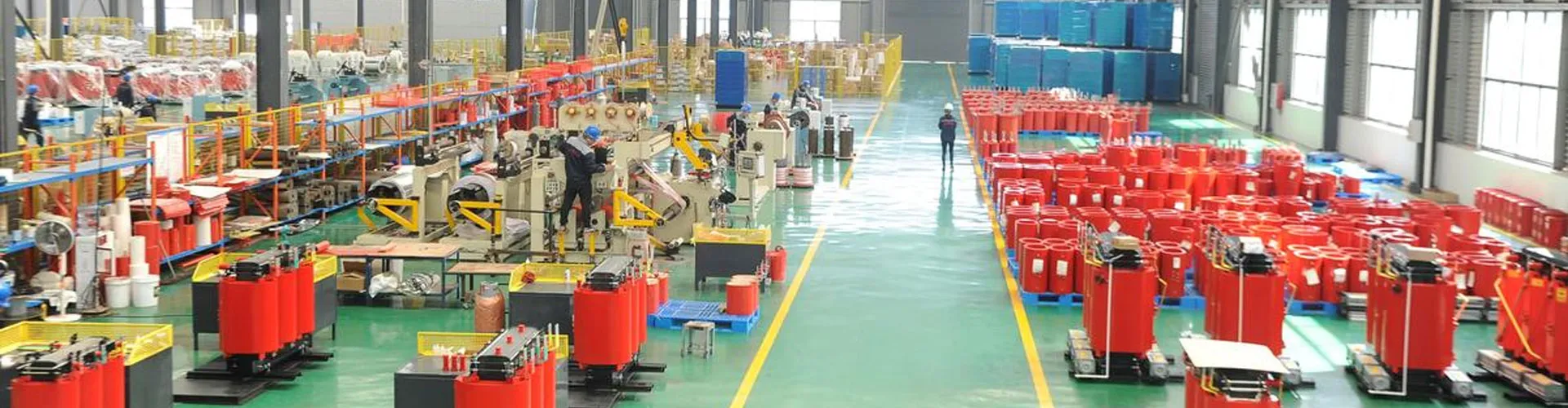
Jonathan Electric has many years of international experience in the production of certified high-voltage and low-voltage switchboards for industry, substations and residential complexes. The company implements joint scientific and technical projects with technical higher education institutions to continuously improve the design and operational characteristics of the entire line of switchboard equipment.
In the manufacture of each switchboard, high-quality certified raw materials and original certified components from well-known global manufacturers of electrical equipment are used. This rigorous manufacturing approach ensures consistent performance of high-voltage and low-voltage switchboards over many years of continuous operation under load.
Jonathan Electric provides customers with comprehensive technical services for working with distribution boards: consultations with engineers during installation of equipment, a full range of commissioning works, professional training for the customer’s regular operating personnel. Round-the-clock multilingual technical support allows you to quickly resolve any operational issues and flexibly adapt engineering solutions for the production of distribution boards to the individual conditions of each specific energy facility.