
High Voltage Fuse: 4 Key Functions for Protecting Electrical Systems
2026-07-16
high voltage fuse
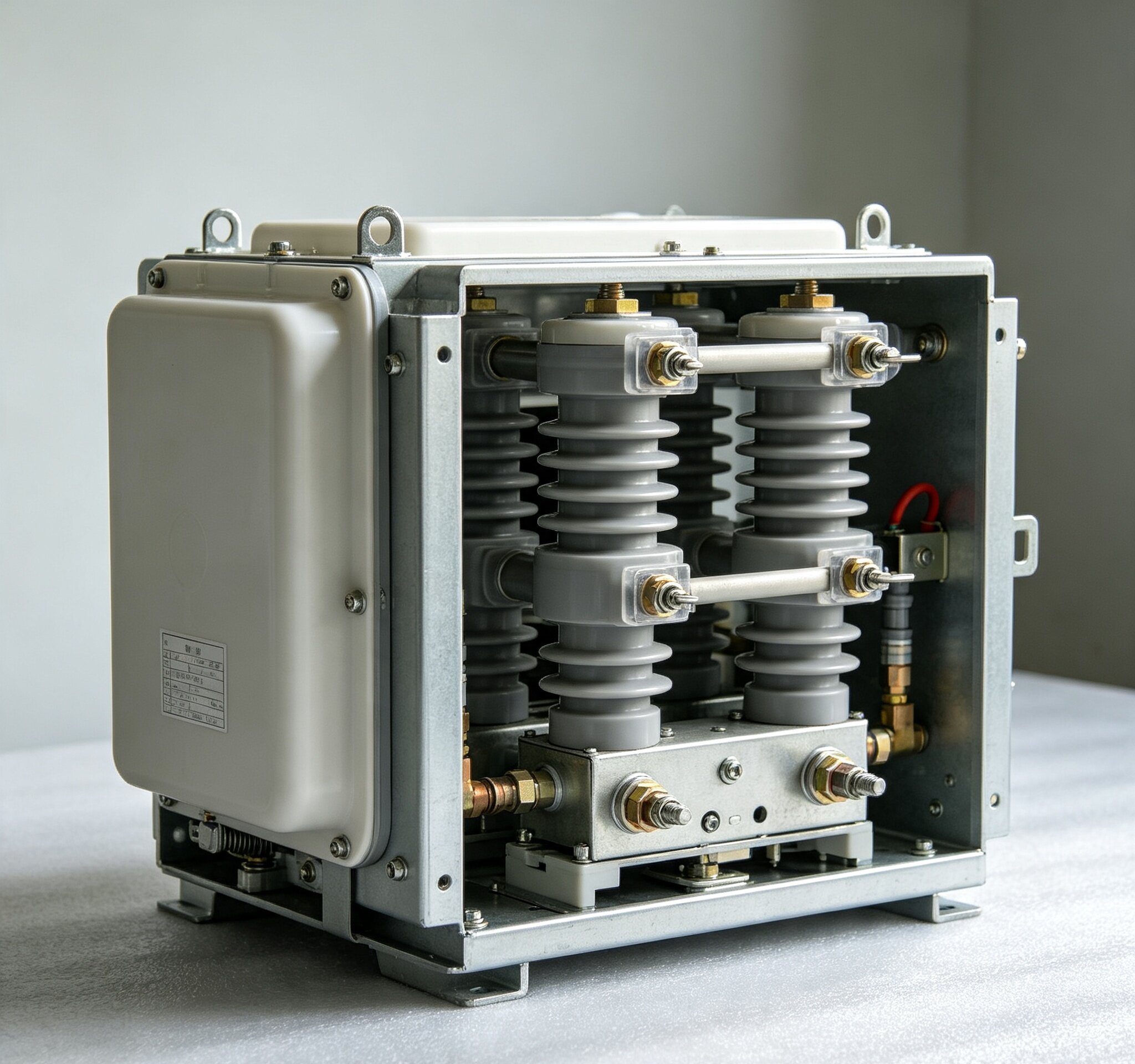
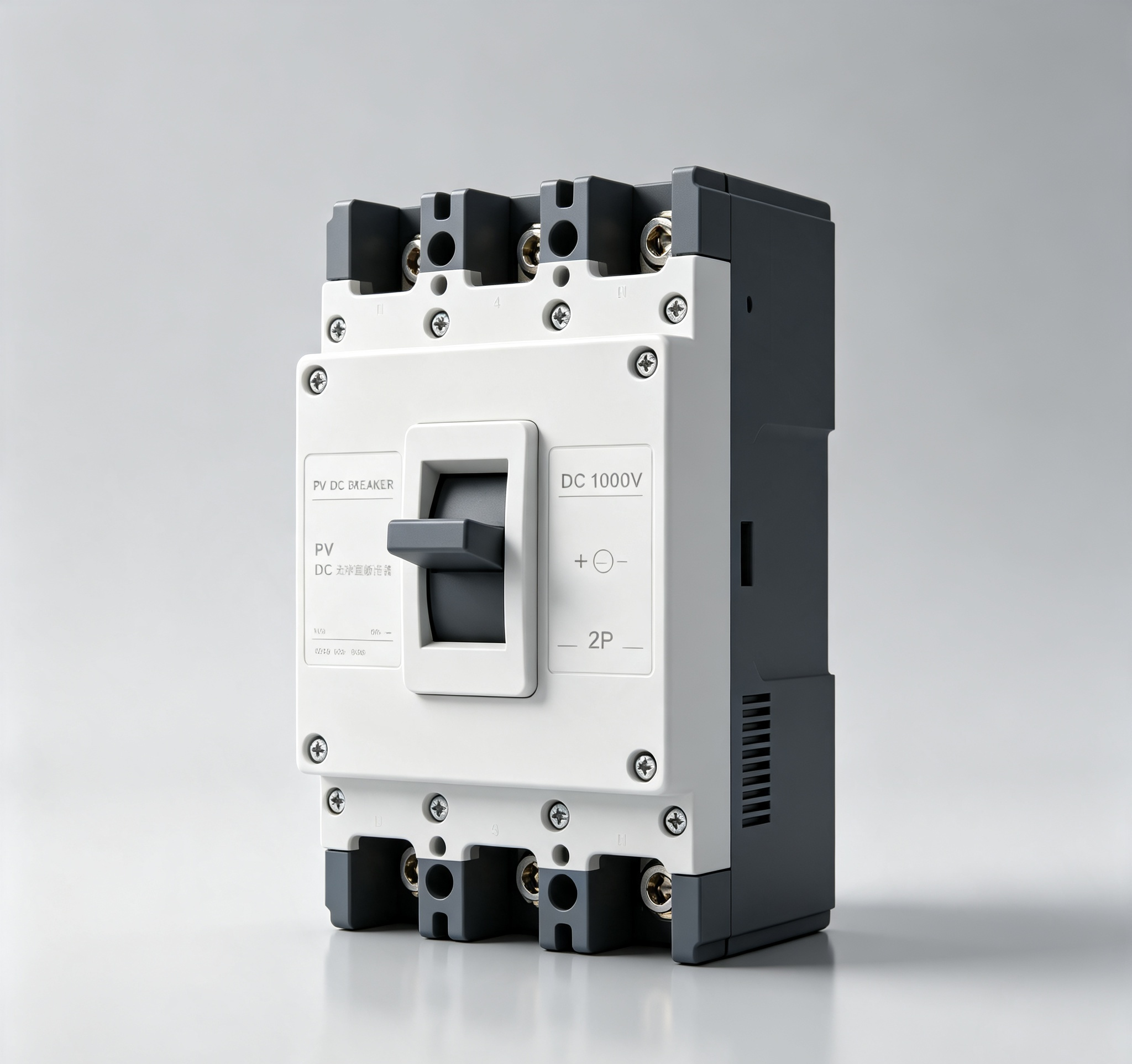
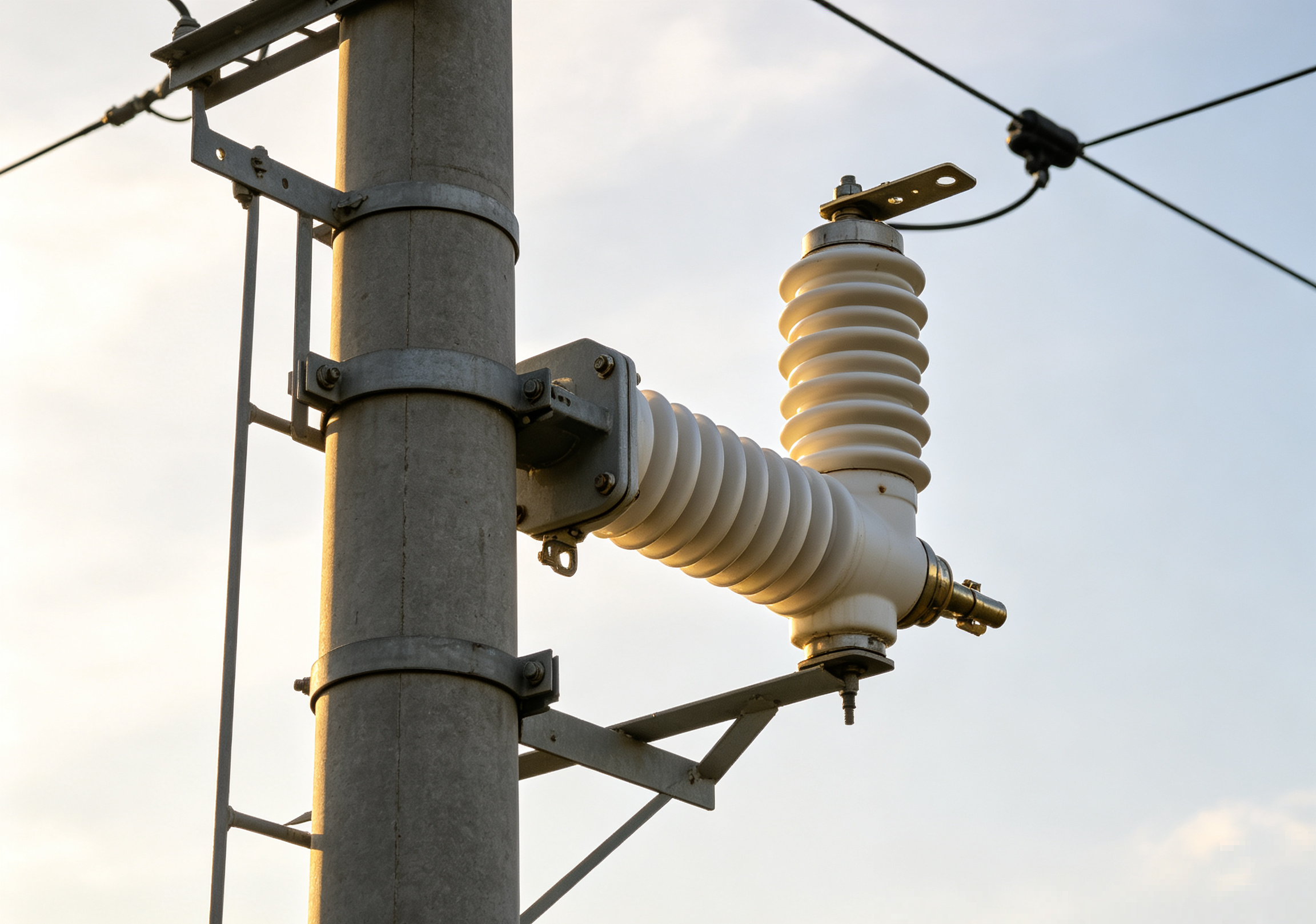
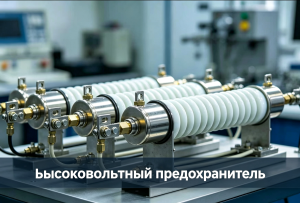
A high-voltage fuse is a switching device with good breaking capabilities and specialized protective properties. This equipment is suitable for use in a variety of high-voltage electrical systems, used in energy facilities, data centers and other facilities that require reliable protection of electrical circuits.
Such installations are designed for long-term operation under variable loads and are able to quickly respond to deviations in network parameters. Thanks to a wide range of protective functions and thoughtful technical parameters, the device supports stable operation of electrical equipment and safe operation of distribution networks.
Multifunctional network protection with high voltage fuse
The high-voltage fuse performs a number of protective tasks: protects against short circuit, overload and phase loss. The device’s functions help reduce the risk of accidents in power grids and ensure stable operation of equipment and distribution networks.
In short circuit protection, a high voltage fuse acts as a specialized protective device for high voltage equipment. If a short circuit occurs in the network, the device quickly disconnects the circuit, reducing the likelihood of serious accidents. The protective properties of the fuse limit the impact of fault current on equipment, help increase the service life of installations and improve the stability of the electrical network.
In overload protection, the high-voltage fuse controls the amount of operating current. If the current exceeds the rated value, the fuse element trips and cuts off the power. This prevents equipment damage and network disruptions. Compared to simple fuse links, a high-voltage fuse has a flexible protection algorithm, quickly responds to parameter deviations and can constantly monitor the state of switched-on equipment.
When protecting against phase loss, the high-voltage fuse monitors the operating mode of the network. When one phase is lost or a single-phase short circuit occurs, the device quickly disconnects the damaged circuit. The operator gets the opportunity to promptly find and isolate the damaged area. This function reduces problems caused by open-phase operation and improves the stability of the power grid.
High Voltage Fuse Performance for Challenging Electrical Environments
In addition to its protective functions, a high-voltage fuse has a number of advantages: stability of operation, resistance to current loads, ease of operation and compliance with environmental standards. These properties make the equipment suitable for indoor and outdoor installations in difficult environments.
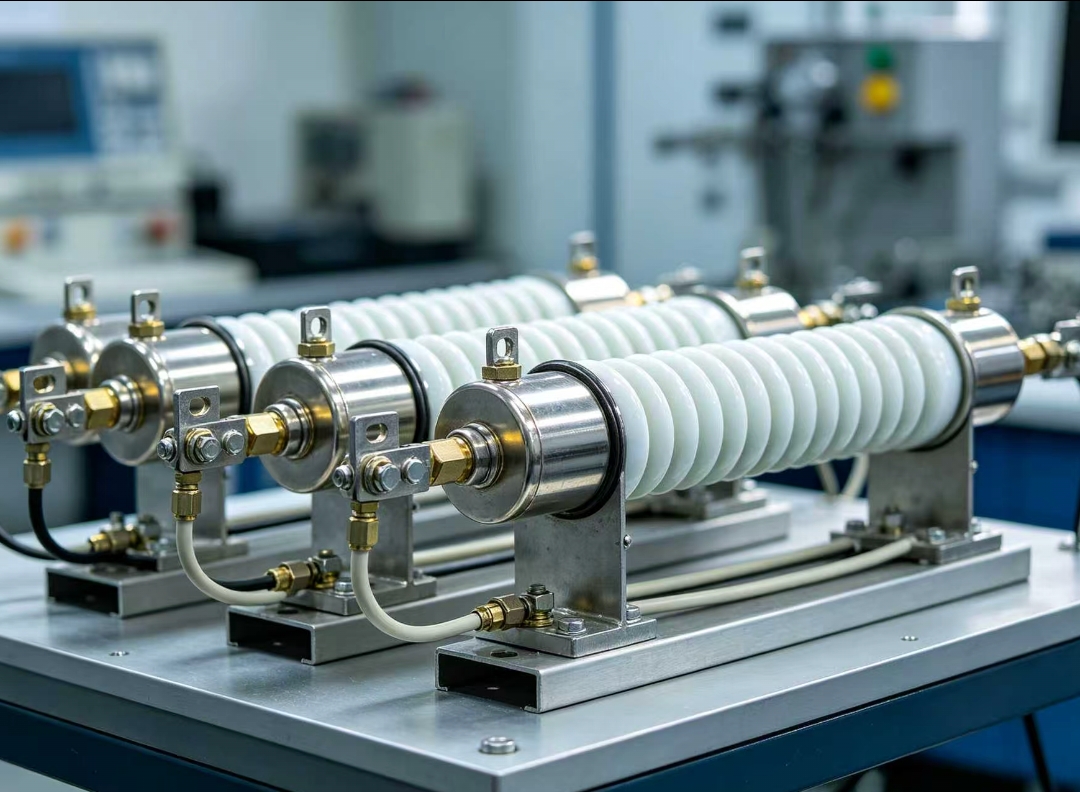
Before being sent to the consumer, each high-voltage fuse undergoes a series of tests. Electrical and mechanical parameters comply with current industry standards. The device maintains stable operation under various operating modes. Installation and maintenance are carried out according to standard procedures, which maintains the safe operation of the equipment for a long period.
The design and materials of the high voltage fuse are selected to withstand current surges, overvoltages and short circuit currents. The device softens the load on the network during accidents and protects connected electrical equipment.
The high-voltage fuse is easy to operate and quickly turns off the circuit in emergency conditions. Compact dimensions simplify installation; the equipment can be installed indoors and outdoors. This reduces installation time and maintenance costs.
Manufacturers follow environmental standards when developing designs and selecting raw materials. Lead and halogen free materials are used for manufacturing. No harmful substances are released during operation. The equipment combines effective protection of power grids and respect for the environment, and complies with the trends in the development of environmentally friendly energy.
Summary of the use of high-voltage fuses
The high voltage fuse combines protection against short circuit, overload and phase loss. Such electrical equipment is characterized by stable operation, resistance to loads, simple maintenance and compliance with current environmental requirements.
Each piece of protective equipment undergoes a set of laboratory tests before being sent to the consumer. Electrical and mechanical testing helps ensure compliance with generally accepted industry standards and ensures reliable operation under changing load conditions.
Monitoring the network condition and timely shutdown of the damaged section allows you to avoid cascading accidents at the facility. The use of such protective elements helps to increase the service life of electrical installations, reduce accidents and improve the safety of distribution networks. Properly selected protective equipment reduces the load on adjacent equipment and simplifies routine technical inspections. Such equipment is used in many segments of the energy industry as an effective means of protecting electrical circuits.
Find out more about the products:
🔗Smart high voltage disconnector 12-252 kV - 6 reasons to choose a new model (qetyandex.cn)