


sealed power transformer
Today we'll talk aboutsealed power transformers. Often, when choosing, the emphasis is on price and technical characteristics, but having accumulated some experience in the field of electrical equipment, I believe that neglecting sealing details can lead to serious problems, and simply to premature failure of expensive equipment. I don’t want to go into general phrases, but straight to the point - what are we going to talk about?
Why is sealing important? – more than just dust protection
At first glance,sealed power transformer– it’s just a transformer, closed in a durable casing. But it's not just about protection from external pollution. An important role is played by preventing the ingress of moisture, dust, and gaseous oil decomposition products that arise during operation. Moisture and contamination can cause short circuits, corrosion of windings and, as a result, failure of the transformer.
I remember one case when we had to disassemble a transformer that was operated in rather harsh conditions - an industrial area, constant dust and temperature changes. Inside we found a significant amount of sediment, which led to a decrease in the dielectric strength of the insulation. Simply changing the oil did not help - serious damage had already been caused to the windings. This was an expensive repair, and, of course, it could have been avoided if a better quality one had been chosen in the first place.sealed power transformerwith reliable sealing.
Types of sealing: from seals to vacuum
There are several basic methods for sealing power transformers. The most common are the use of O-rings and gaskets. But this is only basic protection. In more complex designs, transformer oil is evacuated, which significantly reduces the risk of oxygen entering and, as a consequence, oxidation of the windings. Various types of seals are also used for covers and other housing elements. The choice of sealing method depends on the operating conditions and the required level of reliability.
There are transformers using a special resin to fill the windings. This creates almost complete tightness. This approach is expensive but effective, especially for applications where durability and reliability are critical, such as aviation or marine power. Sometimes, as an additional measure, gas pressure is applied inside the transformer housing, creating an inert atmosphere, which eliminates oxidation and corrosion.
Housing materials and their impact on durability
Housing material is another important factor affecting reliability.sealed power transformer. Most often, galvanized steel is used, but for aggressive environments, stainless steel or special polymer coatings are used. Poor quality coating can lead to corrosion of the housing and reduced sealing. It is important to pay attention to the thickness of the steel and the quality of the welds.
We have repeatedly encountered problems when the transformer housing had welding defects or the coating was not thick enough. This led to rapid destruction of the case and moisture getting inside. Therefore, when choosing a transformer, it is important to carefully check the quality of materials and workmanship.
Selection of sealing materials: rubber, silicone, polyurethane
Sealing materials play a key role in ensuring the sealing of the housing. The most common materials are rubber, silicone and polyurethane. Each material has its own advantages and disadvantages. Rubber is usually cheaper, but less resistant to high temperatures and aggressive environments. Silicone is more resistant to high temperatures and chemicals, but is more expensive than rubber. Polyurethane has high wear resistance and resistance to mechanical stress, but is also more expensive than rubber and silicone.
When choosing a sealing material, it is necessary to take into account the operating conditions of the transformer, including temperature, humidity, the presence of aggressive substances and mechanical loads. An incorrectly selected sealing material can quickly fail and lead to oil leakage and moisture entering the transformer. And, again, this is premature failure and expensive repairs.
Practical experience and common mistakes
In my work, I often encounter the following mistakes when choosing and usingsealed power transformers:
- Incorrect choice of transformer for specific operating conditions.For example, using a transformer not designed to operate in an aggressive environment in an industrial area.
- Failure to comply with installation and commissioning rules.Incorrect installation may result in housing damage and oil leakage.
- Lack of regular maintenance.Insufficient attention to maintenance can lead to reduced housing integrity and premature failure of the transformer.
- Ignoring the manufacturer's operating recommendations.Failure to follow the manufacturer's operating recommendations may result in deterioration of the transformer's performance and reduced service life.
One of the most common cases is the use of low-quality oil. Even the most perfectsealed power transformerwill not work correctly if it uses oil that does not meet the manufacturer's requirements. The oil must be clean, free from impurities and moisture. Regular checking and changing the oil is the key to long and reliable operation of the transformer.
Recommendations and conclusions
In conclusion, I would like to say that the choicesealed power transformeris a responsible process that requires a careful approach and consideration of many factors. Do not skimp on the quality of equipment and forget about the importance of regular maintenance. The right choice and timely maintenance will help avoid costly repairs and ensure reliable operation of electrical equipment.
We, Wenzhou Qiaonasen Electrical Equipment Co., Ltd., specialize in the supply and installation of electrical equipment, includingsealed power transformers. We carefully monitor the quality of the supplied equipment and offer our customers optimal solutions for various operating conditions. You can find more information about us and our range on our website:https://www.qnasen.ru.
Small bonus: leak diagnostics
I want to share a small life hack for checking the tightness of the case. You can use a special ultraviolet flashlight. If there is condensation at the site of the oil leak, it will glow under ultraviolet light. This is not the most accurate method, but it can help identify potential problems early.
Correspondingproducts
Related Products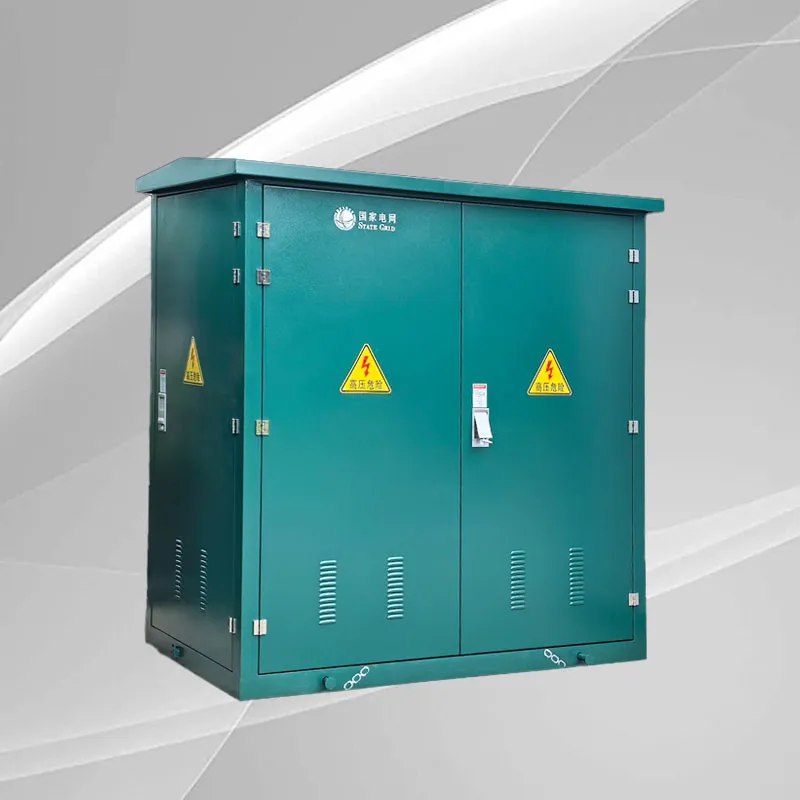


Best Sellingproducts
Best Selling Products-
 Transparent Industrial Automatic Three Phase Four Wire Leakage Proof Switch
-
 Power distribution cabinet
-
 Side vacuum switch
-
 Complete ring distributor with JYSF6-12 full insulation and charging gas
-
 Automatic circuit breaker DZ15 in plastic shell
-
 Circuit breaker transparent
-
 XGN15-12 Gas Insulated Ring Distribution Unit Output Cell
-
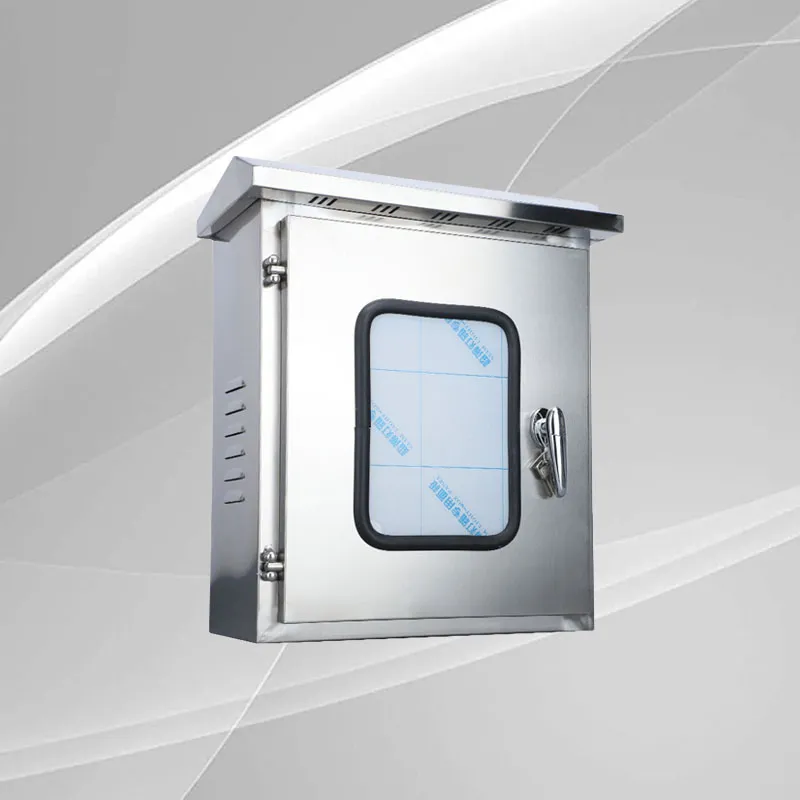 Stainless steel meter panel
-
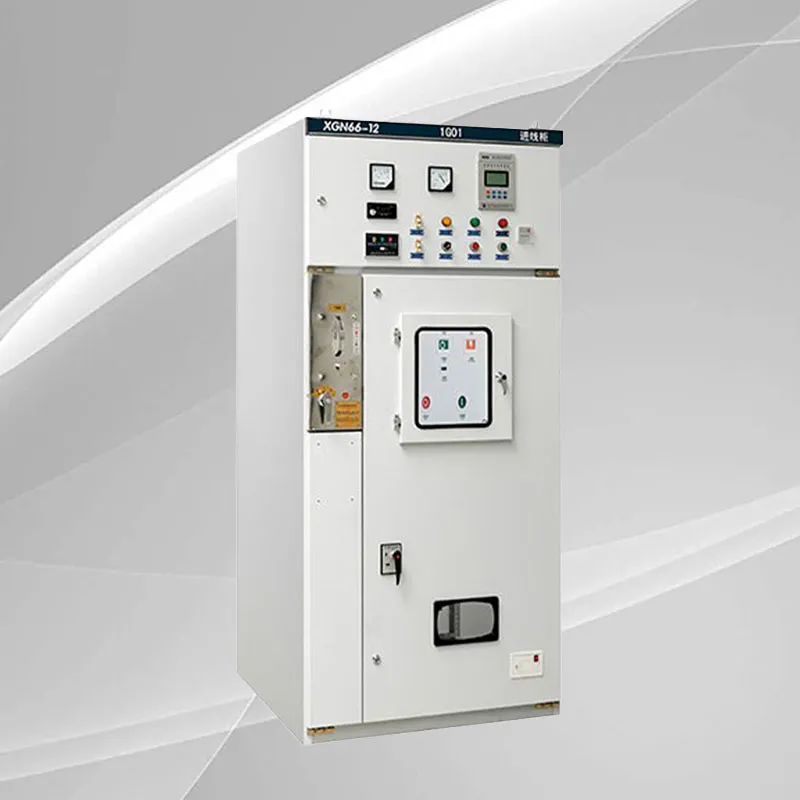 Fixed enclosed switchgear XGN66-12(Z)
-
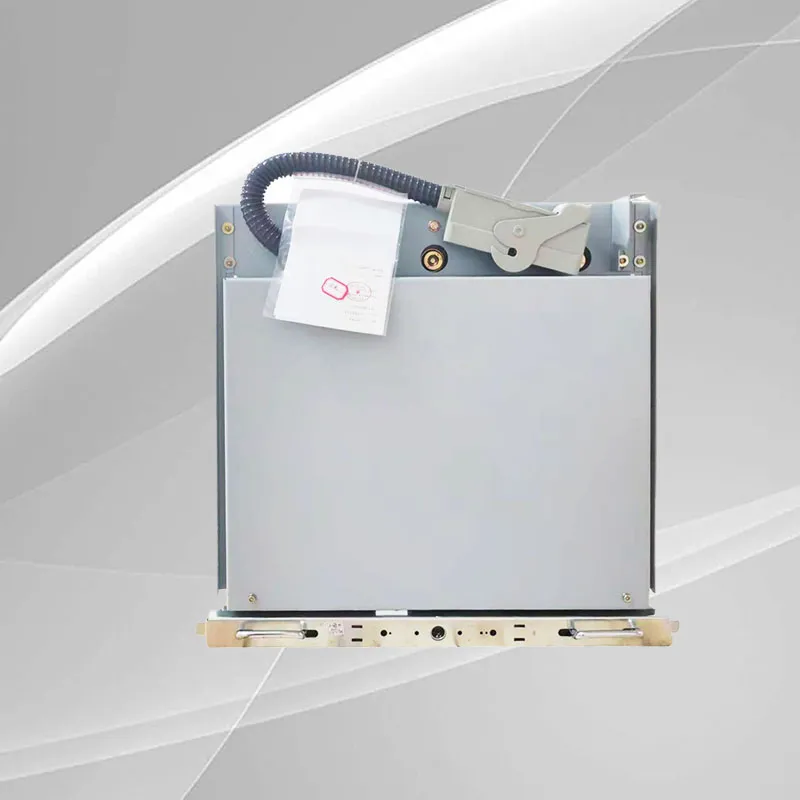 Withdrawable element for electricity metering with duck-type voltage transformers
-
 Outdoor distribution board
-
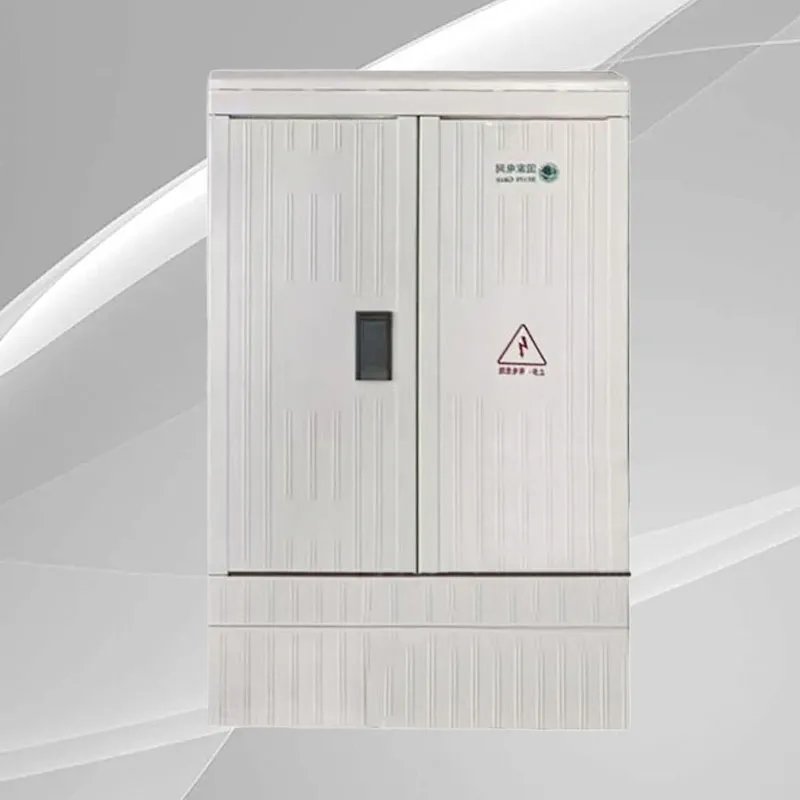 Thickened fiberglass housing for low voltage cable distribution board



