


disadvantages of dry transformers
Dry transformers– this is, at first glance, an ideal solution for many applications. The absence of oil is a plus for safety, environmental friendliness, and ease of installation. But like any technology, they have their drawbacks. This is often overlooked when choosing, focusing only on the benefits. Having seen different projects, I can say that these “disadvantages” are not so harmless, and sometimes they create serious problems. We at Wenzhou Qiaonasen Electrical Equipment LLC have encountered them several times, and today I want to share my observations and experience.
Main limitations and technical difficulties
The first and perhaps most obvious disadvantage ispower restrictions. Dry transformers, as a rule, cannot operate efficiently at very high powers, compared to oil-based analogues. This is due to heat dissipation. The oil in oil transformers not only serves as insulation, but is also an excellent coolant, evenly distributing heat throughout the entire structure. For dry-type transformers, this process is much more complicated and requires a more elaborate cooling system, which increases the cost and complexity of the design. Remember how we developed a transformer for a large industrial enterprise - we had to very carefully calculate the heat dissipation and choose the optimal air cooling system to prevent overheating of the windings.
Another significant disadvantage issensitivity to pollution. If dust, moisture or other contaminants get inside the transformer, it can cause serious problems. Unlike oil-immersed transformers, where the oil protects the windings to a certain extent from external influences, dry-type transformers are much more vulnerable. Even a small amount of dust can increase the insulation resistance and lead to overheating. In practice, we have encountered situations where, due to poor quality air filtration in the room where the transformer is installed, it was necessary to regularly clean the windings. This, of course, is additional costs and just a waste of time.
And, of course, it is worth mentioninghigher cost. Modern dry-type transformers, especially those with high performance and an efficient cooling system, are usually more expensive than oil-based analogues of similar power. This is due to the use of more expensive materials and more complex designs. At the same time, the cost of maintenance must also be taken into account - as I already said, maintaining cleanliness requires special effort.
Thermal conditions: not always easy
A well-thought-out cooling system is a key factor for reliable operationdry transformers. In most cases, fans are used to create air flow through the windings. But there are pitfalls here. Fans are a source of mechanical vibration, and vibration can adversely affect the reliability of the transformer and adjacent equipment. Additionally, fans consume electricity, which increases overall operating costs. We once used a direct air cooling system, where air was blown directly through the windings, without the use of fans. This significantly reduced noise and increased energy efficiency, but made the design more complex and expensive.
Regular monitoring of the winding temperature is a prerequisite for the operation of dry-type transformers. It is necessary to use thermocouples or other temperature sensors and constantly monitor the readings. If the temperature exceeds the permissible values, immediate measures must be taken to prevent overheating and damage to the windings. Our monitoring systems allow us to quickly respond to any deviations from the norm, which helps to avoid emergency situations.
Don't forget about the influence of the environment. Air temperature, humidity and the presence of dust can significantly affect the thermal conditions of the transformer. Therefore, it is necessary to take these factors into account during design and operation. Hot and humid climates require a more powerful cooling system, and dusty areas require a more efficient air filtration system.
Features of installation and operation
Installationdry transformerusually easier than oil. There is no need to lay oil lines or install oil tanks. This saves time and reduces the cost of installation work. But at the same time, it is necessary to ensure reliable fastening of the transformer and provide sufficient clearance for ventilation.
Servicing dry transformers requires care and precision. It is regularly necessary to check the condition of the fans, clean the windings from dust and monitor the readings of temperature sensors. It is also necessary to periodically inspect the transformer for insulation damage.
It is important to remember that dry-type transformers are sensitive to voltage fluctuations in the network. It is recommended to use surge protectors to prevent damage to the windings. In addition, it is necessary to ensure normal operation of the grounding system.
Possible problems and solutions
We encountered a situation where an electric arc discharge formed in the windings of a dry transformer. The reason for this was moisture getting into the insulation. To fix the problem, it was necessary to completely disassemble the transformer, clean the windings of dirt and replace damaged sections of insulation. This case showed how important it is to ensure reliable protection of the windings from moisture.
Another problem we encountered was increased noise from the fans. To solve this problem, we replaced the old fans with quieter models and installed vibration isolators. This made it possible to significantly reduce noise levels and improve the comfort of working conditions.
Don't forget about possible problems with the cooling system. Fans may fail and the air filtration system may become clogged with dust. To prevent these problems, it is necessary to perform regular preventative maintenance on your cooling system.
Conclusion: is it worth choosing a dry transformer?
Dry transformersis a good solution for many applications. They are safe, environmentally friendly and easy to install. But they have their drawbacks that must be taken into account when choosing. Power limitations, sensitivity to contamination and higher cost are significant factors that can affect reliability and operating economy. Therefore, before making a decision, it is necessary to carefully analyze the pros and cons, and select the optimal solution that meets the specific requirements and operating conditions. Ultimately, the choice always remains with the engineer, and experience is the best advisor in this matter. And, as practice shows, sometimes it is worth returning to time-tested oil transformers if the requirements for power and reliability exceed the capabilities of dry ones.
Correspondingproducts
Related Products



Best Sellingproducts
Best Selling Products-
 Outdoor High Voltage Smart Vacuum Circuit Breaker
-
 Outdoor Waterproof Stainless Steel Switchboard
-
 Outdoor Single Phase Waterproof Transparent Plastic Electricity Meter Shield
-
 XGN15-12 Gas Insulated Ring Distribution Unit Output Cell
-
 Low-voltage withdrawable switchgears MNS
-
 Outdoor distribution board
-
 Oil transformer
-
 JYSF6-12 fully insulated gas-filled ring distribution device
-
 Three-phase energy efficient transformer
-
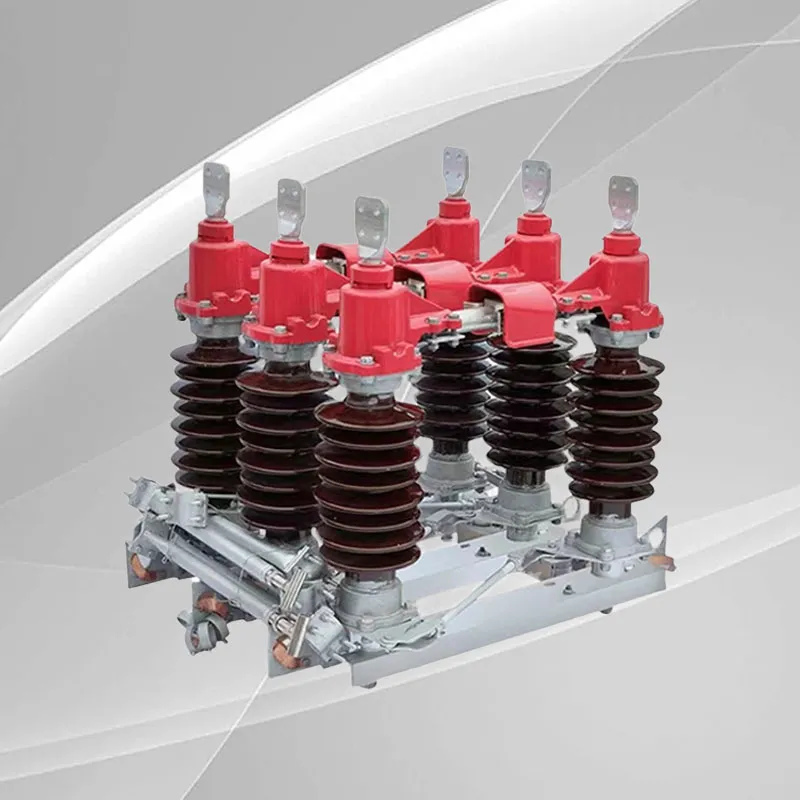 Outdoor high voltage isolating switch type GW4-40.5
-
 High voltage ring cabinet XGN66-12/10kV
-
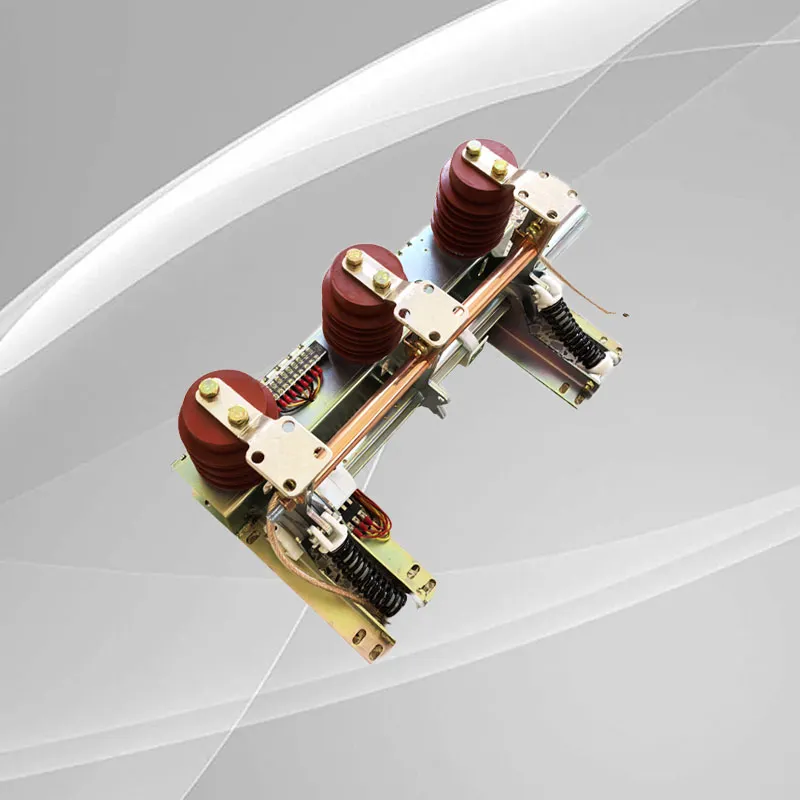 Internal high voltage grounding switch



