


grounding of dry transformers
Grounding of dry-type transformersis a topic that often causes misunderstanding, even among experienced electricians. Many people perceive it as a standard procedure, but in reality it is a whole complex of issues that require a careful approach and consideration of many factors. We will not go into complex theoretical aspects now, but rather share the experience that we have accumulated over the years of working with various models and manufacturers.
The main difficulties when grounding dry-type transformers
The first problem you encounter is the different designs of transformers. There is no one-size-fits-all solution for all types. Some require direct contact of the windings with the housing, while others require the installation of additional grounding bars or conductors. In addition, the grounding characteristics are influenced by the housing material (metal or non-metal), the presence or absence of insulating layers, and even the environment (humidity, temperature).
I remember an incident with a transformer that was brought in for repairs. It would seem that everything is clean: new, without visible damage. But when checking the grounding, it was discovered that the housing was not reliably connected to the ground loop. Moreover, the metal of the case was not just metal, but an alloy with a low electrical conductivity coefficient. We had to completely redo the grounding system, which, of course, increased the repair time and costs.
Effect of housing material on grounding
This is perhaps one of the most underestimated factors. Not every metal conducts current equally well. This is especially true for alloys used in modern transformers. Sometimes, in order to ensure reliable grounding, it is necessary to use special coatings or use additional grounding elements. For example, we often come across transformers in which the body is coated with epoxy resin. In such cases, a special grounding approach is required to ensure sufficient conductivity.
Using standard ground rods screwed directly to the chassis is often not sufficient. In such situations, as a rule, special grounding bars are used, soldered to the case or to special terminals. Wenzhou Qiaonasen Electrical Equipment Co., Ltd. offers a wide range of solutions forgrounding of dry transformers, including special ground bars and conductors designed to suit different types of enclosures.
Recommendations for choosing a grounding system
System selectiongrounding of dry transformers– this is a responsible process. You cannot rely only on general recommendations. There are many factors to consider, including the transformer power rating, insulation type, operating conditions, and safety requirements.
In most cases, a 'spark isolation' grounding scheme is used. This means that the transformer body is grounded using a conductor connected to the ground loop. It is important that this conductor is thick enough to withstand the short circuit current. In addition, it is necessary to ensure a reliable connection of the conductor to the transformer body.
Checking the quality of grounding
After installing the grounding system, it must be checked. For this purpose, special equipment is used to measure grounding resistance. Normal grounding resistance should be no more than a few ohms. If the grounding resistance exceeds the permissible values, measures must be taken to reduce it.
When testing grounding, we use resistance meters of the MTs-50 type, which allow us to obtain accurate and reliable results. It is important not only to measure the grounding resistance, but also to check the integrity of the grounding loop as a whole. This can be done using special equipment that allows you to detect current leaks.
Errors to be avoided when grounding dry-type transformers
There are several common mistakes that are often made when grounding dry-type transformers. One of the most common is the use of conductors that are too thin. This can lead to overheating of the conductors and reduced grounding efficiency.
Another common mistake is poor-quality connection of conductors to the transformer body. This can lead to loose connections and reduced reliability of the grounding system. It is also important to avoid using homemade connections, as they are often unreliable.
Situations where additional protection is required
In some cases, in addition to grounding, additional surge protection for the transformer may be required. For this purpose, lightning protection devices and surge protection devices (SPDs) are used. These devices help protect the transformer from damage caused by lightning and other sources of surge voltage.
Wenzhou Qiaonasen Electrical Equipment Co., Ltd. offers a wide range of surge protectors suitable for various types of transformers. We also provide services for the design and installation of lightning protection systems and SPDs. Our experience allows us to offer optimal solutions to ensure reliable protection of your transformers.
Practical experience: repair and maintenance
In practice, most problems withgrounding of dry transformersarise due to corrosion of connections or damage to grounding conductors. Corrosion can occur due to moisture or aggressive environments. Damage to conductors can be caused by mechanical stress or overheating.
We regularly carry out repairs and maintenance of transformers, including checking and restoring the grounding system. We use special equipment and materials to ensure the reliability and durability of the grounding system.
The need for regular maintenance
Regular maintenance of the grounding system is an important factor in ensuring its reliability. It is necessary to regularly check the condition of connections and grounding conductors, as well as carry out grounding resistance measurements. If any problems are found, corrective action must be taken.
We offer regular maintenance services for transformer grounding systems. This prevents problems from occurring and ensures reliable protection for your transformers.
Conclusion
Grounding of dry-type transformers– this is a responsible task that requires a careful approach and consideration of many factors. You cannot rely only on general recommendations. The type of transformer, operating conditions and safety requirements must be taken into account. Wenzhou Qiaonasen Electrical Equipment Co.,Ltd has the experience and knowledge needed to ensure reliable grounding of your transformers. We are always ready to offer the optimal solution taking into account your individual needs.
Correspondingproducts
Related Products



Best Sellingproducts
Best Selling Products-
 Three-phase energy efficient transformer
-
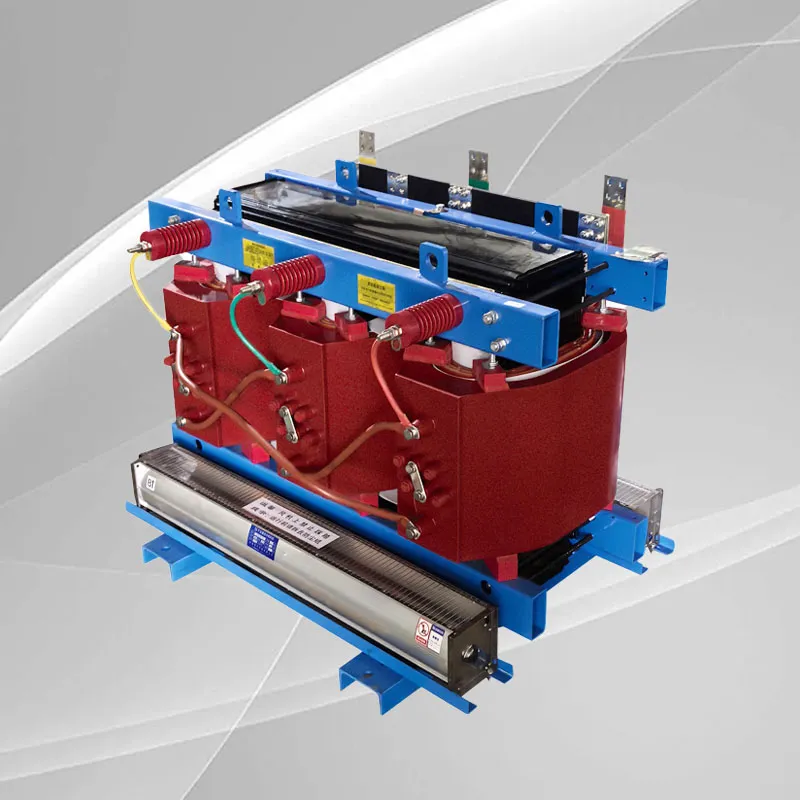 Dry transformer
-
 external isolation switch
-
 Outdoor Single Phase Waterproof Transparent Plastic Electricity Meter Shield
-
 XGN15-12 Gas Insulated Ring Distribution Unit Output Cell
-
 GW9-10 High Voltage Isolation Switch with Ceramic Insulators for Outdoor Installation
-
 Molded Case Circuit Breaker (MCCB), 63A
-
 Transparent circuit breaker with plastic housing
-
 Distribution board for circuit breakers
-
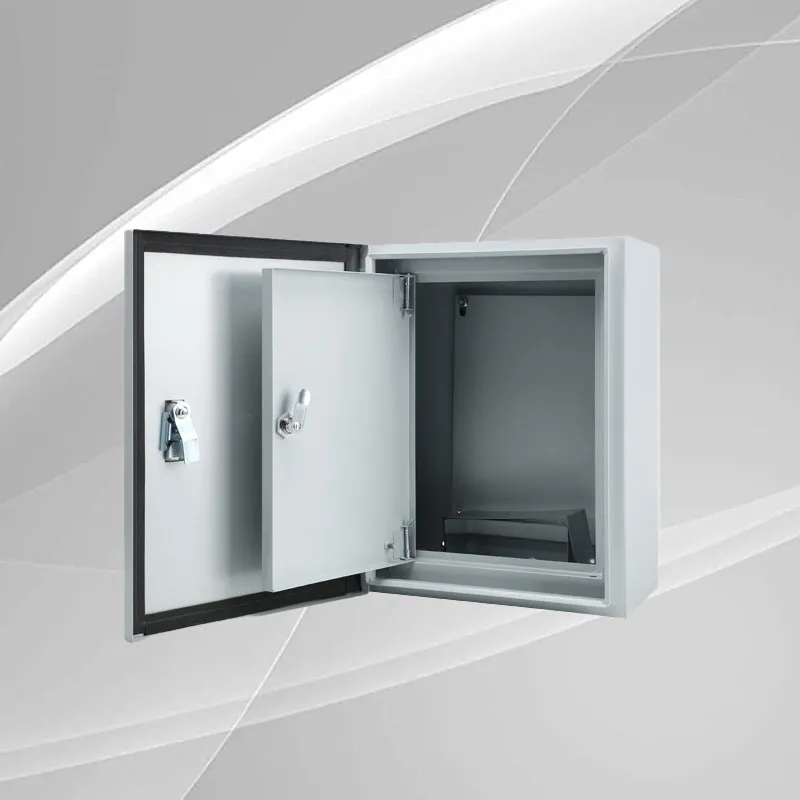 Indoor distribution cabinet with double door
-
 Grid connection cabinet for photovoltaic system made of stainless steel
-
 Oil transformer



