


power transformer insulators
If you are looking for information aboutpower transformer insulators, then, most likely, you are faced with a huge number of theoretical descriptions, specifications and, frankly speaking, not always understandable formulas. Often, discussions are dominated by the 'ideal insulator' approach, ignoring actual operating conditions. But in our work, at Wenzhou Qiaonasen Electrical Equipment LLC, we often have to deal with the fact that theoretical beauty does not always coincide with practice. This is more of a 'guessing game' with elements of experience than strict mathematics.
What are we looking at?
In this article I want to share my experience and observations regardingpower transformer insulators. We'll look at the main types of insulators, common problems encountered during operation, and some techniques to increase their lifespan. I will speak simply, as in the workplace, without being too academic. Our company specializes in high and low voltage transmission and distribution solutions and electrical control systems in the power equipment industry, so our experience is practical, not theoretical.
Main types of power transformer insulators
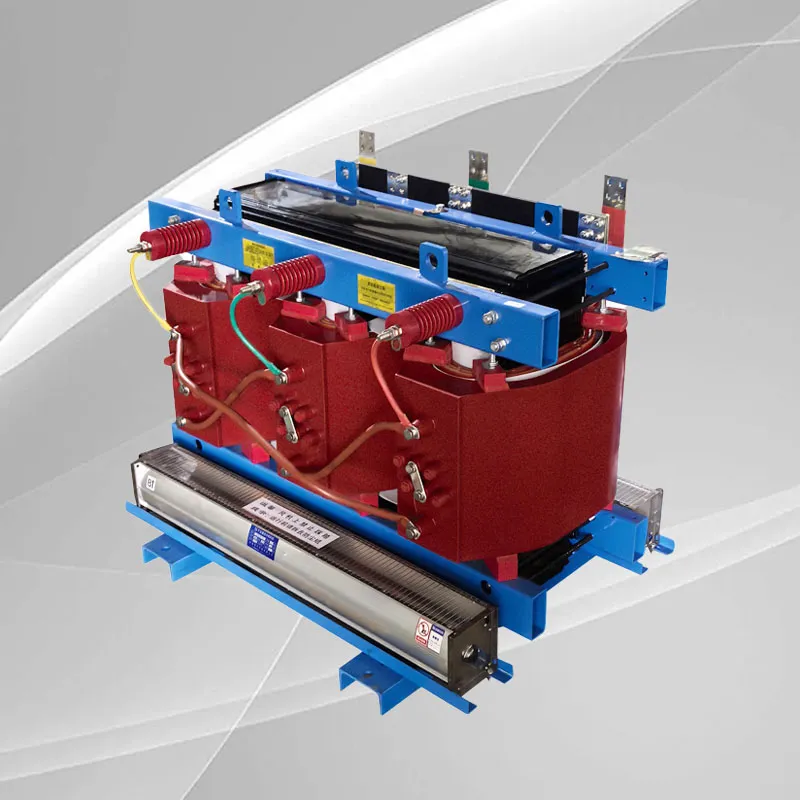
Traditionally, there are several main types: ceramic, polymer, glass. Ceramic is a time-tested classic. They are quite reliable and durable, but have limitations in size and cost. Polymer ones, usually made of epoxy resins or polypropylene, are lighter than ceramic ones and have good dielectric properties, but are more sensitive to overheating and environmental influences. Glass insulators, although less common in modern transformers, are still found in older models.
Problems encountered during operation
The most common problem is contamination of the insulator. This could be dust, salt, soot - all this reduces the dielectric strength and can lead to breakdown. Incorrect installation, vibration and overload also negatively affect the durability of insulators. We often see cases where insulators fail due to static electricity, especially in dry climates. The problem is aggravated if the transformer is operated in conditions of high humidity or pollution.
For example, we recently worked with a transformer that was constantly failing due to salt deposits on the surface of the insulator. The problem was solved by installing a system for cleaning the insulator from contamination using a special electrolyte. This is not a panacea, of course, but it has significantly increased the service life of the equipment. We offer similar solutions as part of a comprehensive service for the transformer fleet.
Methods for increasing insulation reliability
Various methods are used to improve the reliability of insulation. This may include regular cleaning of insulators, the use of protective coatings, installation of cooling systems, and the use of insulators with increased dielectric strength. It is important to select the correct insulators for specific operating conditions. For example, for transformers operating in aggressive environments, it is preferable to use polymer insulators with protective coatings.
Monitoring the condition of insulators
Regular monitoring of the condition of insulators allows you to identify potential problems at an early stage and prevent accidents. Various inspection methods are available, including visual inspection, dielectric strength measurements and thermography. Thermography is particularly effective at identifying hot spots in insulation that may indicate defects or contamination. We use thermography as part of our service contracts, this allows us to quickly respond to problems that arise.
Errors when choosing insulators and their consequences
A common mistake is the wrong choice of insulator according to its parameters. For example, incorrect calculation of the dielectric strength or failure to comply with the manufacturer’s recommendations for permissible temperature. This can lead to premature failure of the insulator and, as a result, costly repairs or replacement of the transformer. Components are often ordered from questionable sources that do not meet the stated specifications. This leads to unpredictable consequences and does not justify the costs.
At Wenzhou Qiaonasen Electrical Equipment LLC, we pay special attention to the quality of the materials used and compliance with all technical requirements. We cooperate only with trusted suppliers and conduct careful product quality control.
Conclusion
In conclusion, I want to say thatpower transformer insulators- This is an important element of the energy system, on the reliability of which the uninterrupted power supply depends. Understanding the basic principles of operation and common problems, as well as the use of modern control and protection methods, can significantly increase their service life and reduce the risk of accidents. As practice shows, prevention is always cheaper than repair, and careful selection of components is the key to long-lasting and reliable operation of the equipment. I hope my experience at Wenzhou Qiaonasen Electrical Equipment Co.,Ltd has been helpful to you.
Correspondingproducts
Related Products

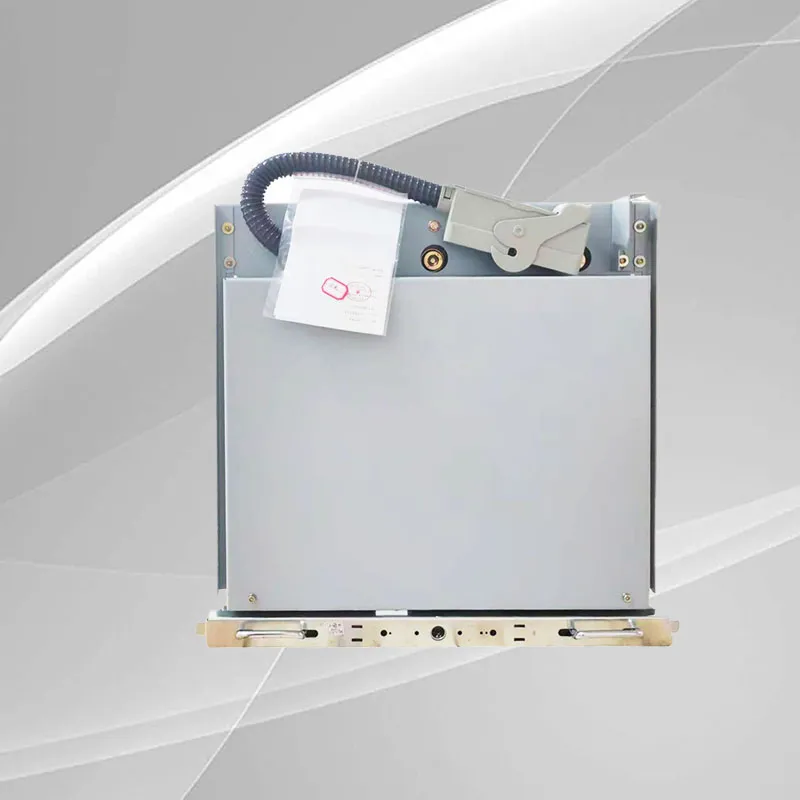


Best Sellingproducts
Best Selling Products-
 Circuit breaker transparent
-
 Miniature circuit breaker
-
 Oil transformer
-
 Low-voltage withdrawable switchgears MNS
-
电动智能户外柱上高压真空断路分合闸开关.2.webp) ZW7-40.5 (side mounting) is an intelligent outdoor high-voltage vacuum circuit breaker with electric drive.
-
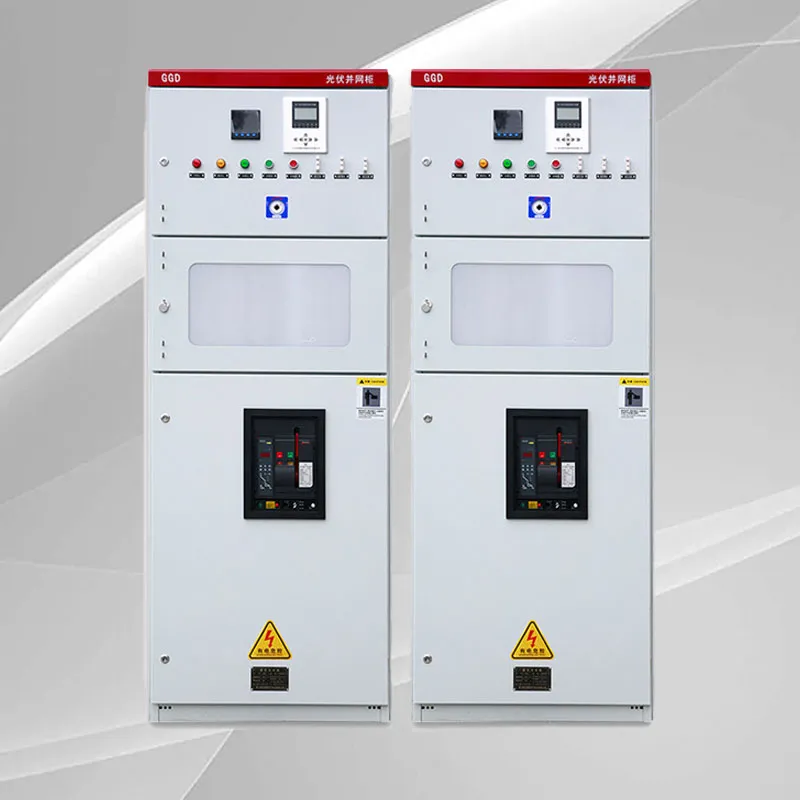 GGD cabinet for network connection of photovoltaic systems
-
 Switchgear with ATS BRSM
-
 JYSF6-12 fully insulated gas-filled ring distribution device
-
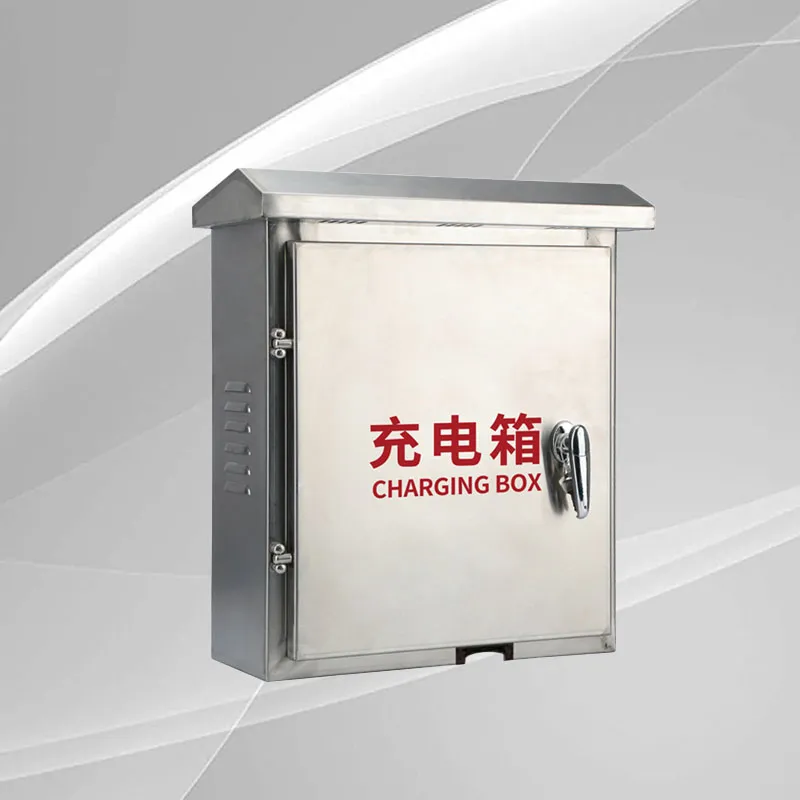 Outdoor electric charging cabinet
-
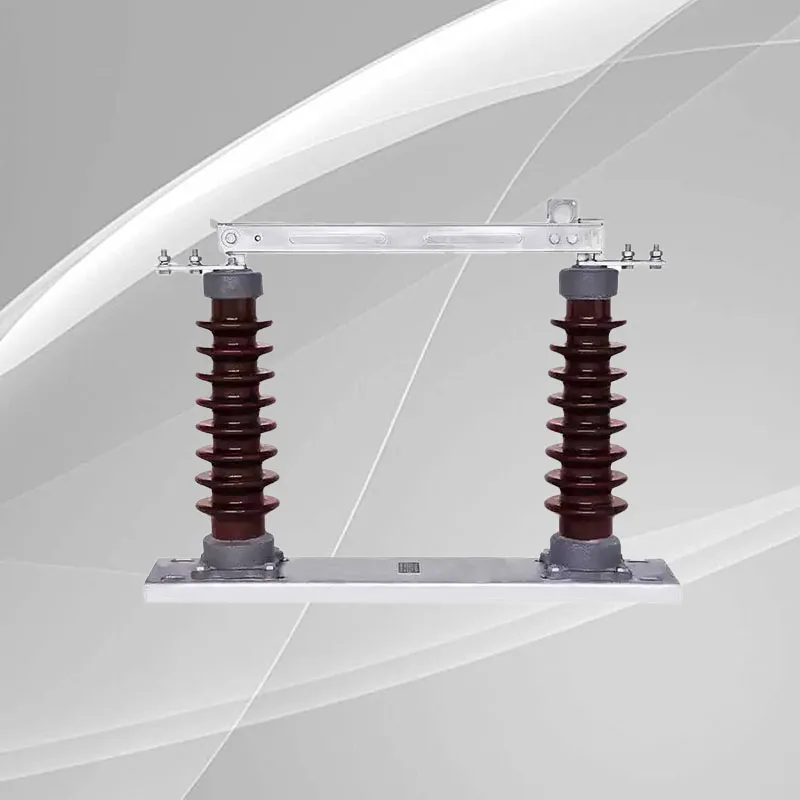 Outdoor high voltage disconnector type GW9
-
 Dry transformer
-
 Internal power distribution cabinet



