


Dry type transformers
Dry transformers– a topic that I have been working with for more than ten years. Often, when it comes to choosing a transformer substation, many are immediately inclined tooil transformers. This is an understandable desire, since oil is traditionally used for cooling and insulation, and there is an established belief in its reliability. However, as practice shows,dry transformersin certain situations they are not only comparable, but also superior to their “oil” counterparts. In this article I will share my experience working withdry transformers, I’ll tell you about their advantages and disadvantages, and give several examples from real life, including some that are not the most successful.
Why choose dry transformers? – main advantages
The first thing that catches your eye is safety.Dry transformers, as the name suggests, do not contain oil, which completely eliminates the risk of leakage of flammable liquid and, as a result, fire. This is especially important for premises with increased fire safety requirements - offices, shopping centers, hospitals. We at Wenzhou Qiaonasen Electrical Equipment Co., Ltd. often encounter requests for installationdry transformersin similar objects. And, frankly, this is quite logical. Safety is often more important than some minor inconvenience.
Another significant plus is environmental friendliness. The absence of oil reduces the likelihood of environmental pollution in the event of an accident. Although this is not always noticeable in day-to-day work, it is an important factor for today's environmentally responsible businesses. The fences that we install for our customers, as a rule, comply with all environmental legislation requirements, and the choicedry transformers– part of an integrated approach to minimizing negative impacts.
Of course, ease of installation is also important.Dry transformersusually smaller and lighter than oil-based ones, which simplifies the installation process and reduces installation costs. In addition, they do not require special rooms with ventilation, which also makes the task easier. In some cases, this can significantly reduce the project implementation time. For example, we once worked on the reconstruction of an old plant, where it was not possible to organize a full-fledged ventilation system for an oil transformer. Go todry transformerallowed us to avoid additional difficulties and costs for modernizing premises.
Cons to keep in mind
It can't be said thatdry transformersperfect. One of the main disadvantages is the higher cost compared to oil ones. This is due to a more complex design and the use of more expensive materials. In a highly competitive environment, this can be a deciding factor in your choice. We always try to offer the best value for money, but in some cases we have to admit thatdry transformerswill be more expensive.
Another point that requires attention is the power limitation. To datedry transformersavailable in a smaller power range than oil engines. Although manufacturers are constantly working to expand their range, for very powerful installations oil transformers remain the preferred option. But in most cases, for medium and low-power substations,dry transformersare quite capable of solving the assigned tasks.
By the way, about power. Sometimes there is a misunderstanding thatdry transformerscool worse. This is not entirely true. Modern models are equipped with various cooling systems - natural convection, forced ventilation, and sometimes even liquid cooling. The choice of cooling system depends on specific operating conditions and reliability requirements.
Work experience: specific examples
We often encounter situations where customers initially want to install an oil transformer, but then reconsider their choice in favor ofdry transformer. This is especially true for facilities located in densely populated areas or near residential buildings. In these cases, safety and absence of noise become priority factors.
Example: we recently installeddry transformer300 kVA capacity in an office building. The client initially planned to install an oil transformer, but after consultation with us, he decided to choosedry transformerwith ventilation cooling. This avoided noise problems and ensured increased fire safety. The client was very pleased with the result.
However, there are also unsuccessful examples. One day we establisheddry transformerinto a room with poor ventilation. As a result, the transformer overheated, which led to a decrease in its service life. This case showed us how important it is to choose the right cooling system and ensure sufficient air exchange.
Maintenance and Operation
Maintenancedry transformers, as a rule, simpler than oil ones. There is no need to regularly monitor the oil level and replace it. However, it is necessary to regularly check the condition of the cooling system, clean the transformer from dust and ensure adequate ventilation. We offer maintenance servicesdry transformers, which allows our customers to be confident in the reliability and durability of the equipment.
It is important to remember the operating rules. Do not allow moisture to enter the transformer; you must regularly check the condition of the insulation and ensure that there are no flammable materials around the transformer. Following these simple rules will extend the service life.dry transformerand avoid unpleasant situations.
In conclusion
Dry transformers- This is a worthy alternative to oil transformers. They have a number of advantages - safety, environmental friendliness, ease of installation. However, it is necessary to take into account their disadvantages - higher cost and power limitations. Choice betweendry transformerand oil depends on specific operating conditions and reliability requirements. We at Wenzhou Qiaonasen Electrical Equipment Co.,Ltd are always ready to help our customers make the right choice.
If you have questions about selection, installation or maintenancedry transformers, contact us. We will be happy to help you find the optimal solution.
Correspondingproducts
Related Products


电动智能户外柱上高压真空断路分合闸开关.2.webp)

Best Sellingproducts
Best Selling Products-
 Miniature circuit breaker
-
 Outdoor distribution cabinet made of 201 steel
-
 Side vacuum switch
-
 High Voltage Vacuum Circuit Breaker
-
 Outdoor Waterproof Stainless Steel Switchboard
-
 Oil power transformer
-
 Metal Enclosed Stationary AC Switchgear XGN15-12
-
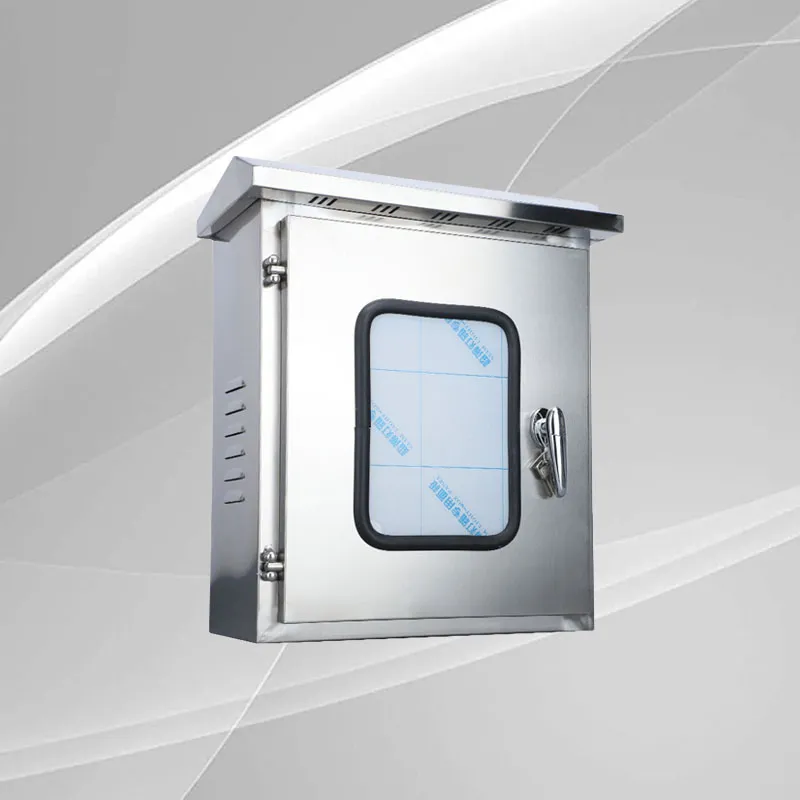 Stainless steel meter panel
-
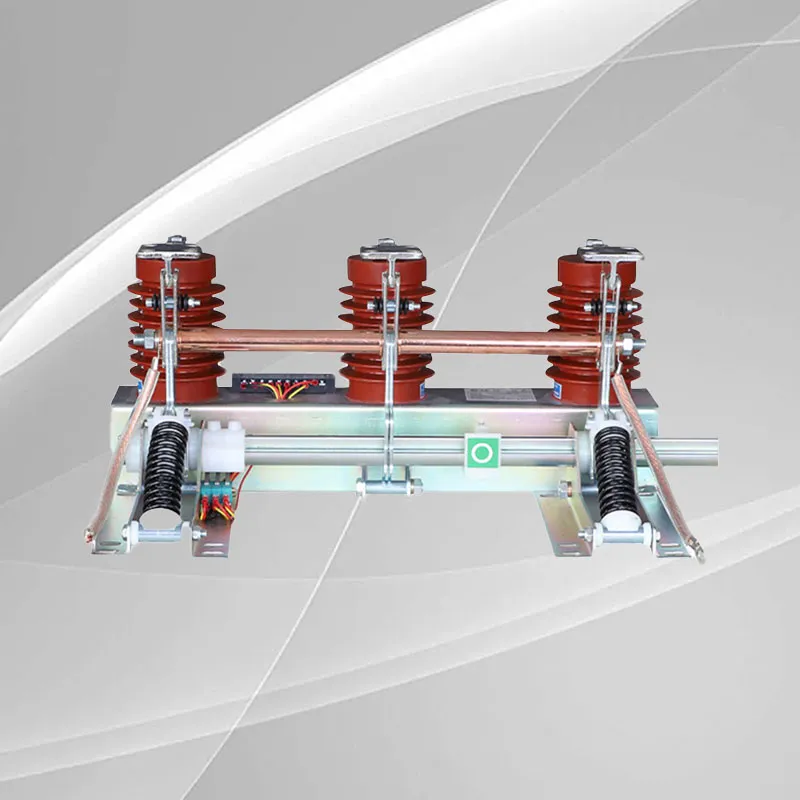 Indoor high voltage earthing switch type JN15
-
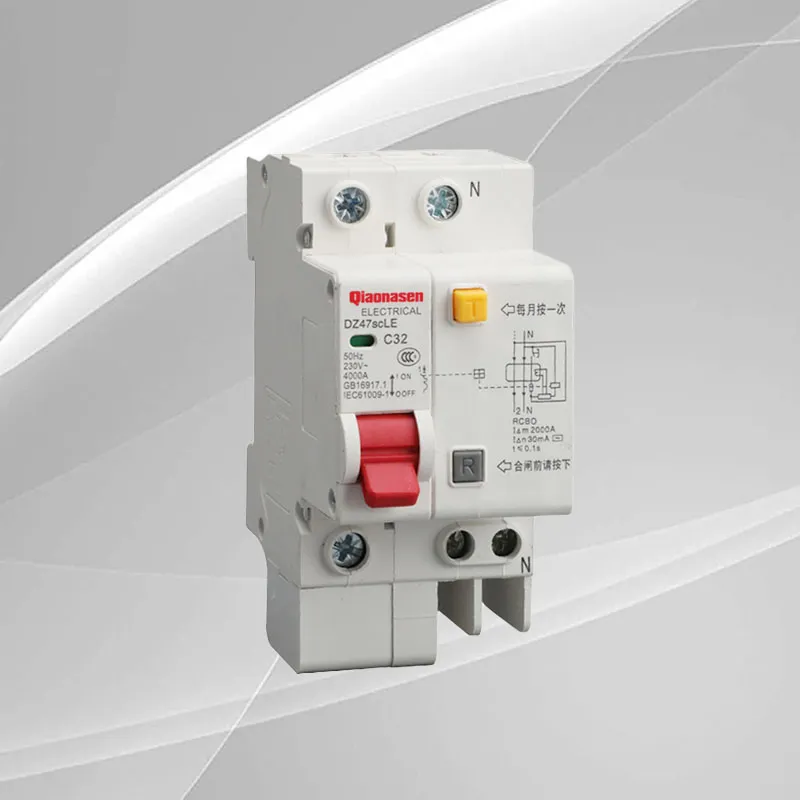 Residual current device with plastic housing
-
 Indoor High Voltage Isolation Circuit Breaker with Ceramic Insulators
-
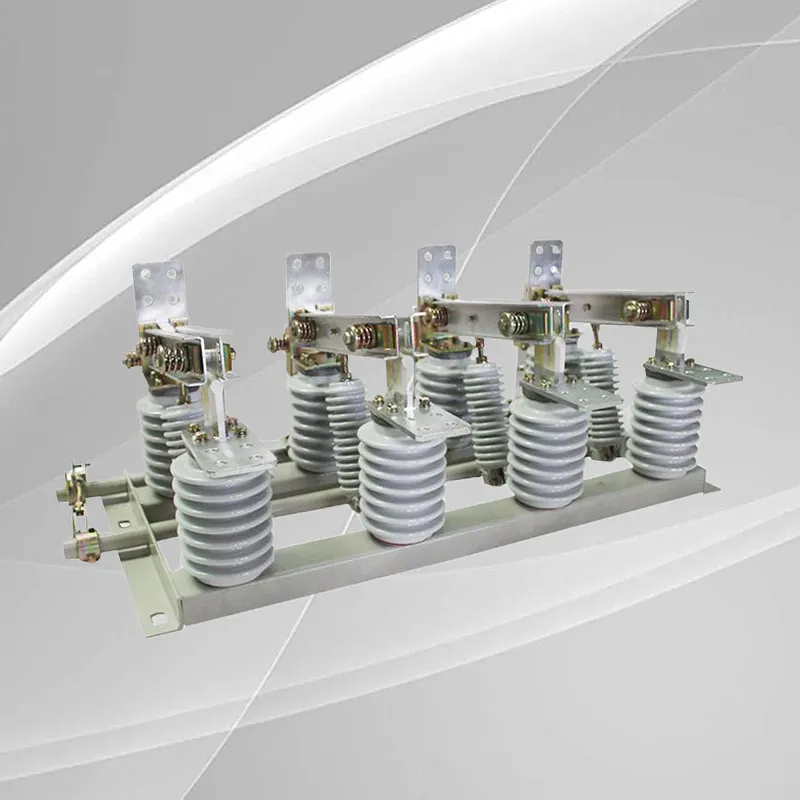 High voltage isolation switch GN24-12 for indoor use
Relatedsearch
Related Search- China what is the power of power transformers
- China dry power transformers 6 0 4 main buyer
- distribution board iek prime
- circuit breaker 3d
- China power transformer equipment
- distribution board price
- power transformers 40000
- China leaking power transformer main buyer
- China power transformer 10 0.4 kv main buyer
- China power transformer 10kv



