


monitoring of dry transformers
Dry-type transformer monitoring– a topic that, at first glance, seems simple. All these temperatures, oils, visual inspection... But in practice, you know, it is much more complicated. Often they see only numbers, without thinking about hidden factors, operating modes, and forecasting failures. People believe that it is enough to periodically measure the temperature of the windings and oil. But this is just the tip of the iceberg. In my experience, it is an integrated approach that is the basis for the reliable operation and durability of these devices.
Why is an integrated approach to control important?
A simple temperature measurement is of course useful. But this is just an indicator. High temperatures can indicate a variety of reasons - from overload to ventilation problems or, worse, insulation degradation. Ignoring other options such asinsulation condition, presence of cracks and other defects, results of non-contact testing– this is the risk of unplanned repairs, and in the worst case – failure of the transformer. For example, I saw a transformer that showed a completely normal winding temperature, and a few months later it was turned off due to a breakdown. And the reason turned out to be precisely the deterioration of the insulation condition, which was not detected during standard monitoring.
In addition, it is important to consider the operating mode of the transformer. If the transformer operates in long-term overload mode, then the temperature of the windings will be higher than during normal operation. Therefore, it is necessary to take this into account when interpreting the data obtained. Otherwise, you may mistakenly take an increase in temperature as a sign of a malfunction, when in fact everything is fine. This, of course, leads to unnecessary diagnostic costs and potentially unnecessary measures to 'fix' a problem that does not exist at all.
Visual Inspection: The First Step to Finding Problems
Yes, it’s trivial, but visual inspection is an important partcontrol of dry transformers. It is at this stage that you can notice cracks in the housing, traces of oil leakage (albeit in a dry transformer, the leak may be in the insulation), and damage to the ventilation holes. You should not neglect checking the condition of the connections, especially for corrosion or loosening. I have often encountered situations where it was minor corrosion of connections that led to overheating and subsequent problems.
A recent case that I remember: at one of the facilities we discovered a crack in the transformer housing. The crack was small, but, as it turned out later, it was caused by an impact during transportation. If we had not carried out a visual inspection, we might not have noticed this crack and would not have prevented serious consequences.
Non-contact inspection: a modern approach to condition assessment
Modern non-contact monitoring methods allow you to assess the condition of the insulation, identify defects and potential problems without the need to disconnect the transformer from the network. It's very convenient and safe. Various technologies are used - thermography, ultrasonic testing, electrical testing. Thermography, for example, allows you to see 'hot spots' on windings, which may indicate hidden defects. Ultrasonic testing allows you to identify cracks and other defects in the housing and insulation.
We at Wenzhou Qiaonasen Electrical Equipment LLC actively use non-contact control methods when working with dry-type transformers. This allows us to identify problems at an early stage and prevent serious breakdowns. This is especially true for transformers that operate in difficult conditions - for example, in conditions of high humidity or pollution.
How to interpret the results of contactless control?
Interpretation of non-contact inspection results requires experience and knowledge. It is important to take into account the normal parameters of the transformer and compare the data obtained with them. Don't jump to conclusions based on just one measurement. Context and other factors must be taken into account, such as the transformer's operating mode and history. In some cases, additional research is required to confirm or refute the diagnosis.
We must not forget about the influence of external factors on the results of non-contact control. For example, the ambient temperature can affect the winding temperature and therefore the thermography results. Therefore, it is important to consider these factors when interpreting the data obtained. We often see in the operation of transformers, especially outdated ones, inflated insulation values that do not correspond to the real condition. This requires more detailed diagnostics, and not just making a decision based on contactless control data.
Oil Analysis and Gas Monitoring: Additional Techniques for Condition Assessment
Although dry-type transformers do not contain oil, analysis of the gases generated in the insulation is an important indicator of condition. The appearance of gases (hydrogen, oxygen, methane) indicates degradation of the insulation and may indicate an impending failure. This is especially true for older transformers where the insulation is already subject to degradation.
We often carry out gas analysis for transformers that operate in difficult conditions or have a long operating history. The results of gas analysis allow us to assess the condition of the insulation and take measures to prevent serious damage. If necessary, the insulation can be regenerated to extend the life of the transformer. Regeneration is the process of restoring insulation, as a result of which degradation products are removed and its properties are restored.
On the one hand, this is an expensive procedure. On the other hand, it is much cheaper and safer than repairing or replacing a transformer. The main thing is to identify the problem in a timely manner and carry out regeneration. At the same time, it is important to consider that regeneration is not a panacea. It may extend the life of the transformer, but will not return it to original performance.
Conclusions and recommendations
Dry-type transformer monitoringis a complex and multifaceted process that requires experience, knowledge and an integrated approach. You cannot limit yourself to just measuring the temperature of the windings. It is necessary to take into account other parameters - the state of insulation, the presence of defects, the operating mode of the transformer and other factors. Modern non-contact inspection methods make it possible to identify problems at an early stage and prevent serious breakdowns.
We recommend regularmonitoring of dry transformersusing all available methods - visual inspection, non-contact control, gas analysis. This will ensure reliable operation and durability of these devices. Wenzhou Qiaonasen Electrical Equipment Co., Ltd. is always ready to provide professional services for monitoring and diagnostics of dry-type transformers.
Correspondingproducts
Related Products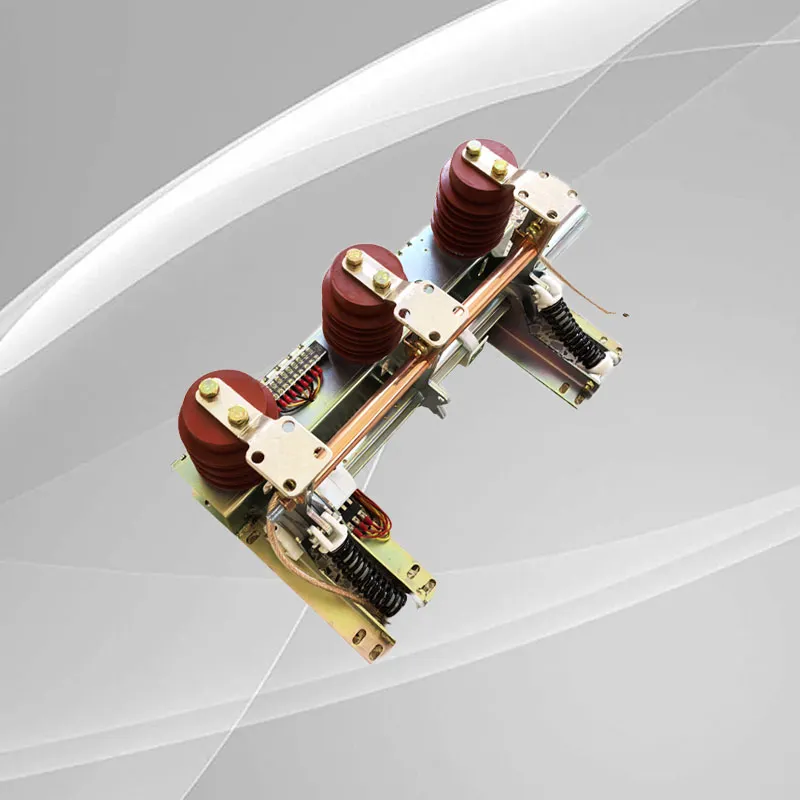


Best Sellingproducts
Best Selling Products-
 Explosion Proof Oil Induction Voltage Regulator
-
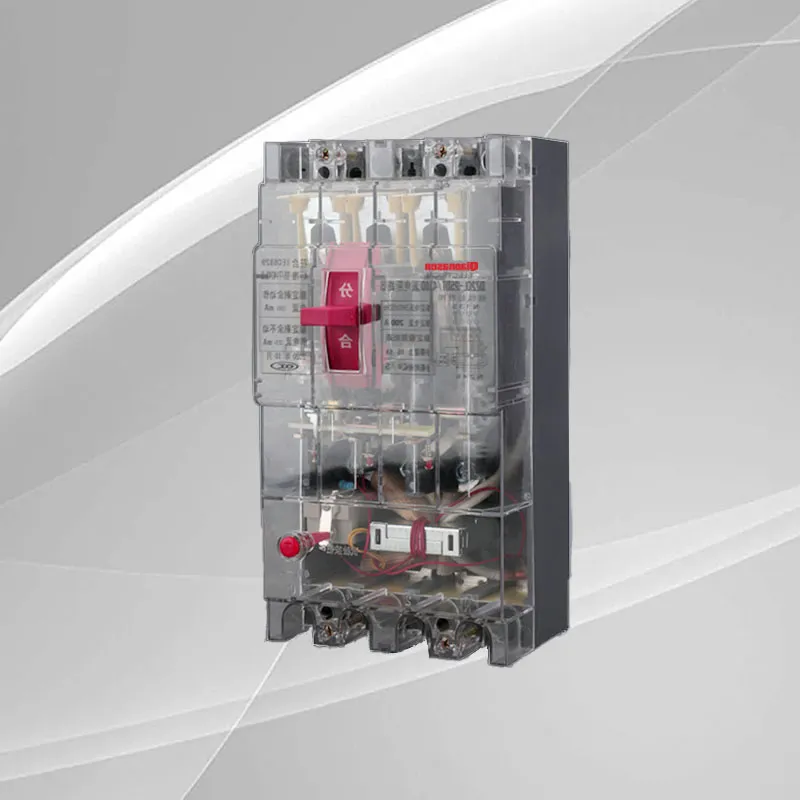 Circuit breaker with transparent plastic housing
-
 Outdoor waterproof distribution cabinet
-
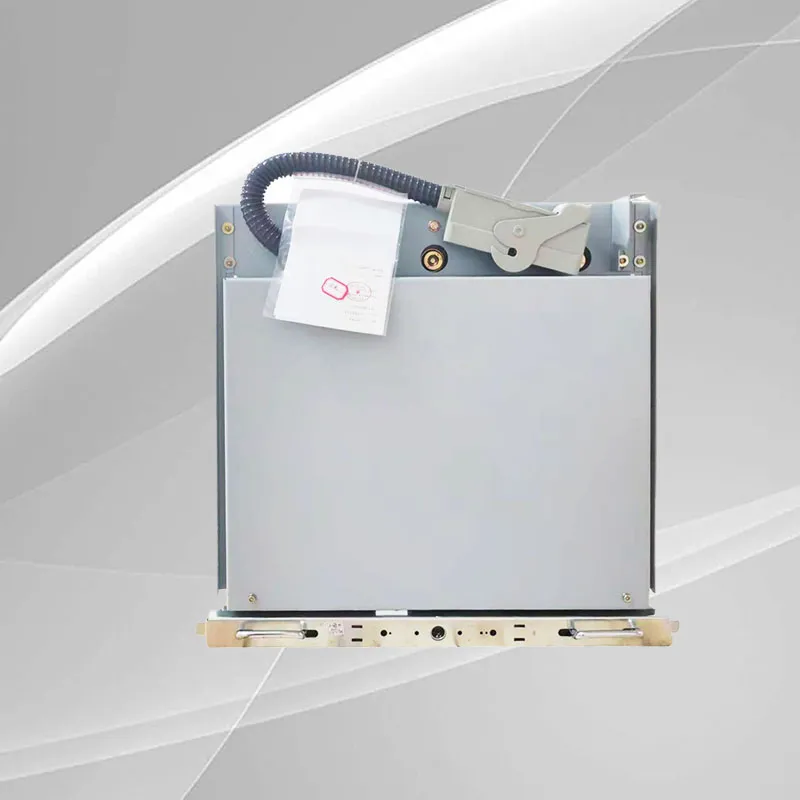 Withdrawable element for electricity metering with duck-type voltage transformers
-
 Transparent Industrial Automatic Three Phase Four Wire Leakage Proof Switch
-
 Outdoor High Voltage Smart Vacuum Circuit Breaker
-
 Internal power distribution cabinet
-
 Metal Enclosed Stationary AC Switchgear XGN15-12
-
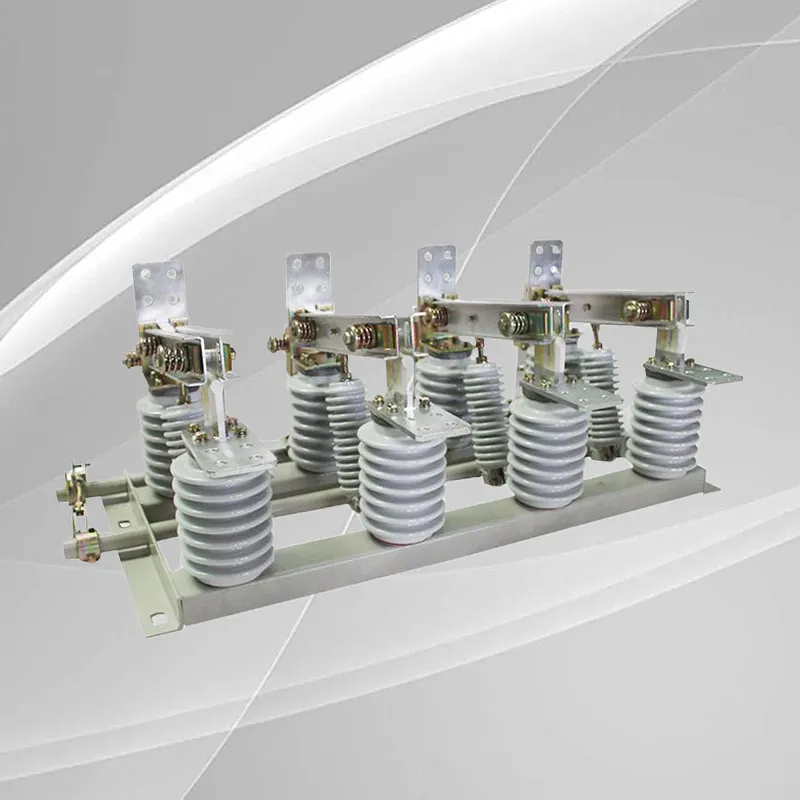 High voltage isolation switch GN24-12 for indoor use
-
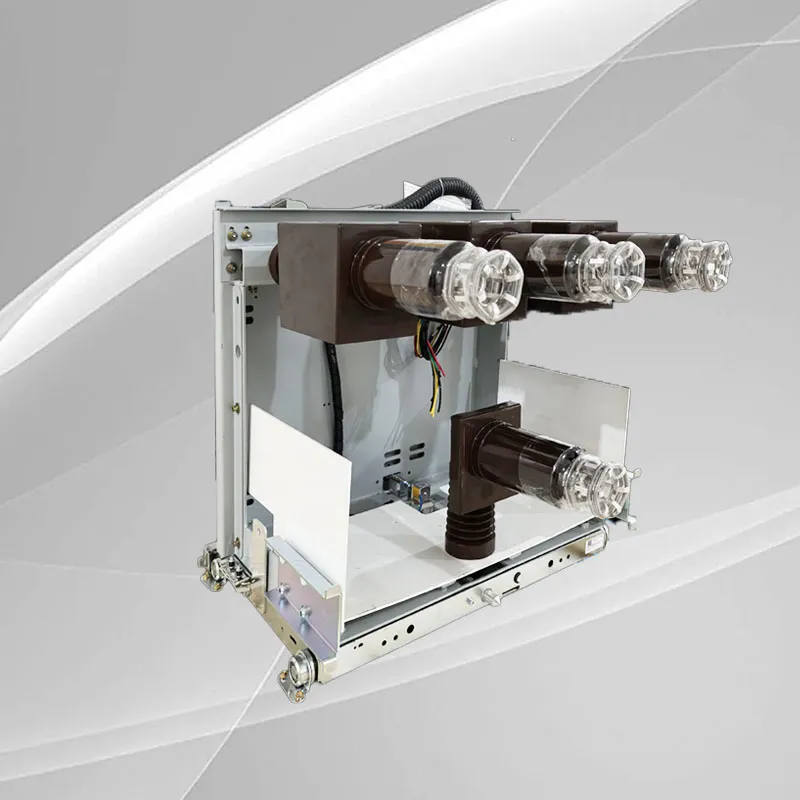 Withdrawable element for electricity metering for four contacts with three voltage transformers
-
 Outdoor Single Phase Waterproof Transparent Plastic Electricity Meter Shield
-
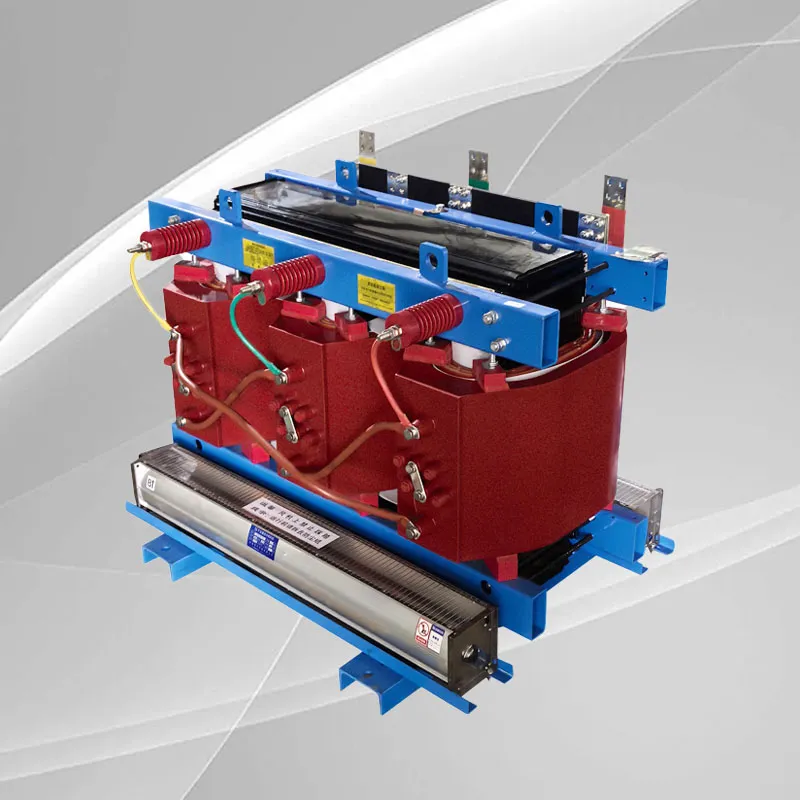 Dry transformer



