


disadvantages of dry transformer
Dry transformers are certainly convenient. No oils, no leaks... But, like any technology, they have their own nuances, which are often silent about in advertising brochures. Over the years of working with these devices, I have become convinced that they are not ideal and require a more careful approach than, say, their oil-based counterparts. Often, novice engineers and even experienced specialists underestimate some aspects, which leads to operational problems and even premature equipment failure. Today I want to share my observations, mistakes and experiences.
General problems and design features
The main drawback that immediately catches your eye is, of course,insufficient heat transfercompared to oil transformers of similar power. Oil, as we all know, is an excellent coolant. Without it, it is necessary to significantly increase the size of the radiators, which leads to an increase in the cost and dimensions of the transformer. In our practice, there has often been a problem with controlling the temperature of the windings, especially under high load conditions and unfavorable climatic conditions.
And, despite modern design and the use of highly efficient materials,dry transformers are more sensitive to contamination. Dust, moisture - even a small amount of them can negatively affect the operation of radiators and increase thermal resistance. This is critical in industrial areas with poor ventilation or in open environments.
Another aspect to consider isoperating cost. Although the initial investment in a dry transformer may be lower than in an oil transformer, there may be additional costs in the long run for servicing and repairing radiators, as well as ensuring cleanliness and protection from external influences.
Problems with radiators and heat sinks
Radiators are the “heart” of a dry-type transformer; their service life directly depends on their efficiency. The most common problem iscontamination of radiators with dust and other particles. This reduces their heat transfer and leads to overheating of the transformer. We regularly encountered situations where transformers had to be 'cleaned' of dust, which required a significant investment of time and resources.
The efficiency of radiators is highly dependent onquality heat-conducting paste, used for contact between windings and radiators. Incorrect selection or application of paste can lead to the formation of air layers that impair heat dissipation. This point is often underestimated, but it plays an important role.
It is also important to considerradiator design. There are various options - from simple aluminum radiators to complex designs with heat pipes. The choice of radiator must correspond to the power of the transformer and operating conditions. Incorrect selection of a radiator can lead to ineffective heat dissipation and overheating of the transformer. In our power plant project, we encountered an overheating problem due to suboptimal design of the radiators. We had to replace them with more efficient ones, which required additional costs.
Reliability and durability
The issue of reliability always comes first. In general, modern dry transformers are quite reliable, butlack of oil increases the risk of damage to the windings during a short circuit. Oil is known to extinguish the arc and prevent winding destruction. Without oil, winding damage may be more severe.
Also worth consideringthe effect of moisture on winding insulation. Moisture can lead to corrosion and reduced insulating properties, which in turn increases the risk of short circuits. Therefore, it is important to ensure reliable protection of the transformer from moisture.
During operation, we observed cases whenwinding insulation failed due to overheating caused by ineffective heat dissipation. This led to complete failure of the transformer. Therefore, in addition to choosing the right radiators, it is also important to control the temperature of the windings and prevent them from overheating.
Prospects for technology development
Despite existing shortcomings, dry transformer technology continues to evolve. New materials and designs are emerging that can improve its efficiency and reliability. For example,use of high temperature epoxy resins for casting windingsallows you to increase their heat resistance and increase the service life of the transformer. This allows the creation of more compact and lightweight dry transformers with high power.
In addition,new cooling systems are being developed based on the use of special liquids. These systems provide more efficient heat dissipation than traditional radiators. They are still in the development stage, but have great potential.
We at Wenzhou Qiaonasen Electrical Equipment Co., Ltd. constantly monitor new trends in dry-type transformers and offer our customers modern solutions that suit their needs. Our company specializes in solutions for high and low voltage transmission and distribution and electrical control systems in the power equipment industry, and we are always ready to provide professional advice and assistance in choosing the optimal transformer option. We are confident that dry-type transformers, thanks to the constant development of technology, will play an increasingly important role in the modern energy sector.
Additional Notes
And finally, I would like to add that when choosing a dry transformer, you should pay attention not only to its technical characteristics, but also to the reputation of the manufacturer. Don't skimp on quality - it can cost more in the long run. Regular inspection and maintenance are, of course, necessary, but proper installation and the correct selection of components are the key to trouble-free operation.
Correspondingproducts
Related Products



Best Sellingproducts
Best Selling Products-
 Outdoor distribution cabinet made of 201 steel
-
 KYN28A-12 Internal structure of medium voltage switch with metal armor
-
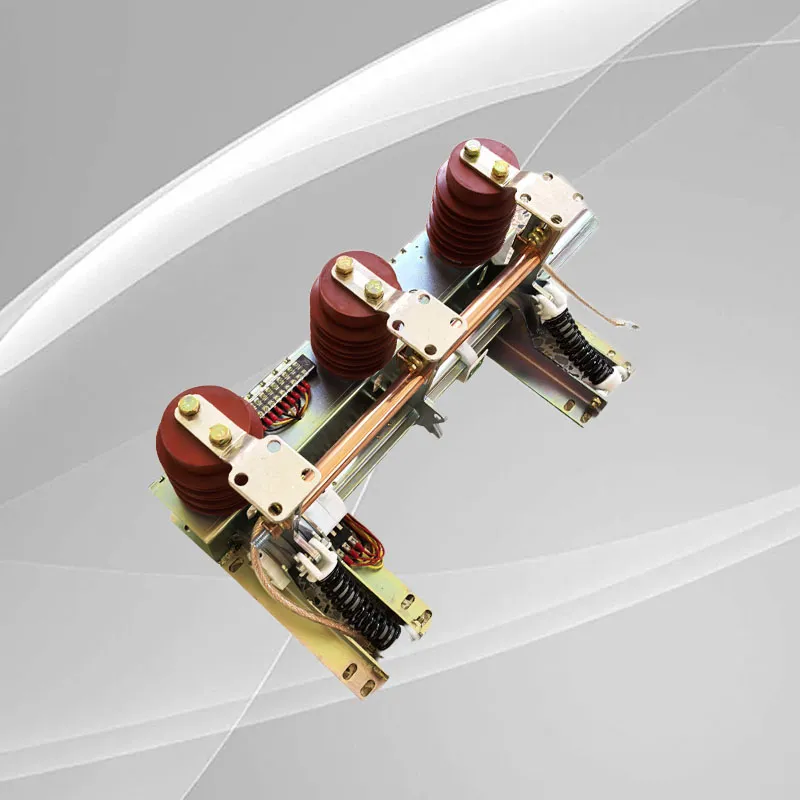 JN15-12-31.5 internal high voltage grounding switch
-
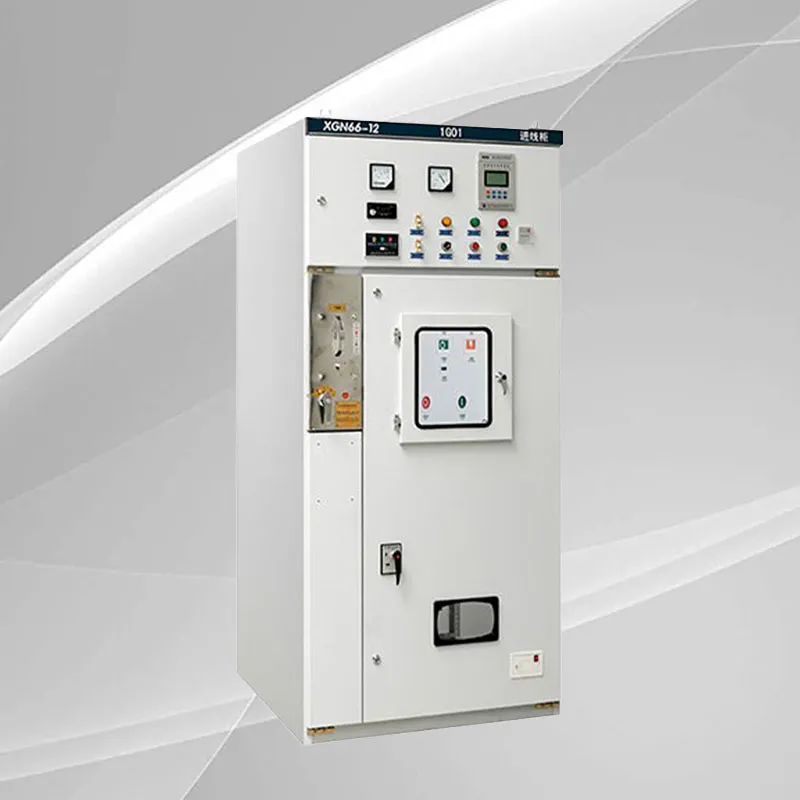 Fixed enclosed switchgear XGN66-12(Z)
-
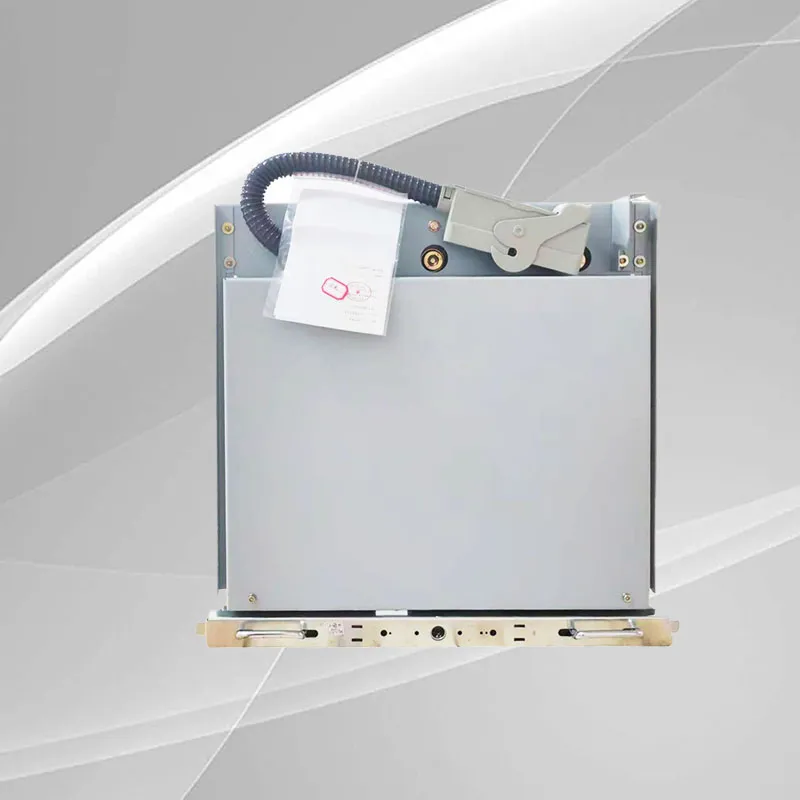 Withdrawable element for electricity metering with duck-type voltage transformers
-
 Three-phase energy efficient transformer
-
 GW9-10 High Voltage Isolation Switch with Ceramic Insulators for Outdoor Installation
-
 High voltage ring cabinet XGN66-12/10kV
-
 XGN15-12 AC High Voltage Ring Switchgear with Sulfur Hexafluoride
-
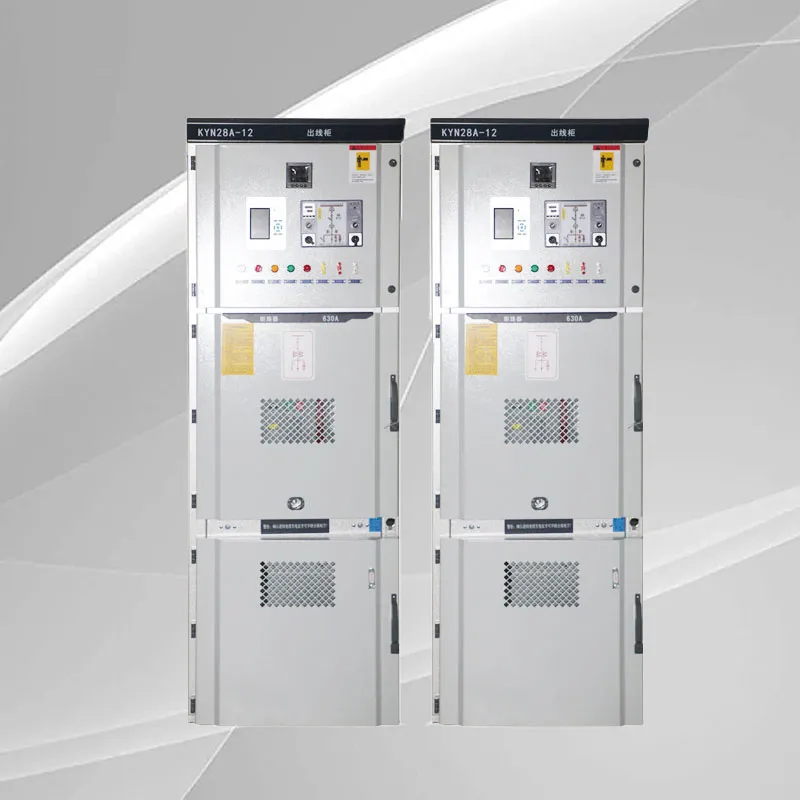 KYN28A-12 indoor metal armored medium power AC switchgear
-
 VS1 ZN63-12 1250A fixed indoor high voltage vacuum circuit breaker
-
 MBM1 is a circuit breaker in a plastic case with short circuit and overload protection.
Relatedsearch
Related Search- Solar Inverter Distribution Cabinet
- distribution board 10 modules
- cable entry into the distribution board
- circuit breaker abb s203 3p
- power transformers 40000
- China power transformers 6 10 kV
- circuit breaker 24 chapter
- differentiated circuit breaker
- input switchboard 3
- China dry transformers 10 kV main buyer



