


power transformer ratings
Lately I have often encountered misunderstandings aroundratings of power transformers. Many people believe that choosing a transformer is purely a mathematical task, reduced to calculations of power and voltage. But this is just the tip of the iceberg. The reality is much more complex, and overlooking the nuances can lead to serious problems, both in terms of reliability and efficiency of the system as a whole. I won’t go into complex calculations; I’d rather talk about practical difficulties and errors that we sometimes see. In this article I will try to share the experience that I have accumulated over the years of working in the field of electrical equipment.
Why is power not always enough?
The first thing that catches your eye is, of course, the power. They order a 100 kVA transformer because “that’s what it says in the project.” But it is not enough to simply indicate a number. It is important to understand *what* load this transformer must withstand. Is power reserve necessary? Sometimes a reserve of 20-30% is a reasonable investment in the future to avoid overloads and extend service life. Otherwise, the transformer will operate at the limit of its capabilities, which will inevitably lead to overheating and premature failure. We were faced with a situation where an 80 kVA transformer was constantly running at 95 kVA, and the breakdown occurred after two years. The power reserve, in this case, could save the situation.
In addition, the power factor of the load must be taken into account. This is often underestimated. If the load has a low power factor (for example, due to a large number of electric motors), then the actual power consumption will be higher than the rated power. This again requires adjusting the transformer selection or using a power factor corrector.
The influence of stress and its consequences
The choice of nominal voltage is also an important point. Often they choose the nearest available voltage without thinking about the possible consequences. Voltage mismatches can lead to inefficient transformer operation, increased heat generation, and even damaged insulation. We once installed a transformer with sub-optimal voltage and its efficiency decreased by 5%, which led to significant financial losses in the long run. It is important to carefully analyze the characteristics of the network and load in order to select the optimal voltage.
And one more thing - you need to take into account possible voltage fluctuations. This is a common occurrence in industrial settings. The transformer must be designed for these fluctuations, otherwise it will operate unstably and may fail.
Dimensions and dimensions: not only for installation
Often customers only think about the dimensions required to mount the transformer. But dimensions also affect heat dissipation. The larger the transformer, the greater the surface area for heat dissipation. This is especially important for high power transformers. We once selected a transformer for installation in a closed room with poor ventilation. We chose a transformer that, at first glance, seemed suitable in terms of power, but due to its small dimensions it overheated greatly. We had to replace it with a larger one, which increased the cost of the project.
Also, dimensions are important for maintenance. If the transformer is too small, it is difficult to access vents and other components for inspection and repair.
Design and insulation features
The design of the transformer plays an important role in its reliability and durability. Different types of transformers (for example, oil, dry) have their own characteristics. The choice of type depends on operating conditions and safety requirements. Dry transformers are generally more environmentally friendly and safe, but they are more expensive than oil transformers. We often recommend dry-type transformers for rooms with increased fire safety requirements.Wenzhou Qiaonasen Electrical Equipment Co.,Ltdoffers a wide range of transformers of various types.
Isolation is another important factor. The quality of the insulation determines the service life of the transformer. You need to ensure that the insulation meets code requirements and is designed to withstand the expected temperatures and stresses. The use of transformers with poor-quality insulation is a direct path to accidents and expensive repairs.
Problems arising from the wrong choice
We have repeatedly encountered situations where the wrong choice of transformer led to serious problems. For example, when the transformer was not powerful enough, and it constantly worked at the limit of its capabilities. This led to overheating, increased noise and premature failure. Another example is when the transformer was too powerful and it was ineffective. In this case, part of the energy was lost as heat, which led to increased energy costs. All these problems can be avoided if you carefully analyze all factors and select a transformer taking into account specific operating conditions.
In conclusion, I would like to say that the choiceratings of power transformersis a responsible task that requires knowledge and experience. You shouldn't skimp on a transformer because it can lead to much higher costs in the future. It is always better to choose a transformer with a power reserve and taking into account all the factors affecting its operation.
Correspondingproducts
Related Products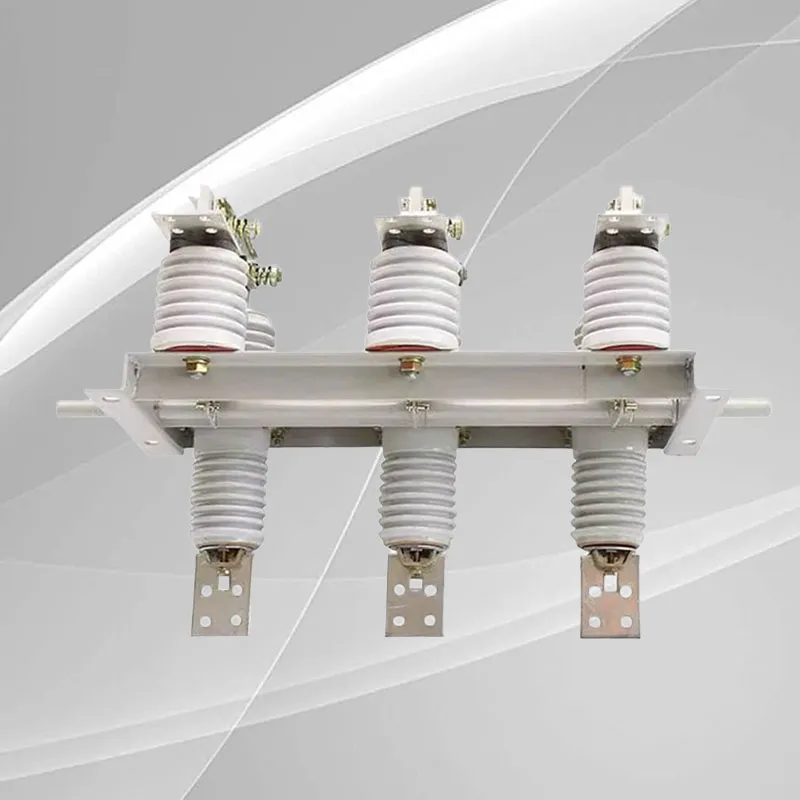
电动智能户外柱上高压真空断路分合闸开关.2.webp)


Best Sellingproducts
Best Selling Products-
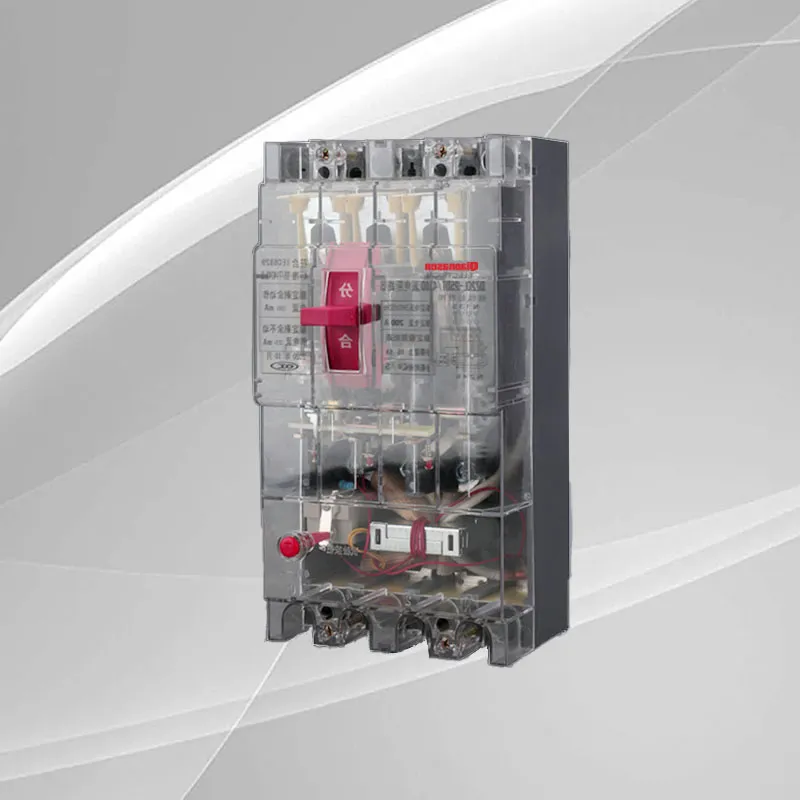 Circuit breaker with transparent plastic housing
-
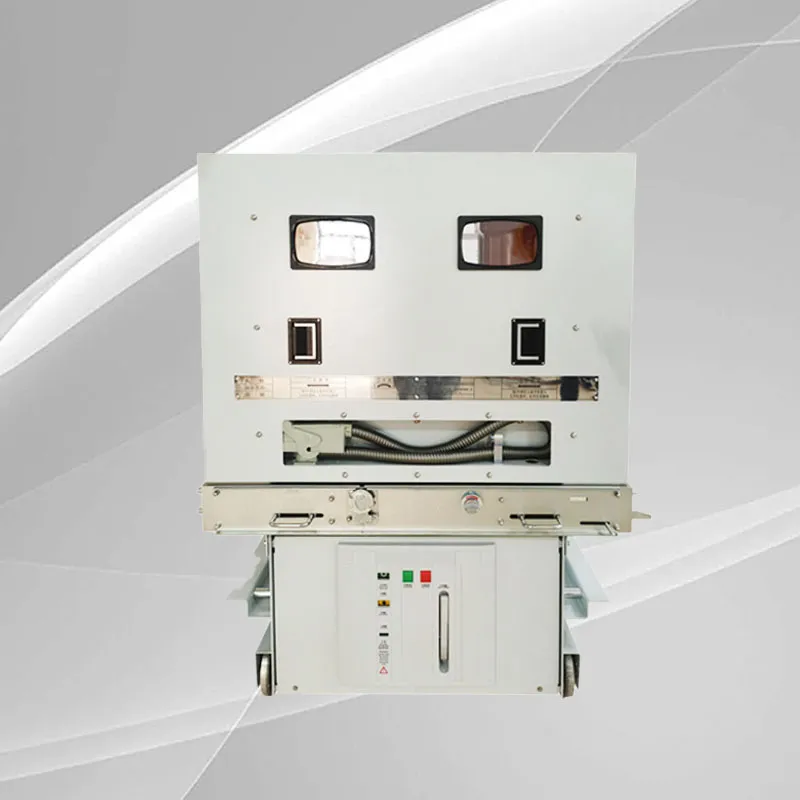 High Voltage Vacuum Circuit Breaker
-
 Internal high-voltage disconnector GN19-630A with double input and grounding contact
-
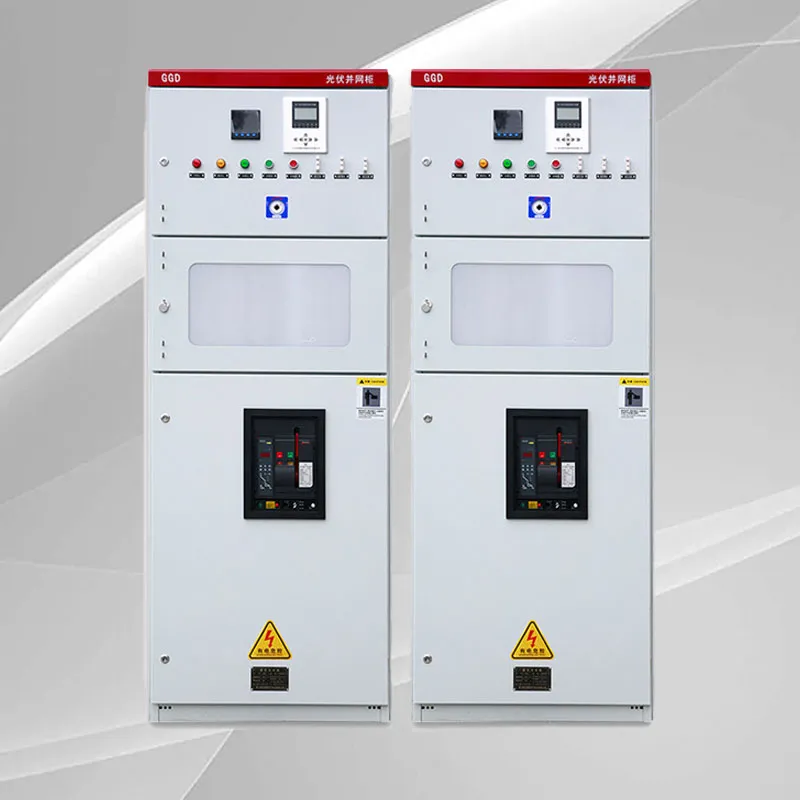 GGD cabinet for network connection of photovoltaic systems
-
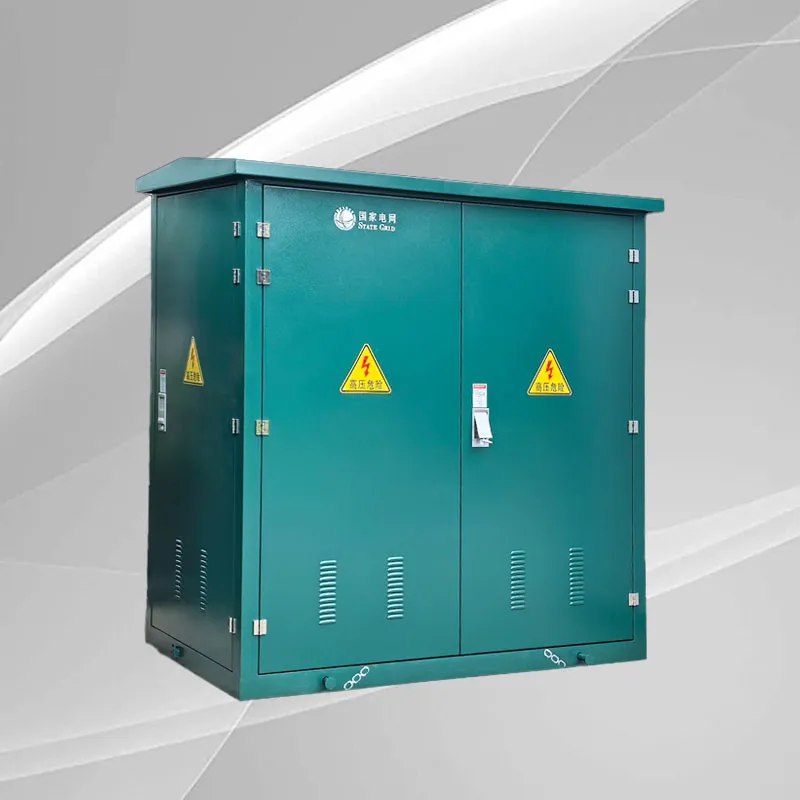 High voltage ring distribution cabinet
-
 Switch cabinet with double doors
-
 Mine transformer BKC-150VA
-
 Residual current switch
-
 Switchgear with ATS BRSM
-
 Complete ring distributor with JYSF6-12 full insulation and charging gas
-
 Blade contact disconnector ZW10-12
-
 MBW1 series intelligent universal circuit breakers, three-pole fixed
Relatedsearch
Related Search- easypact circuit breaker
- power transformers equivalent circuit
- switchboard equipment
- distribution board manufacturer
- China power transformers TMG 630
- China power transformer TMG 1000
- iec 60076 11 power transformers
- automatic mechanical switches
- circuit breakers gv2
- China power transformer composition main buyer



