


power transformer testing standards
Well, the topicpower transformer testing standards– this is a separate song. It seems that everything is clearly stated in GOSTs and international standards, but in practice you often come across the fact that “on paper” it is one thing, but in reality it is completely different. I constantly see how companies chase beautiful numbers, forgetting about the real reliability and durability of equipment. And this is not just an opinion - I have seen from my own experience how many problems could have been avoided if we had adhered not only to formal requirements, but also understood the essence of the processes.
Main stages and their specifics
Let's start with general phrases. According to GOST R 12.3.007-2018,power transformer testingcover a wide range: electrical, mechanical, thermal, and so on. Each stage has its own acceptance criteria and its own permissible deviations. But here's the catch: often when testing, the emphasis is on 'passing' the tests rather than identifying the real potential problems. For example, when testing for short circuits, it is often limited to testing for compliance with the maximum current. What about transients, overloads, and actual thermal loads in operation? This is generally not considered.
This is especially true for insulation tests. Testing on a bench is good, but in reality the transformer insulation is subjected to much greater loads during operation. Therefore, I would like to see more attention paid to long-term testing that simulates real-life operating conditions, with real-time monitoring of insulation parameters.
Electrical testing: beyond 'simple' measurement
Electrical tests are usually the most formal and seemingly unambiguous. We measure the insulation resistance, check the dielectric strength, and determine the parameters of the primary and secondary windings. All this is as it should be. But, again, you need to understand that the obtained values are only a snapshot of the transformer’s condition. I constantly observe cases where a transformer successfully passes all electrical tests, but during operation fails due to hidden defects in the windings, caused, for example, by overvoltages or overheating. It is also necessary to take into account the influence of the environment - humidity, temperature, presence of pollution. These factors significantly affect the reliability of the insulation.
But as for testing for resistance to overvoltage... here everything is usually limited to simulating pulses of a certain shape. But in real conditions, overvoltages can occur in a variety of shapes and amplitudes. More realistic testing is needed that takes into account various surge scenarios, including surges caused by lightning and network switching processes.
Mechanical and thermal testing: lack of attention to detail
Mechanical testing, such as checking the strength of the housing and fastenings, is usually carried out in a fairly standard manner. But how often do they check the gaps between parts, the quality of assembly, and the presence of defects in lamps and other elements? This, in my opinion, is critically important, especially for transformers operating in harsh conditions.
Thermal tests, which include checking the thermal operating conditions of a transformer, often come down to measuring the temperature of the windings under a certain load. This is, of course, useful, but does not give the full picture. It is also necessary to take into account the influence of the air cooling mode, the quality of thermal conductivity of the insulation, as well as the dynamics of temperature changes under different operating modes. At our company, Wenzhou Qiaonasen Electrical Equipment Co., Ltd., we take a more comprehensive approach - testing under simulated operating conditions, taking into account various load scenarios and cooling conditions. This helps identify potential problems at an early stage and prevent breakdowns.
The importance of visual inspection
The importance of visual inspection at all stages of production and testing cannot be underestimated. Often, even small defects that can be seen with the naked eye can lead to serious problems in the future. In our practice, there have been several cases where invisible damage to the windings, detected only during visual inspection after testing, led to the failure of the transformer during operation.
Of course, visual inspection requires qualified personnel with experience and knowledge of typical defects. But this is an investment in the reliability and durability of the equipment. Therefore, instead of skimping on visual inspection, it is better to spend time and resources on thoroughly inspecting each transformer.
Practical problems and mistakes
I often come across a situation where, when conducting tests, they “just tick a box” without paying due attention to monitoring parameters and documenting the results. This means that if problems arise in the future, it is difficult to determine their root cause. It is necessary to keep a detailed test log, record all parameters, photograph defects, and draw conclusions about compliance or non-compliance with the requirements.
Another common mistake is failure to follow the testing process. For example, incorrect selection of test equipment parameters, incorrect setup of test modes. All this can lead to unreliable results and erroneous decisions.
Conclusion
In conclusion, I want to say thatpower transformer testing standards– this is not just a set of formal requirements. This is an important tool for ensuring equipment reliability and longevity. But for this tool to work effectively, it is necessary not only to know and comply with the rules, but also to understand the essence of the processes, have experience and qualifications, and also pay attention to detail.
Our experience shows that a more comprehensive and realistic approach to testing, taking into account real operating conditions and potential risks, allows us to identify hidden defects, prevent failures, and ensure high reliability and durability of transformers. Wenzhou Qiaonasen Electrical Equipment Co., Ltd. always strives for this approach, as we understand that the reputation and trust of customers depends on the quality of our products. We regularly update our testing methods, introduce new technologies, and continually improve our quality control.
Correspondingproducts
Related Products



Best Sellingproducts
Best Selling Products-
 Residual current switch
-
 XGN15-12 AC High Voltage Ring Switchgear with Sulfur Hexafluoride
-
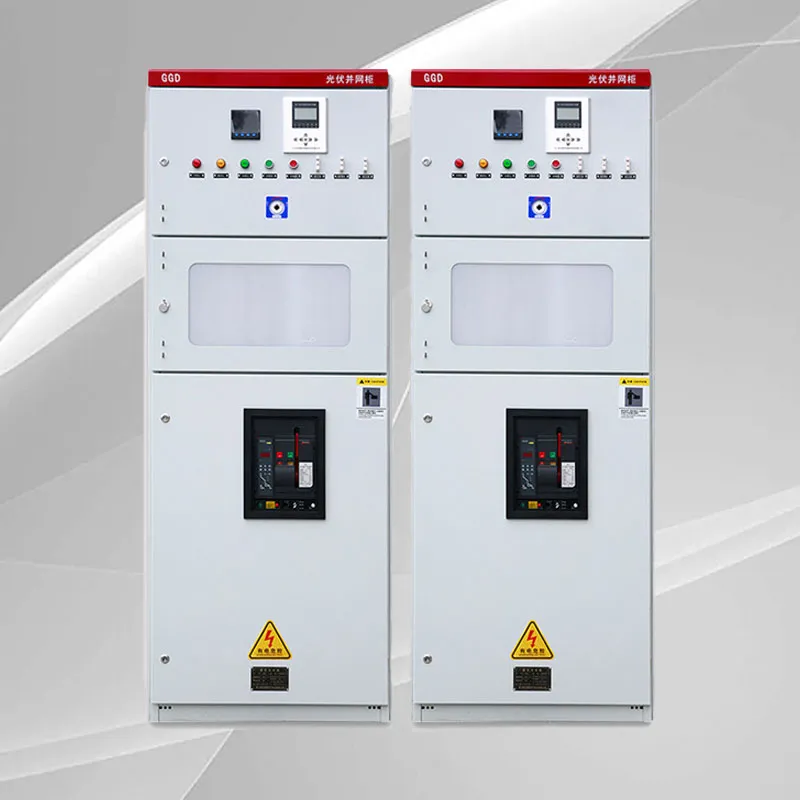 GGD cabinet for network connection of photovoltaic systems
-
 Distribution board for circuit breakers
-
 PT-12 Internal high voltage voltage transformer with withdrawable element
-
 Miniature circuit breaker
-
 KYN28A-12 Internal structure of medium voltage switch with metal armor
-
 Outdoor Waterproof Stainless Steel Switchboard
-
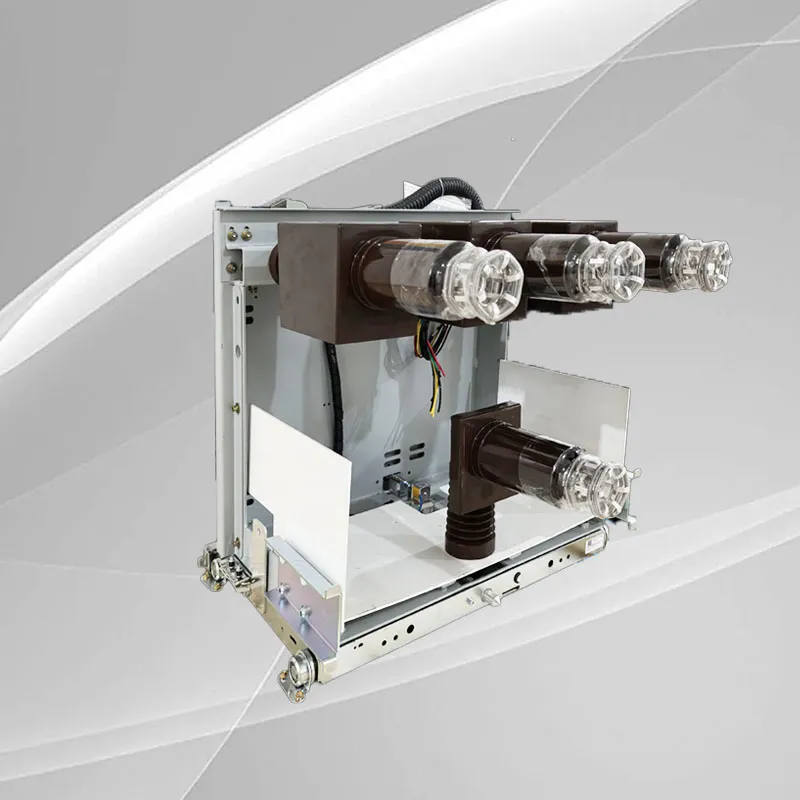 Withdrawable element for electricity metering for four contacts with three voltage transformers
-
 Blade contact disconnector ZW10-12
-
 VS1 ZN63-12 1250A fixed indoor high voltage vacuum circuit breaker
-
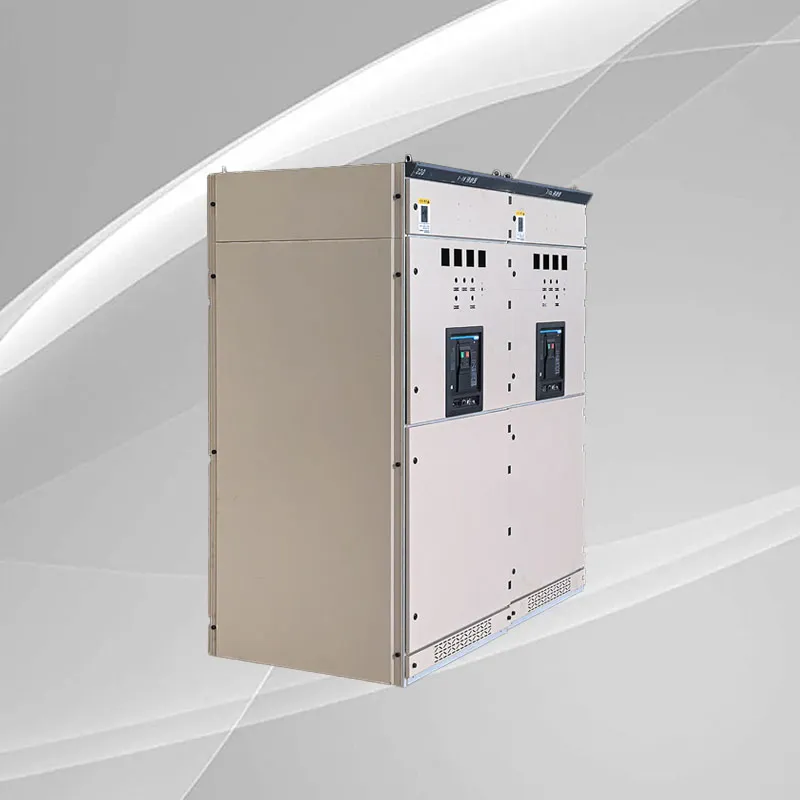 Low-voltage withdrawable distribution cabinet GCS (input cabinet)



