


windings of power transformers 10 kV
Windings of power transformers 10 kV...Seems simple, right? But as soon as you start digging into it, you realize how many nuances there are. I often see how complexity is underestimated at the design stage and, as a result, later problems with reliability and durability arise. It is believed that this is “just wound up”, but in fact it is a fine adjustment, where the slightest mistake can lead to serious consequences. And it’s not just “screwed up”, it’s a task with technical requirements, physics and, of course, cost.
General idea of 10 kV power transformer windings
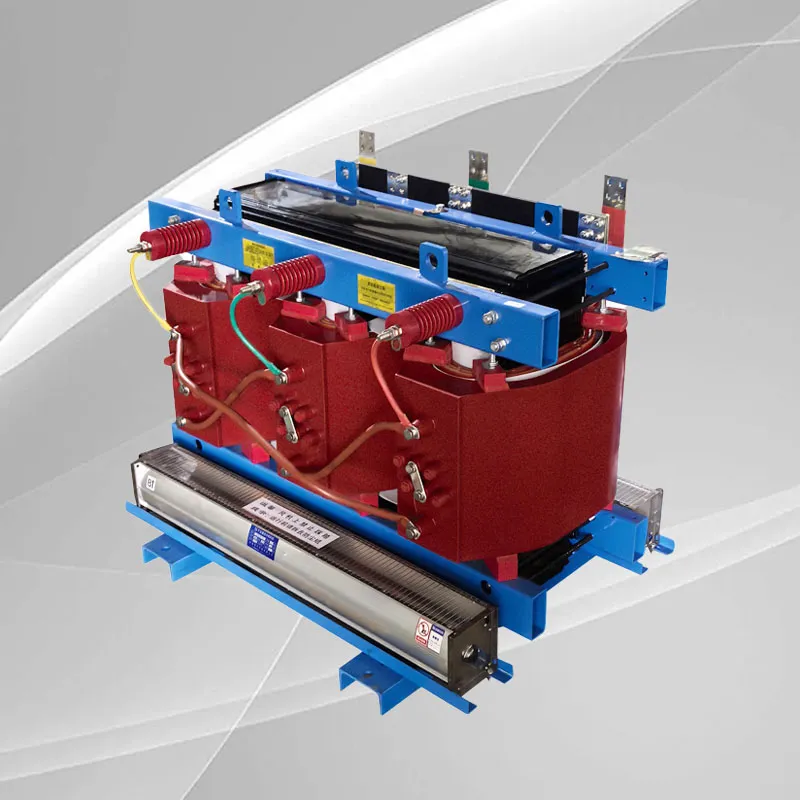
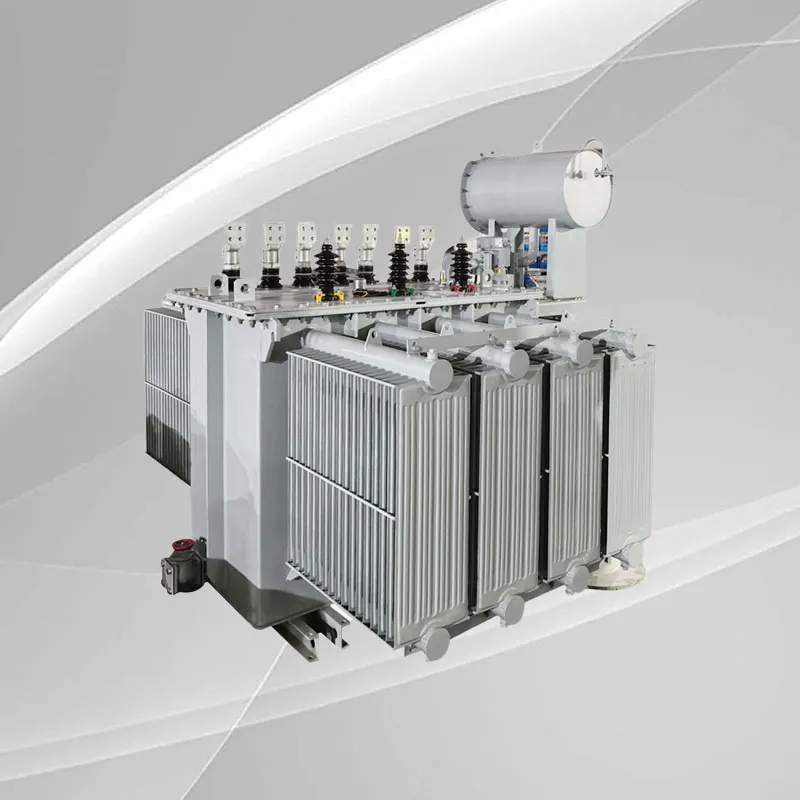
10 kV transformers used in the power industry, distribution and connection of consumers undergo significant loads. The quality of operation of these devices directly depends on the quality of their windings. They come in two types: primary (connected to the network) and secondary (for consumers). Different types of transformers (for example, oil, dry) and winding connection patterns (Y/Y, Δ/Δ, Y/Δ) dictate their requirements for materials, winding technologies and quality control.
Let's take, for example, a transformer designed to operate in high vibration environments - for example, in railway stations. Here it is important to ensure not only reliable insulation, but also increased mechanical strength of the windings. Otherwise, over time, due to vibrations, the insulation may collapse, which will lead to a short circuit and, as a consequence, an accident. This is often overlooked during initial calculations - while the winding looks perfect, but in real conditions... It is better to play it safe and use stronger materials and winding methods.
Materials and their influence on performance
The main material for windings is copper wire. But even here there are nuances. Copper wire with different insulation classes is used (for example, B0, B1, B2, B3). The choice of insulation class depends on the operating temperature of the winding. Using too low a class of insulation can lead to overheating and rapid failure of the transformer. Laminated copper wire is often used to reduce eddy current losses. But its use, of course, increases the cost.
We must not forget about the insulating materials between the layers of wire and between the windings. They must be resistant to high temperatures, chemical influences and mechanical damage. Various types of insulating papers, varnishes, oils, and epoxy resins are used. The quality of these materials also significantly affects the reliability and durability of the winding. For example, when using epoxy resin, curing technology must be strictly followed to avoid the formation of cracks and defects.
Problems at the production stage and how to avoid them
One common problem is uneven winding. This may be caused by poor-quality winding equipment, insufficient qualifications of workers, or incorrect setup of the technological process. Uneven winding leads to uneven distribution of current in the windings, which causes overheating and accelerated wear. As a rule, automated winding machines are used for this, which ensure high accuracy and uniformity of winding. But even with automation, strict quality control is necessary.
Another problem is the formation of cold seams. Cold seams are areas of the winding where there are gaps between the turns of wire. The current is concentrated in these areas, which leads to overheating and destruction of the insulation. To prevent the formation of cold seams, it is necessary to carefully control the winding process and use special devices that ensure a tight fit of the wire to the previous turn. This often requires manual adjustments, which increases the labor intensity of production. Our company, Wenzhou Qiaonasen Electrical Equipment Co., Ltd., uses certain winding control methods to minimize the risk of cold seams, but constant monitoring is still necessary.
Quality control and testing
Winding quality control is an integral part of the transformer manufacturing process. At each stage of winding, various checks are carried out: checking the thickness of the insulation, checking the wire tension, checking for the presence of cold seams. Final quality control includes visual inspection, insulation resistance measurements and strength and reliability tests. The most important test is the winding test for high temperatures and vibration. This allows you to identify hidden defects that can only appear during operation of the transformer.
During testing, we often encounter the fact that defects detected at the inspection stage are not always detected during testing. This is due to the fact that test conditions do not always fully correspond to operating conditions. Therefore, it is necessary to carry out tests taking into account all possible factors that may affect the reliability of the winding. In particular, the influence of humidity, dirt and mechanical stress must be taken into account.
Prospects for the development of winding technologies
In recent years, new technologies for winding power transformer windings have been actively developed. These include the use of new materials such as polyamorous tapes and composite materials, the development of new winding methods such as 3D winding, and the use of automated quality control systems. These technologies make it possible to increase the reliability and durability of windings, as well as reduce their cost. A particularly promising area is the use of artificial intelligence to optimize the winding process.
We at Wenzhou Qiaonasen Electrical Equipment LLC closely monitor the development of new technologies and implement them into our production practice. We are convinced that the use of new technologies will allow us to produce transformers with higher performance and longer service life. We are committed to continuous improvement of our production processes and to the use of the most modern technologies.
In conclusion: The importance of attention to detail
Reliability and durabilitywindings of power transformers 10 kVdirectly depend on the quality of the materials used, winding technology and quality control. The importance of attention to detail at every stage of production cannot be underestimated. The slightest mistake can lead to serious consequences. Therefore, it is necessary to use modern technologies, ensure strict quality control and constantly improve production processes. This is the key to success in the production of reliable and durable transformers.
Correspondingproducts
Related Products




Best Sellingproducts
Best Selling Products-
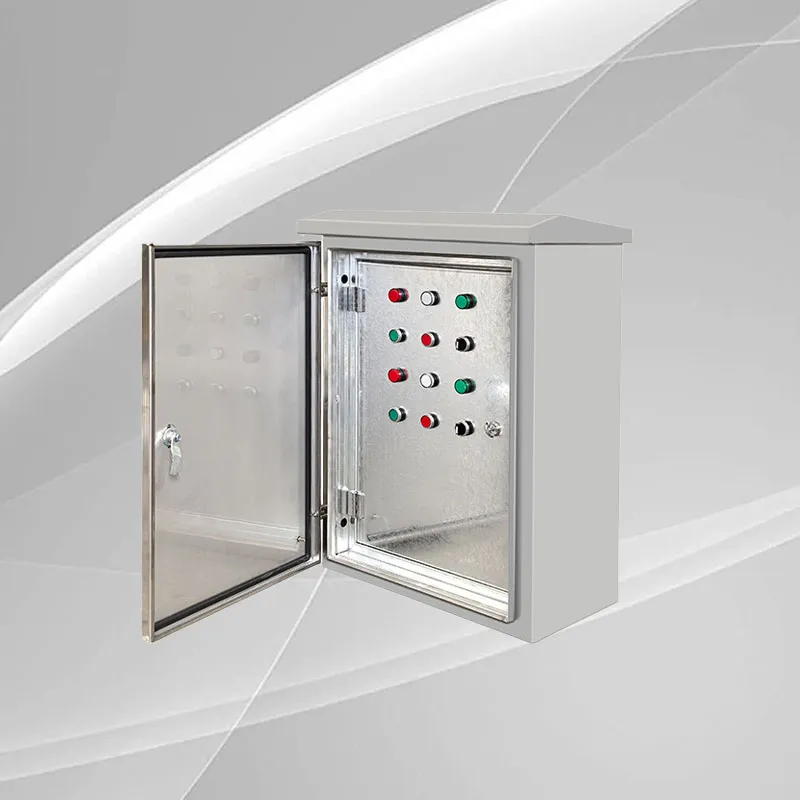
 Complete low voltage distribution board made of stainless steel
-
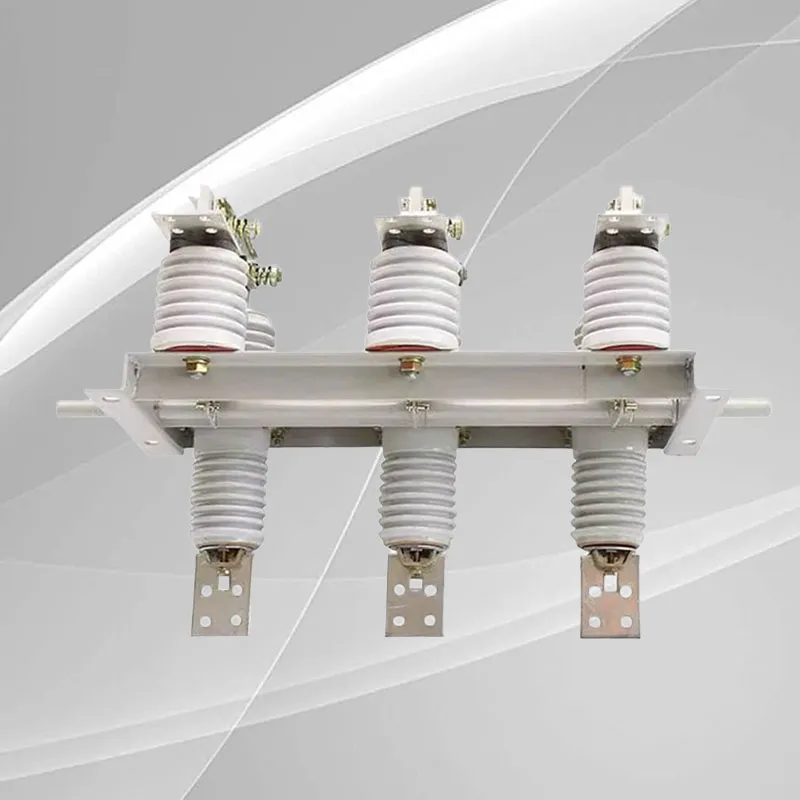 Internal high voltage disconnector type GN19-12C
-
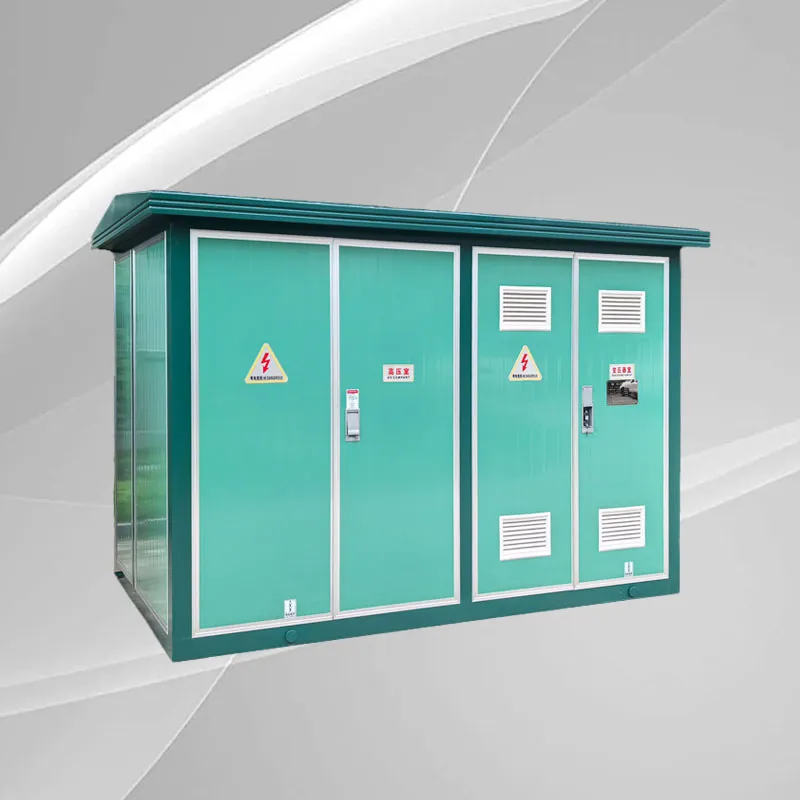 Complete outdoor transformer substation of European type
-
 Side vacuum switch
-
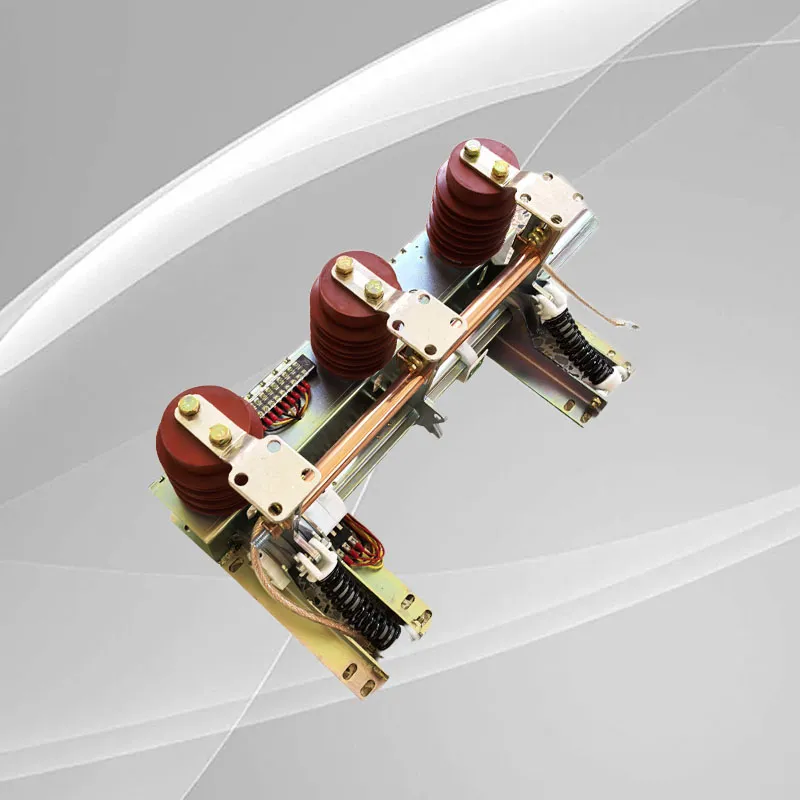 JN15-12-31.5 internal high voltage grounding switch
-
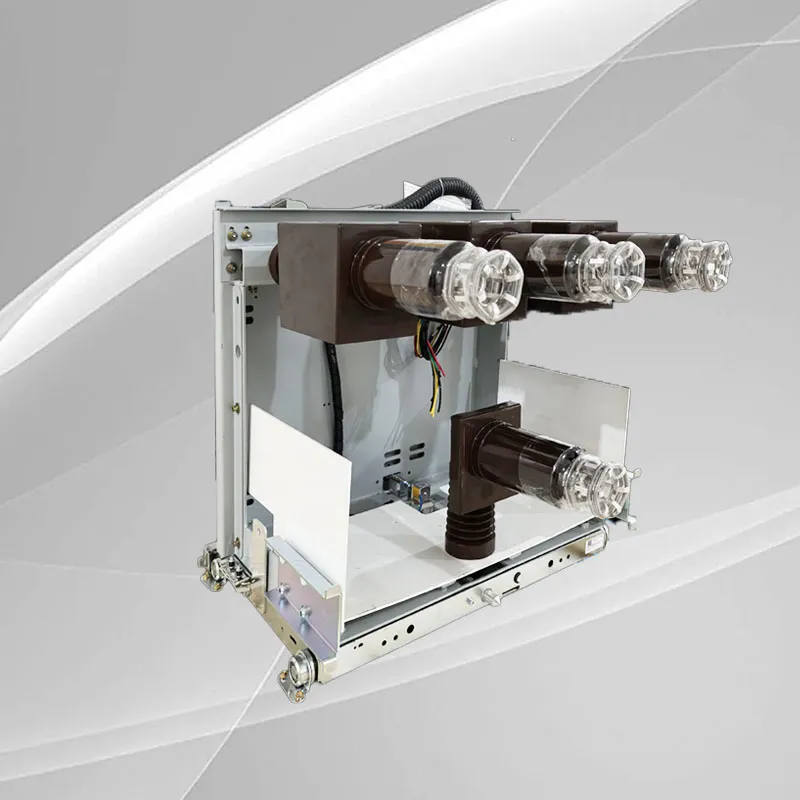 Withdrawable element for electricity metering for four contacts with three voltage transformers
-
 XGN15-12 AC High Voltage Ring Switchgear with Sulfur Hexafluoride
-
 Transparent Industrial Automatic Three Phase Four Wire Leakage Proof Switch
-
 KYN28A-12 Internal structure of medium voltage switch with metal armor
-
 Automatic circuit breaker DZ15 in plastic shell
-
 Blade contact disconnector ZW10-12
-
 Complete ring distributor with JYSF6-12 full insulation and charging gas
Relatedsearch
Related Search- distribution board easy9
- sace circuit breakers
- distribution board 36 modules buy
- China loading power transformer main buyer
- buy distribution board with automatic machines
- distribution board shchr2
- power transformer inspection sheet
- dry transformer service life
- how to disassemble a power transformer
- sale of power transformers



