


volume of power transformers
Many novice engineers and even experienced specialists often mistakenly believe that the choicevolume of power transformers- This is simple mathematics, based on the calculated load power. In fact, this process is much more complicated and requires taking into account many factors that are not always obvious at first glance. We are used to seeing numbers in kilowatts and megawatts, but the real picture is much more multifaceted. This article is more of a reflection collected from experience working with various types of transformers, rather than a strict guide. Let's share observations, mistakes and ways to avoid them.
Introduction: The Myth of Simple Calculation
Imagine the situation: the customer wants to power a workshop where machines with a total power consumption of 500 kW are installed. A superficial calculation suggests that a transformer of at least 500 kVA is needed. But! This is just a starting point. Ignoring other aspects can lead to serious consequences - overloading the transformer, reducing its service life, and in the worst case, an accident. Sometimes, we see customers who choose a transformer with power reserves, often due to an incomplete understanding of future needs. But a transformer that is too large is also not optimal. These include inefficient use of resources, increased initial investment and potential problems with operating modes.
It is important to understand thatpower transformer volume- this is not just one number, it is a compromise between cost, size, efficiency and reliability. Each of these parameters has its own role and must be carefully weighed.
Factors influencing volume selectionpower transformers
The first step is to understand what 'total load power' actually is. It is not simply the sum of the power ratings of all connected devices. It is necessary to take into account simultaneity coefficients, that is, the probability that all devices will operate simultaneously at full capacity. This coefficient depends on the type of load (for example, for electric motors it is usually higher than for lighting).
In addition, we must not forget about the power reserve. Depending on the specifics of production, a reserve of 10-20%, and sometimes more, can be provided. In particular, for enterprises where they plan to expand production or launch new technological processes, it is worth focusing on a larger reserve. For example, when we worked with one of the enterprises producing metal structures, we increasedvolume of power transformersby 15% due to the expected increase in the power of welding machines.
Simultaneity factor: don't underestimate it!
Incorrect determination of the simultaneity factor is a common mistake. Many people underestimate it, which leads to a lack of power and, as a result, to overloading the transformer. Conducting a detailed load analysis is mandatory. Monitoring actual power consumption over several work shifts often helps.
For example, we once encountered a situation where a customer claimed that their power line consumed 300 kW. After analyzing the equipment operating schedule, we found that at peak consumption can reach 450 kW. We had to replace the transformer with a more powerful one, which caused some dissatisfaction with the customer due to the increased cost, but in the long run it turned out to be justified.
Analysis of the equipment operating schedule should include not only power, but also the nature of the load - extinction coefficient, peak values, duration of operation. All this is necessary for an accurate calculationvolume of power transformers. This is a very important point that is often overlooked.
Types of transformers and their features
Different types of transformers have different characteristics and applications. There are dry tube, oil, and testless transformers. The choice of transformer type depends on the operating conditions, the required level of reliability and environmental requirements.
Oil transformers are traditionally more reliable and durable, but require regular maintenance and oil disposal. Dry-tube transformers are more environmentally friendly, but they are more expensive and have less power. Careless transformers are the most modern and environmentally friendly option, but they are still relatively expensive and not that common.
When choosingvolume of power transformersIt is important to consider not only the total power, but also its design features. For example, for work in aggressive environments, it is recommended to use transformers with an increased degree of protection.
Dry tube transformers: growing in popularity
In recent years, there has been an increase in the popularity of dry-tube transformers. They do not require the use of oil, which reduces the risk of environmental pollution and makes maintenance easier. However, they have some disadvantages such as higher cost and lower power compared to oil transformers.
When choosing a dry-tube transformer, it is important to pay attention to the quality of the insulation and cooling system. Poor insulation can lead to overheating and failure of the transformer. The cooling system must ensure efficient heat removal from the windings.
For example, when designing a new electronics plant, we chose a dry-tube transformer to power high-power equipment. This solution has allowed us to reduce the risks associated with oil leaks and create a safer working environment.
Practical recommendations and mistakes
So, to summarize, here are some practical recommendations for choosingvolume of power transformers:
- Carefully determine the actual power consumption of the load, taking into account the simultaneity factors.
- Provide a power reserve (10-20% or more).
- Consider the type of transformer and its design features.
- Pay attention to the quality of the insulation and cooling system.
- Consult with specialists.
And now – about common mistakes. One of the most common is the underestimation of the influence of the network frequency on the transformer parameters. For example, when working with equipment that requires high frequency control accuracy, it is necessary to take into account the change in the reactive power of the transformer when the network frequency changes.
Another mistake is choosing a transformer that does not meet safety requirements. All regulations and standards must be observed to ensure safe operation of the transformer.
Our Wenzhou Qiaonasen Electrical Equipment LLC (https://www.qnasen.ru/) helps customers in the selection and supply of power transformers, taking into account all the nuances and features of a specific project. We are always happy to offer professional advice.
Maintenance and monitoringvolume of power transformers
It is important to remember that the choicevolume of power transformers– this is just the first step. Equally important is its further maintenance and monitoring. Regular checks of transformer parameters (winding temperature, insulation voltage, oil condition) will help identify potential problems at an early stage and prevent serious accidents.
There are various methods for monitoring the condition of a transformer, from simple visual inspections to complex remote monitoring systems. The choice of monitoring method depends on budget and reliability requirements. We at Wenzhou Qiaonasen Electrical Equipment Co., Ltd. offer a wide range of transformer maintenance and monitoring services.
Monitoring systems can warn of overloads, insulation faults, abnormal temperature rises and other problems, allowing timely action to be taken to avoid serious consequences. This is especially important for critical facilities, where equipment shutdown can lead to significant financial losses.
Correspondingproducts
Related Products

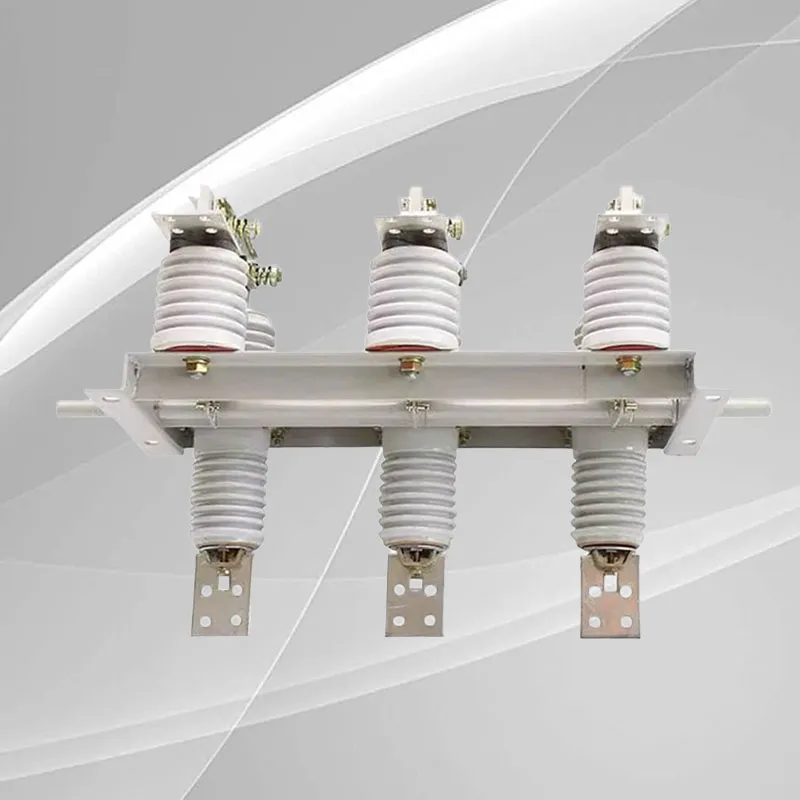


Best Sellingproducts
Best Selling Products-
 Disconnector with blade contact in a complete high-voltage cabinet
-
 Power distribution cabinet
-
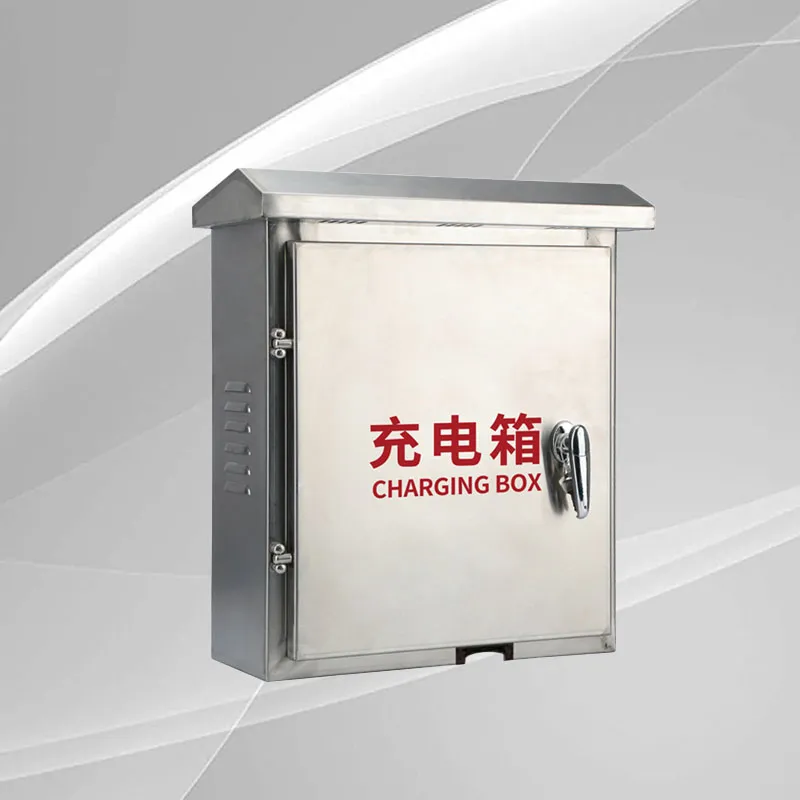 Outdoor electric charging cabinet
-
 MBM1 is a circuit breaker in a plastic case with short circuit and overload protection.
-
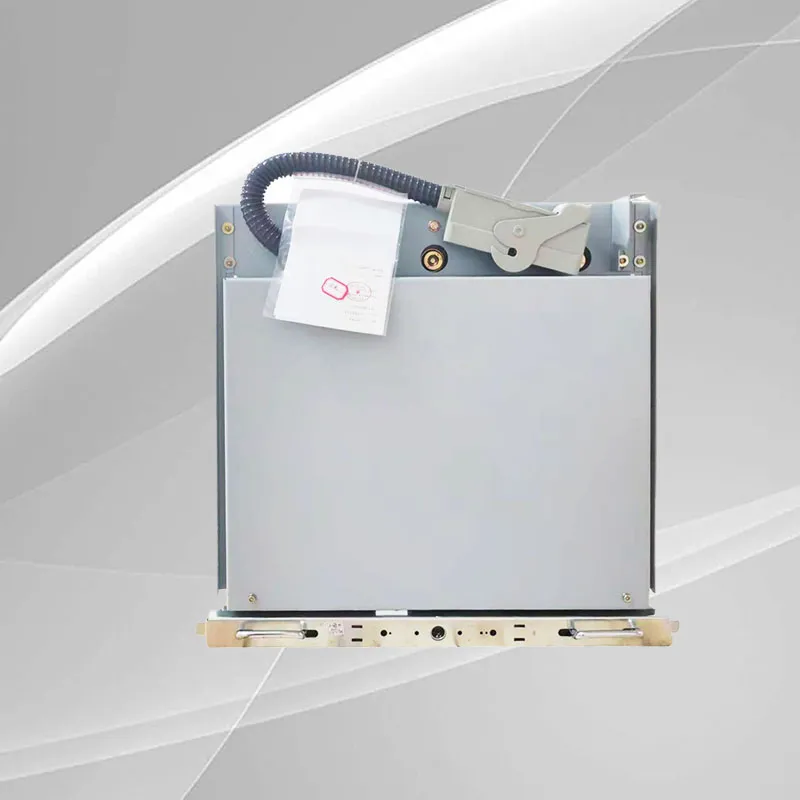 Withdrawable element for electricity metering with duck-type voltage transformers
-
 Internal high-voltage disconnector GN19-630A with double input and grounding contact
-
 GW9-10 High Voltage Isolation Switch with Ceramic Insulators for Outdoor Installation
-
 High voltage internal switch
-
 Molded Case Circuit Breaker (MCCB), 63A
-
 Circuit breaker transparent
-
 Explosion Proof Oil Induction Voltage Regulator
-
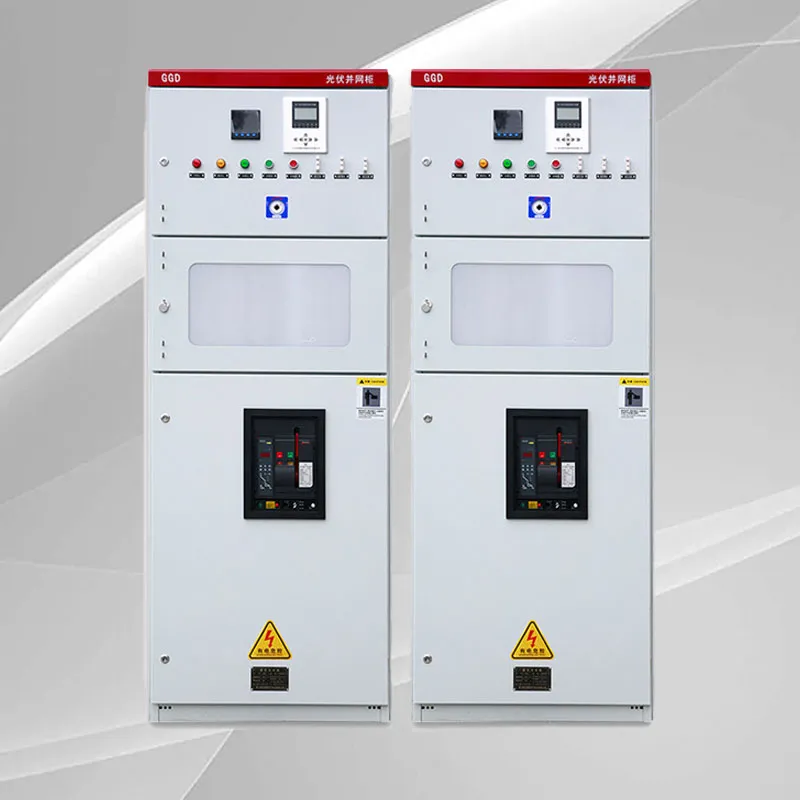 GGD cabinet for network connection of photovoltaic systems



