


dry-type transformer cooling
A dry transformer is a seemingly simple design, but requires special attention to heat removal issues. Often general recommendations dominate discussions, while the real problems and their solutions are left behind the scenes. In this article I will try to share my experience gained in working with various models and under different operating conditions. We'll talk about different approaches todry-type transformer cooling, about the difficulties of their implementation and about those points that are often overlooked. It is important to understand that there are no universal solutions, and choosing the optimal systemcoolingshould always be based on the specific transformer characteristics and environmental conditions.
Main problems and misconceptions
I often find that clients underestimate the importance of propercoolingdry transformer, believing that it will cope without additional measures. This typically leads to overheating, premature insulation wear and ultimately equipment failure. It is often mistakenly believed that simply increasing the surface area of the transformer housing will solve the problem. This may have some effect, but is not sufficient to ensure reliable and durable operation under high loads or in hot climates. More serious problems arise if you do not take into account the effect of humidity and contamination on heat dissipation efficiency.
In pursuit of compactness, engineers sometimes abandon effective systemscooling, which usually becomes a nightmare later on. For example, in some cases, we have encountered transformers where the ventilation ducts were designed too narrow, or even missing altogether. This, of course, reduces the efficiency of natural convection, and requires more active methodscooling.
Environmental influence
The environment is an important factor. In conditions of high humidity, efficiencycoolingis significantly reduced. Therefore, when designing systemscoolingIt is necessary to take into account air humidity and provide measures to protect the transformer from corrosion and condensation.
Also, do not forget about pollution. Dust and other particles falling on the surface of the transformer can interfere with heat transfer. Regular cleaning of the transformer housing is an important part of the maintenance system.
Cooling systems: review and comparison
There are several main types of systemsdry transformer cooling: natural convection, forced ventilation and liquid cooling. Each of these types has its own advantages and disadvantages.
Natural convection
This is the simplest and most economical option. It is based on the natural movement of air, which occurs due to the temperature difference between the surface of the transformer and the surrounding air. The effectiveness of natural convection depends on the shape of the transformer housing, its surface area and the ambient temperature.
In our practice,coolingnatural convection is usually used for low-power transformers operating in rooms with moderate temperature and humidity. However, even in such cases, careful consideration must be given to the design of the transformer housing to ensure maximum heat dissipation efficiency. Sometimes small fans are added to enhance natural convection.
Forced ventilation
Fans provide more efficient heat transfer. They can be located on the transformer housing or inside it. The choice of fan type (centrifugal or axial) depends on the design of the transformer and the required performance.
WhencoolingWith forced ventilation, it is important to take into account the noise that fans create. In some cases, the use of sound-absorbing materials or a special casing is required to reduce noise levels. At Wenzhou Qiaonasen Electrical Equipment Co., Ltd., we use variable speed fans to optimizecoolingdepending on load and temperature.
Liquid cooling
This is the most effective, but also the most expensive option. It is based on the circulation of a coolant (usually mineral oil or a special liquid) through channels in the transformer housing. The coolant removes heat from the windings and transfers it to the heat exchanger, where the heat is dissipated into the environment.
Liquidcoolingused for high power transformers operating under high load conditions and/or in hot climates. However, it requires a complex management and control system. In our practice, sometimes difficulties arise with the tightness of the system, which can lead to coolant leaks. It is important to use high-quality components and carefully control the assembly and installation process.
Implementation experience and possible errors
In one of the projects, we encountered the problem of overheating of a dry-type transformer, despite the use of forced ventilation. It turned out that the ventilation ducts were clogged with dust and dirt. After thorough cleaning of the channels and regular maintenance of the systemcooling, the problem has been resolved.
Another mistake we often see is incorrect calculation of transformer heat losses. If heat losses are underestimated, then the systemcoolingwill not be able to provide sufficient heat transfer. It is important to use accurate load and transformer data to correctly calculate heat losses.
Special solutions for aggressive environments
If the transformer operates in an aggressive environment (for example, near chemical plants), then it is necessary to use special materials and coatings that are resistant to corrosion and other influences. For example, we often use epoxy-coated transformers, which provide reliable protection against moisture and aggressive environments.
Conclusion
Dry transformer cooling– this is a complex task that requires an integrated approach. Selecting the optimal systemcoolingshould be based on the specific transformer characteristics and operating conditions. It is important to take into account the influence of the environment, correctly calculate heat losses and regularly maintain the systemcooling. Experience and a professional approach are the key to reliable and durable operation of a dry-type transformer.
If you have any questions regardingtransformer cooling, contact us. We specialize in power transmission and distribution solutions and can offer the optimal solution for your application. More detailed information about our products and services can be found on our website:https://www.qnasen.ru.
Correspondingproducts
Related Products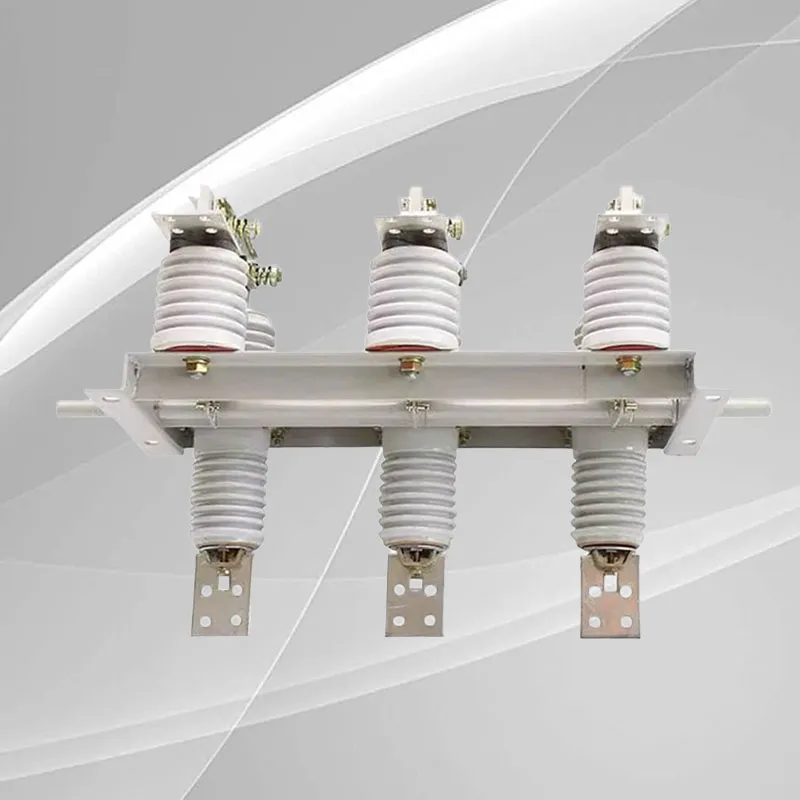


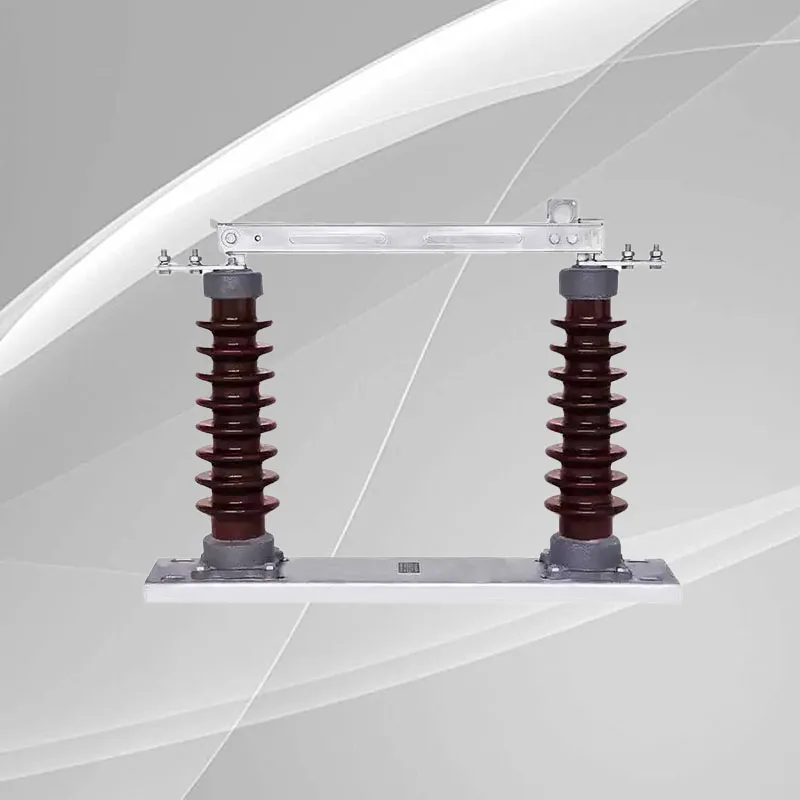


Best Sellingproducts
Best Selling Products-
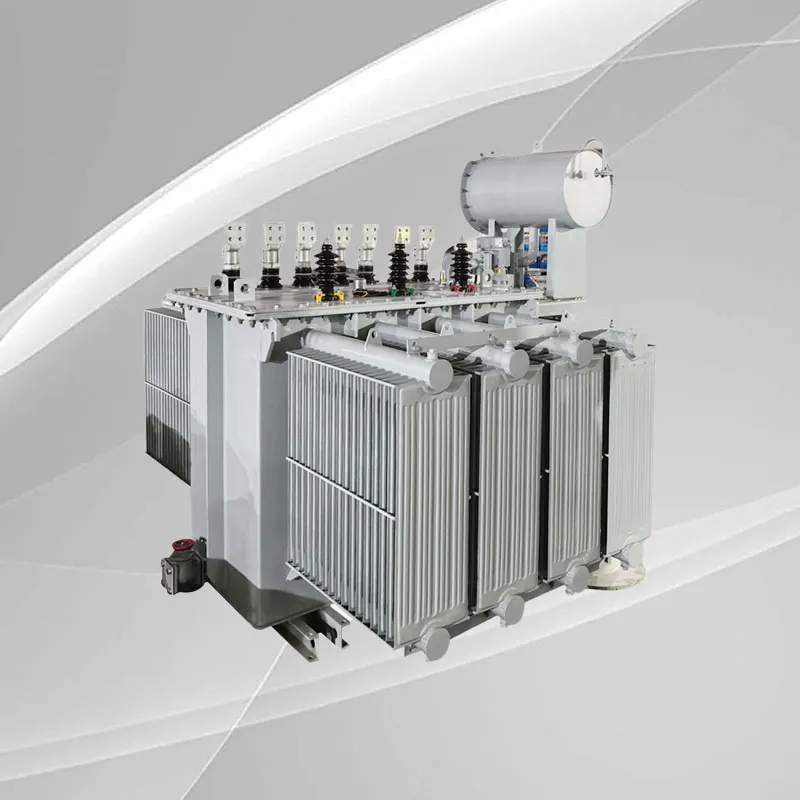 Oil transformer
-
 Oil transformer
-
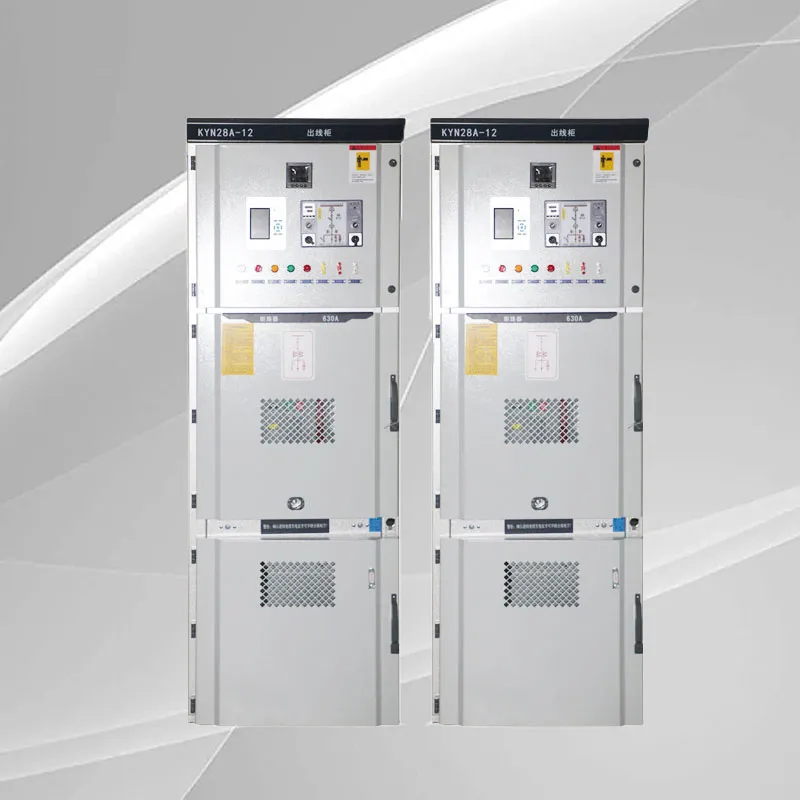 KYN28A-12 indoor metal armored medium power AC switchgear
-
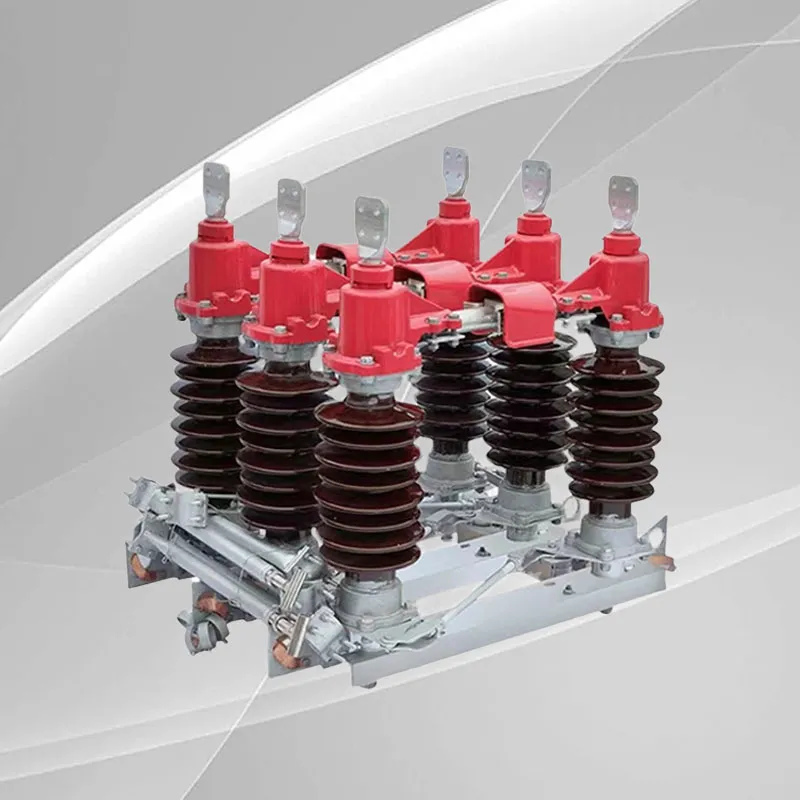 Outdoor high voltage isolating switch type GW4-40.5
-
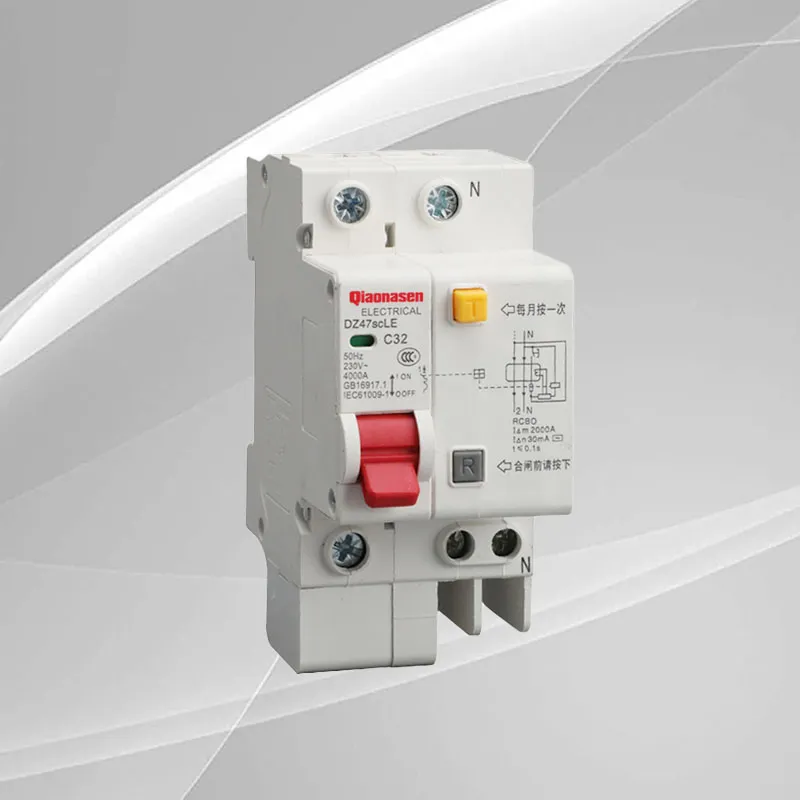 Residual current device with plastic housing
-
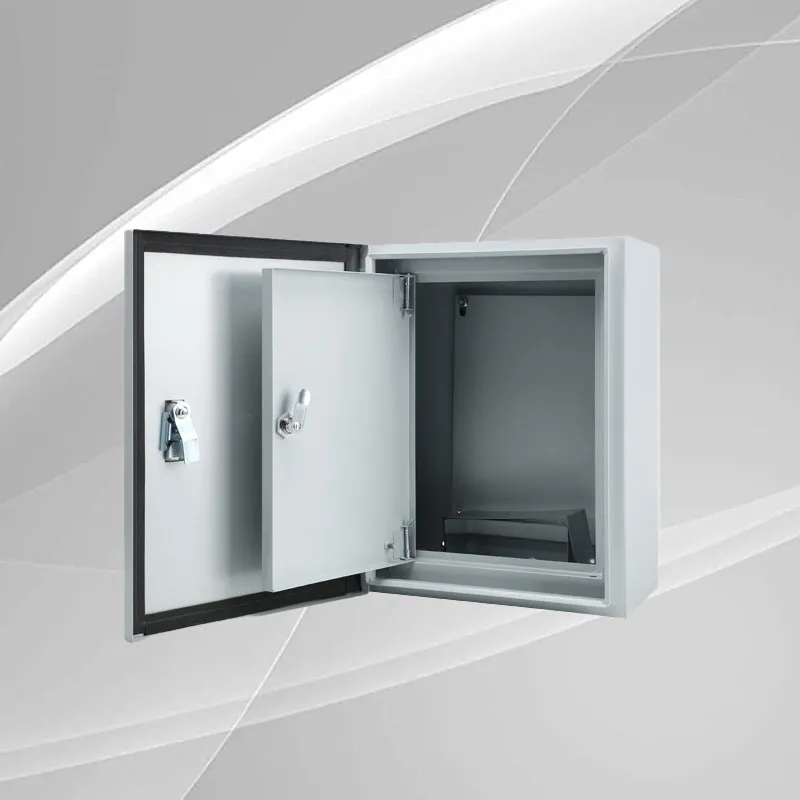 Indoor distribution cabinet with double door
-
 Miniature circuit breaker
-
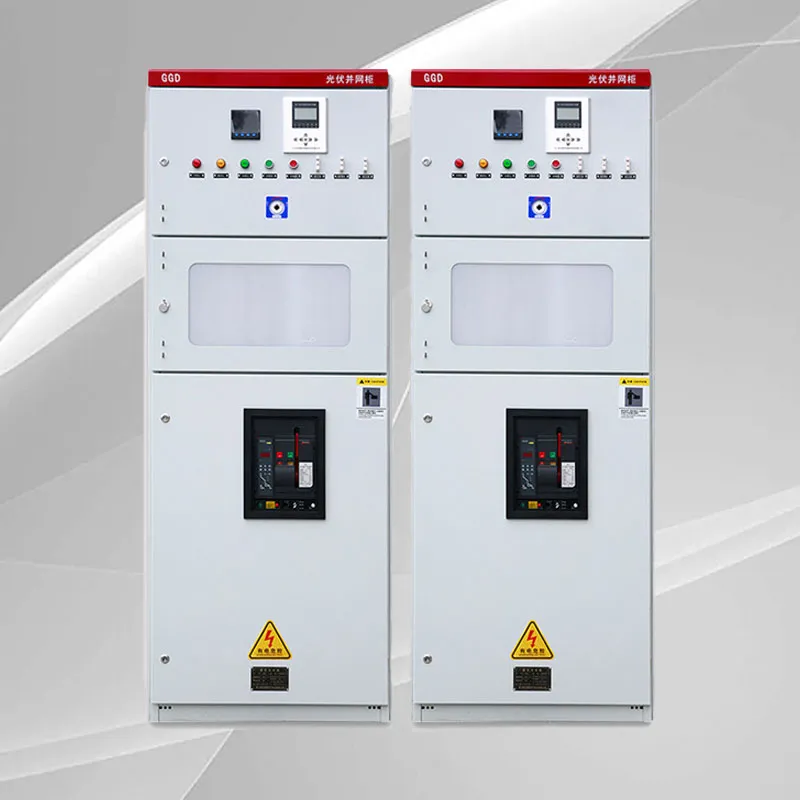 GGD cabinet for network connection of photovoltaic systems
-
 Residual current switch
-
 Circuit breaker with transparent plastic housing
-
 Outdoor High Voltage Smart Vacuum Circuit Breaker
-
 Stainless steel meter panel



