


power transformer supply
Power Transformer Poweris a topic that is often presented as something as simple as getting online. But in practice everything turns out to be much more complicated. I have seen many cases where a frivolous approach to this issue led to serious problems - from premature failure of the transformer to emergency situations. Therefore, I decided to share my thoughts and observations based on many years of experience in the field of electrical equipment. In this article I will try to talk about key points that are often overlooked and possible mistakes that are best avoided.
Review: What is important to know about power transformer power supply
Brief and to the point: correctpower transformer supply– the key to its long and reliable operation. This is not just a connection to the network, but a set of measures that includes surge protection, voltage stabilization and power factor correction. Ignoring these aspects often leads to serious consequences. We'll cover the most important considerations, from cable selection to harmonic protection, with an emphasis on practicalities and potential problems.
Cable selection and compliance
Choosing a cable is the first and seemingly simplest step, but this is where mistakes are often made. Insufficient cable thickness leads to overheating and voltage drop, and too thick cable leads to unnecessary costs. It is important to consider not only the load current, but also the length of the cable line, the installation method (in the ground, in pipes, in the air) and climatic conditions. For example, when laying a cable in the ground, it is necessary to take into account the depth of its location and the possibility of exposure to aggressive environments. I recommend that you always use calculators for calculating cable cross-sections, available in regulatory documents and specialized software. In our practice, we have often encountered situations where we selected a cable based on rough calculations, which ultimately led to the need to replace it in the near future. These are additional costs and just a waste of time.
Don't forget about the quality of insulation. Using cables with poor insulation increases the risk of short circuits and electric shock. This is especially true for cables laid in places with high humidity or dirt. We recommend giving preference to cables from trusted manufacturers that have certificates of conformity and a proven reputation.
Surge protection: necessity and implementation options
Power transformers are especially sensitive to overvoltages that occur during lightning discharges, switching in the electrical network and other reasons. An unprotected transformer can quickly fail, leading to costly repairs or replacement. There are several ways to protect against surges: installing SPDs (surge protection devices), using filters, grounding, etc. The choice of a specific protection method depends on the level of risk and budget. Complex industrial installations often use a combination of several protection methods.
Personally, I recommend using surge protectors for surge protection, as well as filters for harmonic suppression. SPDs must be correctly selected for the level of protection and installed in accordance with the requirements of regulatory documents. It is also important to regularly check the functionality of the surge protectors and replace them if necessary. We once had a case where the SPD did not operate during a lightning strike, which led to damage to the transformer. It was a painful experience that taught us to take surge protection with the utmost seriousness.
Voltage stabilization: maintaining optimal power levels
Unstable voltage is another serious problem that can negatively affect the performance of a power transformer. A voltage drop or overvoltage can lead to overheating of the windings, reduced operating efficiency, and even failure of the transformer. To stabilize the voltage, various methods are used: the use of automatic voltage regulators (AVR), the use of capacitor banks, and the use of inverters. The choice of stabilization method depends on the required level of stabilization and budget.
Automatic voltage regulators are the most common and effective way to stabilize voltage. They automatically adjust the output voltage based on changes in input voltage. However, AVRs require regular maintenance and calibration. In some cases, it may be necessary to install multiple AVRs to provide more reliable protection. In our practice, we have successfully used AVRs to stabilize voltage in various industrial installations.
Power Factor Correction: Increases Efficiency and Reduces Losses
Low power factor is a common problem in electrical networks, especially in industrial plants. Low power factor leads to increased reactive power consumption, which increases the load on the power grid and leads to increased energy losses. To correct the power factor, various methods are used: the use of capacitor banks, the use of active filters, the use of synchronous compensators. The choice of power factor correction method depends on the degree of reduction and budget.
Capacitor banks are the simplest and most economical method of power factor correction. They compensate for reactive power generated by inductive loads (such as electric motors). However, capacitor banks require regular maintenance and can cause interference on the power grid. In some cases, it may be necessary to install active filters to suppress harmonics generated by motors.
Case Studies: Successful and Unsuccessful Decisions
I remember one case when we were installing a new transformer at a chemical industry plant. When choosing a transformer, we did not take into account the increased requirements for electrical safety, so difficulties arose during installation. We had to redo some of the electrical wiring, which increased the installation time and costs. This incident taught us to always carefully consider all safety requirements and standards.
Another time we installed a surge protection system on a transformer in a room with high humidity. However, we did not take into account the possibility of moisture condensation on the SPD body, which led to corrosion and failure of the SPD. I had to replace the surge protector with more moisture-resistant models. This case showed us the importance of choosing equipment appropriate to the operating conditions.
Recommendations and conclusion
Power Transformer Poweris a complex task that requires a careful approach and consideration of many factors. Do not neglect surge protection, voltage stabilization and power factor correction. Select your cable carefully, use quality equipment, and perform regular maintenance. And most importantly, don’t skimp on safety.
I hope my observations and experience will help you avoid mistakes and ensure reliable and durable operation of power transformers.
Correspondingproducts
Related Products


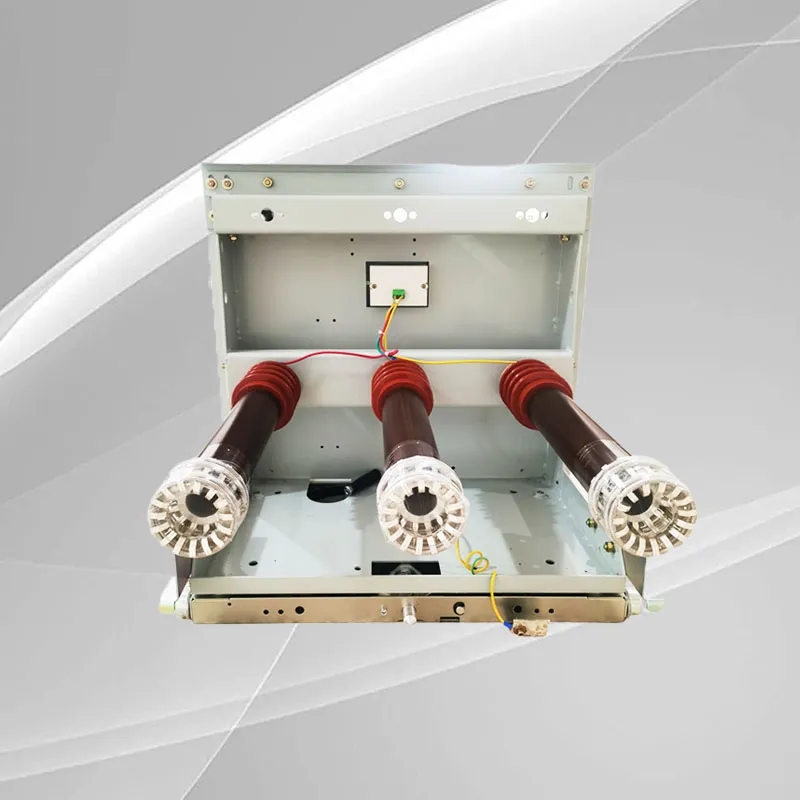


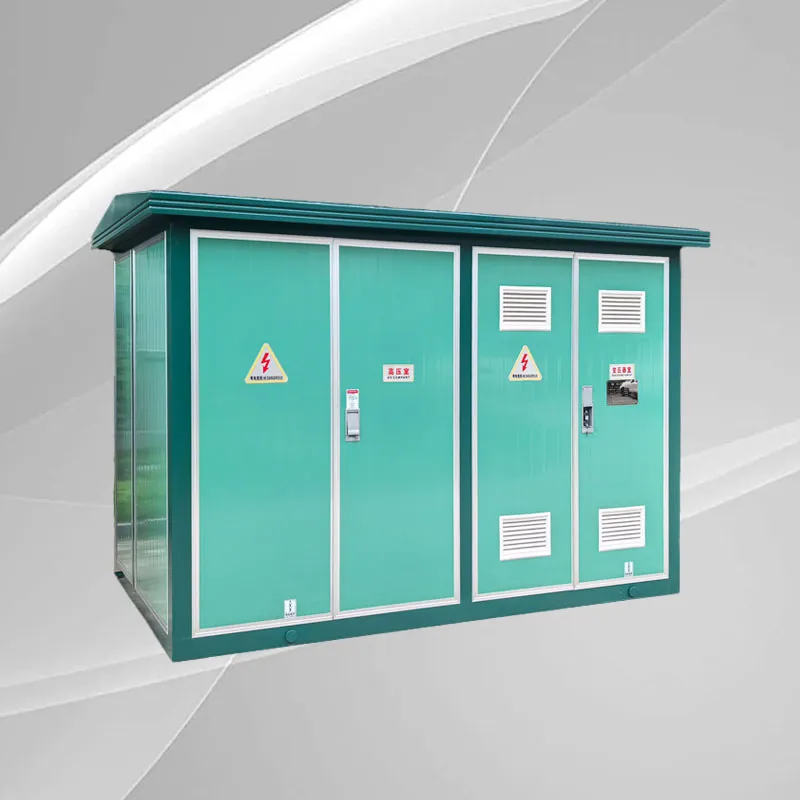
Best Sellingproducts
Best Selling Products-
 Switchgear with ATS BRSM
-
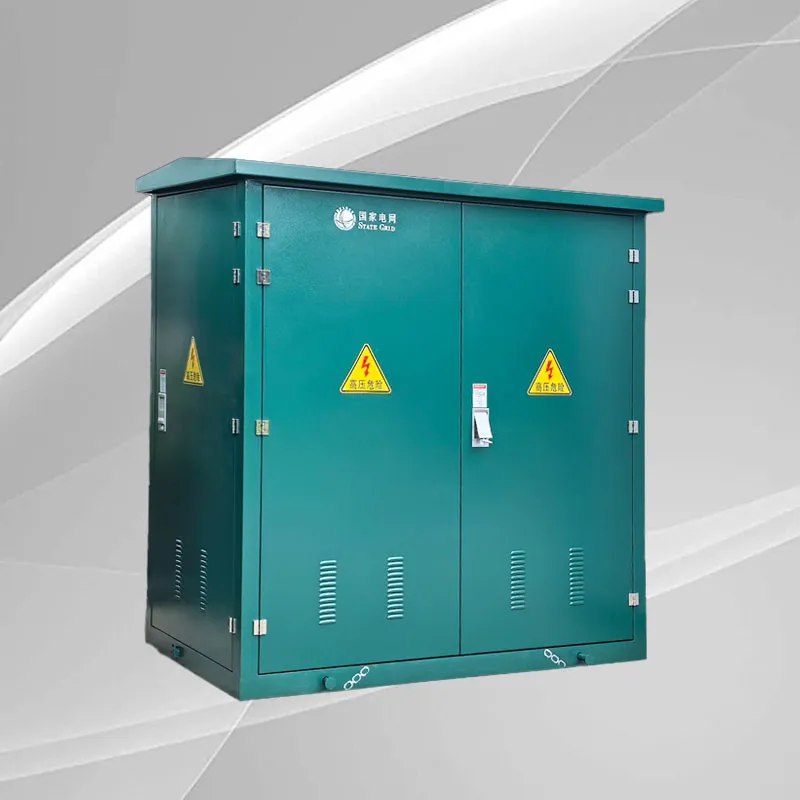 High voltage ring distribution cabinet
-
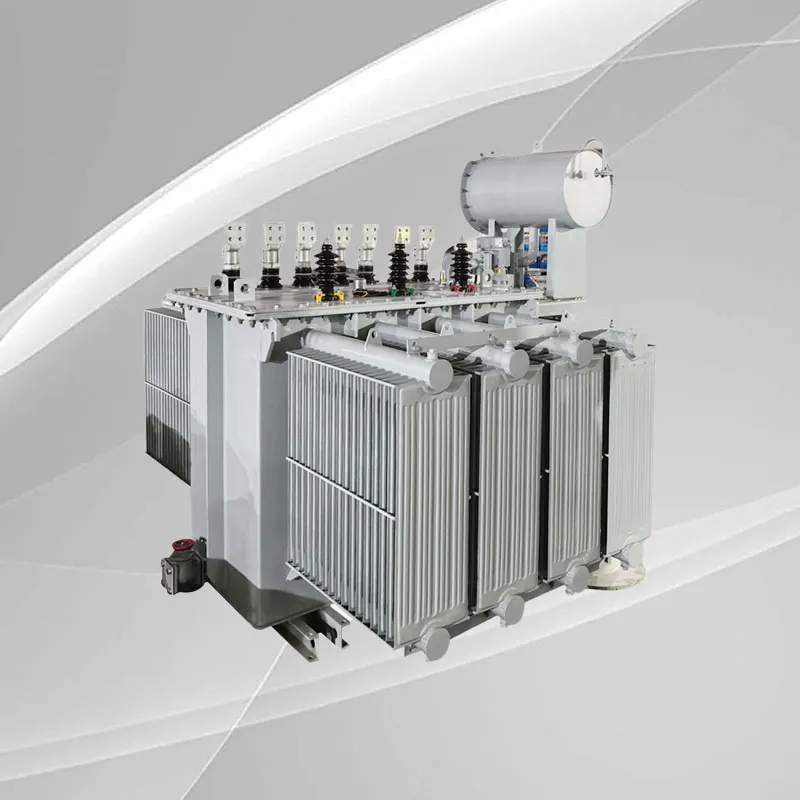 Oil transformer
-
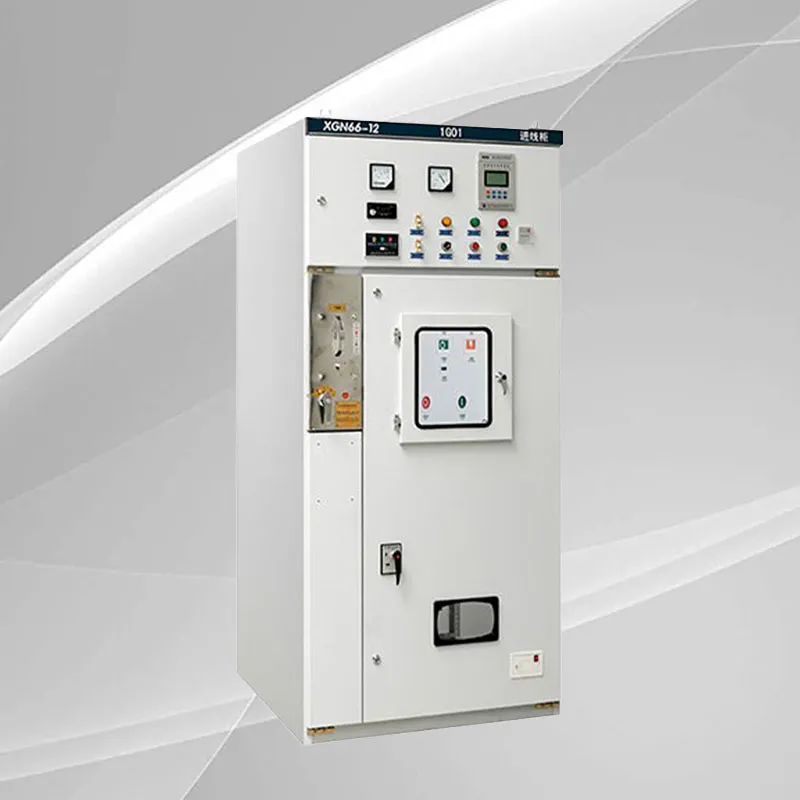 Fixed enclosed switchgear XGN66-12(Z)
-
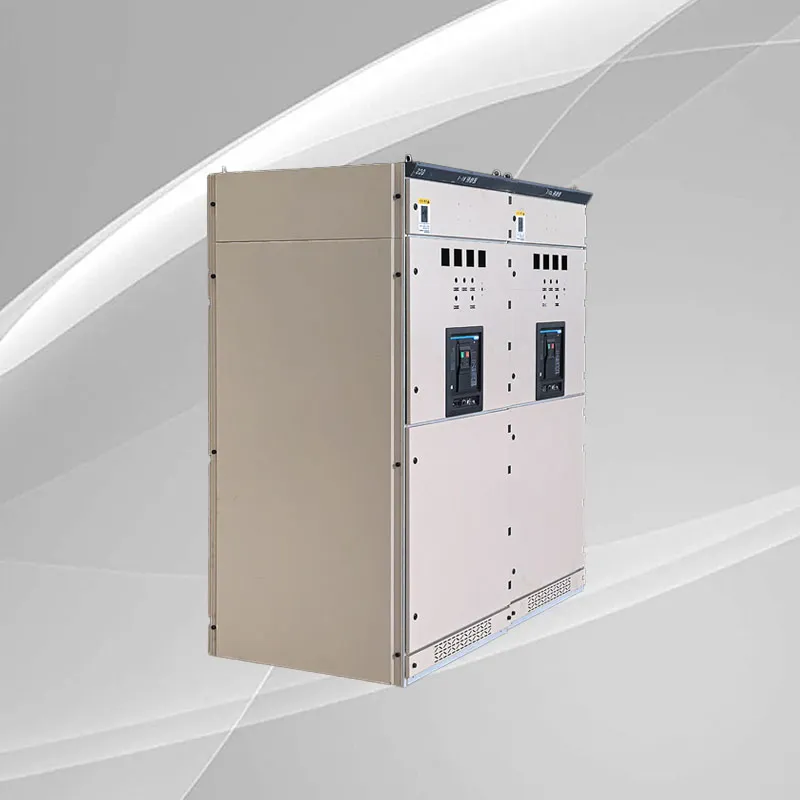 Low-voltage withdrawable distribution cabinet GCS (input cabinet)
-
 Side vacuum switch
-
 Grid connection cabinet for photovoltaic system made of stainless steel
-
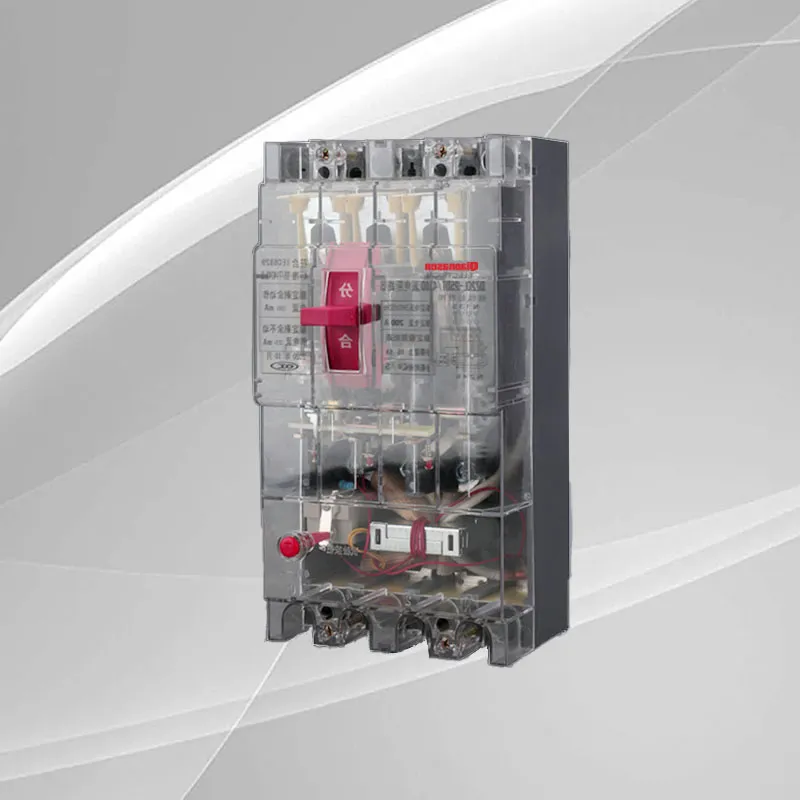 Circuit breaker with transparent plastic housing
-
 Internal power distribution cabinet
-
 VS1 ZN63-12 1250A fixed indoor high voltage vacuum circuit breaker
-
 Outdoor distribution board
-
 Complete high-voltage distribution cabinet KYN28A-12 with input and linear cells and instrument transformer compartment



