


Dry transformer overload
Dry transformer overload- This is, at first glance, a fairly straightforward problem. All textbooks talk about exceeding the rated power, overheating of the windings and, as a result, a reduction in service life. But in practice everything is much more complicated. In many cases, the cause of 'overload' may not be so much an absolute excess of power as more subtle factors - improper operation, incorrectly selected parameters, network features, even simply inaccuracies in measurements. I have come across situations where a transformer, seemingly 'overloaded', works quite stably, but others, with a clearly smaller load, fail. Therefore, simply talking about 'overload' is a simplification that often leads to incorrect conclusions and, as a result, to expensive repairs or premature replacement of equipment.
What is dry-type transformer overload and why is it dangerous?
So what do we have underdry transformer overload? In the most general sense, this is the operation of a transformer with a load exceeding its rated power. But it is important to understand that the 'power rating' is just a guide. The actual operating power is influenced by many factors: ambient temperature, altitude, power quality in the network (presence of harmonics, voltage drops), and, of course, the type of load (inductive or resistive).
Why is this dangerous? First of all, due to an increase in the temperature of the windings. Transformer windings are usually designed to withstand a certain maximum temperature. When overloaded, the temperature of the windings increases, which leads to an increase in resistance and, as a consequence, to the creation of more current. This creates a positive feedback: more current - more heating - more current... Ultimately, this can lead to damage to the winding insulation, a short circuit and, as a result, failure of the transformer. It is important to remember that overheating is not only a direct result of overload, but also a consequence of other problems such as insufficient ventilation or deteriorating oil quality (if the transformer is oil cooled - although we are talking about a *dry* transformer).
Factors leading to a false sense of overload
OftenDry transformer overloadimitated by other reasons. For example, the problem may be in the network. Unstable voltage, the presence of harmonics, short circuits in the network - all this can lead to increased current and overheating of the windings, even if the actual load on the transformer does not exceed its rated power. In such cases, simply replacing the transformer will not help. It is necessary to solve the problem in the network - for example, install harmonic filters or improve the reactive power compensation system.
Another common reason is incorrectly selected transformer parameters for a specific load. For example, a load power factor that is too low leads to an increase in current, which increases the heating of the windings. This is especially true for transformers used in systems with a large number of electronic devices.
Don't forget about the age of the transformer. Over time, the insulation of the windings deteriorates, which reduces its dielectric strength and makes the transformer more sensitive to overloads and elevated temperatures. Regular monitoring of the condition of the windings and timely replacement of the transformer are important aspects of operation.
Real example from practice
We recently worked with an industrial plant where the operating staff reported that the dry-type transformer was constantly being 'overloaded'. The ammeter readings were always close to the rated current, and the temperature of the windings was slightly above normal. The first thought is to replace the transformer. But we decided to conduct a more detailed diagnosis. It turned out that the problem was in the network: the enterprise had a lot of electronic equipment with a high reactive power factor. Harmonic filters, which had been in need of replacement for a long time, could no longer cope with the growing load. After installing new filters and optimizing the reactive power compensation system, the load on the transformer was significantly reduced, and the temperature of the windings returned to normal values.
This case shows that before drawing any conclusions about 'overloading', it is necessary to carefully analyze all the factors affecting the operation of the transformer. Sometimes the solution to a problem is not to replace equipment, but to optimize the power supply system.
Monitoring and Diagnostics: Key Tools
To prevent problems associated withdry transformer overload, it is necessary to regularly monitor its condition. This includes measuring winding temperature, voltage and current, as well as analyzing the power quality of the network. Modern monitoring devices allow you to monitor these parameters in real time and receive alerts when anomalies occur. It is also important to periodically visually inspect the transformer for insulation damage and other defects.
In addition, it is recommended to carry out regular tests of the transformer for insulation strength and short circuit. These tests reveal hidden insulation defects that can lead to transformer failure if overloaded.
Features of operation of a dry-type transformer from Wenzhou Qiaonasen Electrical Equipment LLC
At Wenzhou Qiaonasen Electrical Equipment Co., Ltd., we offer a wide range of dry-type transformer equipment designed for various industries. When designing and manufacturing our transformers, we pay special attention to reliability and durability. Transformers are made from high quality materials and meet all the requirements of international standards. We also offer diagnostics and repair services for dry transformer equipment.
When choosing a dry-type transformer, it is important to take into account not only its rated power, but also the characteristics of the load, operating temperature conditions and the quality of electricity in the network. We are always ready to provide professional advice and help you choose the optimal solution for your task.
Conclusion
Dry transformer overload– this is not always an obvious problem. Often it is only a symptom of deeper problems in the power supply system or operating conditions. Therefore, it is important to approach diagnosing and solving this problem comprehensively, taking into account all the factors affecting the operation of the transformer. Regular monitoring and diagnostics, proper operation and timely repairs are the key to long and safe operation of a dry-type transformer.
Correspondingproducts
Related Products



Best Sellingproducts
Best Selling Products-
 Power distribution cabinet
-
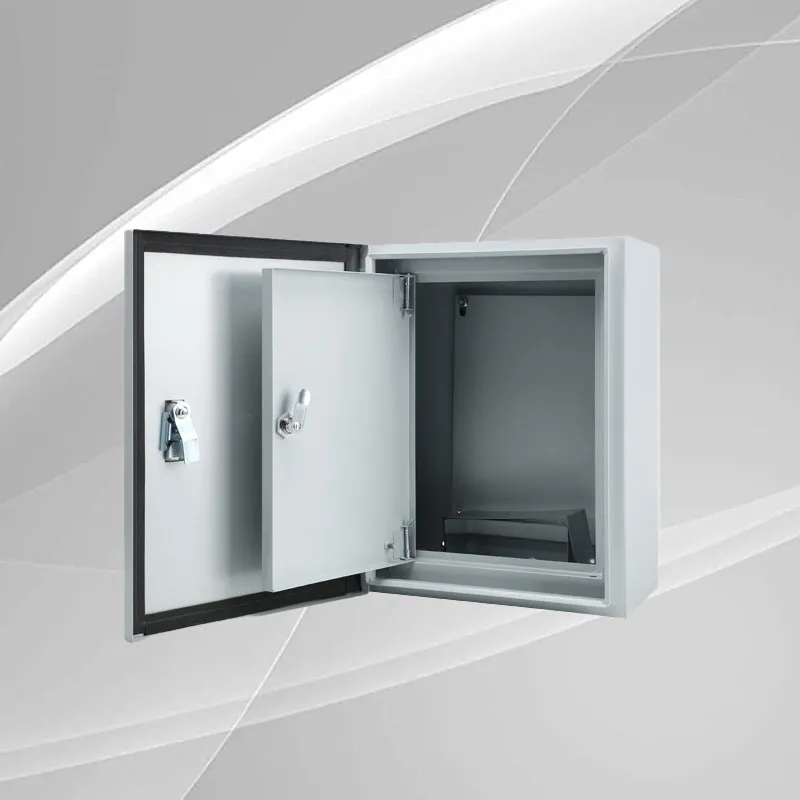 Indoor distribution cabinet with double door
-
 Outdoor distribution board
-
 JYSF6-12 fully insulated gas-filled ring distribution device
-
 Three-phase energy efficient transformer
-
 Outdoor Waterproof Stainless Steel Switchboard
-
 Circuit breaker transparent
-
 Complete low voltage distribution board made of stainless steel
-
 High voltage vacuum circuit breaker ZW20
-
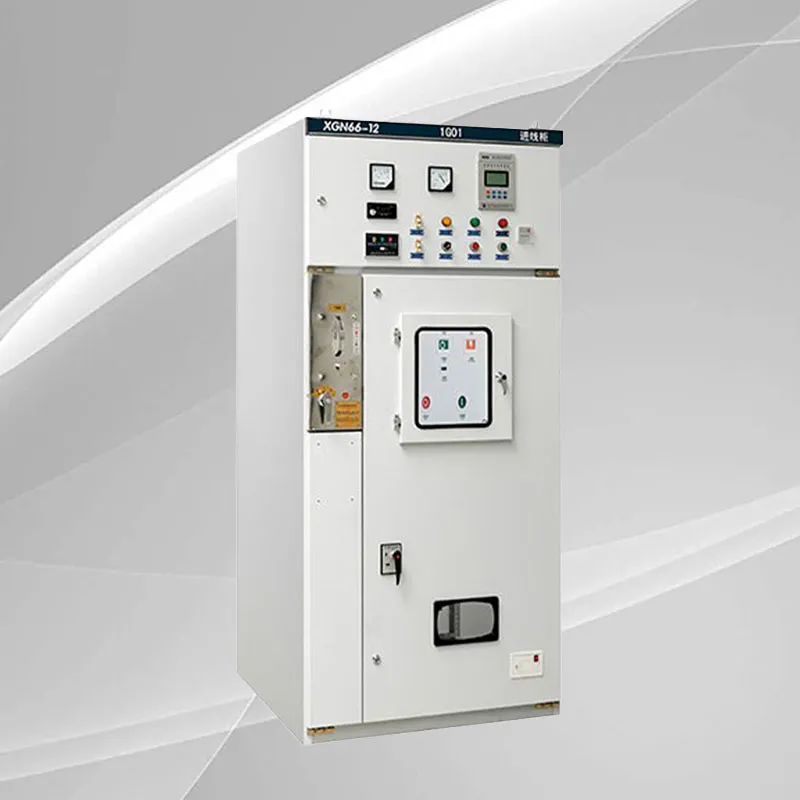 Fixed enclosed switchgear XGN66-12(Z)
-
 Miniature circuit breaker
-
 Explosion Proof Oil Induction Voltage Regulator



