


step-up power transformer
Step-up power transformer- a thing that seems simple at first glance. 'It just increases the tension,' many say. But it's not just that. There are so many nuances around these devices, especially when it comes to real-life applications. I often encounter situations where engineers forget about important aspects, which then leads to serious problems with the reliability and efficiency of the system. In this article I want to share the experience that I have accumulated over the years of working with similar equipment. I won’t go into deep theory - it’s in the textbooks, but here we’ll talk about what’s really important in design and operation.
Definition and main characteristics
First let's define what it isstep-up power transformer. It is an electromagnetic device designed to convert alternating current of one voltage into alternating current of a higher voltage. The main characteristics that you should pay attention to are the rated voltage of the primary and secondary windings, rated power, frequency range, insulation class, and efficiency.
It is important to understand that increasing voltage in itself is not a guarantee of solving problems. It affects the operation of the entire energy system and must be taken into account. Often, increasing voltage is used to reduce losses when transmitting electricity over long distances. But using it to improve the efficiency of a specific load without understanding all the consequences is a big mistake.
In practice, we often encounter the fact that customers simply want to 'raise' the voltage without thinking about how this will affect the rest of the equipment. And this, as a rule, leads to unstable operation, overloads and, ultimately, breakdowns.
Types of step-up transformers
There are several typesstep-up transformers, differing in design and operating principle. The most common: oil-based, dry, on cores with vertical and horizontal gaps. The choice of type depends on many factors: required power, operating conditions, reliability and safety requirements.
Oil transformers are traditionally considered the most reliable, but they are more bulky and require complex maintenance. Dry-type transformers are more compact and environmentally friendly, but they may be less reliable at high loads. The choice of type is greatly influenced by the climate in which the transformer will be installed.
I remember one case when we were choosing a transformer for an industrial enterprise. The customer wanted the cheapest option, and we settled on a dry transformer. As a result, a year later it failed due to overheating. It turned out that the dry-type transformer was not designed for such high loads, and its efficiency was insufficient. We had to replace it with an oil transformer, which required additional costs, but ensured reliable operation of the system.
Problems and solutions during operation
It's not enough to just buystep-up power transformerand install it. It is important to operate and maintain it correctly. Among the most common problems: overheating, insulation damage, short circuit.
Overheating is one of the most serious problems, especially under high loads. The reasons for overheating can be different: incorrectly selected transformer, insufficient cooling, overload. The solution is to choose the right transformer according to its parameters and ensure effective cooling. In some cases, it may be necessary to install additional fans or use liquid cooling systems.
Insulation damage is also a serious problem and can lead to a short circuit. The causes of insulation damage can be different: overvoltage, insulation aging, mechanical damage. The solution is to use quality transformers with reliable insulation and carry out insulation tests regularly.
Installation and connection features
Installation and connectionstep-up power transformermust be performed by qualified specialists in accordance with the requirements of regulatory documents. It is important to follow safety rules and properly ground the transformer. Improper installation may result in hazardous situations such as electric shock and fire.
Particular attention should be paid to the correct connection of the windings. Incorrect connection can lead to improper operation of the transformer and even to its failure. You must carefully study the connection diagram and make sure that all connections are made correctly.
In our company, there are often cases when transformers are connected incorrectly. This leads to unstable operation of the system and requires expensive repairs. Therefore, we always carefully check the correct connection before putting the transformer into operation.
Supplier selection and warranty obligations
When choosing a supplierstep-up power transformerYou should pay attention to his reputation, work experience and availability of quality certificates. It is important to ensure that the supplier provides warranty and technical support.
Don't skimp on the quality of your equipment. A cheap transformer can quickly fail and lead to significant losses. It is better to choose a more expensive but reliable transformer that will last for many years.
We work with several transformer suppliers, and each of them has its own advantages and disadvantages. The choice of supplier depends on the specific requirements of the customer and the project budget. It is important to carefully study the offers of different suppliers and choose the most suitable option.
Wenzhou Qiaonasen Electrical Equipment Co.,Ltd and our solutions
Wenzhou Qiaonasen Electrical Equipment Co.,Ltd specializes in supplying a wide range of electrical equipment, includingstep-up power transformers. We offer transformers of various types and capacities to meet the requirements of a wide variety of projects. Our company cooperates only with trusted manufacturers, which guarantees high quality and reliability of the equipment.
We don't just sell transformers - we offer comprehensive solutions, including design, installation and maintenance. Our specialists will help you choose the optimal transformer for your application and ensure its correct operation.
If you requirestep-up power transformer, contact us. We will help you solve any problem related to power supply.
Conclusion
In conclusion, I would like to say that choice and exploitationstep-up power transformeris a responsible task that requires knowledge and experience. You should not skimp on the quality of equipment and neglect operating rules. Only in this case will you be able to ensure reliable and efficient operation of the power supply system. Remember that investing in quality equipment pays off in the long run. And, as practice shows, saving at the acquisition stage often costs much more in the future.
Correspondingproducts
Related Products


电动智能户外柱上高压真空断路分合闸开关.2.webp)


Best Sellingproducts
Best Selling Products-
 Internal high-voltage disconnector GN19-630A with double input and grounding contact
-
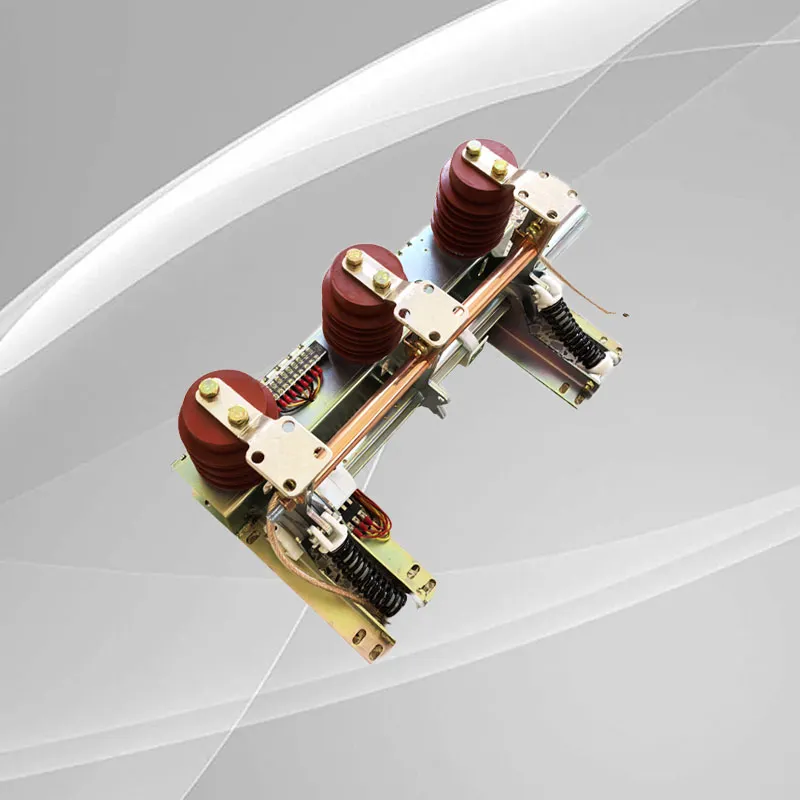 Internal high voltage grounding switch
-
 Power distribution cabinet
-
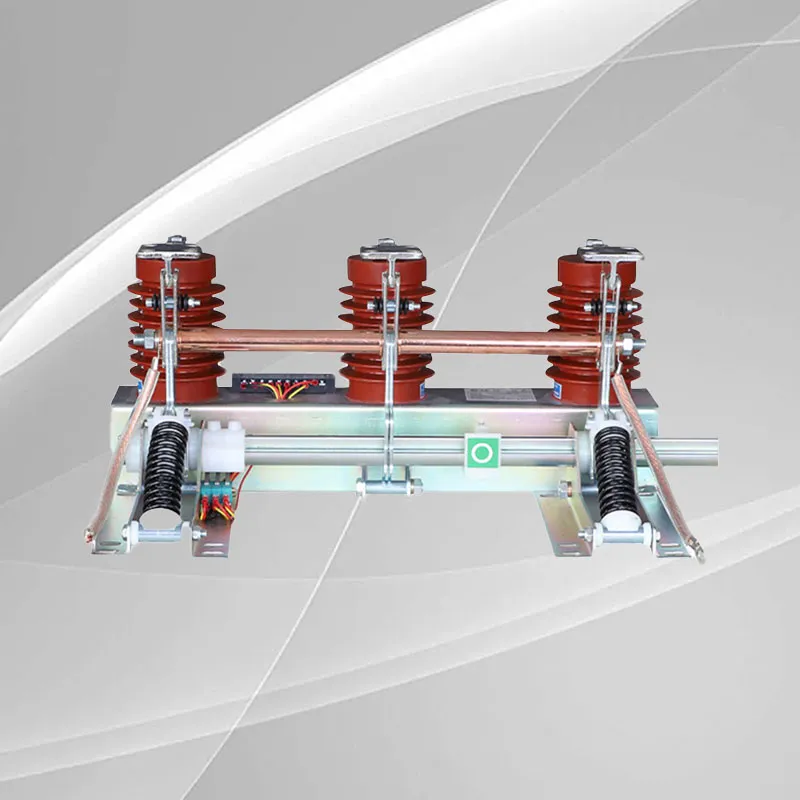 Indoor high voltage earthing switch type JN15
-
 High voltage internal switch
-
 Power distribution cabinet
-
 Low-voltage withdrawable switchgears MNS
-
 Internal power distribution cabinet
-
 Residual current switch
-
 Switch cabinet with double doors
-
 Outdoor Single Phase Waterproof Transparent Plastic Electricity Meter Shield
-
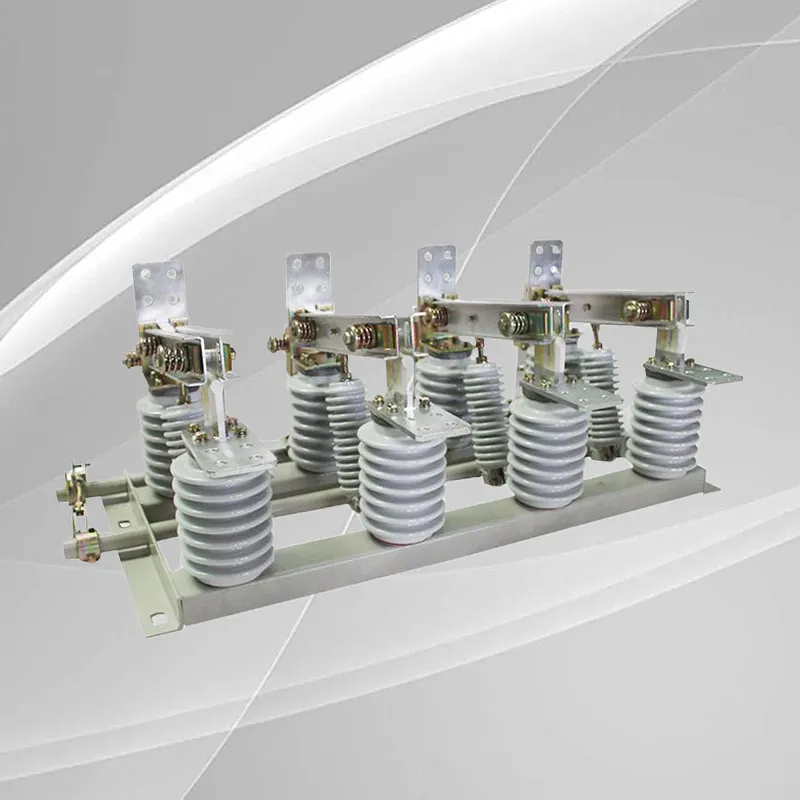 High voltage isolation switch GN24-12 for indoor use
Relatedsearch
Related Search- GOST designation circuit breakers
- buy power transformers in St. Petersburg
- machine control transformer
- distribution boards ip 31
- adjustment of power transformers
- Energy saving transformers Oil transformers
- input switchboard 3
- power transformer TM 400 10
- power distribution boards shchs
- distribution board iek prime



