


regulation of power transformers
Everyone often talks about increasing efficiencyregulation of power transformers, about new algorithms and intelligent control systems. But in practice, as my experience shows, often the biggest problems arise not with advanced technologies, but with basic parameters and understanding the influence of external factors. Many people try to solve all problems with one 'smart' controller, forgetting that a transformer is a rather complex system that requires an integrated approach. Let's look at what is really important for stable and efficient workpower transformersand what is just a fashion trend.
About problems with traditional methods of regulation
Traditional methodsregulation of power transformers, based on changes in the transformation ratio, rely heavily on mechanical solutions - changing the number of windings. This, of course, works, but is associated with serious limitations: high cost, complexity and labor-intensive retooling. In addition, such methods do not always allow accurate control of transformer parameters in real time, especially when the load changes. I remember one case where we were trying to optimize a transformer for variable load operation in an industrial workshop. Transferring between fixed configurations resulted in significant overloads and power surges, despite all the calculations.
The problem is compounded by the fact that the load on the transformer is rarely stable. Constant fluctuations in current and voltage require rapid adaptation of the control system. Older systems are typically unable to respond to such changes quickly enough, resulting in reduced efficiency and even equipment damage. This often happens because control systems do not take into account the dynamic characteristics of the load, for example, the nature of the current change when starting an electric motor.
Another point that is often overlooked is the influence of the environment. Temperature, humidity and air pollution can significantly affect transformer parameters such as insulation resistance and winding losses. If these factors are not taken into account whenregulation of power transformers, then the control system may issue incorrect commands, which will lead to unstable operation of the equipment.
Modern approaches to regulation: what's new?
Modern approaches toregulation of power transformers, based on the use of microprocessor control systems (MPCS) and modern sensors. These systems allow you to continuously monitor the main parameters of the transformer - voltage, current, temperature, oil level - and automatically adjust control settings. For example, you can use a system that automatically adjusts the transformer output voltage to match the current load, minimizing losses and ensuring a stable power supply. At Wenzhou Qiaonasen Electrical Equipment LLC, we successfully apply such solutions, especially in tasks where high accuracy and reliability of equipment operation are important.
Using PID controllers and adaptive algorithms
Most modern control systems use PID (proportional-integral-derivative) controllers to maintain transformer setpoints. These regulators allow you to quickly and efficiently respond to load changes and minimize deviations from set values. However, for more complex problems, adaptive algorithms are often used that automatically adjust the controller parameters depending on the current operating conditions of the transformer. For example, you can use an algorithm that takes into account changes in transformer parameters with temperature to ensure stable operation of the equipment under different environmental conditions.
Applications of digital twins
Another promising area is the use of digital twinspower transformers. A digital twin is a virtual copy of a real transformer, which allows you to simulate its operation under various conditions and predict its behavior. This allows you to optimize control parameters, identify potential problems and reduce the risk of accidents. For example, you can use a digital twin to test different control algorithms and select the most effective solution. We at Wenzhou Qiaonasen Electrical Equipment Co., Ltd. have experience in creating digital twins of transformers based on data obtained from sensors and controllers, and offer services for their development and implementation.
Experience and mistakes: what not to do
I have seen many projects onregulation of power transformers, and, unfortunately, not all of them were successful. One common mistake is to underestimate the role of accurate sensor calibration. If the sensors are not calibrated correctly, the control system will issue incorrect commands, which will lead to unstable operation of the equipment. It is necessary to regularly calibrate sensors and compare their readings with real values. In addition, it is important to consider sensor errors when developing control algorithms.
Another mistake is using too aggressive control algorithms. Aggressive algorithms can lead to transformer overload and even damage. It is necessary to select control algorithms that provide an optimal balance between response speed and equipment safety. In some cases, it is better to use more conservative algorithms that are less sensitive to load changes but provide higher operational reliability.
Finally, it is important to remember the need for regular maintenance and monitoring of the control system. The control system should be regularly checked for errors, and identified problems should be corrected in a timely manner. In addition, sensor data must be analyzed regularly to identify potential problems and predict transformer behavior.
Conclusion: Comprehensively towards effective regulation
To summarize, I would like to say that effectiveregulation of power transformersis a complex task that requires taking into account many factors. You should not rely only on advanced technologies - it is important to start with basic parameters and an understanding of the principles of operation of the transformer. It is necessary to carefully select control algorithms, take into account sensor errors, and regularly maintain and monitor the control system. This is the only way to achieve stable and efficient operation of the equipment and extend its service life. Wenzhou Qiaonasen Electrical Equipment LLC is ready to offer its customers comprehensive solutions forregulation of power transformers, based on many years of experience and deep knowledge in the field of electrical energy. You can find more information on our website:https://www.qnasen.ru.
Correspondingproducts
Related Products

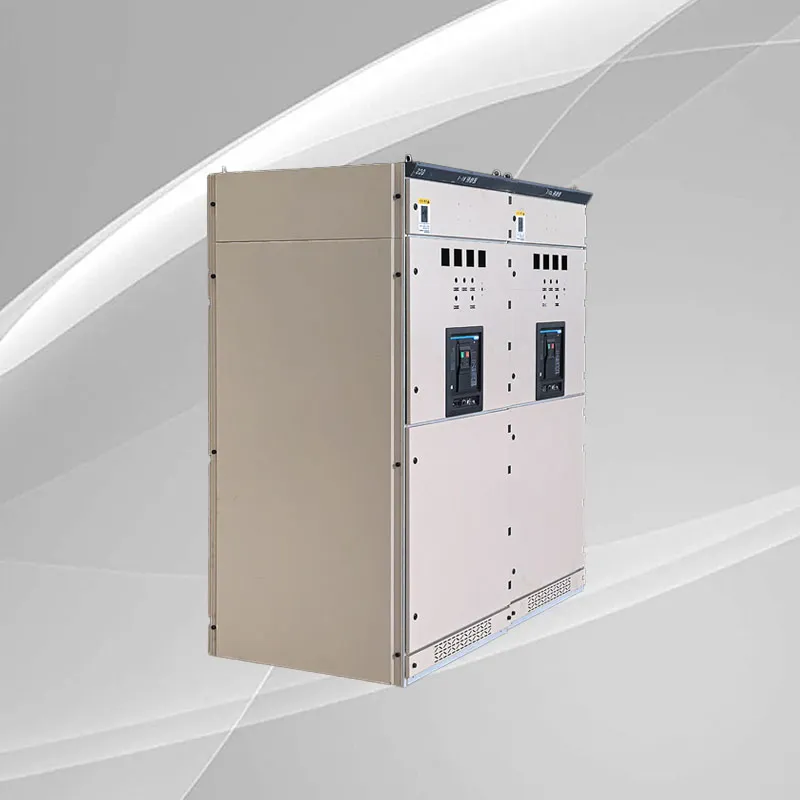


Best Sellingproducts
Best Selling Products-
 Miniature circuit breaker
-
 Outdoor High Voltage Smart Vacuum Circuit Breaker
-
 High voltage vacuum circuit breaker ZW20
-
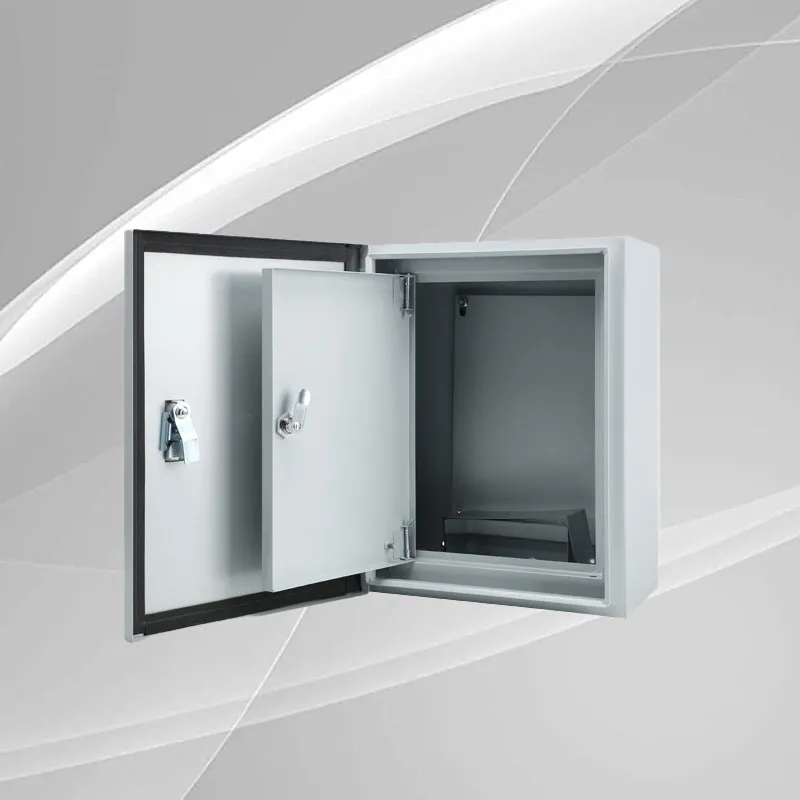 Indoor distribution cabinet with double door
-
 XGN15-12 AC High Voltage Ring Switchgear with Sulfur Hexafluoride
-
 KYN28A-12 Internal structure of medium voltage switch with metal armor
-
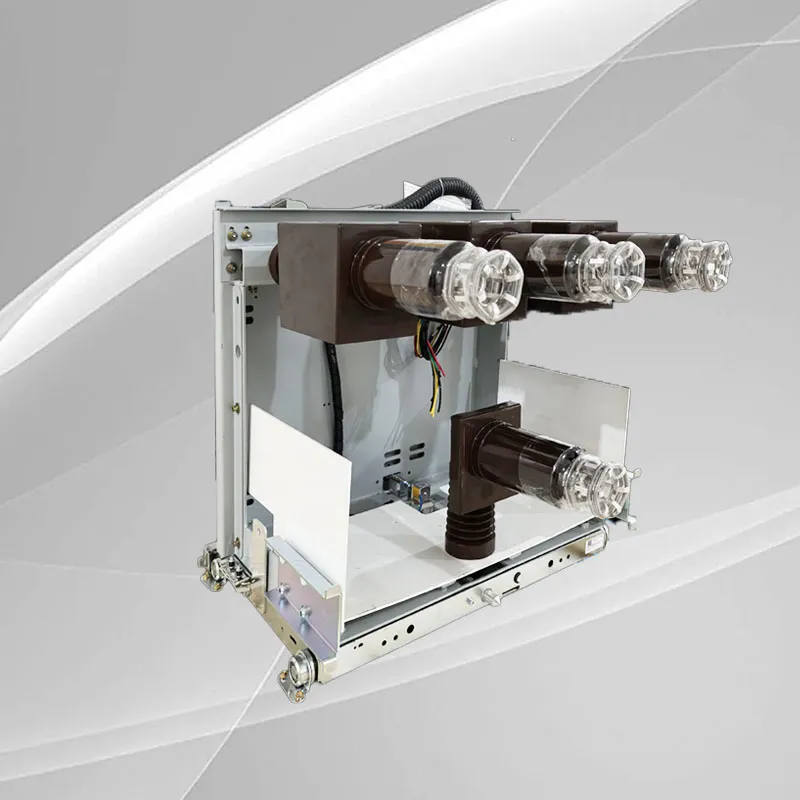 Withdrawable element for electricity metering for four contacts with three voltage transformers
-
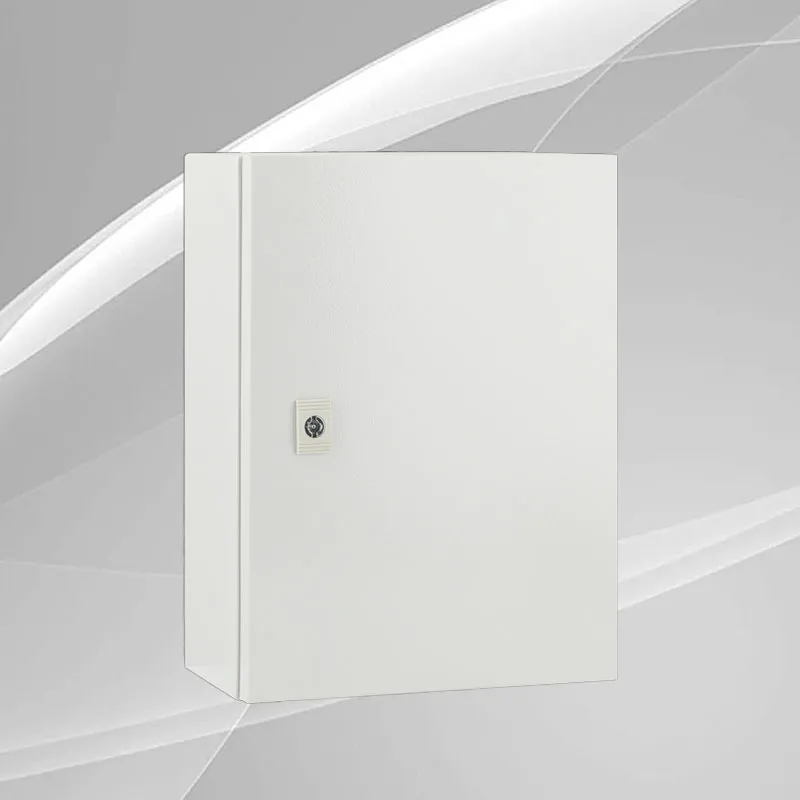 Apartment switchboard
-
 Internal power distribution cabinet
-
 Complete low voltage distribution board made of stainless steel
-
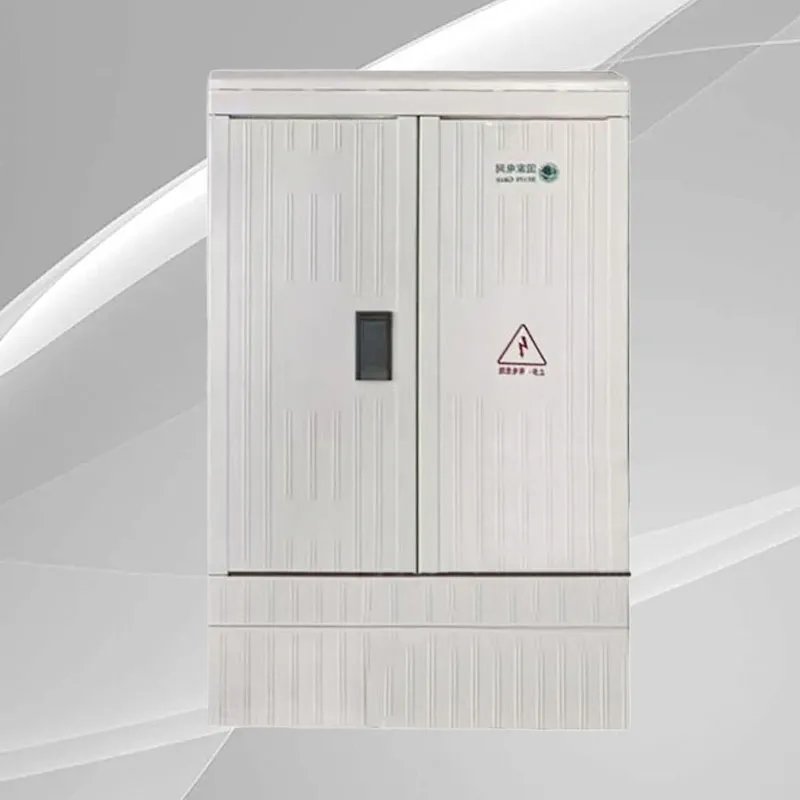 Thickened fiberglass housing for low voltage cable distribution board
-
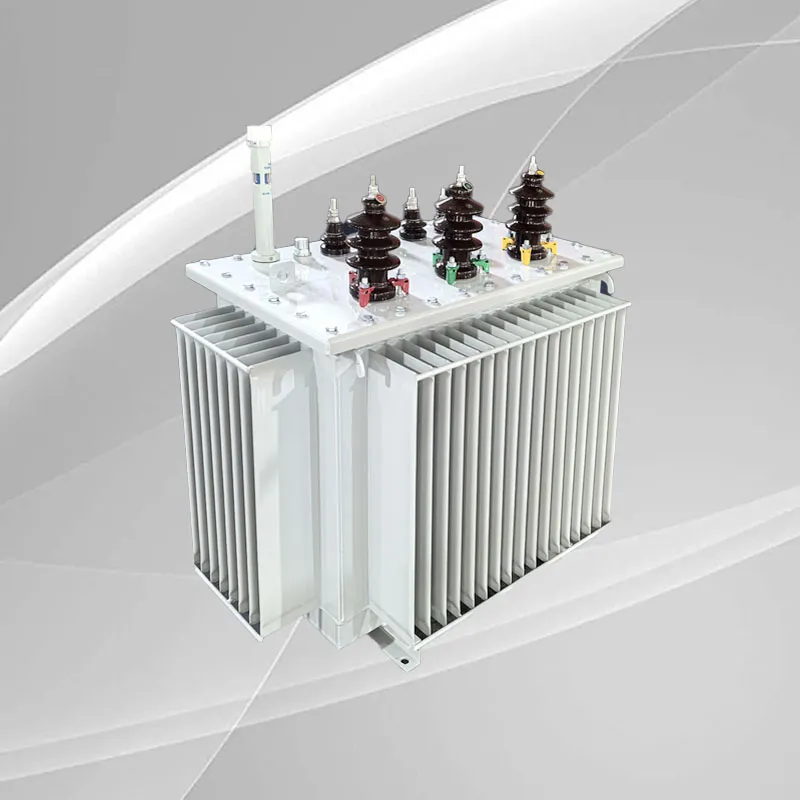 Oil power transformer
Relatedsearch
Related Search- China dry high voltage transformers
- we will buy circuit breakers VA 47
- circuit breaker 690 V
- circuit breaker 3p 6a
- which distribution board to choose?
- Avito I will buy a power transformer
- distribution board schrn 16
- circuit breaker s201 1 pole
- circuit breakers merlin gerin
- China Magnetic Core Power Transformer



