


dry transformer adjustment
Dry transformer adjustment– a topic that often causes misunderstanding. Many people think that it's just a matter of unscrewing a screw to get the desired output current. But, as practice has shown over the years of working with various models, there are many more nuances in this process than it seems at first glance. We often see attempts to 'tune' a transformer without understanding its operating principles, which leads to unpredictable results and even equipment breakdown. Therefore, today I want to share my observations and experience, I hope it will be useful.
What is a dry-type transformer and why is it important to configure it correctly?
First of all, let's understand what a dry-type transformer is. It is essentially a transformer that uses air gap windings instead of oil insulation. This makes it more environmentally friendly and safe, but, at the same time, more sensitive to external factors and requiring more precise settings. That's whydry transformer adjustment- not just a routine procedure, but an important stage that affects the efficiency and durability of all energy equipment. Incorrect setting can lead to overload of the windings, overheating and, as a result, failure of the transformer. This is especially critical for transformers used in sensitive control systems.
Why do you need setup at all? The main task is to achieve an optimal ratio between input and output current, as well as to minimize energy losses. Ideally, the transformer should operate at maximum efficiency. In a dry-type transformer, this is achieved by finely adjusting the position of the transformer regulator. Moreover, this adjustment is not static; it can change depending on the load and ambient temperature. We at Wenzhou Qiaonasen Electrical Equipment Co., Ltd. often have to deal with situations where the previous 'settings' turn out to be inadequate when the operating mode of the system changes. This happens when the influence of various factors, such as changes in network voltage or load changes, is not taken into account.
Basic steps and tools for adjustment
Processdry transformer adjustmentincludes several stages. It all starts with a visual inspection of the transformer - checking for insulation damage, signs of overheating and corrosion. Next is the measurement of voltage and current in the windings. It is important to use quality measuring instruments to obtain accurate data. And, of course, it is necessary to follow all safety rules when working with electrical equipment. In our work, we use both classical measuring instruments (voltmeters, ammeters) and modern network analyzers, which allow us to obtain a more complete picture of the operation of the transformer. These analyzers are very useful for identifying hidden problems that may not be visible when using only standard instruments.
The main tool for adjustment is, of course, the transformer regulator. It allows you to change the magnetic flux in the transformer core, which in turn affects the output voltage. It is important to understand the principle of operation of this regulator and not to overdo it with adjustments. Over-adjustment may cause the core to overheat and damage it. By the way, we often encounter problems when the transformer regulator jams or loses its sensitivity. This may be due to worn mechanical parts or contamination. In such cases, repair or replacement of the regulator is required.
Common mistakes and how to avoid them
Errors whendry transformer adjustmentcan be very expensive. One of the most common is ignoring the manufacturer's recommendations. Each transformer has its own characteristics, and incorrect settings based on general recommendations can lead to undesirable consequences. It is important to study the documentation for your specific transformer model and follow the manufacturer's instructions. Another mistake is working in a hurry and without sufficient experience.Dry transformer adjustment– this is not something you can do 'at random'. This requires certain knowledge and skills. We at Wenzhou Qiaonasen Electrical Equipment Co., Ltd. provide professional setup and maintenance services for dry-type transformer equipment, allowing our customers to avoid these mistakes.
It is also important to remember the effect of load on output voltage. The transformer must be adjusted at the expected load. If the load changes, the adjustment must be made again. For example, when we service transformers in industrial plants, we always take into account possible changes in load, such as turning equipment on or off. This allows us to achieve optimal transformer performance in all conditions.
Practical example: adjustment of a dry-type transformer in a distribution board
We recently serviced a distribution board at one of our manufacturing plants. A dry transformer was installed in the panel, which was used to reduce the voltage to 220 volts. After making changes to the power supply circuit, it turned out that the voltage at the transformer output was significantly lower than required. A rough analysis showed that the cause was an incorrect setting of the transformer regulator. After careful adjustment, taking into account the new load, the voltage at the transformer output was restored to the required level. This example shows how important the correct setting of a dry-type transformer is to ensure the normal operation of all electrical equipment.
Maintenance and routine checks
Tuning is only part of the comprehensive maintenance of a dry-type transformer. It is important to carry out regularly scheduled inspections and maintenance. This includes checking the insulation, cleaning of dust and contaminants, and checking the functionality of the transformer regulator. We at Wenzhou Qiaonasen Electrical Equipment Co., Ltd. offer routine inspection and maintenance services for dry-type transformer equipment. This allows our customers to prevent possible breakdowns and extend the life of the equipment.
In conclusion, I want to say thatdry transformer adjustment- This is a responsible task that requires certain knowledge and skills. You should not trust this task to non-professionals. It is better to contact specialists who have experience working with various models of transformers and know all the nuances of this process. This will allow you to avoid costly mistakes and ensure reliable operation of your power equipment.
Correspondingproducts
Related Products



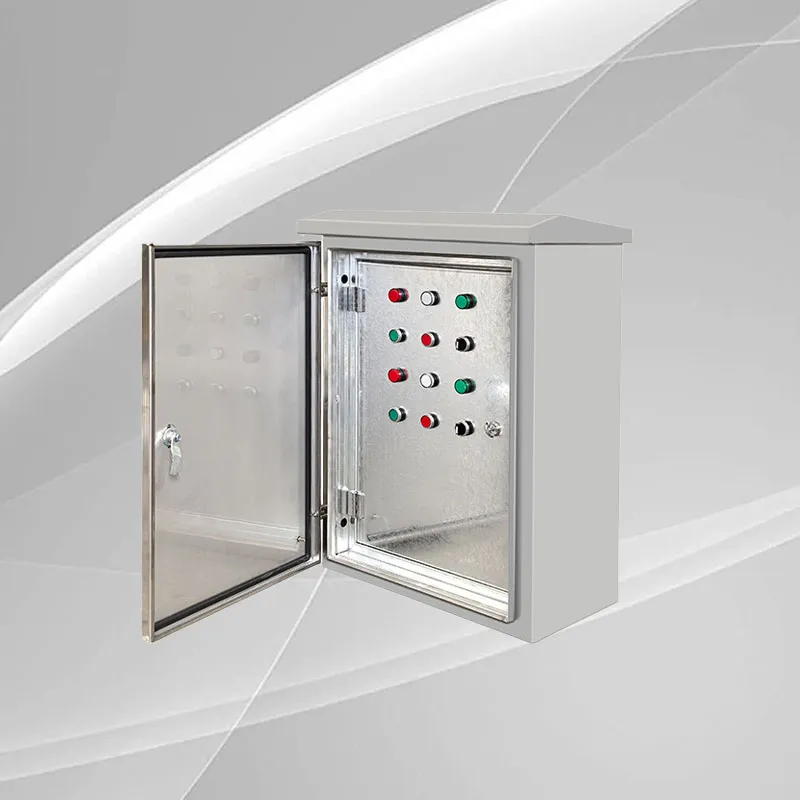
Best Sellingproducts
Best Selling Products-
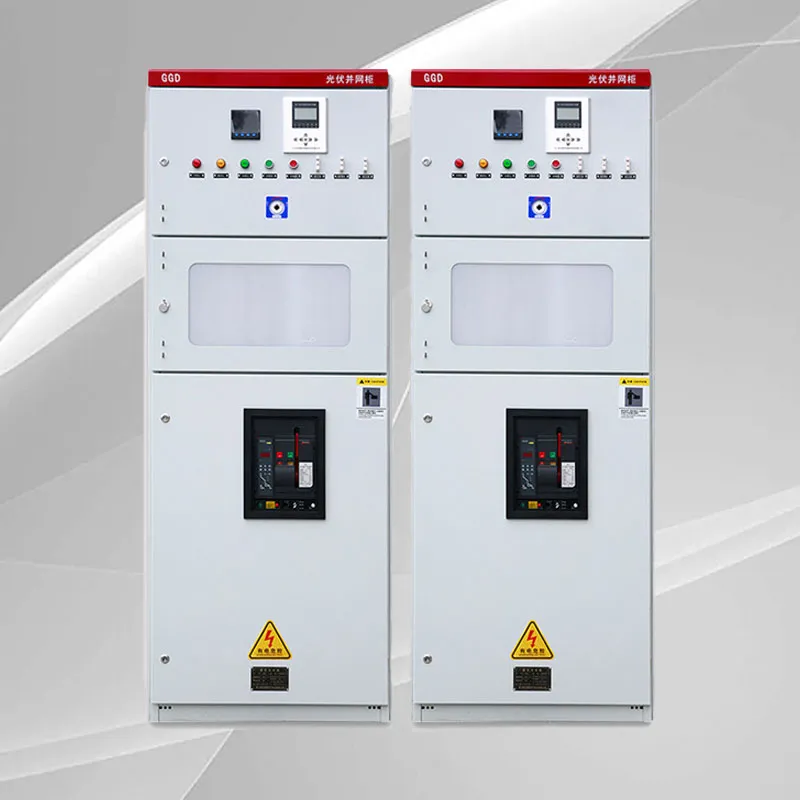 GGD cabinet for network connection of photovoltaic systems
-
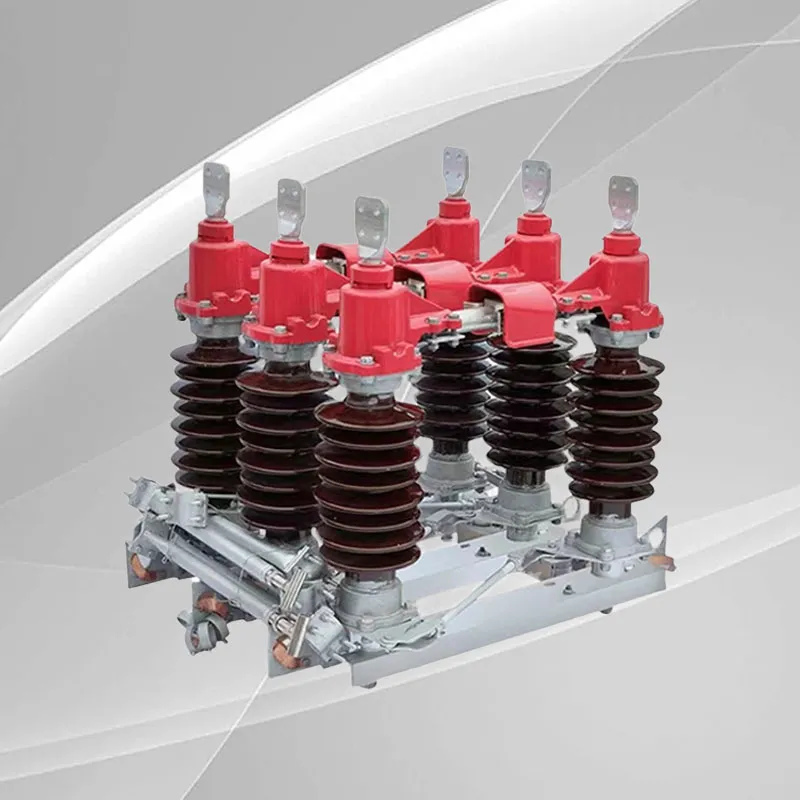 Outdoor high voltage isolating switch type GW4-40.5
-
 Side vacuum switch
-
 Miniature circuit breaker
-
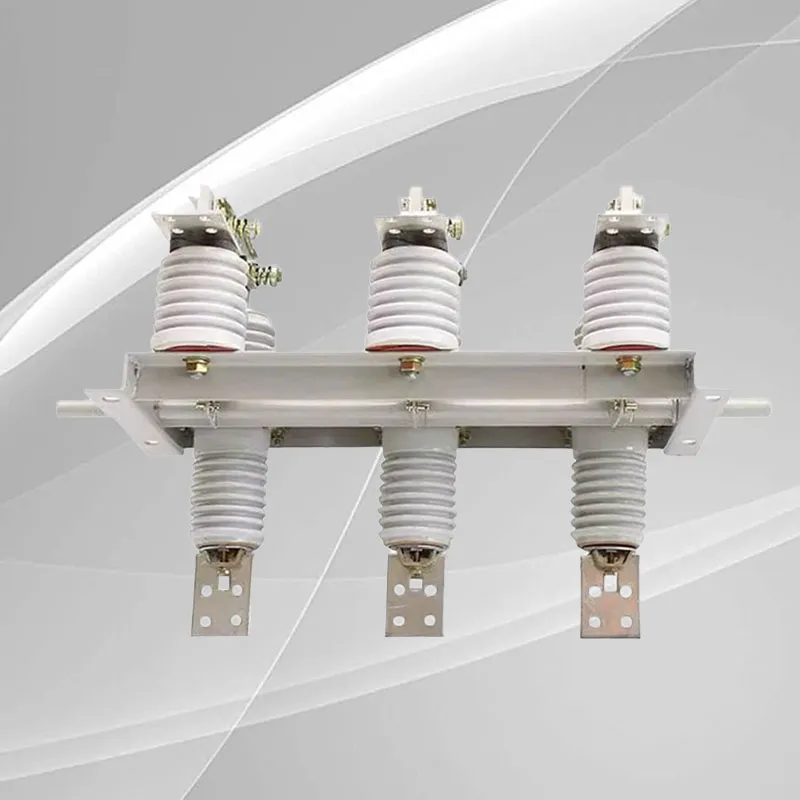 Internal high voltage disconnector type GN19-12C
-
 Automatic circuit breaker DZ15 in plastic shell
-
 Ground Outdoor Waterproof Distribution Cabinet
-
 Complete low voltage distribution board made of stainless steel
-
 DZ15LE Leakage Current Circuit Breaker - White 3P 4P Low Voltage AC
-
 Internal high-voltage disconnector GN19-630A with double input and grounding contact
-
 Blade contact disconnector ZW10-12
-
 XGN66-1210KV High Voltage Ring Cabinet



