


power transformer 35 10 kV
Power transformers 35/10 kV- this is the heart of power systems, and therefore the reliability of their operation directly affects the stability of the entire enterprise. Often, when designing and installing, they look at the basic principles and specifics of the operation of these particular devices. I would like to share my experience, the difficulties that have arisen and, perhaps, some misconceptions that are sometimes encountered in practice.
General characteristics and scope
Transformer 35/10 kV, as the name suggests, is designed to reduce the voltage from 35 kilovolts to 10 kilovolts. This is a classic solution for distribution networks of industrial enterprises, large commercial facilities, as well as for connection to the power grid. In theory, everything is simple: changing voltage through electromagnetic induction. But in practice, as always, a lot of 'buts' arise. When designing, it is imperative to take into account not only the nominal parameters, but also the characteristics of the load, operating mode, as well as operating conditions - temperature range, humidity, vibration, etc. You can't just take the first one you come across.transformer 35/10 kVand say that it will do.
I remember one case when we were faced with the problem of overheating of a transformer operating in conditions of high humidity. It turned out that the chosen onetransformer 35/10 kVhad an insufficient level of protection from moisture, and the cooling system was designed for different conditions. It was a painful lesson that taught us to carefully evaluate all factors before choosing equipment.
Main technical characteristics
Well, this is a standard set. Rated power, no-load and short-circuit losses, insulation class, degree of protection (IP), cooling method (dry, oil, air-cooled). All these are fundamental parameters, without which we cannot talk about performance. Sometimes, unfortunately, in the documentation ontransformer 35/10 kVYou may encounter incomplete or inaccurate information. Therefore, it is always useful to double-check the data, especially when it comes to outdated equipment.
Installation and connection: critical points
Installationpower transformer 35/10 kV– this is a responsible event that requires strict adherence to safety regulations and technological discipline. The role of qualified personnel cannot be underestimated. Incorrectly performed installation work can lead to serious consequences, including an accident.
Particular attention should be paid to grounding the transformer housing and its lightning protection. This is critical to ensure the safety of personnel and equipment. Otherwise, even a small short circuit may result in electric shock.
Grounding and lightning protection: testing and control
During installation, you must ensure that the grounding is reliable and that the lightning protection is installed correctly. There is often a practice of saving on these elements, which is a serious mistake. Even if it seems that the risks are minimal, it is better to be safe. The use of high-quality materials and professional equipment is not an expense item, but an investment in safety and reliability.
We once encountered a situation where, when testing a transformer, low grounding resistance was detected. After carrying out additional work to strengthen the grounding, the problem was solved. This is an example of how important it is not to neglect even minor deviations from the norm.
Operation and Maintenance: Prevention is Better than Cure
After installation, it is important to properly operate and maintainpower transformer 35/10 kV. Regular checks of operating parameters, cleaning of contaminants, monitoring the oil level (for oil transformers) - all this is necessary to extend the service life of the equipment.
It is important to monitor the condition of the cooling system and promptly correct any malfunctions. The transformer must not be allowed to overheat, as this can lead to damage to the insulation and a subsequent accident. We recommend that routine inspections and tests of transformers be carried out at least once a year.
Features of diagnostics and repair
Diagnosticstransformer 35/10 kV- This is a complex task that requires the use of specialized equipment and qualified specialists. The most commonly used methods are to measure insulation resistance, magnetic characteristics and other parameters. Based on the diagnostic results, hidden defects can be identified and serious accidents can be prevented.
Transformer repair is also a complex process that requires adherence to strict safety regulations and technological discipline. Repairs should not be allowed without preliminary diagnosis and a clear understanding of the causes of the malfunction. In many cases, it is easier and safer to replace a damaged transformer than to attempt to repair it.
Possible problems and their solutions
During operationpower transformer 35/10 kVVarious problems may arise. The most common of them are overheating, insulation damage, oil leaks (for oil transformers), and malfunctions in the cooling system. If any of these problems occur, you should immediately contact a professional for diagnosis and repair.
We were faced with the problem of 'spontaneous combustion' of a transformer due to insulation damage. Fortunately, we were able to detect the problem in a timely manner and prevent a serious accident. This is an example of how important it is to carry out regular insulation checks and promptly repair any damage.
We are engaged in the design and installation of electrical equipment systems, including usingtransformers 35/10 kV. If you need advice or assistance in choosing equipment, contact us. Our company Wenzhou Qiaonasen Electrical Equipment Co.,Ltd specializes in high and low voltage transmission and distribution solutions and electrical control systems. Our website: https://www.qnasen.ru.
In conclusion, I want to say thatpower transformer 35/10 kV- This is complex and important equipment that requires careful attention and qualified maintenance. The rules of safety and technological discipline must not be neglected. Only in this case can reliable and uninterrupted operation of the power system be ensured.
Correspondingproducts
Related Products


Best Sellingproducts
Best Selling Products-
 VS1 ZN63-12 1250A fixed indoor high voltage vacuum circuit breaker
-
 MBM1 is a circuit breaker in a plastic case with short circuit and overload protection.
-
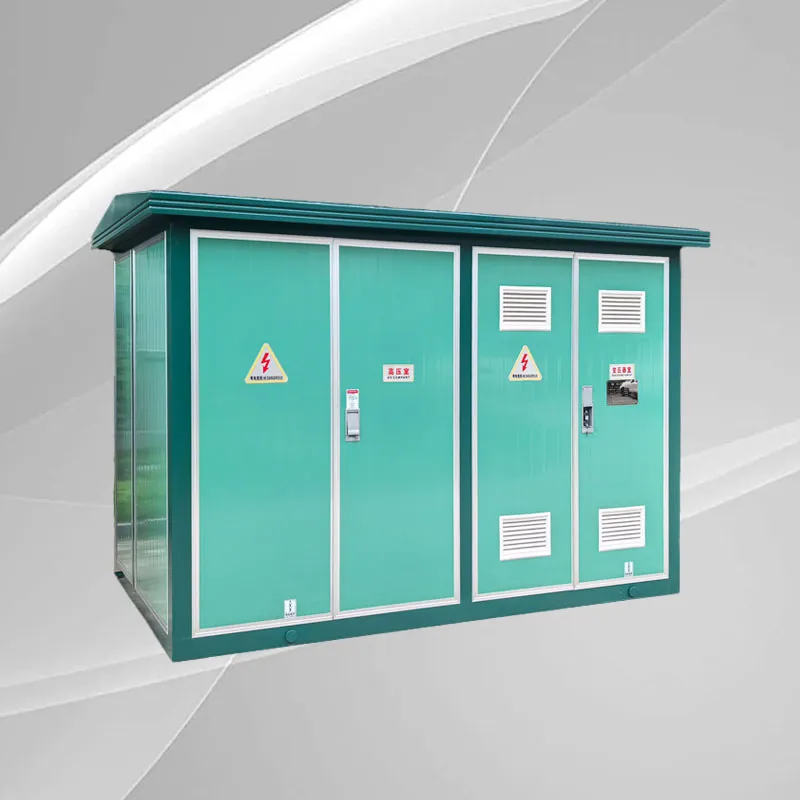 Complete outdoor transformer substation of European type
-
 Withdrawable element for electricity metering
-
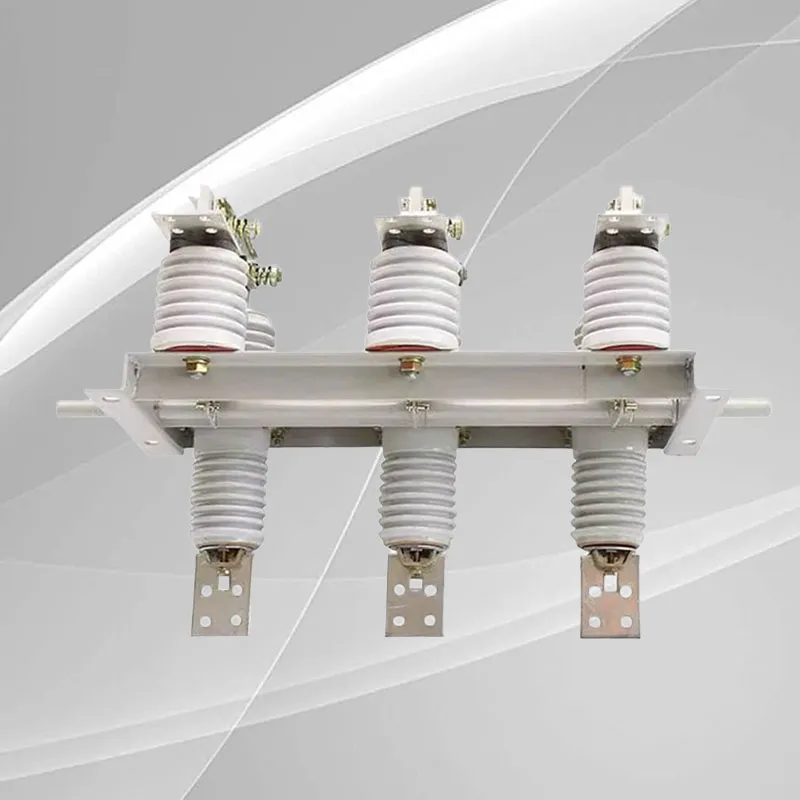 Internal high voltage disconnector type GN19-12C
-
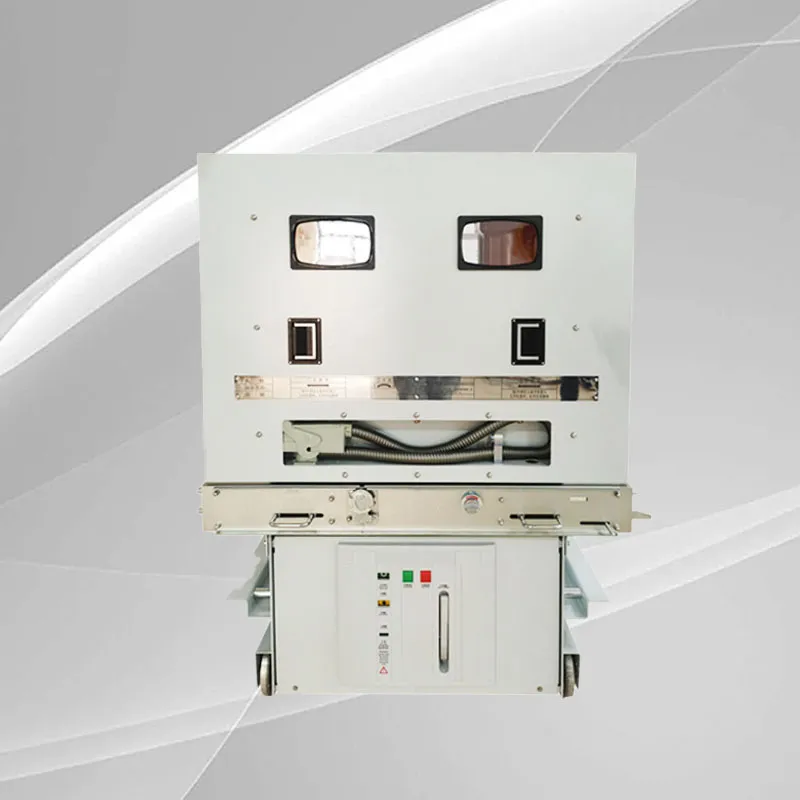 High Voltage Vacuum Circuit Breaker
-
 Complete ring distributor with JYSF6-12 full insulation and charging gas
-
 XGN15-12 Gas Insulated Ring Distribution Unit Output Cell
-
 Stainless steel meter panel
-
 Internal high voltage grounding switch
-
 Metal Enclosed Stationary AC Switchgear XGN15-12
-
 Switchgear with ATS BRSM



