


rigonda 102 power transformer
**rigonda 102** is often talked about as a reliable, proven option for distribution networks. But many, especially those new to the power industry, tend to perceive them as a 'black box', simply as a device that provides the required voltage. This is not entirely true. In fact, understanding the operating features and potential weaknesses of this particular model, as well as its adaptation to specific operating conditions, is the key to the durability and safety of the entire system. This is not just a purchase - it is a conscious choice based on an analysis of many factors.
Review: What you should pay attention to when choosing a power transformer
Power transformer- This is a key element of the electrical supply, and the wrong choice can lead to serious problems. We are not just talking about power, but about characteristics that affect performance and service life. Therefore, although **rigonda 102** is popular, it should not be considered a universal solution. It is important to consider the type of load, network features, climatic conditions and, of course, safety requirements. Wenzhou Qiaonasen Electrical Equipment Co., Ltd., which deals with power transmission and distribution solutions, regularly encounters situations where simply specifying the power is not enough. A deep analysis is needed.
Types of transformers and their applications
There are different types of power transformers: oil, dry, autotransformers, etc. Each type has its own advantages and disadvantages. Oil-based ones, for example, are usually more reliable and have better cooling, but require more complex maintenance. Dry transformers are easier to install and do not require the use of oil, but can be more expensive. The choice of type depends on the specific task. In some cases, to reduce losses, it makes sense to consider autotransformers - especially if a small difference in voltage is needed.
Important characteristics: power, voltage, losses
Power (kVA or kW) is, of course, important, but not enough. It is necessary to take into account power losses in the windings, idling and short circuits. Power losses directly affect the efficiency of the transformer and its heat dissipation. High losses lead to overheating and shortened service life. The best option is a balance between power and efficiency.
Climatic conditions and transformer protection
Operating conditions are another important factor. In hot climates, the operating temperature must be taken into account; in cold climates, protection against icing must be taken into account. It is also important to consider the degree of protection from external influences (IP rating) and the presence of circuit breakers and other protection devices against overloads and short circuits. In our practice, there are often cases when a transformer is selected based on power, without taking into account the climatic characteristics of the region. This leads to premature failure and costly repairs.
Experience with power transformers of the rigonda type 102
Over the years of working with various models, including the **Rigonda 102**, we have identified several key points. Firstly, the quality of insulation is a critical parameter. Poor quality insulation leads to breakdowns and damage to the transformer. Secondly, proper installation and connection is the key to reliable operation. Incorrect connection can lead to winding overload and overheating. We have repeatedly encountered problems arising due to non-compliance with installation rules.
Real case: transformer overheating due to improper ventilation
We recently received a request to check the operation of the **rigonda 102** transformer in an industrial building. During the examination, it turned out that the ventilation of the transformer box was difficult. As a result, the transformer overheated, which led to a decrease in its power and a shortened service life. After installing an additional ventilation system, the problem was solved.
Idling problems and short circuits
It is also important to consider the open circuit and short circuit characteristics. An idle speed that is too high means large power losses, while an idle speed that is too low may indicate problems with the windings. Short circuit characteristics are used to select protective devices. In some cases, a transformer with certain short-circuit characteristics is selected to ensure effective operation of protective devices and minimize short-circuit damage to equipment.
Alternative solutions and current trends
While the **rigonda 102** is still a popular choice, more modern alternatives are emerging. For example, transformers with improved characteristics, higher efficiency and smaller dimensions. There are also transformers with digital monitoring of operating parameters, which allows you to quickly identify and fix problems.
Use of digital monitoring systems
Digital monitoring systems allow you to monitor parameters such as voltage, current, winding temperature, oil level (for oil transformers), etc. This allows you to quickly identify anomalies and prevent emergency situations. In our company, we are actively implementing digital monitoring systems, which can significantly increase the reliability and safety of power supply.
Energy efficient transformers
Modern transformers with improved designs and the use of new materials are more energy efficient, resulting in lower energy costs and a reduced negative impact on the environment. When choosing a transformer, you should pay attention to its efficiency (coefficient of performance).
Conclusion
**Rigonda 102** is a well-proven **power transformer**, but it is not a panacea for all problems. Selecting a transformer is a complex process that requires taking into account many factors. It is necessary to take into account not only technical characteristics, but also operating conditions, safety requirements and economic considerations. When properly selected and operated, the **rigonda 102** can provide reliable and efficient power supply for many years. Wenzhou Qiaonasen Electrical Equipment LLC is ready to help in choosing the optimal solution for your task.
Correspondingproducts
Related Products




Best Sellingproducts
Best Selling Products-
 Stainless steel meter panel
-
 MBW1 series intelligent universal circuit breakers, three-pole fixed
-
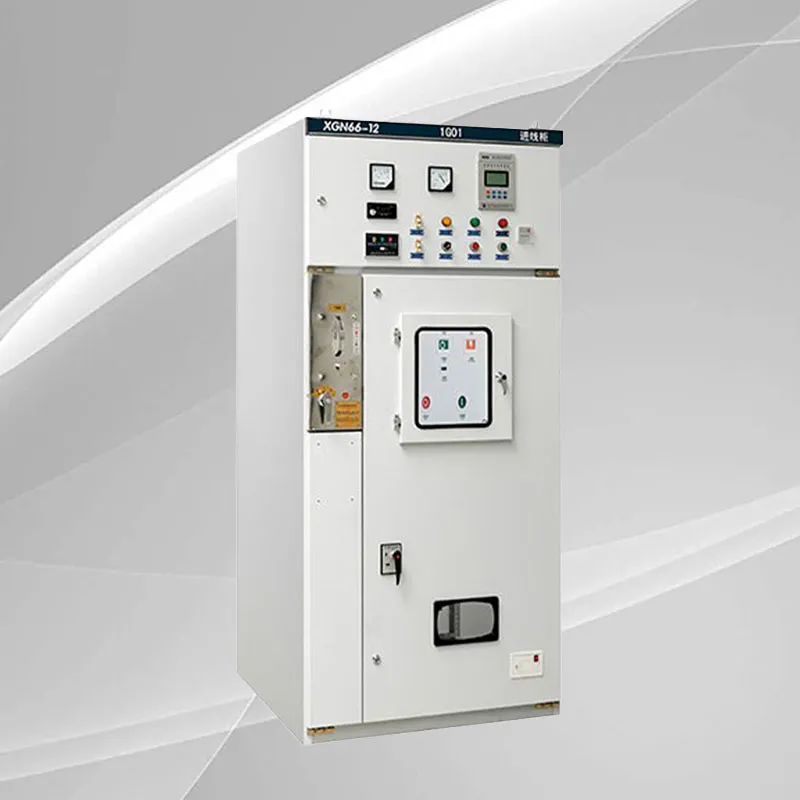 Fixed enclosed switchgear XGN66-12(Z)
-
 Outdoor Single Phase Waterproof Transparent Plastic Electric Meter Shield
-
 Outdoor waterproof distribution cabinet
-
 Low-voltage withdrawable switchgears MNS
-
 Distribution board for circuit breakers
-
 Ground Outdoor Waterproof Distribution Cabinet
-
 Isolating circuit breaker HL30-125
-
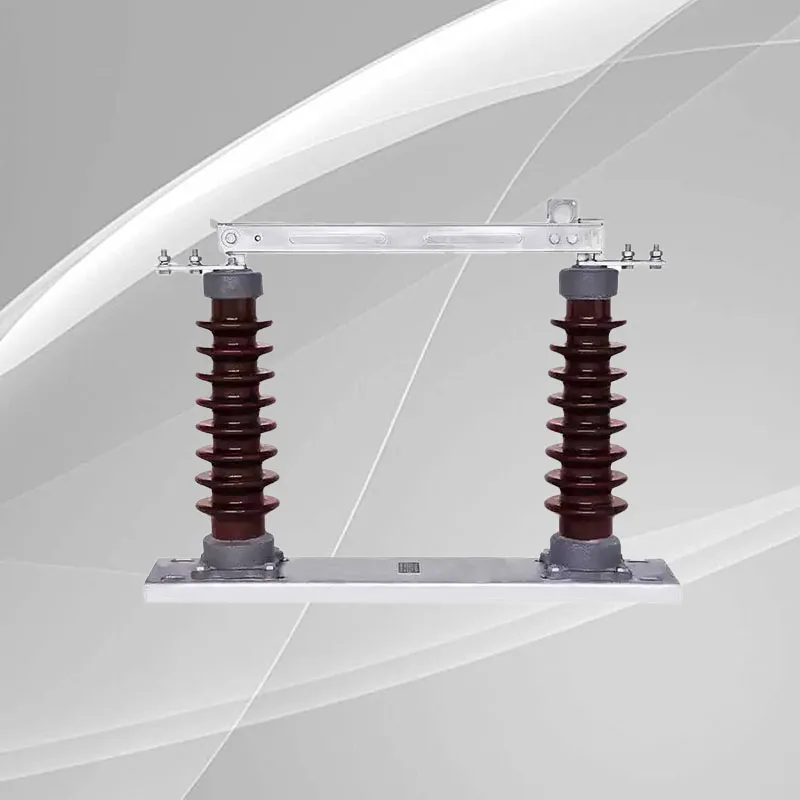 Outdoor high voltage disconnector type GW9
-
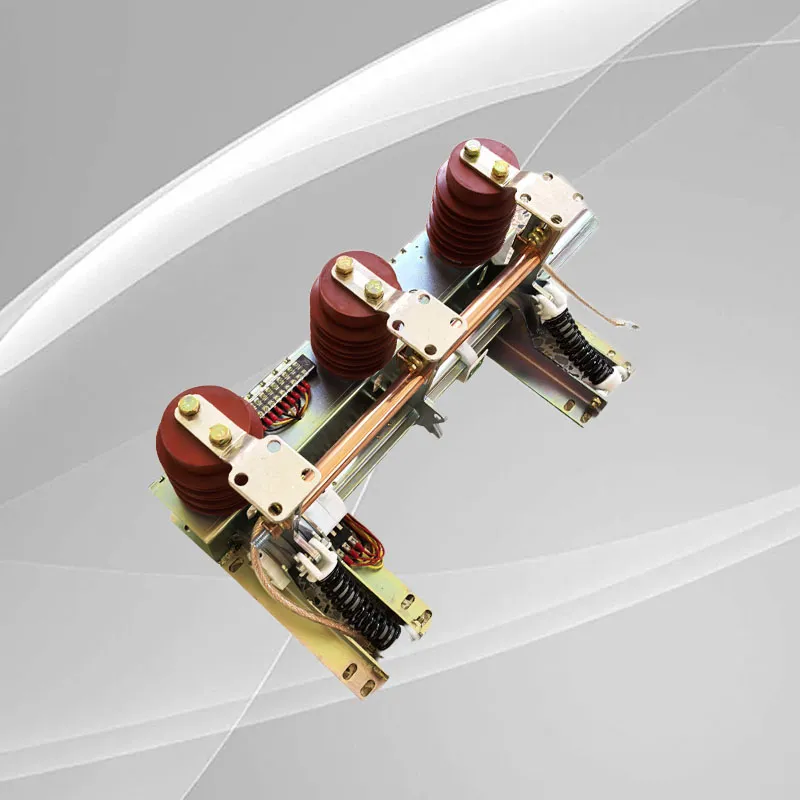 JN15-12-31.5 internal high voltage grounding switch
-
 GW9-10 High Voltage Isolation Switch with Ceramic Insulators for Outdoor Installation
Relatedsearch
Related Search- hinged distribution board schrn 4
- circuit breaker 6a 10ka
- China transformers for data centers main buyer
- China testing dry-type transformers main buyer
- China power transformer photo
- power transformer mounting
- hinged distribution board schrn 8
- circuit breaker ns2 25x
- box for circuit breaker 1 1
- China power transformers star star main buyer



