


power transformer is
I often hear a question from novice electricians: 'What ispower transformer?'. And the answer that is most often heard, although not entirely correct: “It’s just a device that changes the voltage.” Well, it changes, yes, but the essence is much deeper. After all, from a correct understanding of the workpower transformerdepends on the reliability of the entire electrical power system. This is not just an element, but a key component, and neglecting its features means putting not only the equipment at risk, but also the safety of people. I would like to share some observations and experience gained over the years of working in the field of electrical equipment. To begin with, many people perceive it as a 'black box', but in fact, quite interesting and complex physical processes take place in it.
Functions and purpose of a power transformer
The primary function, of course, is the conversion of electrical energy. Increasing or decreasing voltage is just one aspect. It is important to understand that this process must be as efficient as possible. The pursuit of high efficiency is a constant challenge, especially in the modern world, when saving energy is not just a trend, but a vital necessity.Power transformerplays a critical role in transmitting electricity over long distances. High voltage reduces currents, which reduces energy loss during transmission. And already on site, with the help of a step-down transformer, the voltage is reduced to the level necessary for use in everyday life and industry.
Don't forget about other important functions. Transformers are used for galvanic isolation of circuits - this increases safety by preventing the spread of voltage from the network to the consumer. They can also be used for power factor correction, which can improve the overall efficiency of the electrical power system. For example, in the industrial sector, where inductive loads are common, power factor correction using transformers can significantly reduce losses and improve productivity.
Main parameters and characteristicspower transformer
When choosingpower transformermany parameters need to be taken into account. This, of course, is the power it must withstand and the range of operating voltages. But that's not all. It is also important to take into account losses in the windings (for heating), losses in the magnetic circuit (for hysteresis and eddy currents) and the efficiency of the transformer. For example, transformers with silicon chips in the windings have significantly lower losses compared to traditional transformers with copper windings. This immediately affects durability and efficiency.
Another important parameter is the insulation class. It determines the maximum permissible winding insulation temperature, which affects the service life of the transformer. And the choice of insulation class must correspond to the operating conditions - ambient temperature, presence of moisture, etc. There are often cases when a transformer is selected based on power, and not on insulation requirements, which then leads to serious problems and expensive repairs. For example, we recently encountered a problem when a transformer designed for a certain ambient temperature was operated in conditions of high humidity, and a year later an insulation breakdown occurred.
Types of power transformers and their applications
There are many typespower transformers– from small household ones to huge industrial ones. According to the cooling method, they are divided into dry and oil. Dry-type transformers are more environmentally friendly and safe, but they are usually used for small powers. Oil transformers are more reliable and durable, but require regular maintenance and oil level monitoring. Application depends on specific operating conditions. For example, in urban distribution networks, oil transformers are more often used, and in industrial enterprises, dry air-cooled transformers are used, if it is possible to provide sufficient ventilation.
In addition, transformers can be three-phase or single-phase, depending on the type of load. Three-phase transformers are used to power three-phase loads, and single-phase transformers are used to power single-phase loads. Sometimes, one transformer can have several windings, which allows it to be used for different purposes. For example, a transformer may have a winding for powering a 220V network and a winding for powering equipment with a different voltage. When choosing the type of transformer, it is necessary to take into account all the characteristics of the load and operating conditions.
Problems and common errors during operationpower transformer
The most common mistake is overlooking the cooling system. Insufficient air flow or dirty vents will cause the windings to overheat, shortening the life of the transformer. Another common problem is transformer overload. This can lead to overheating, damage to the insulation and even an explosion. And, of course, we must not forget about the need to regularly monitor the oil level (for oil transformers) and the insulation condition. I recently saw a case where a transformer was damaged due to an oil leak that no one noticed in time. This led to serious consequences, and repairs cost a very large amount.
Errors during installation and connection of the transformer are also common. Incorrect connection of the windings or poor contact can lead to overheating and damage to the transformer. And before starting installation, you must make sure that all connections are made correctly and securely. You should not skimp on the quality of cable products and connecting elements - this can lead to serious problems in the future. Care and accuracy are the main requirements when working with power transformers.
Conclusion: Constant learning and practice
In conclusion, I want to say thatpower transformeris a complex and multifaceted element of the electrical power system. Understanding its operation, parameters and operating features is the key to ensuring reliable and safe operation of electrical equipment. And of course, it is important to constantly learn and improve your knowledge and skills. Practical experience is the best teacher, and only working with real equipment allows you to gain a deep understanding of operating principlespower transformer. I hope my observations and experience will be useful to novice electricians and specialists working in the field of electrical equipment. Wenzhou Qiaonasen Electrical Equipment LLC is always ready to provide expert advice and help in choosing the right onepower transformerfor your tasks. You can find detailed information about our products on our website:https://www.qnasen.ru.
Correspondingproducts
Related Products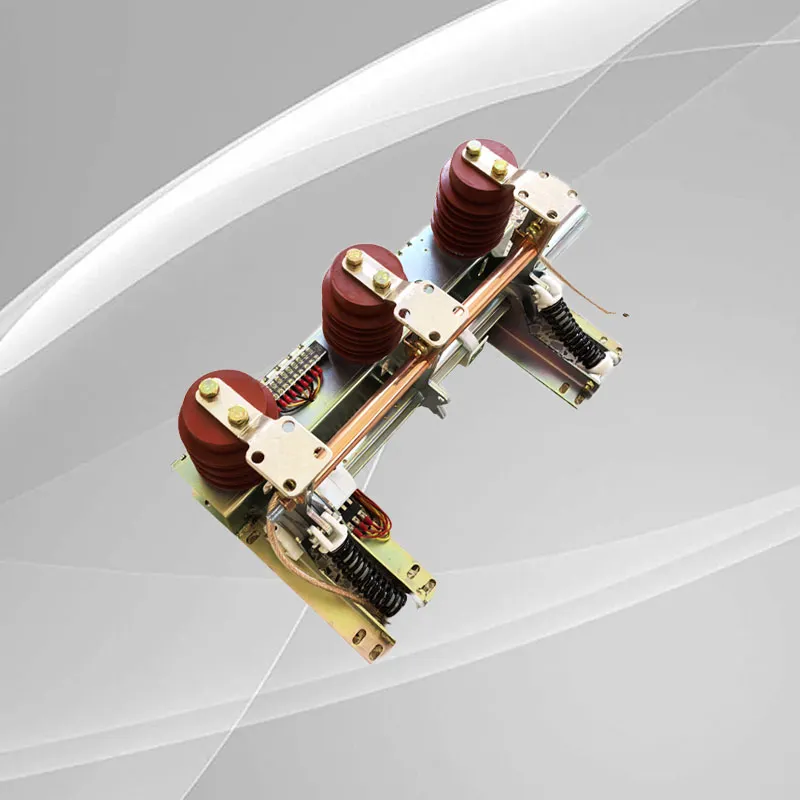




Best Sellingproducts
Best Selling Products-
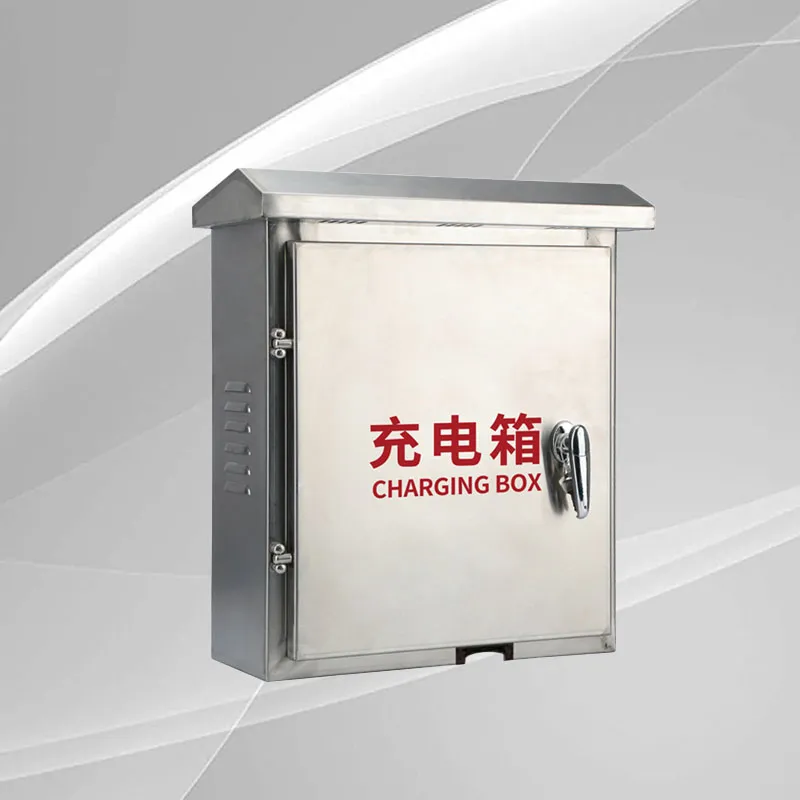 Outdoor electric charging cabinet
-
 Outdoor distribution cabinet made of 201 steel
-
 Switchgear with ATS BRSM
-
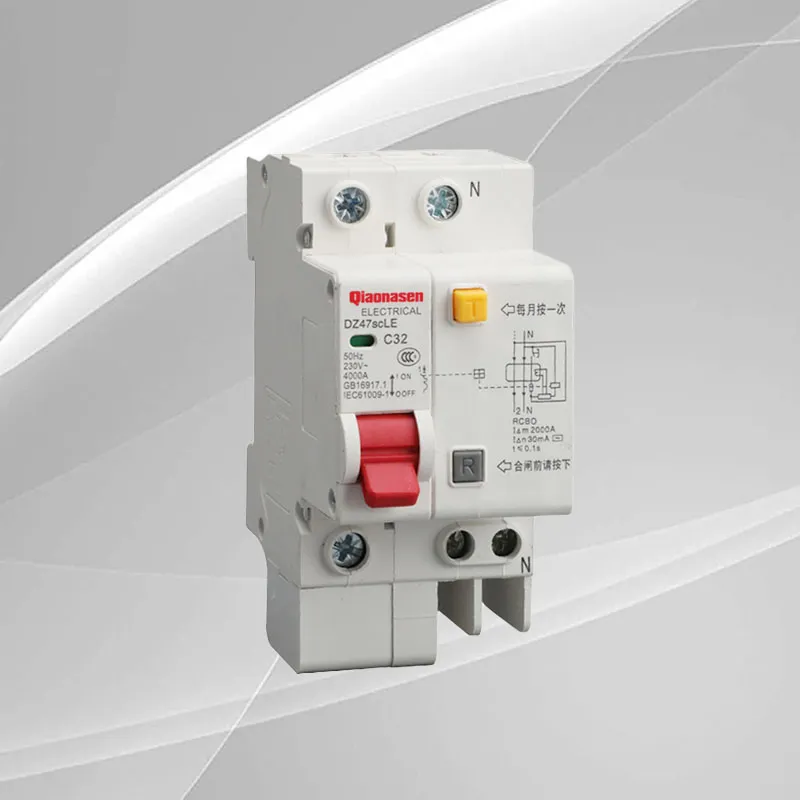 Residual current device with plastic housing
-
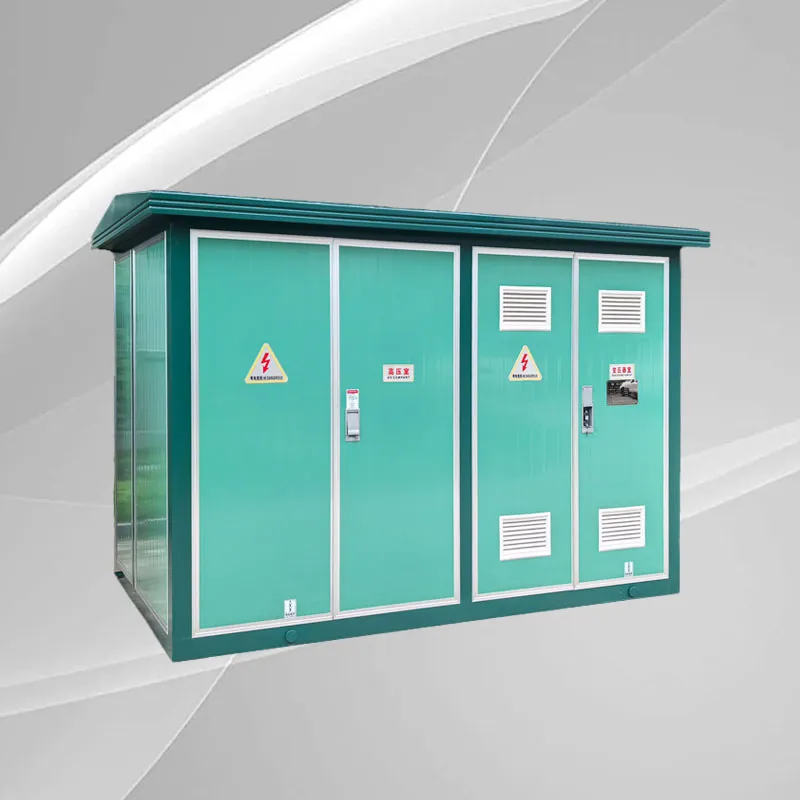 Complete outdoor transformer substation of European type
-
 Residual current switch
-
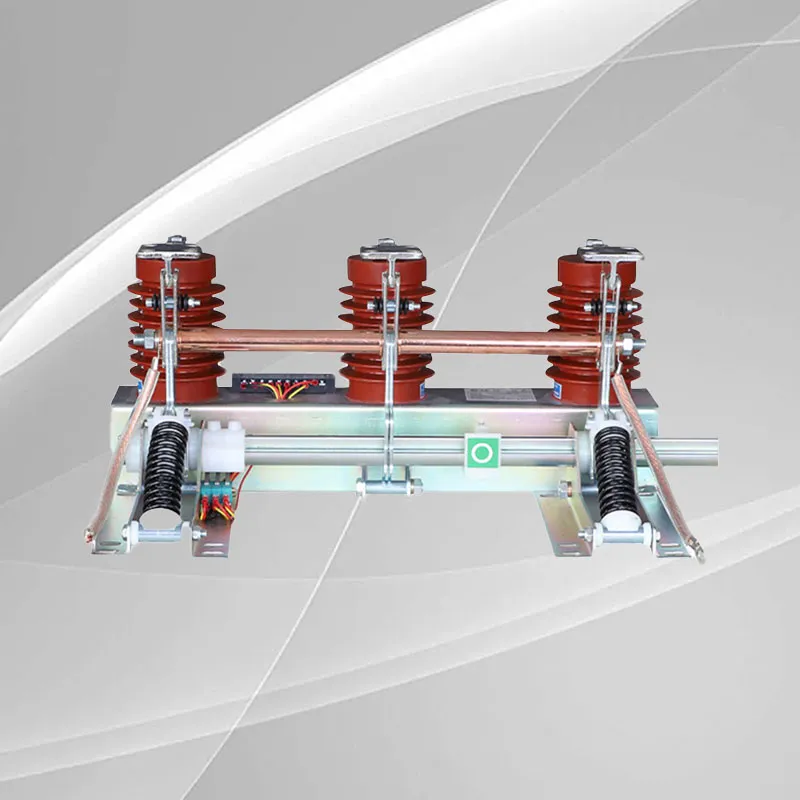 Indoor high voltage earthing switch type JN15
-
 Side vacuum switch
-
 Outdoor waterproof distribution cabinet
-
 KYN28A-12 Internal structure of medium voltage switch with metal armor
-
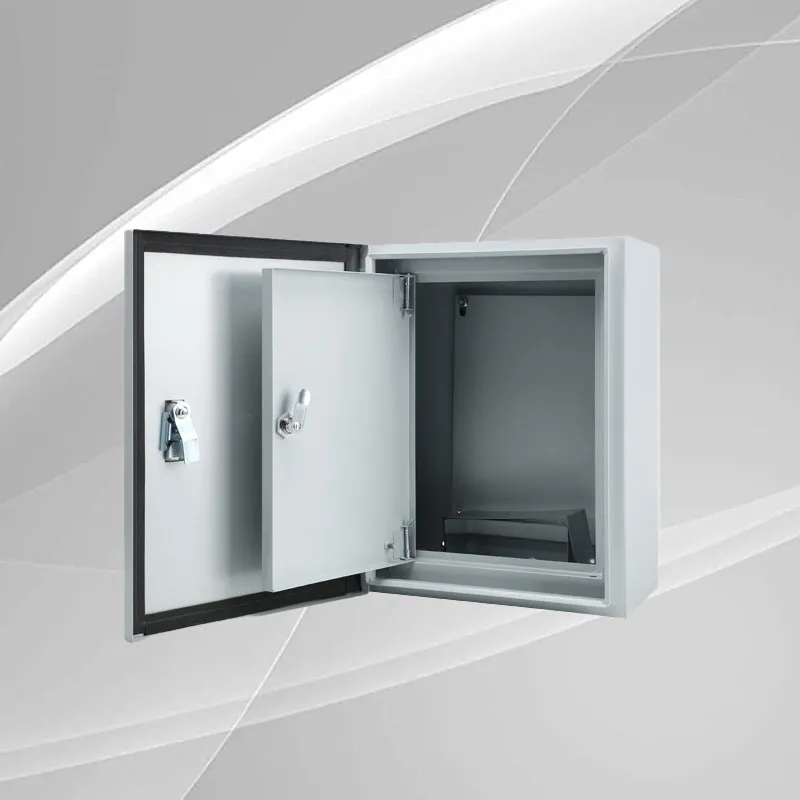 Indoor distribution cabinet with double door
-
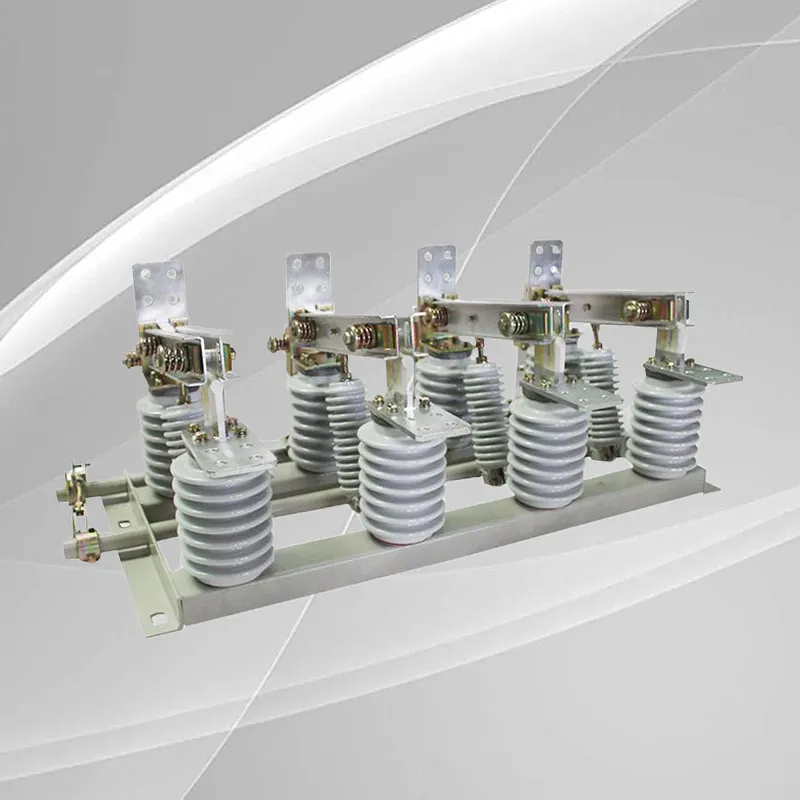
 Internal high voltage disconnector type GN19-12C



