


power transformer 16000
Transformer16000is a figure that often comes up in discussions of electrical supply, especially on an industrial scale. Many people believe that16000implies some single, universal value. But in fact, this is only a nominal value that determines power, and behind it lies a number of nuances that are easy to miss. I have been involved in electrical equipment for many years, and I can say that successful selection and operation of a transformer is not just a choice of numbers, but an integrated approach that takes into account many factors. In this article I will try to share my experiences, mistakes and observations regarding these devices.
Why is simply '16000' not enough?
Most often, when asking 'power transformer 16000', buyers focus only on power. This is, of course, important, but does not define the whole picture. For example,power transformer 16000for lighting will be significantly different from a transformer designed to power cast steel. Different loads require different characteristics, and simply specifying power is, to put it mildly, an oversimplification. Ignoring other parameters often leads to problems with overloads, overheating and even equipment failure. This is especially noticeable when working with unstable loads, such as welding machines or power tools.
I remember one case when a client neededpower transformer 16000. He said he needed a transformer for 'regular' electrical appliances. It turned out that he planned to connect a powerful welding machine to it, which he did not mention initially. An incorrectly selected transformer quickly overheated and failed. The client was very unhappy and we had to spend time and resources finding a replacement.
Load and Power Factor: Hidden Factors
Power factor (cos φ) is perhaps one of the most underestimated parameters when choosing a transformer. It characterizes the efficiency of energy use. Low power factor leads to high losses and network congestion. Transformers intended to operate low power factor loads (such as AC motors) must be designed and rated accordingly. A factor not taken into account can significantly reduce the life of the transformer and increase operating costs.
We often encounter situations where customers do not provide power factor information for existing loads. This leads to incorrect choice of transformer and subsequent problems. It is important to request this information and take it into account when making your calculations.
Types of transformers: choosing the optimal solution
There are several typespower transformers, each of which has its own advantages and disadvantages. These are oil-filled transformers, dry transformers, and SF6 transformers. The choice of type depends on operating conditions, reliability and safety requirements, as well as environmental standards. Oil transformers are generally more reliable and durable, but require more maintenance. Dry-type transformers are more environmentally friendly and easier to install, but are usually more expensive.
In our case, the choice between an oil and dry transformer depends on specific conditions. If there are concerns regarding fire safety or environmental requirements, then it is better to choose a dry transformer. If the priority is reliability and durability, then you can choose an oil transformer.
Welding transformers: special requirements
Welding transformers are a special typepower transformers, intended for power supply of welding machines. They must have a high transformation ratio, power and the ability to withstand high currents. It is also important to take into account the characteristics of the welding machine and select a transformer that will meet its requirements.
When choosing a welding transformer, you must pay attention to the following parameters: rated voltage, rated current, power, short circuit, permissible voltage change. An incorrectly selected welding transformer can lead to poor-quality welds and damage to the welding machine.
Maintenance and diagnostics: the key to long service life
Regular maintenance and diagnostics are the key to long and trouble-free operationpower transformer. This includes checking the oil level (for oil-immersed transformers), measuring insulation resistance, checking the operation of fans and other equipment.
We offer maintenance and diagnostic servicespower transformersany type and power. Our technicians have extensive experience working with these devices and can identify potential problems at an early stage, preventing serious damage.
Typical problems and their solutions
The most common problems withpower transformers- this is overheating, oil leakage, insulation damage and winding breakage. Overheating can be caused by overload, improper ventilation or dirty transformer. Oil leaks can be caused by damaged seals or cracked housings. Damage to insulation can be caused by aging, exposure to moisture, or overvoltage.
If problems arise withpower transformerYou must immediately contact qualified specialists. Troubleshooting yourself can lead to serious consequences.
In conclusion
Selection and operationpower transformer 16000is a responsible task that requires knowledge and experience. You should not skimp on quality and turn to reliable suppliers. All factors must be taken into account, including load, power factor, transformer type, operating conditions and safety requirements. Regular maintenance and diagnostics are the key to long and uninterrupted operation of the equipment. I hope my experience will help you make the right choice.
Correspondingproducts
Related Products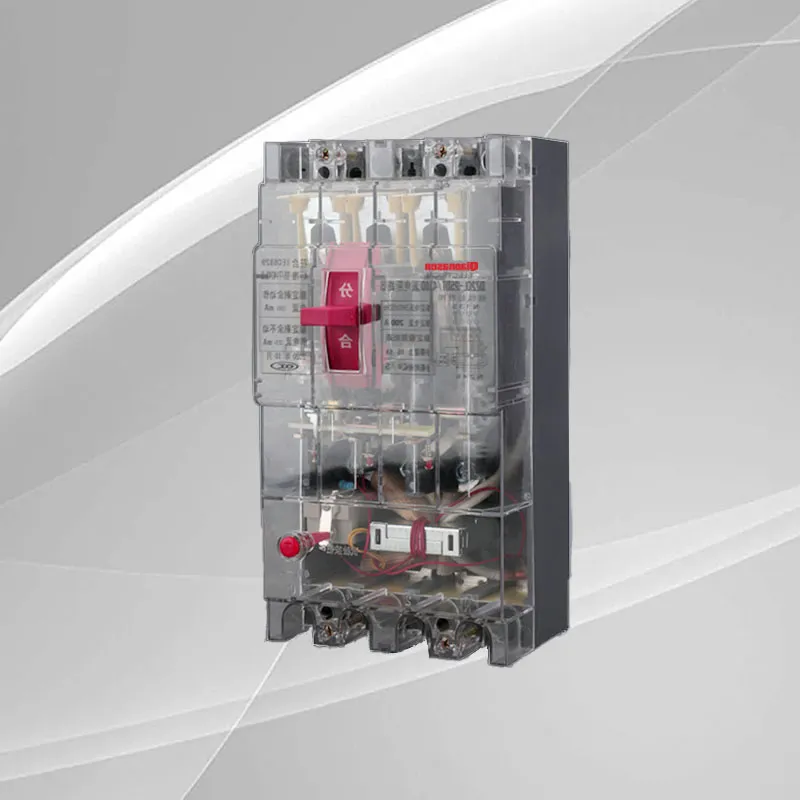
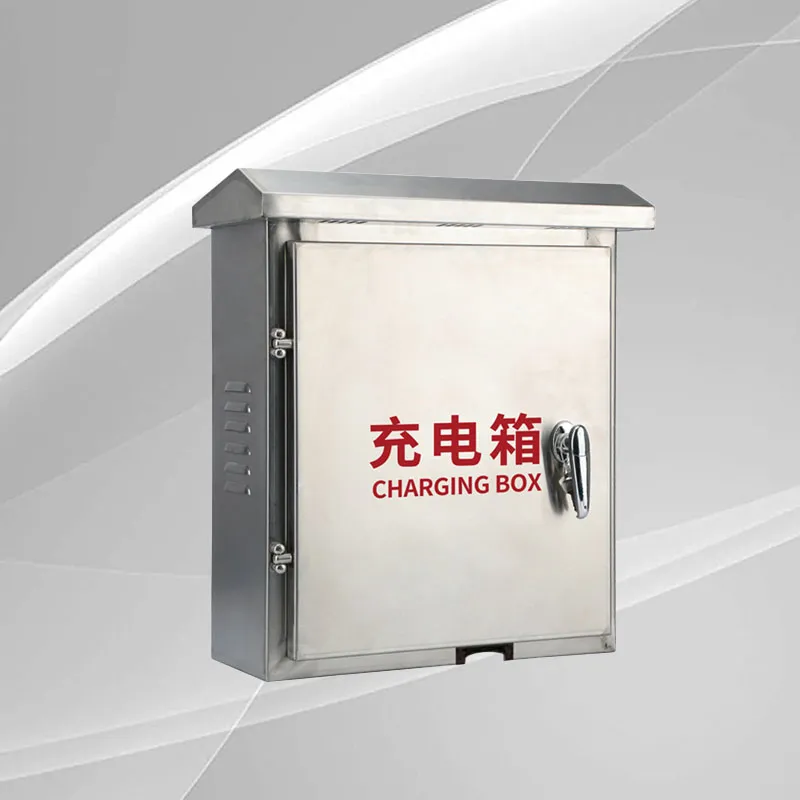


Best Sellingproducts
Best Selling Products-
 XGN15-12 Gas Insulated Ring Distribution Unit Output Cell
-
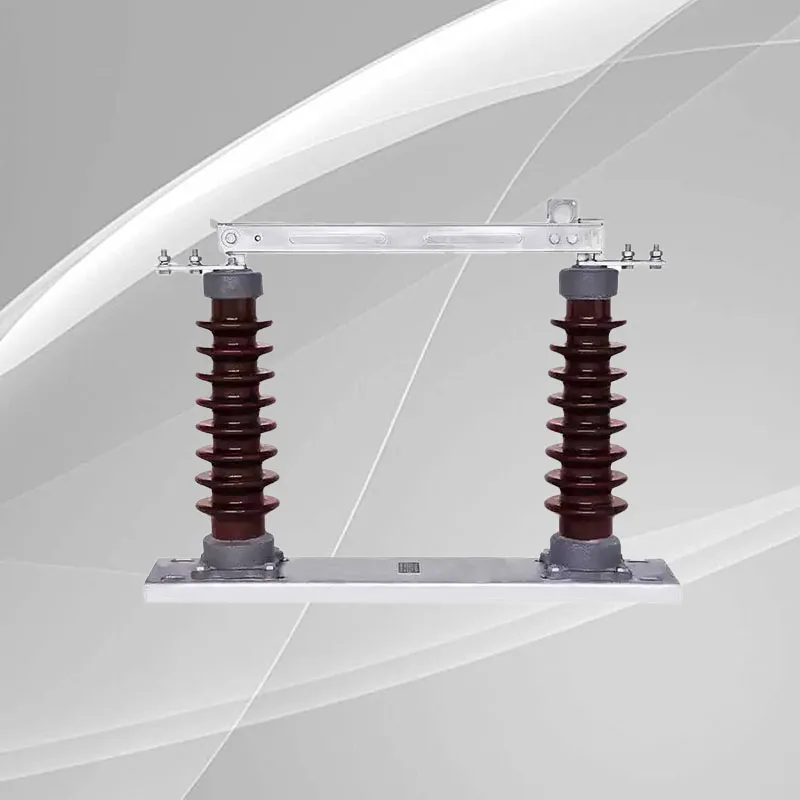 Outdoor high voltage disconnector type GW9
-
 High voltage internal switch
-
 KYN28A-12 Internal structure of medium voltage switch with metal armor
-
电动智能户外柱上高压真空断路分合闸开关.2.webp) ZW7-40.5 (side mounting) is an intelligent outdoor high-voltage vacuum circuit breaker with electric drive.
-
 Side vacuum switch
-
 Three-phase energy efficient transformer
-
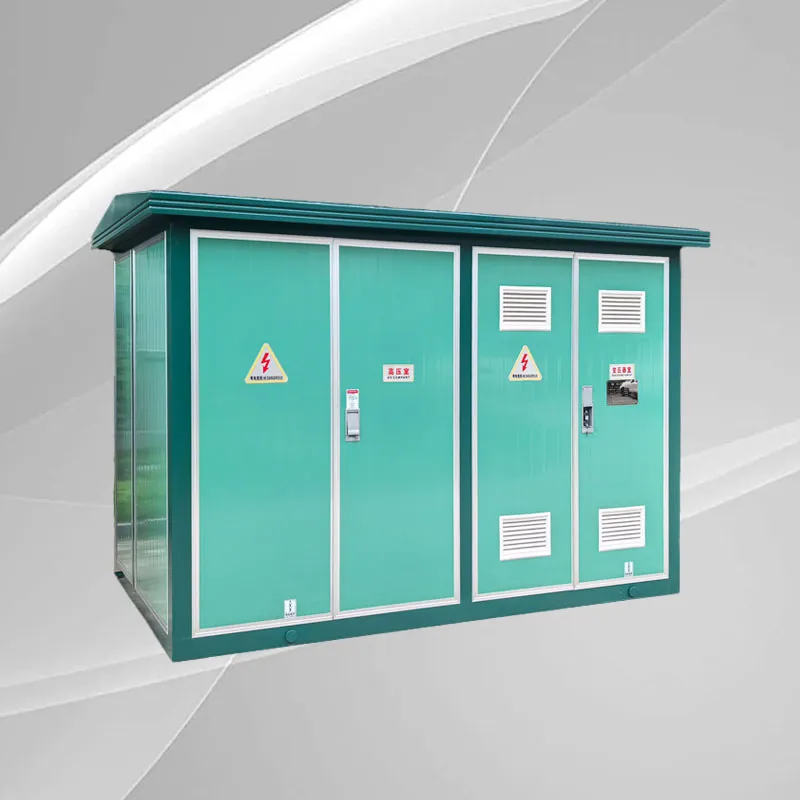 Complete outdoor transformer substation of European type
-
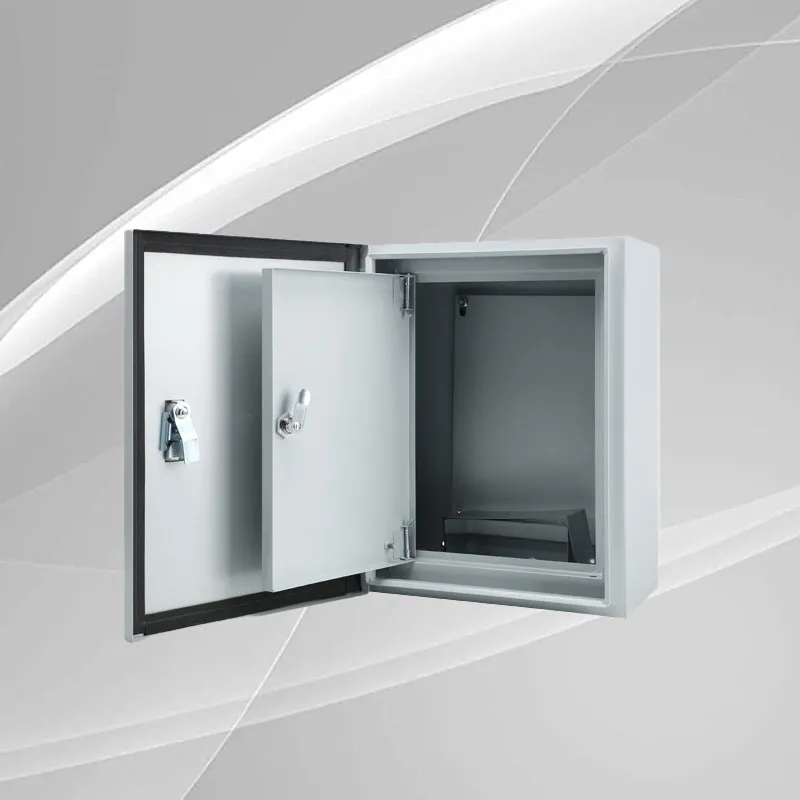 Indoor distribution cabinet with double door
-
 external isolation switch
-
 High voltage vacuum circuit breaker ZW20
-
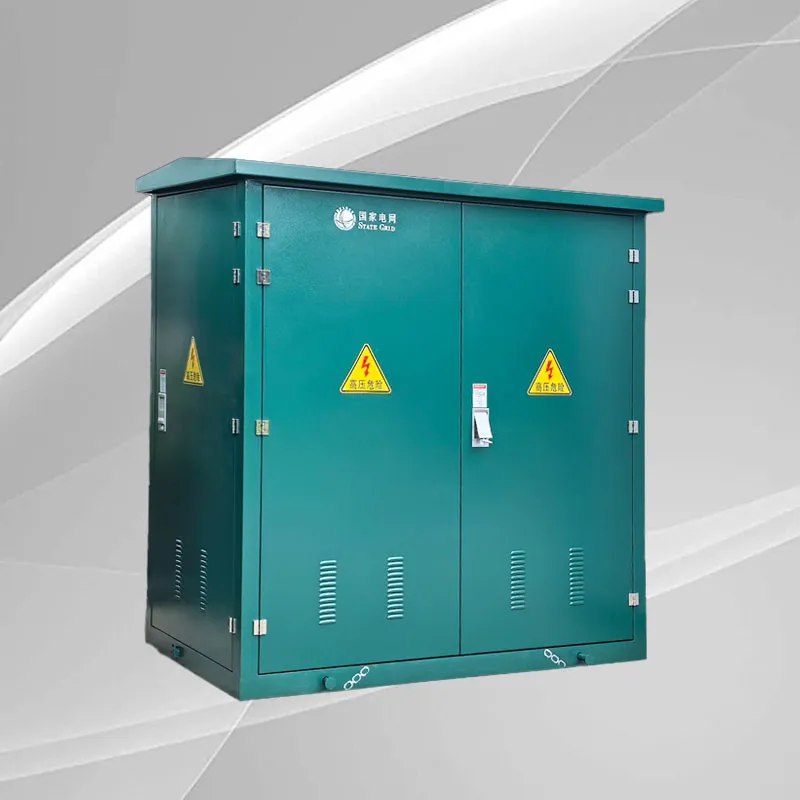 High voltage ring distribution cabinet
Relatedsearch
Related Search- automatic switch keaz optima
- China dry transformers 10 kV
- mortise distribution board
- power transformer TMN 6300 110
- circuit breaker designate
- circuit breaker 125a 25ka
- 4 insulation of power transformers
- busbars for circuit breakers
- distribution board abb mistral
- China dry transformer 400kva weight main buyer



