


power transformer 380 220
So, **power transformer 380/220**... At first glance, a simple specification. But how many nuances are hidden behind these two voltage values! Often customers ask what kind of transformer they need without realizing the importance of making the right choice. It seems like all the standard models, why not just take the cheapest one? Here’s the problem: cheap doesn’t always mean suitable. I have been supplying and installing electrical equipment for many years and can confidently say that saving on a transformer often costs more in the long run.
Why is choosing a 380/220 transformer so important?
The question is not a simple voltage conversion, but a matter of optimizing the operation of the equipment and ensuring its reliability. Yes, standard 380V and 220V are common, but there are different types of transformers designed for different loads and operating conditions. In addition to basic voltage conversion, you need to take into account parameters such as power, insulation type, protection class, and even the geographical location of the facility. For example, in regions with high levels of voltage drops, it is preferable to use transformers with more stringent protection parameters. Otherwise, expensive equipment will quickly fail, which means not only financial losses, but also just a headache.
And often, when it comes to transformers, people forget about power losses. A transformer that is too large will work inefficiently, while a transformer that is too small will be overloaded and, again, quickly fail. There needs to be a balance here. It is necessary to calculate power with a reserve, but not thoughtlessly, but taking into account probable changes in the load. Often clients underestimate the power needs and end up having to redo everything a year later.
Types of power transformers 380/220: what are the differences?
The main types we offer are dry-type and oil-immersed transformers. Dry ones are, of course, easier to install and maintain, especially in rooms with high humidity or increased fire safety requirements. But oil-based ones are usually more reliable and can withstand greater loads. The choice between them depends on specific conditions. Oil-based ones are often used in industrial enterprises where the load is unstable and requires high power. But for offices or small industries, dry transformers are quite suitable. Of course, each type has its pros and cons, and the pros and cons must be carefully weighed.
Another important aspect is the insulation class. The higher the insulation class, the more reliable the transformer and the longer it will last. But the price of such a transformer is correspondingly higher. Again, it's a matter of balancing cost and reliability. Sometimes, small savings on insulation grade can lead to serious problems in the future. As an alternative, you can consider transformers with additional protection against overvoltage and impulse noise - this also increases reliability and durability.
In practice: examples from real projects
The other day we were working at one of the production facilities in the Moscow region. They wanted to replace an old transformer that was constantly overheating and failing. The client was sure that it was enough to simply buy a new transformer with the same parameters. But we conducted a thorough load analysis and found that the transformer was clearly not powerful enough. After replacing it with a more powerful transformer, the problem was solved. Since then, they say, work in production has become more stable, and the likelihood of breakdowns has decreased significantly.
It also happened that customers chose the cheapest transformer, and after a few months it had to be replaced. The cause was often poor insulation or inadequate protection class. Here, for example, is one case: a transformer was delivered, according to the documents everything is in order, but a month later it failed due to moisture. We had to spend time and money replacing it, which ended up costing the client more than if he had originally chosen a more reliable transformer.
Mistakes when choosing 380/220 volt power transformers: what should you avoid?
One of the most common mistakes is underestimating the importance of qualified advice. Many customers believe that they can independently determine which transformer they need based only on technical characteristics. But this is not always the case. Sometimes it is necessary to take into account many additional factors, such as load characteristics, operating conditions and safety requirements. Therefore, before making a purchasing decision, it is best to contact specialists who will help you choose the best option.
Another mistake is choosing a transformer 'on the edge'. That is, with a minimum power reserve or with a minimum protection class. This can lead to premature wear and equipment failure. It’s better to overpay a little now than to repair or replace expensive equipment later. We, as Wenzhou Qiaonasen Electrical Equipment Co., Ltd., always try to offer our customers the best value for money, taking into account all their needs and requirements.
Finding a reliable supplier: what to look for?
When choosing a supplier of **power transformers 380/220**, it is important to pay attention to the company’s reputation, availability of quality certificates and warranty service. It is also worth making sure that the supplier offers a wide range of models and can provide qualified advice. Wenzhou Qiaonasen Electrical Equipment Co.,Ltd strives to be a reliable partner for its customers by offering a wide selection of quality equipment and professional service. Our website:
In conclusion
**The 380/220 power transformer** is more than just an electrical component. This is an important part of electrical equipment, the reliable operation of which determines the uninterrupted operation of the entire enterprise. Therefore, choosing a transformer is a responsible process that requires careful analysis and qualified advice. You shouldn’t skimp on quality, because it will pay off in the long run.
Correspondingproducts
Related Products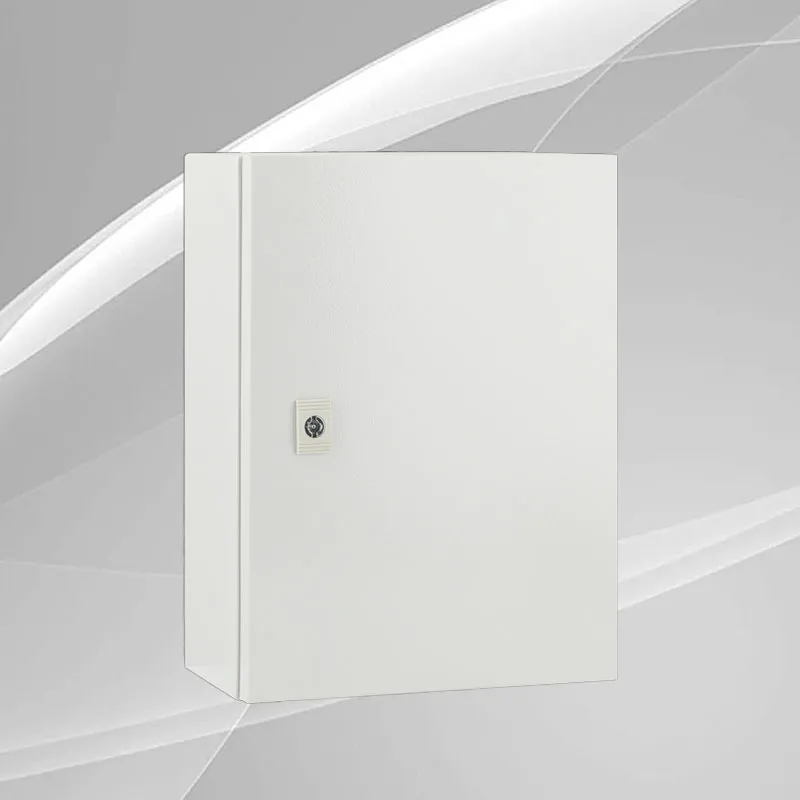


Best Sellingproducts
Best Selling Products-
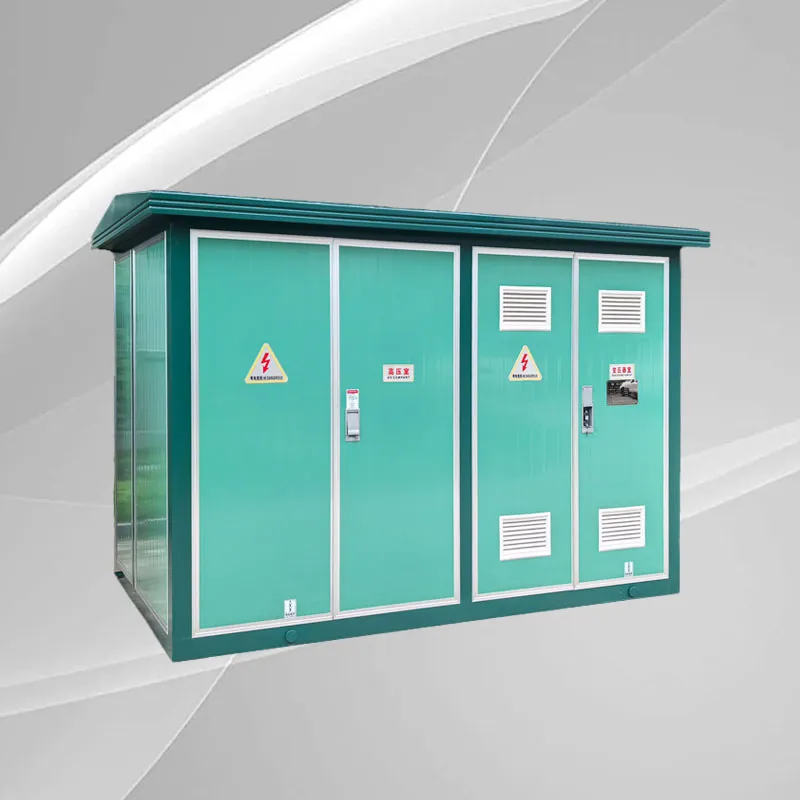 Complete outdoor transformer substation of European type
-
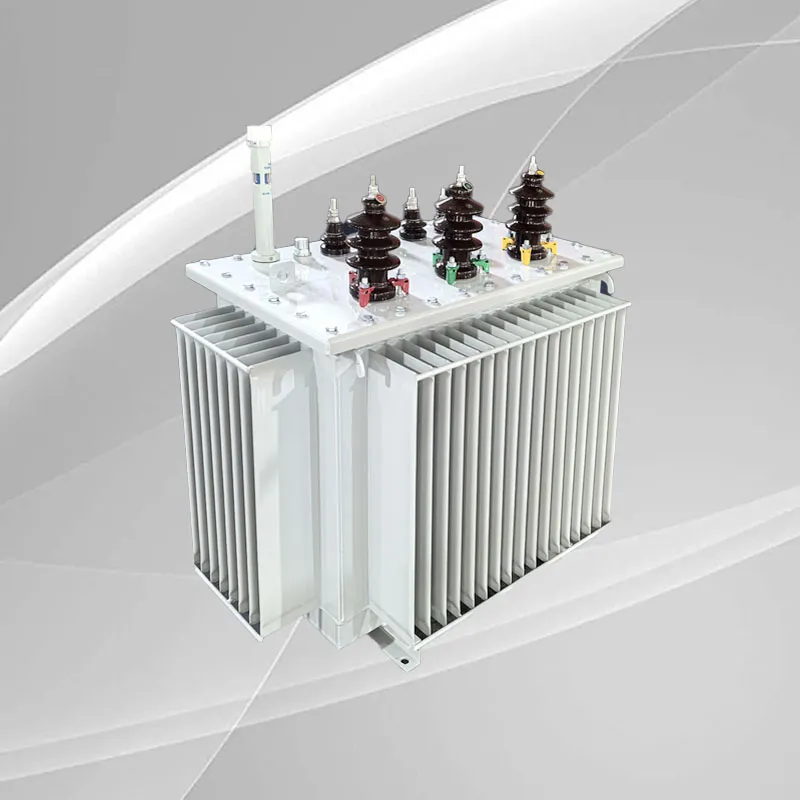 Oil power transformer
-
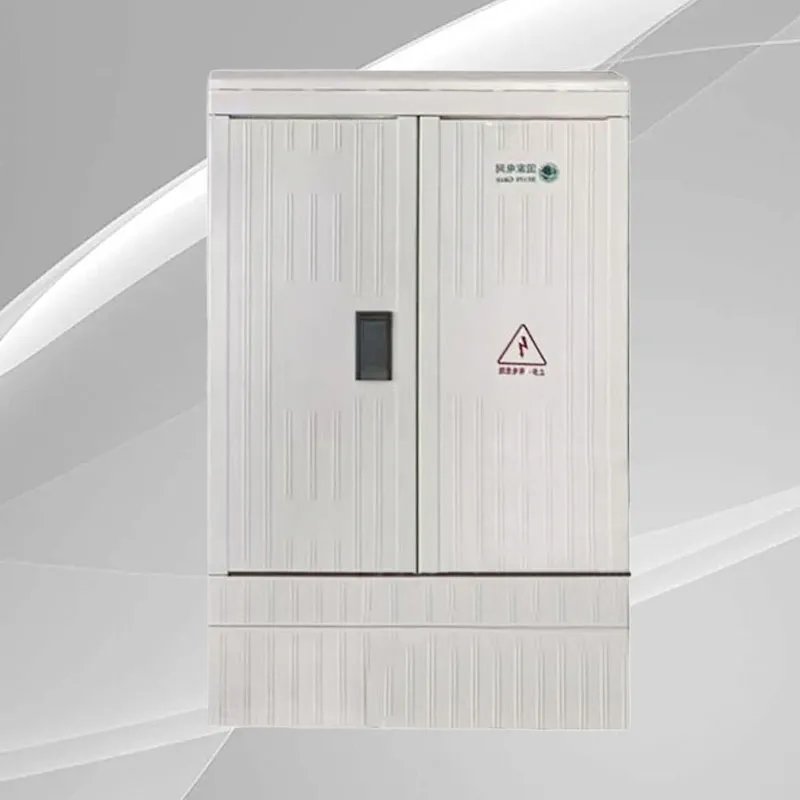 Thickened fiberglass housing for low voltage cable distribution board
-
 GW9-10 High Voltage Isolation Switch with Ceramic Insulators for Outdoor Installation
-
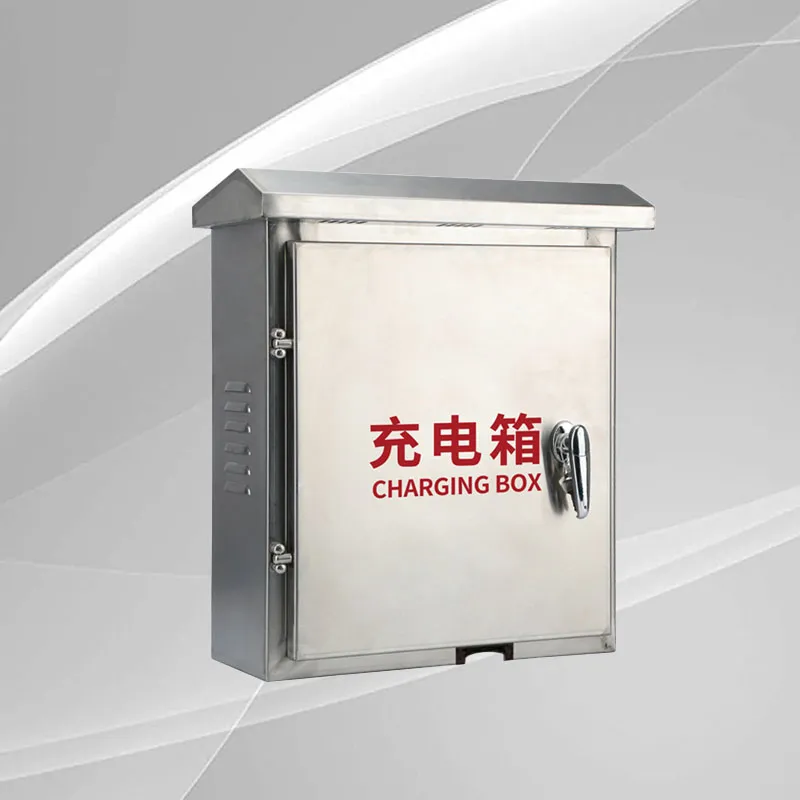 Outdoor electric charging cabinet
-
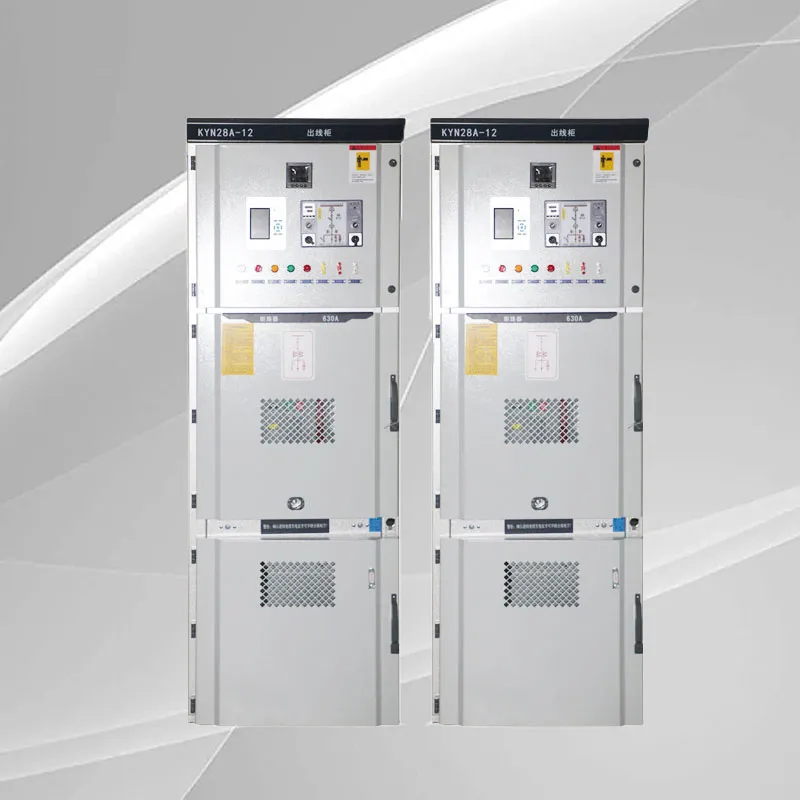 KYN28A-12 indoor metal armored medium power AC switchgear
-
 Outdoor Single Phase Waterproof Transparent Plastic Electricity Meter Shield
-
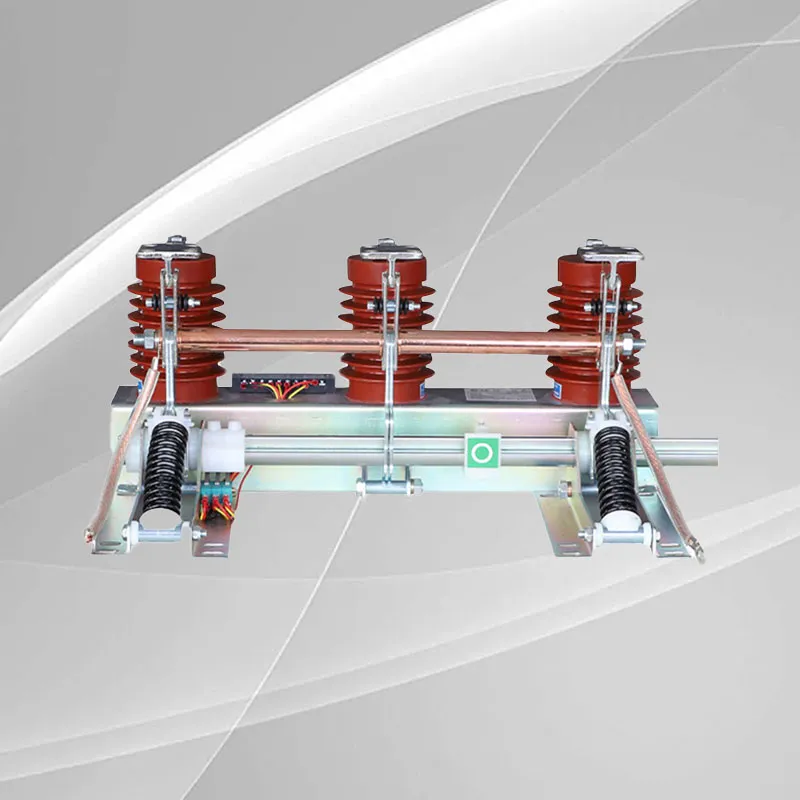 Indoor high voltage earthing switch type JN15
-
 XGN66-1210KV High Voltage Ring Cabinet
-
 VS1 ZN63-12 1250A fixed indoor high voltage vacuum circuit breaker
-
 Transparent circuit breaker with plastic housing
-
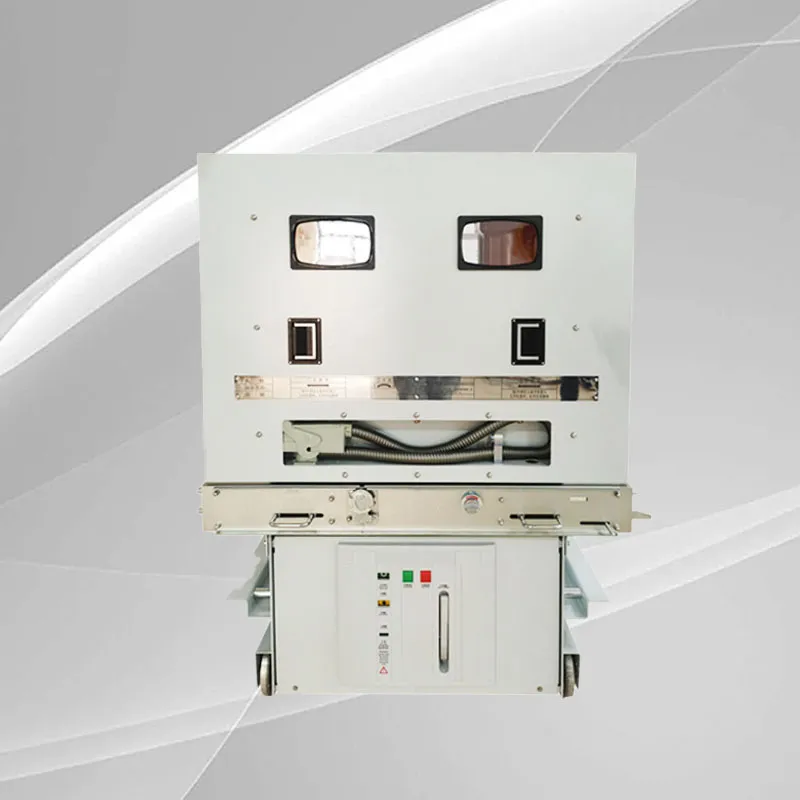 High Voltage Vacuum Circuit Breaker



