


power welding transformers
Power welding transformers– a topic that often causes misunderstanding. Many people think that these are just 'big transformers for welding', but in fact there is a whole science behind it. I often encounter the fact that clients do not understand the difference between a transformer, an inverter and other types of welding equipment. This is not just a question of price, but a question of efficiency, durability and, of course, safety. Let's try to figure out what really stands behind these devices and what you need to think about when choosing.
Basic types and operating principle
First, let's understand the basic typespower welding transformers. The most common is a transformer welding machine that operates on the principle of electromagnetic induction. In it, the primary winding is connected to the network, and the secondary winding is connected to the welding tool. The difference in the number of turns of the primary and secondary windings determines the output voltage and current. Higher voltage allows you to use thicker electrodes, and higher current allows you to melt the metal faster. It is important to understand that the parameters of the transformer directly affect the quality of the weld. For example, for welding thin metal a simple transformer is not enough; more precise current control is required.
In addition to transformer machines, there are inverter welding machines. They work on the basis of converting alternating current into direct current and vice versa. Inverters are lighter and more compact than transformers, and, as a rule, have greater ability to adjust welding parameters. However, they may be more sensitive to voltage fluctuations in the network. In our practice, we have often found that customers chose inverter devices based only on price, and then encountered reliability problems. This is a common mistake - you need to evaluate not only the initial cost, but also long-term reliability and maintenance costs.
Another, less common type is self-regulating welding machines. They automatically adjust the current depending on the resistance of the electrodes and other parameters. They are easy to use, especially for beginners, but their effectiveness may be lower than that of manually adjusted devices.
Important parameters and characteristics
When choosingpower welding transformermany parameters need to be taken into account. Let's start with the power output - it should match the needs of your work. You should not buy a device with excess power, this will not only increase the cost, but also reduce its efficiency. It is also important to pay attention to the output voltage, current and its stability. Stable current is the key to a high-quality weld. In addition, it is necessary to take into account the protection class, the presence of a protection system against overloads and short circuits, as well as the weight and dimensions of the device.
Our experts always advise paying attention to the quality of materials and workmanship. Cheap devices, as a rule, are made from low-quality components, which leads to premature wear and tear. We work with trusted manufacturers who use only certified materials. In particular, we often encounter problems with customers who bought devices with cheap transformers - they quickly burn out, especially during intensive work. The cost of such repairs can be comparable to the cost of a new device.
An important, but often underestimated parameter is efficiency (efficiency factor). The higher the efficiency, the less electricity is wasted on heating, and the lower the energy costs in the long run. For example, during intensive workpower welding transformerswith high efficiency can significantly save energy and reduce operating costs.
Real experience: problems and solutions
We recently had a case where a client bought a relatively inexpensivepower welding transformerfor working with thick metal. After several days of operation, the device began to overheat and fail. Upon closer inspection, it was discovered that the transformer was rated for less power than what the customers were using. As a result, the client lost time and money on repairs. This case emphasizes the importance of correctly selecting the device in terms of power and other parameters.
Another problem that we often encounter is improper operation of the device. Incorrect connection, use of low-quality cables and electrodes, lack of a cooling system - all this can lead to breakdowns and shortened service life. We always provide training to customers on the proper use of welding equipment to prevent such situations.
Sometimes the problem lies in the quality of the power supply. Voltage fluctuations in the network can negatively affect operationpower welding transformers. In such cases, it is recommended to use voltage stabilizers. We offer our clients comprehensive solutions, including not only welding equipment, but also surge protection systems.
Special solutions for various tasks
Depending on the application, special solutions may be requiredpower welding transformers. For example, to work outdoors, it is necessary to use devices with an increased degree of protection from moisture and dust. For welding in hard-to-reach places, compact and lightweight machines are needed. To work with special materials, for example, stainless steel, machines with certain welding modes are required. Wenzhou Qiaonasen Electrical Equipment Co., Ltd. offers a wide range of welding equipment for various applications.
We actively work with suppliers who offer innovative solutions to the welding industry. For example, we cooperate with manufacturerspower welding transformerswith remote control and monitoring function. This allows you to control welding parameters and prevent possible problems. Such devices are especially relevant for working in remote and hard-to-reach places.
We constantly monitor new trends in the welding industry and offer our customers the most modern and effective solutions. If you have any questions or need help choosingpower welding transformer, contact us. We are always ready to help you find the optimal solution for your task. Look at our projects on the website: https://www.qnasen.ru - there are many examples of successful applications of our equipment.
Correspondingproducts
Related Products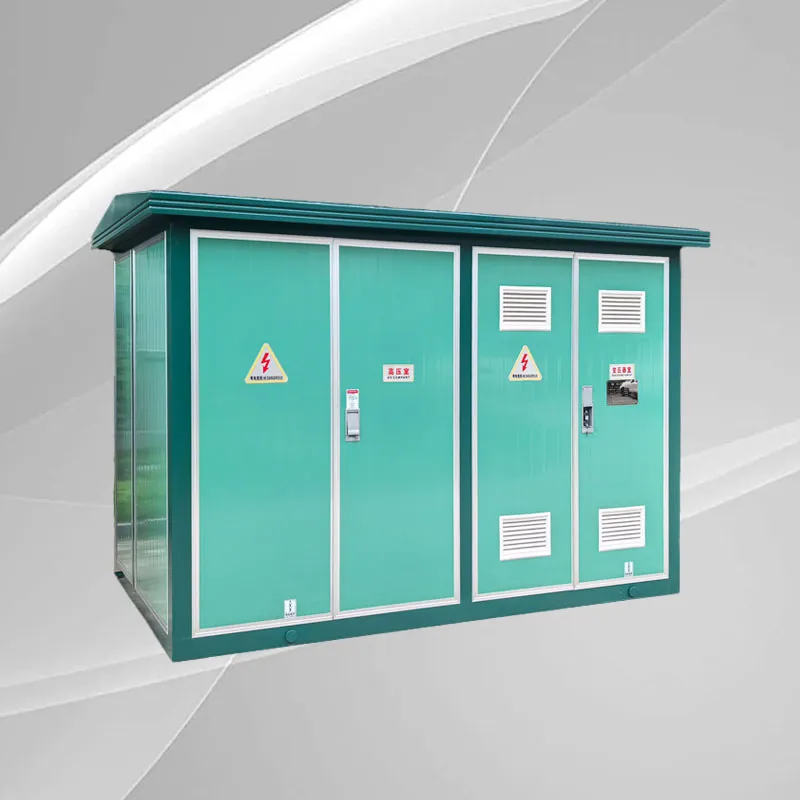
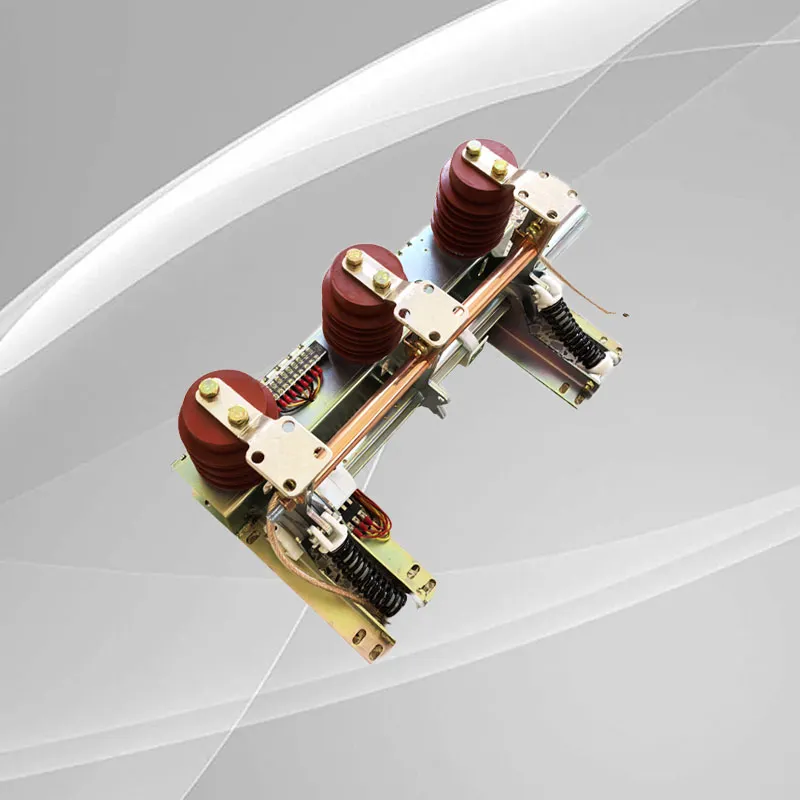
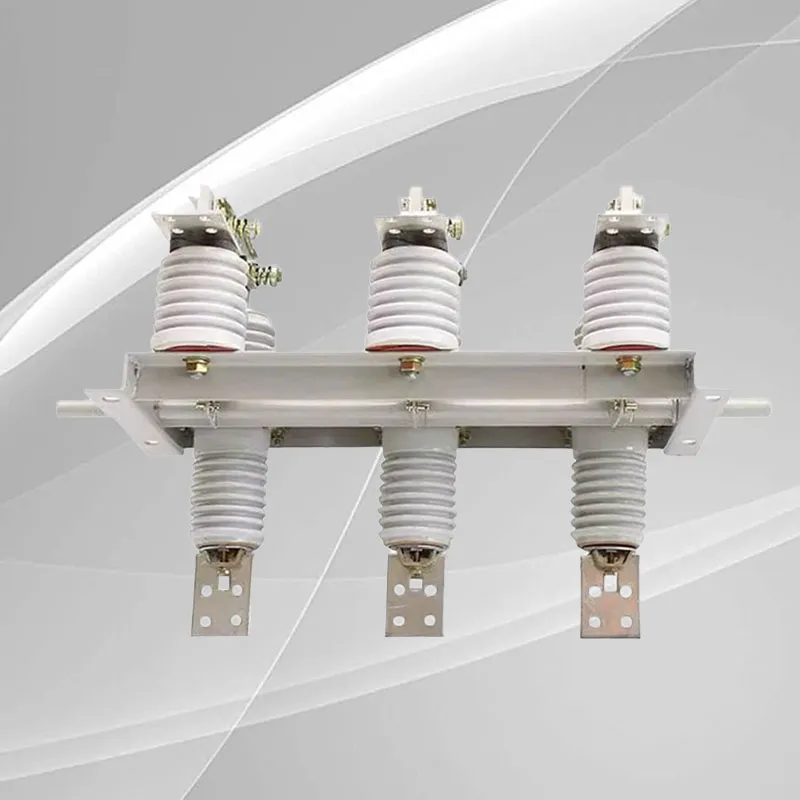


Best Sellingproducts
Best Selling Products-
 DZ15LE Leakage Current Circuit Breaker - White 3P 4P Low Voltage AC
-
 Explosion Proof Oil Induction Voltage Regulator
-
 Three-phase control transformer
-
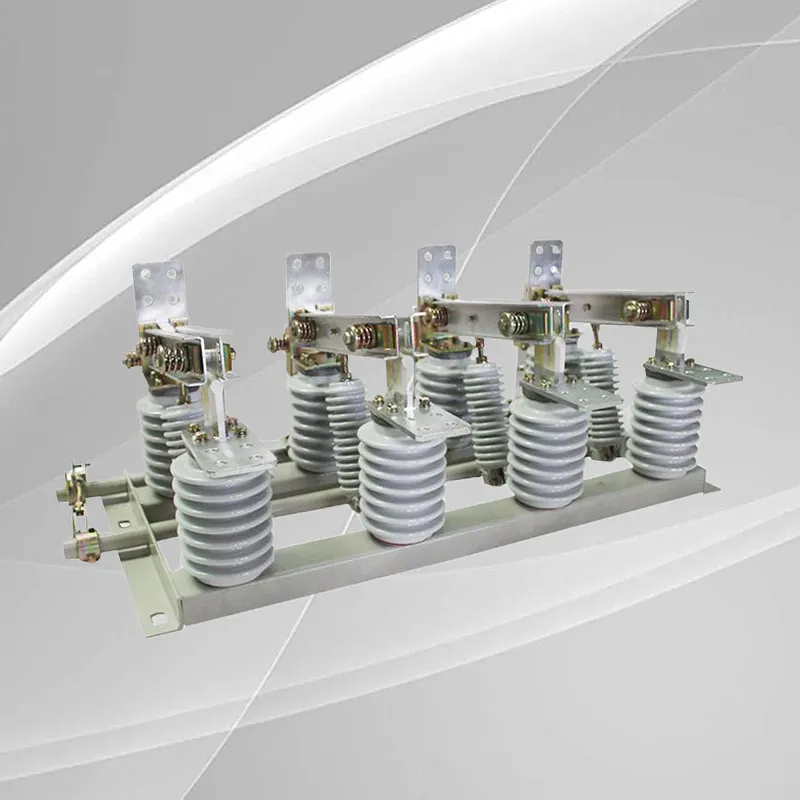 High voltage isolation switch GN24-12 for indoor use
-
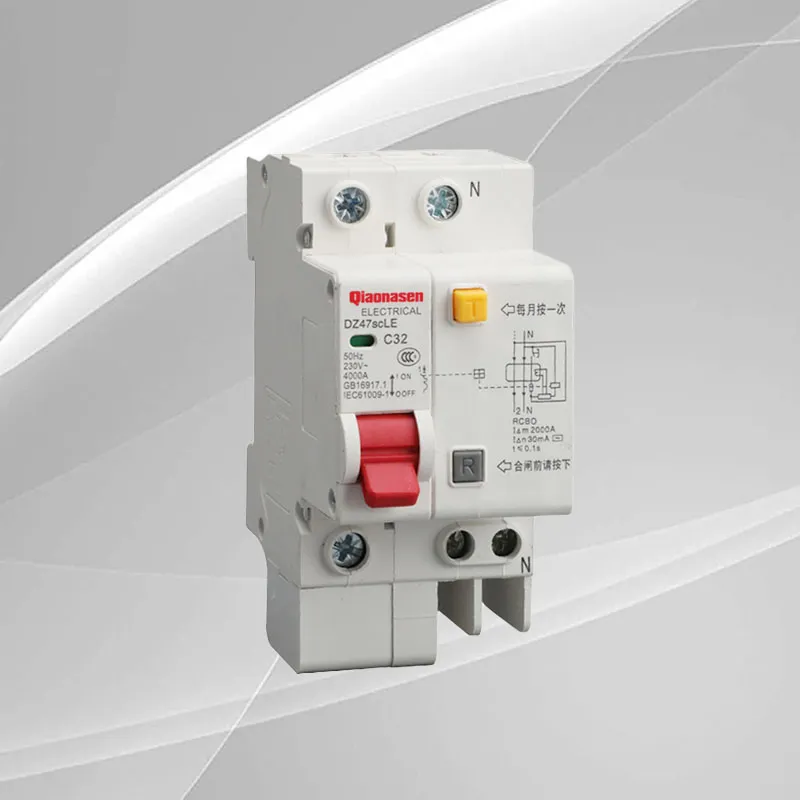 Residual current device with plastic housing
-
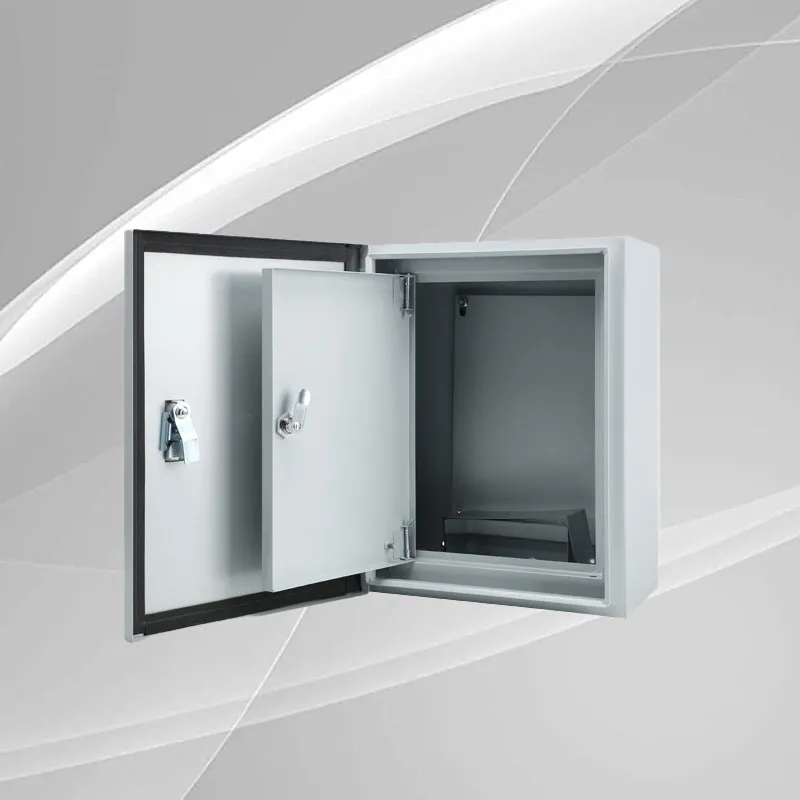 Indoor distribution cabinet with double door
-
 High voltage ring cabinet XGN66-12/10kV
-
 Outdoor waterproof distribution cabinet
-
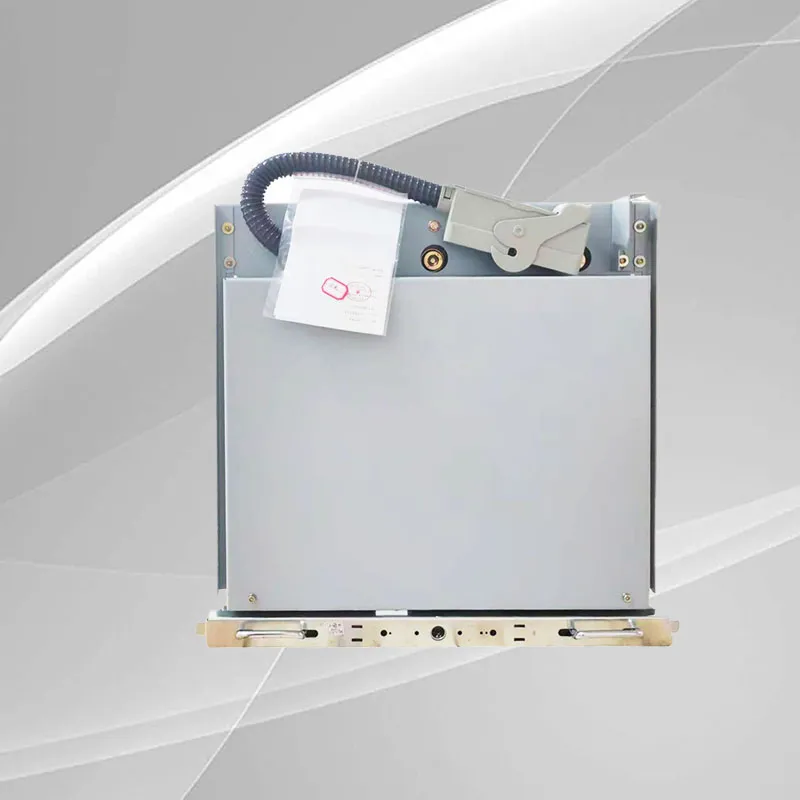 Withdrawable element for electricity metering with duck-type voltage transformers
-
 GW9-10 High Voltage Isolation Switch with Ceramic Insulators for Outdoor Installation
-
 Low-voltage withdrawable switchgears MNS
-
 XGN15-12 Gas Insulated Ring Distribution Unit Output Cell



