


dry and oil transformers
In the electrical equipment market, there is often confusion in choosing betweendry transformersandoil transformers. Many clients, especially beginners, believe thatoil transformersis a universal solution, anddry transformers– this is 'only for specific tasks'. But the reality, as always, is more complicated. I mean that over the years of working with various energy facilities, I have observed situations where the choice of transformer type directly affects the economic feasibility, reliability and safety of the entire electrical power system. Today I want to share my observations, based on practical experience and real cases.
Key Differences and Benefits
Let's start with the basic differences.Oil transformers, as the name suggests, contain oil as an insulating and cooling medium. This oil plays a key role in dissipating heat from the windings. They are distinguished by high power, good arc self-extinguishing ability and relatively low cost at high power. However, the presence of oil entails a number of problems: fire hazard, the need for regular maintenance (checking the oil level, analyzing the oil for contaminants and degradation), the need to organize special storage and disposal of used oil. In general, this is a significant additional cost.
Dry transformers, in turn, use air or silicone oil as an insulating and cooling medium. Modern models often use air cooling systems using fans. The advantages are obvious: no fire hazard, minimal maintenance, environmental friendliness. But, as a rule,dry transformershave a lower rated power and a higher cost with comparable parameters.
When to choose an oil transformer?
Traditionallyoil transformerschosen for powerful installations - substations, large industrial enterprises, where high reliability and the ability to work in difficult climatic conditions are required. An example would be the modernization of the power supply of a large chemical plant. Where high power (e.g. 10 MVA and above) and a high degree of protection from external influences are required,oil transformersstill remain the most cost-effective solution, although recently alternatives are increasingly being considered.
But even in these cases, we should not forget about modern technologies. Some manufacturers offeroil transformerswith improved cooling systems and increased fire safety, which reduces risks and increases reliability. It is important to consider not only the initial cost, but also the long-term operating costs.
When is it better to choose a dry-type transformer?
Dry transformersare becoming increasingly popular, especially in residential areas, commercial buildings and industrial sites with limited space. For example, when reconstructing an old building into a business center, we were faced with a situation where the installationoil transformerwas simply impossible due to lack of space and strict fire safety requirements. In this case,dry transformerair-cooled turned out to be the optimal solution.
In addition,dry transformers– this is an excellent choice for facilities with increased environmental requirements. The absence of oil eliminates the risk of environmental pollution in the event of an accident. And also for places with increased fire danger - for example, chemical production or warehouse complexes with flammable materials. Moderndry transformersThey are also highly efficient and have low noise levels.
Real case: Replacing a transformer on a production line
We recently participated in a project to replace an oldoil transformeron the production line of a metallurgical enterprise. The old transformer was already worn out and required constant maintenance, and also created a fire risk. We suggested replacing it withdry transformerwith ventilation cooling system. Initially, plant management expressed doubts due to concerns about productivity. But after carrying out calculations and demonstrating the effectiveness of the new equipment, the decision was made in favordry transformer. As a result, not only have operating costs decreased, but the safety and reliability of the line's power supply has also increased.
Problems and pitfalls
Despite all the advantages,dry transformersalso have their own characteristics. For example, they are less effective thanoil transformers, especially at high powers. They are also more sensitive to air pollution. Therefore, when choosingdry transformer, it is important to take into account climatic conditions and the presence of dust and other contaminants.
It is also worth paying attention to the cooling system. Cooling efficiencydry transformerdirectly affects its service life. It is necessary to regularly maintain the cooling system and keep the fans and radiators clean.
Conclusion: Individual approach is the key to success
Choice betweendry transformerandoil transformeris not just a technical issue, it is an economic and strategic decision. There is no universal answer. It is always necessary to take into account specific operating conditions, requirements for reliability, safety, environmental standards and, of course, the budget. Wenzhou Qiaonasen Electrical Equipment Co.,Ltd specializes in providing power transmission and distribution solutions, and we are always ready to help you make the right choice based on our years of experience and in-depth market knowledge.
Company website:https://www.qnasen.ru. If you have any questions or would like advice, please contact us.
Additional thoughts on maintenance
It is important to remember that regardless of the type of transformer, regular maintenance is the key to long and reliable operation. Regular oil analysis (for oil-immersed transformers) or inspection of the cooling system (for dry-type transformers) will help identify potential problems early and prevent costly accidents.
Correspondingproducts
Related Products



Best Sellingproducts
Best Selling Products-
 Transparent circuit breaker with plastic housing
-
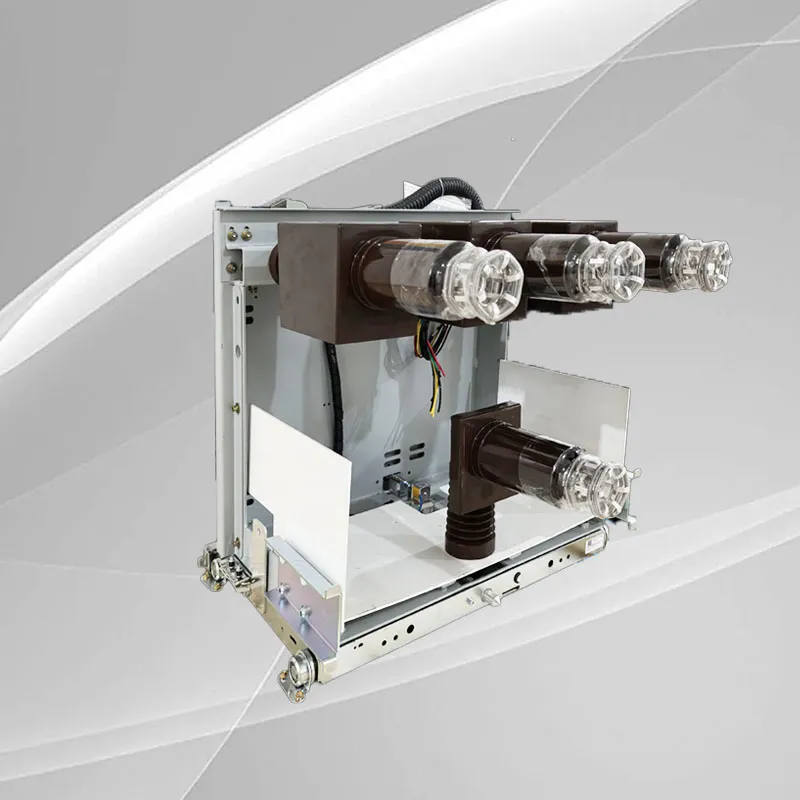 Withdrawable element for electricity metering for four contacts with three voltage transformers
-
 Outdoor distribution cabinet made of 201 steel
-
 Withdrawable element for electricity metering
-
 Miniature circuit breaker
-
 Outdoor High Voltage Smart Vacuum Circuit Breaker
-
 external isolation switch
-
 JXF weatherproof box for external use with enhanced dust protection
-
 XGN15-12 AC High Voltage Ring Switchgear with Sulfur Hexafluoride
-
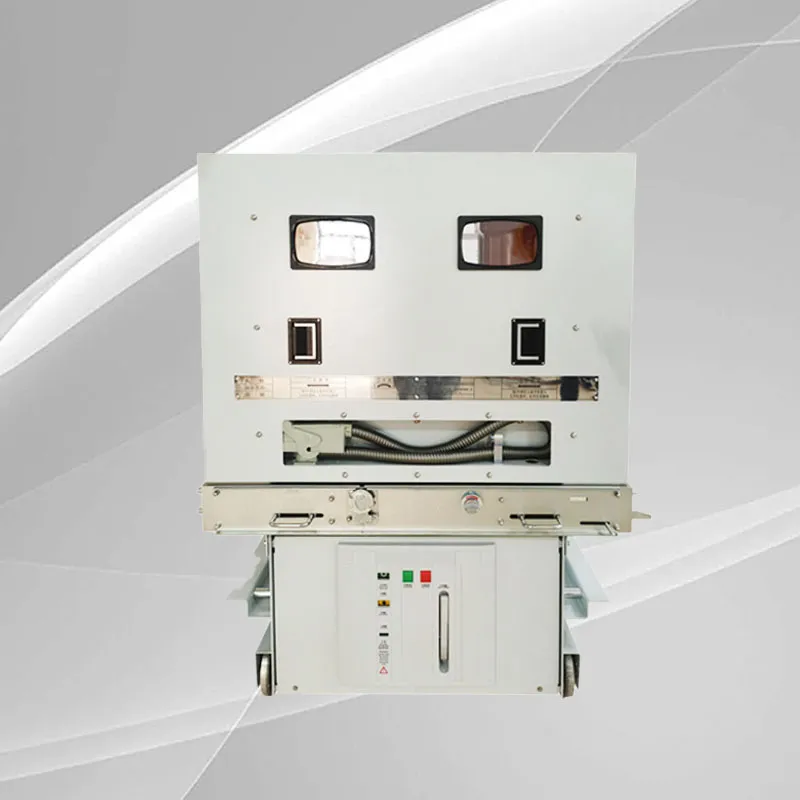 High Voltage Vacuum Circuit Breaker
-
 Switch cabinet with double doors
-
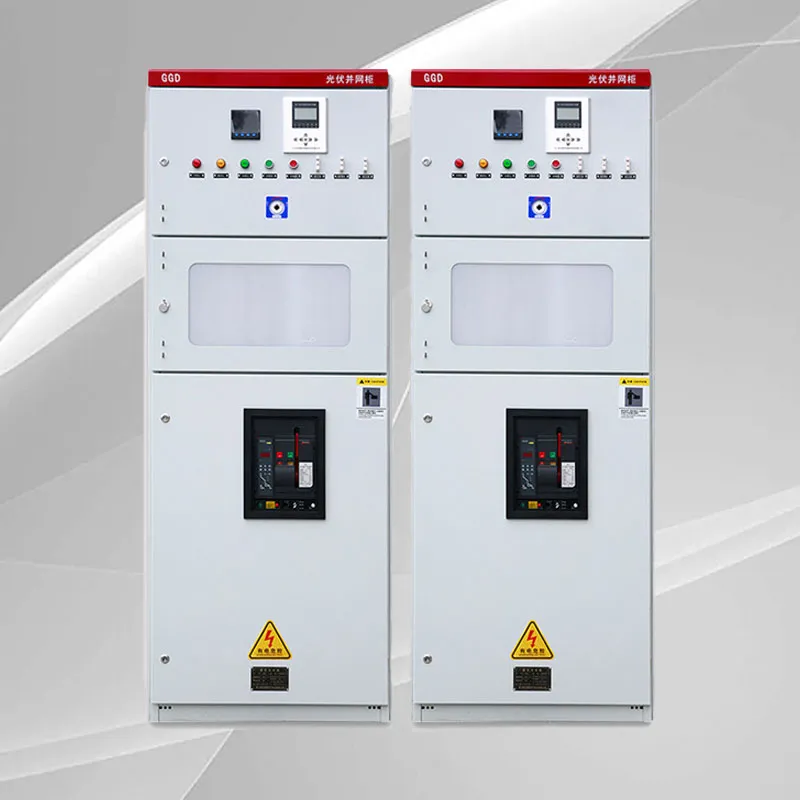 GGD cabinet for network connection of photovoltaic systems



