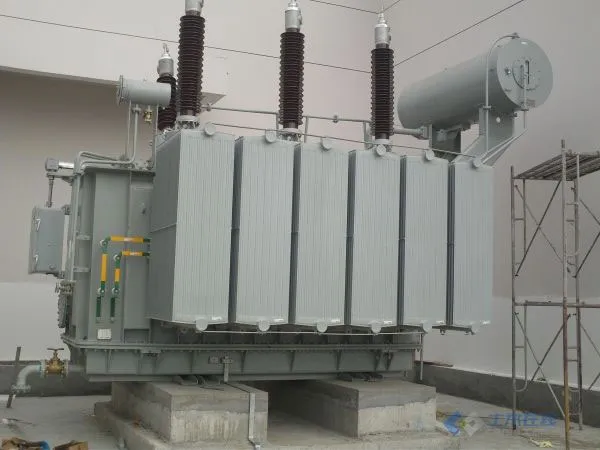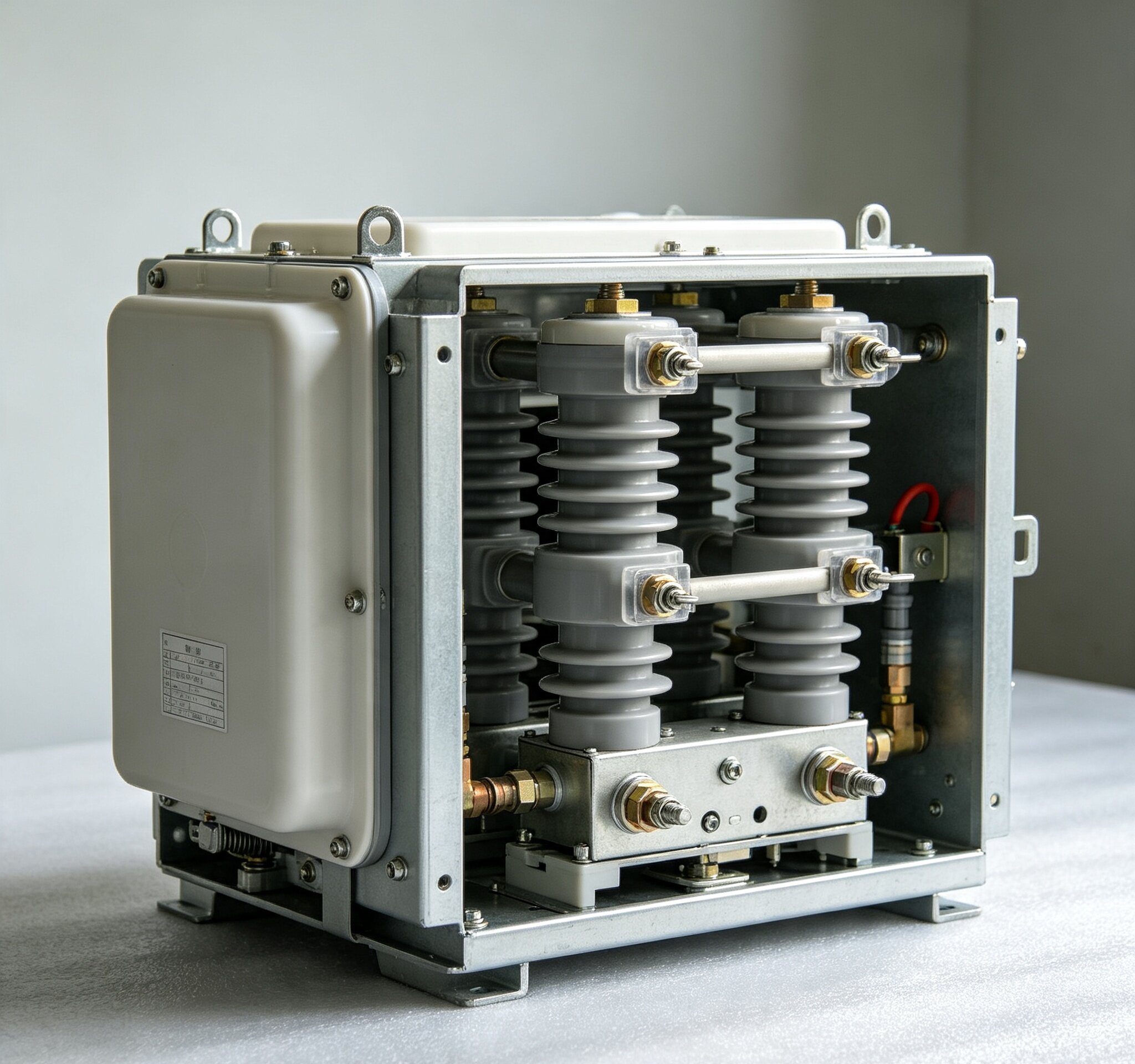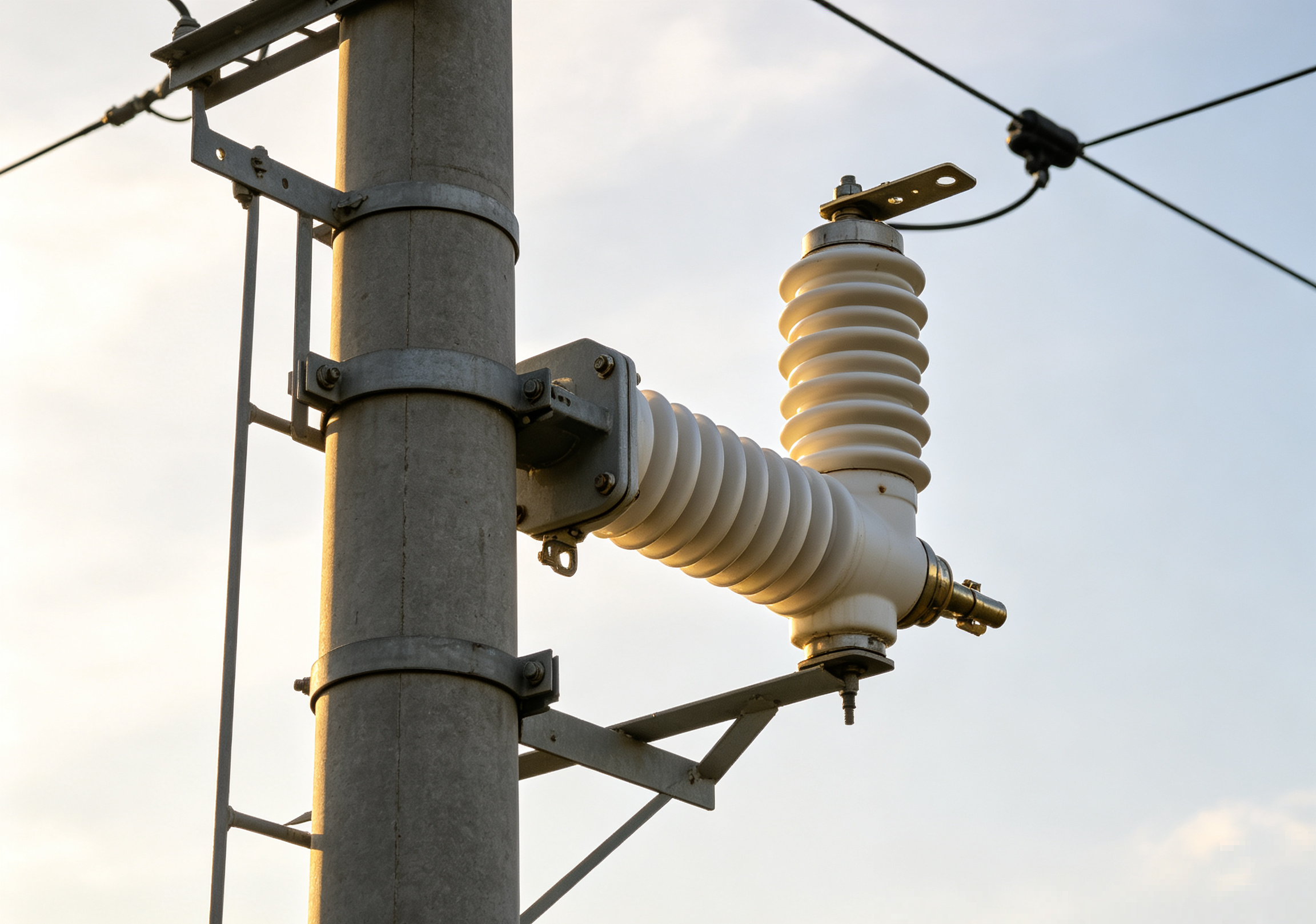

Abstract: This article introduces the insulation level and representation method of a transformer, as well as the coordination of the transformer neutral point arrester.
2025-09-02
Key words: transformer neutral point insulation arrester
The insulation class of a transformer, also known as insulation strength, is a class that corresponds to the protection class and other insulated components, that is, the withstand voltage value determined by the maximum voltage Um of the equipment.
The maximum equipment voltage Um is the effective value of the maximum phase-to-phase voltage of the transformer winding. From an insulation point of view, Um is the maximum effective system voltage to which the windings can be connected. Thus, Um is a standard value which may be greater than or equal to the rated voltage of the winding.
Insulating all windings with the same withstand voltage at the ground frequency at the output terminals is called total insulation; The insulation level of the ground point or neutral point of the winding is lower than the insulation level of the wire end, which is called gradient insulation.
The rated withstand voltage of the windings is indicated by the following letter codes:
LI - lightning impulse withstand voltage
SI-working withstand voltage
AC - Variable Frequency Withstand Voltage
The insulation class of a transformer is expressed by listing the withstand voltage values in a sequence of high, medium and low voltage windings (primarily impulse class), separated by diagonals. The neutral point insulation class with classified insulation is listed by a horizontal line after the insulation class at the end of the line.
For example:LI850AC360- LI400AC200/LI480AC200- LI250AC95/LI75AC35。
Its meaning is: 220kV three-way step insulation main transformer, first of all, high voltage side output terminal, neutral point, medium voltage side output terminal, neutral point and low voltage.
To select lightning arrester protection:
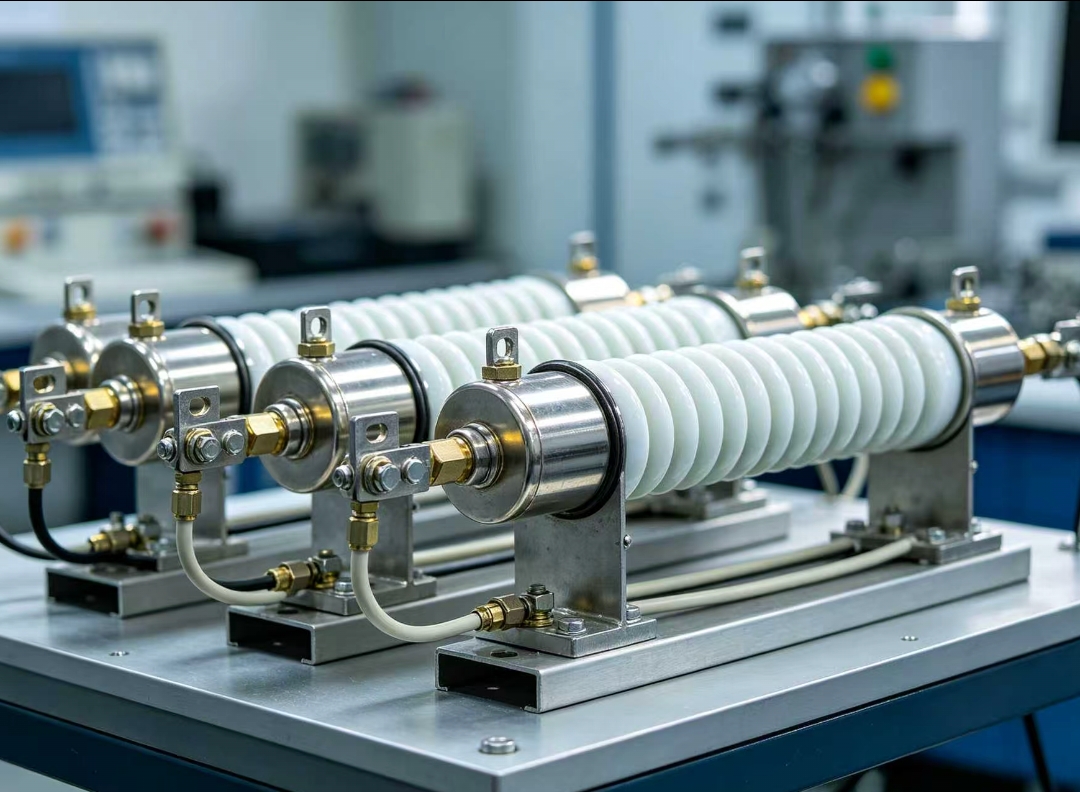
Generally speaking, selecting a bus-side arrester is relatively easy, and selecting according to the voltage level produced and used by the manufacturer is generally no problem. However, choosing a neutral point is quite difficult. A few years ago, Guangdong Electric Grid Company specifically published a document indicating that there were many non-conforming arresters in different places and corrected them. The selection of a neutral point arrester for the 110 kV neutral point protection mode of the main transformer is briefly described.
Method of protecting a disposable arrester
The Y1W-73/200 arrester can be used at the neutral point with an insulation class of 60 kV. Its 1mA DC voltage is 103kV, which is equivalent to the power frequency peak value of 73kV, the neutral point can withstand the short-term power frequency overvoltage of 1 times the phase voltage; The residual voltage of 1 kA is 200 kV, and the lightning voltage class can be calculated as U-resistance = 1.1 × (1.1 V residual + 15) kV. The residual voltage of the current is 200 kV, so the insulation of 258 kV equipment can meet the requirements. Lightning arresters with a residual voltage of 225 kV can also meet the insulation coordination requirements of insulation with a lightning resistance of 300 kV.
The neutral point of 44 kV insulation class can be equipped with Y1W-60/144 type arresters.
Its 1 mA DC voltage is 86 kV, which is equivalent to a peak power frequency of 60 kV. With single-phase grounding, the maximum voltage at the 110 kV neutral point is about 43.8 kV, which can withstand the total single-phase grounding overvoltage. However, the short-term power frequency overvoltage is twice the phase voltage, which is unbearable. Choosing the Y1W-73/200 type arrester is much safer for the arrester, but the insulation protection margin of the main transformer is reduced. As a general rule, derating of the main transformer should not be used to protect the arrester.
Selecting a neutral arrester with an insulation class of 35 kV does not pose a residual voltage problem, but increases the likelihood of damage due to power frequency overvoltage. Therefore, it should be taken into account that increasing the neutral point potential during single-phase grounding of the system will not damage the arresters. The voltage is about 43.8 kV. Therefore, the DC voltage of 1mA arrester should be higher than 60KV (43.8KV×√2≈60KV), Y1W-48/109 type arrester can be used. The arrester cannot withstand short-term power frequency overvoltages exceeding 1 phase voltage.