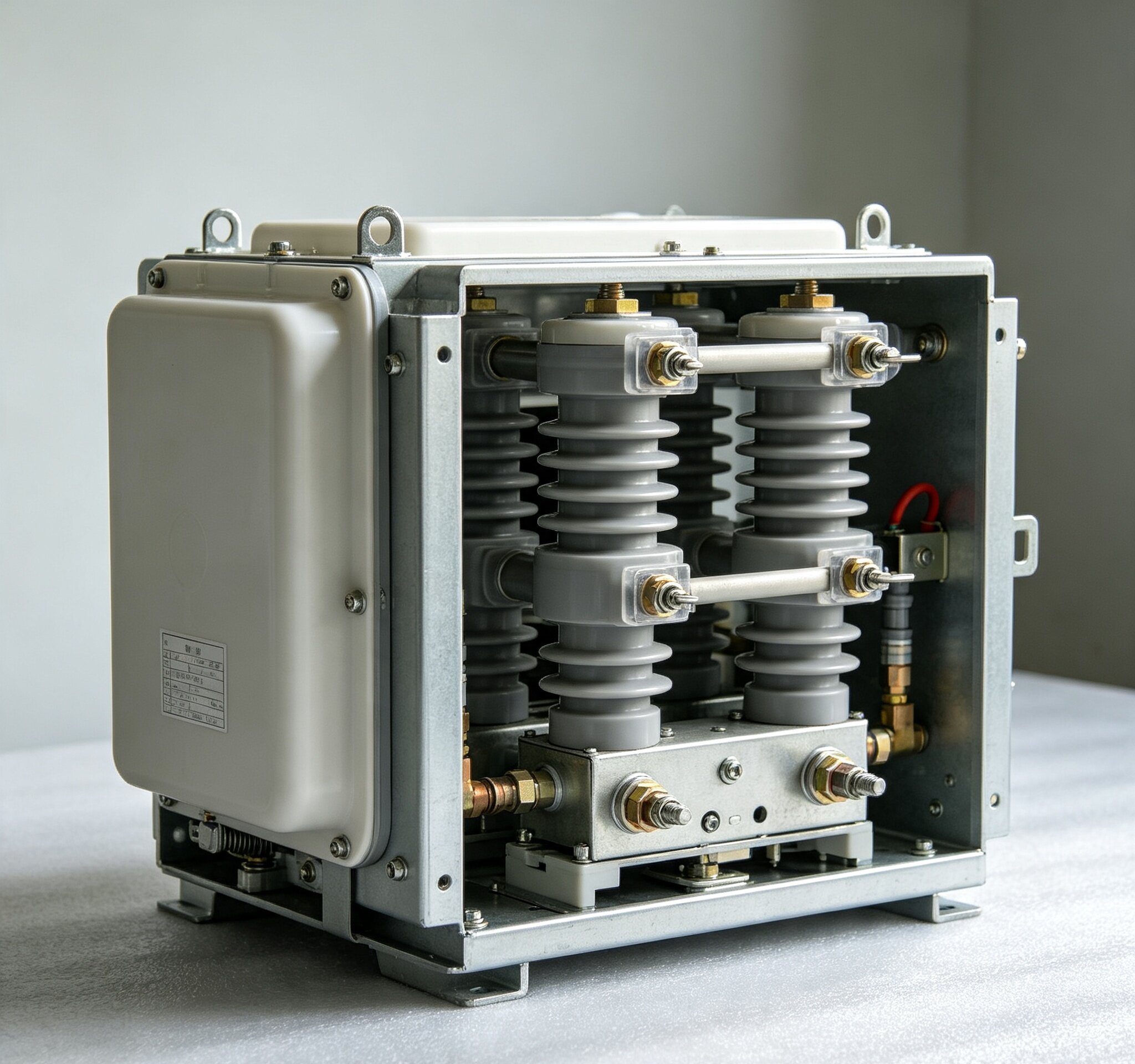

How do dry-type 10 0 4 transformers affect stability?
2025-11-08
content
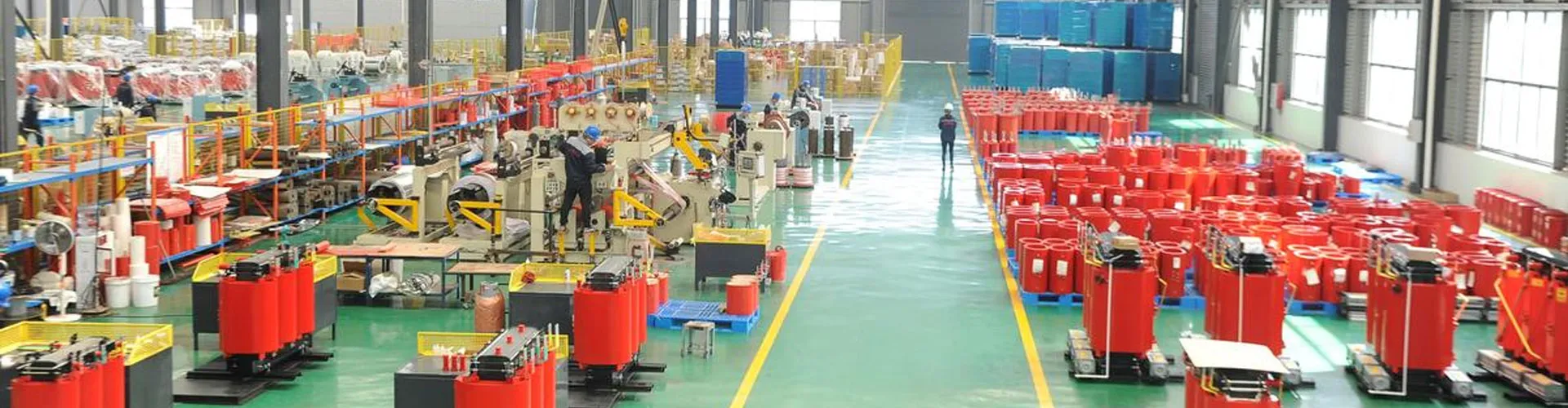
Dry-type transformers 10 0 4 are not just elements of energy infrastructure, but key participants in the balance of power system reliability. Their use can radically change not only the technical characteristics, but also the overall stability of objects.
Features of dry transformers
The first thing worth noting is safety. They do not use oil for cooling, eliminating the risk of leaks and fires. This is especially valuable in projects where minimizing fire hazards is a top priority. However, it is worth taking into account some difficulties with cooling if the operating conditions are difficult.
Not long ago I observed a project in which the implementation of such transformers significantly reduced overall operating costs. This was achieved through simplified maintenance. However, there was a minus: the initial costs were higher than planned.
As for overall stability, dry-type transformers 10 0 4 behave quite predictably in conditions of unstable voltage, and also maintain stable operation of other elements of the system.
Sustainability in the long term
The question often arises: how do they affect the durability of the entire system? From personal experience I can say that this largely depends on proper design and installation. Compatibility with other components requires careful checking, otherwise the risk of rapid wear increases.
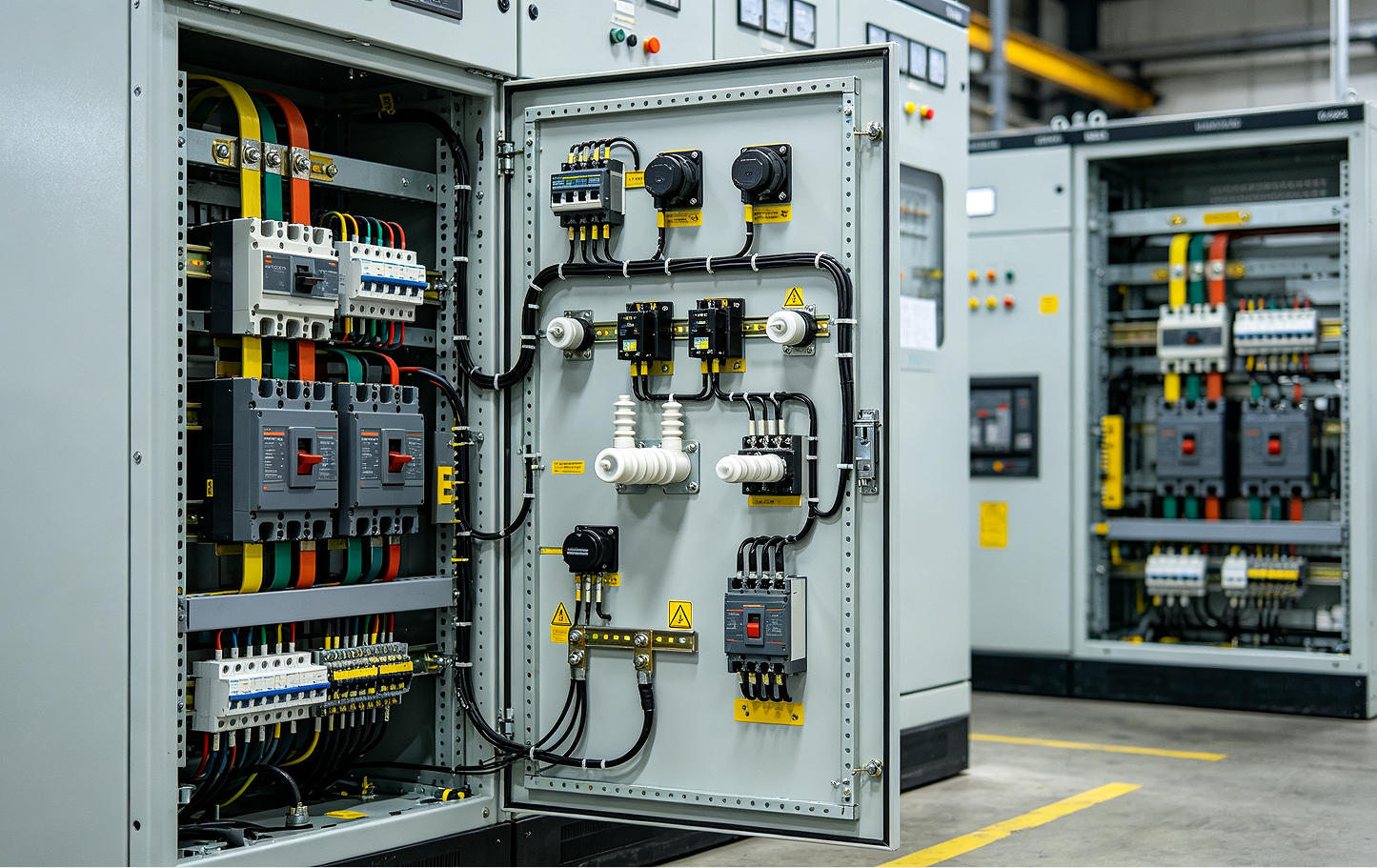
An interesting case occurred in one of the projects of Wenzhou Qiaonasen Electrical Equipment LLC, (https://www.qnasen.ru) specializing in transmission and distribution solutions. They encountered an overheating problem in one of the nodes, which required upgrading the ventilation system.
Thus, the optimal combination of cost andsustainability. We can say that the company has found the right approach to using these technologies.
Advantages and Disadvantages
Of course, we should not forget about some of the disadvantages of dry-type transformers. For example, they may be less effective in extreme temperatures. In winter, at one of the facilities it was noticed that the equipment required additional heating.
However, among the advantages is the absence of the need for regular oil changes, which significantly reduces maintenance costs. It is noteworthy that this was a decisive factor for the transition to dry-type transformers at a number of industrial sites.
In particular, the environmental factor often plays a key role for areas with special requirements for safety and environmental protection.
Real implementation cases
I had the opportunity to work with projects where the introduction of dry transformers made it possible to significantly raise the technological level of the enterprise. One customer using Wenzhou Qiaonasen Electrical Equipment Co., Ltd. products reported a reduction in operational failures and costs in the first year of use.
The key decision was integrationdry transformers 10 0 4with existing automation systems. This allowed not only to reduce the load on the network, but also to improve the overall reliability of the equipment.
To be honest, there were some difficulties. There were difficulties adapting old control systems to new technologies, but ultimately the problem was solved.
Conclusions and prospects
In conclusion, I would like to note that dry transformers 10 0 4 represent a promising direction in the development of energy infrastructure. They can significantly improve environmental safety and minimize operational risks.
However, the selection of such transformers must be carefully justified and supported by appropriate calculations and tests. Especially considering the specifics of other components in the system.
So, if you are faced with a choice, you should pay attention toreliability and stabilityas key parameters, and perhaps seek advice from Wenzhou Qiaonasen Electrical Equipment LLC, where they can offer a customized solution.