
The new generation of compact MCCBs opens a new era of safe and efficient low-voltage power distribution
2026-06-18
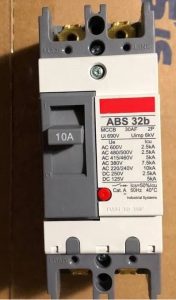
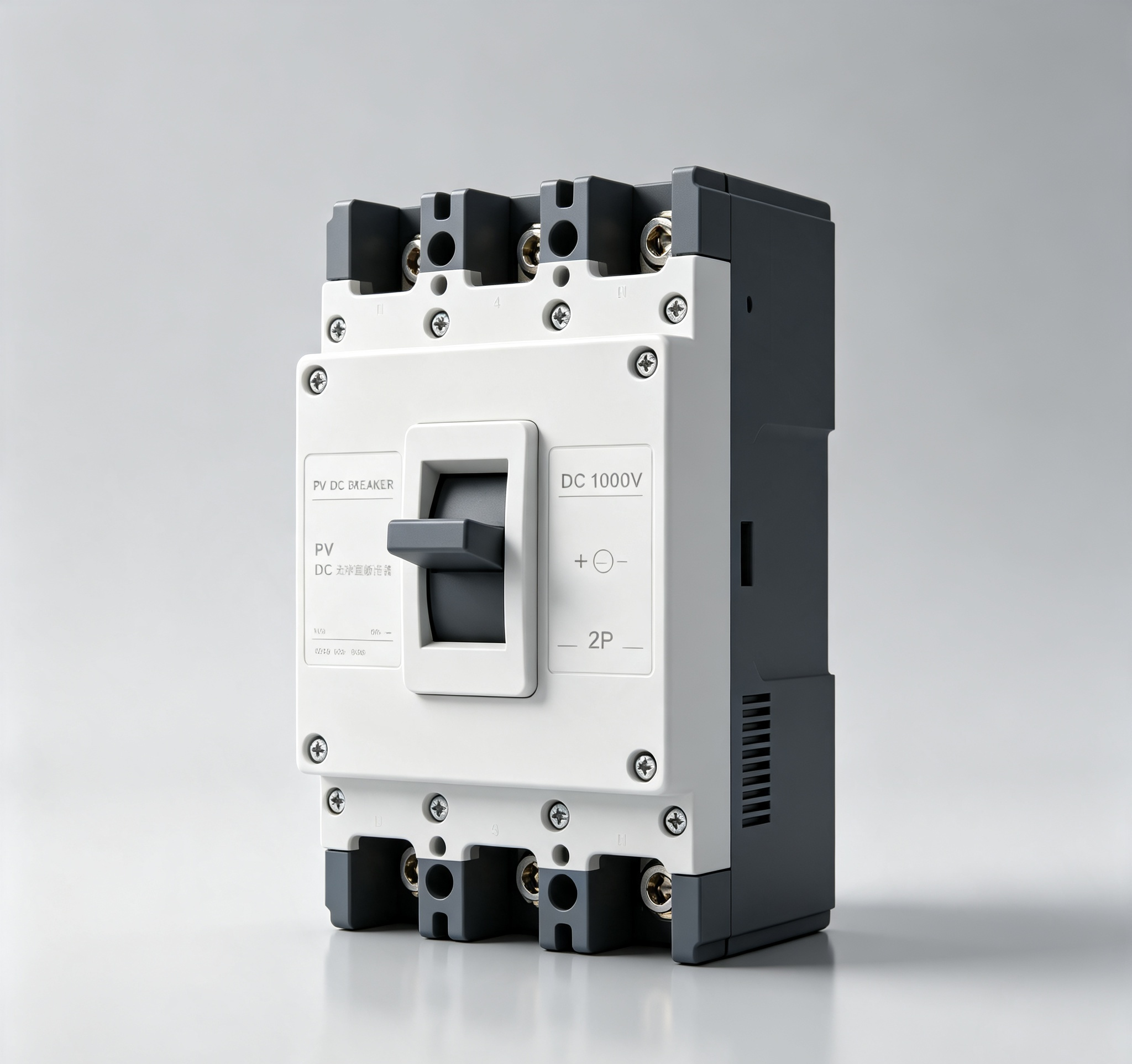
Electrical solutions company Qiaonasen has introduced a new generation of compact molded case circuit breakers (MCCBs). The new product closes the shortage of high-performance compact equipment for protecting distribution networks and sets new standards for safety and efficiency for low-voltage systems for industrial, commercial and civil purposes.
Compact size with maximum power - a breakthrough in the industry
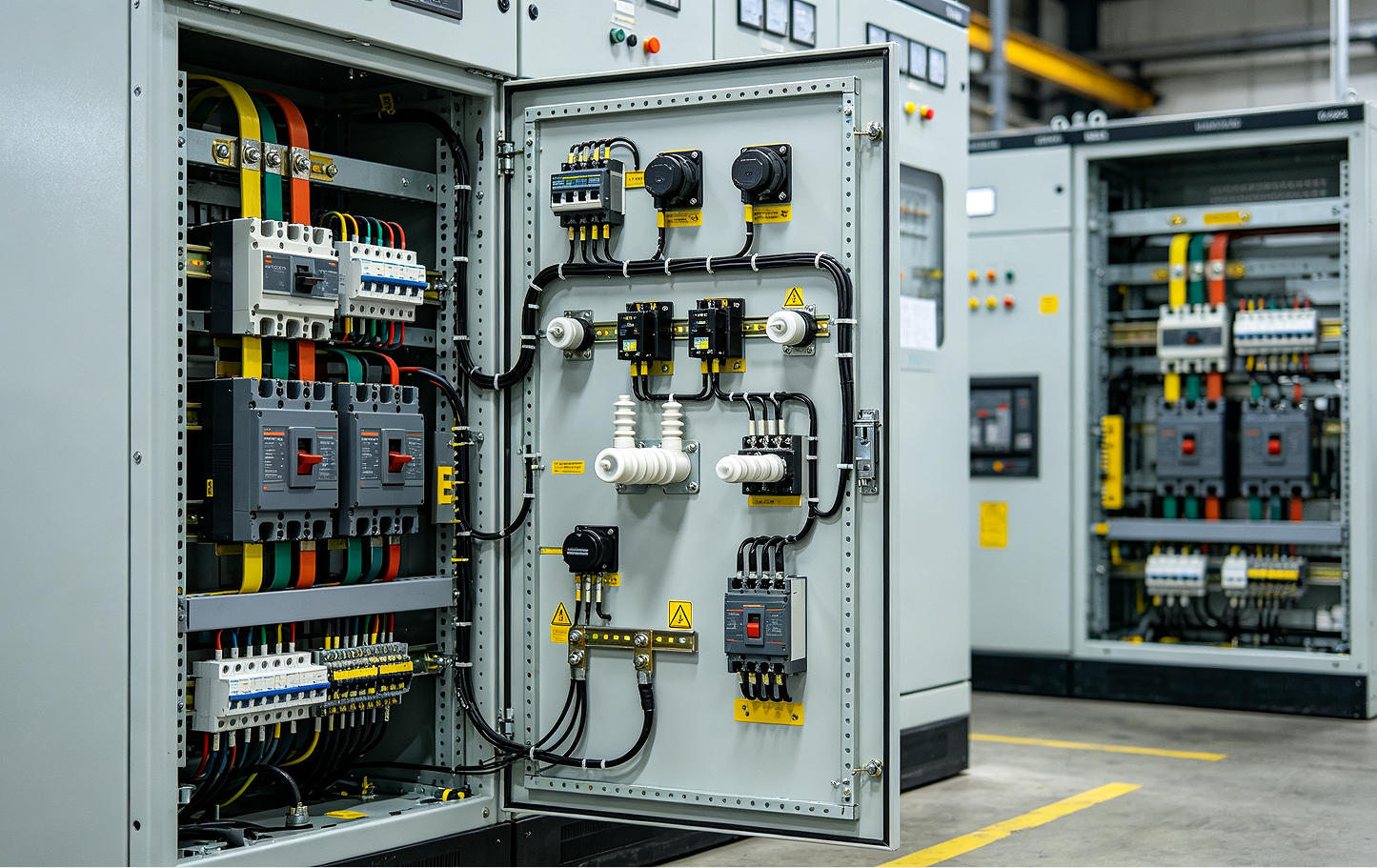
Standard MCCB switches are large in size and require a lot of space during installation. Thanks to an innovative arc quenching system and an optimized internal design, the new range of compact MCCBs completely eliminates this disadvantage. In terms of dimensions, the device is comparable to conventional miniature MCB switches, while the maximum breaking capacity reaches 50kA/65kA. The equipment is ideal for installation in limited space of distribution boards and control panels, providing high-level protection of electrical networks without loss of installation space.
Multi-level intelligent protection - modernization of electrical safety systems
The compact MCCBs are equipped with a high-precision electronic trip unit that provides precise, adjustable long-delay overload protection, instantaneous short-circuit tripping and ground fault protection, adapting to challenging grid operating conditions. The equipment supports modular modernization: upon request, it is equipped with modules for protection against current leakage, over/under voltage, independent release and other additional devices, forming a comprehensive system for protecting electrical networks.
In addition, the model range corresponds to the development trends of the industrial Internet of things. The devices are equipped with intelligent monitoring interfaces that allow you to collect and transmit real-time data on voltage, current, temperature and energy consumption. When integrated with energy management systems and cloud platforms, remote monitoring, precise fault location and predictive maintenance are provided. This allows you to move from passive shutdown during an emergency to active fault prediction, minimize the risks of unplanned downtime and significantly increase the stability and efficiency of operation of low-voltage distribution systems.