
Dry-type transformer 110 kW: from drawings to substation, past myths
2026-01-21
content
When they talk about a “dry-type 110 kV transformer,” many still imagine something niche, for special premises, and there are supposedly questions about reliability. In fact, especially for urban distribution networks, inputs to enterprises are already a proven thing. The main myth is that they are supposedly inferior in power or durability to oil-based ones. No, just a different protection philosophy: not liquid, but cast insulation, air cooling. And here the whole problem is in the quality of execution, in the little things that won’t be written in the passport.
Where does “dry” really shoot? circuit for 110
I won’t take into account nuclear power plants or metro stations - they have their own specifications. I take an ordinary industrial area or dense urban development. Fire safety is not just a piece of paper for the Ministry of Emergency Situations. When a customer sets the task of fitting a substation into a residential complex or a workshop where there are fire-hazardous materials nearby, the conversation about oil immediately ends. The absence of oil means the absence of oil receivers, fire extinguishing systems, and constant tightness monitoring. The savings on the volume of construction work and on operation are colossal.
But there is a nuance that is often missed at the design stage. Room ventilation system. Yes, the transformer is dry, air-cooled, but if proper air exchange is not ensured, especially during hot periods, it will go into temperature overload ahead of time. I saw a facility where they saved on ventilation ducts and relied on natural convection. In the summer we had to urgently install exhaust fans, otherwise the warranty could be denied. This is about the question of “set it and forget it?” - no, with dry high-voltage transformers you also need a head.
Another practical case is the reconstruction of old substations in historical centers. Often there are underground cable chambers, restrictions on weight and dimensions. Modern models, for example, with insulation made of epoxy resins in vacuum casting technology, make it possible to obtain a fairly compact solution for a voltage of 110 kV. The weight, of course, is still decent, but the distribution of the load on the floor is easier to calculate than with an oil tank plus oil.
About the "weak link" — insulation systems and overloads
Many colleagues are afraid of an insulation breakdown. Like, the oil is diagnosed and changed, but here it is a monolith. It all depends on the manufacturer and technology. Cheap options with mediocre impregnation or with air gaps inside the winding are a one-way ticket. You need to look at the history of the brand, at real reviews from facilities that have been in operation for 10-15 years.
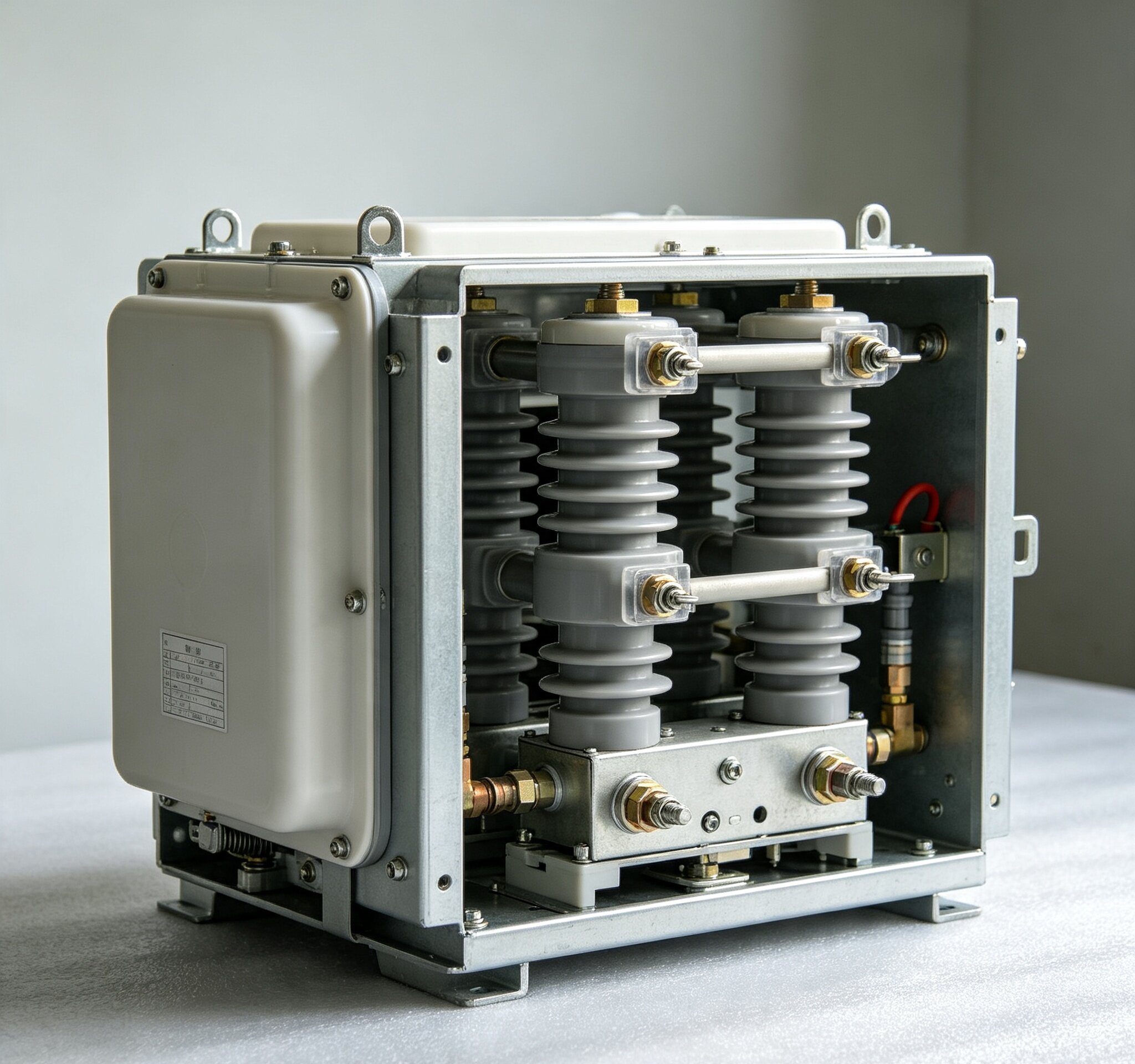
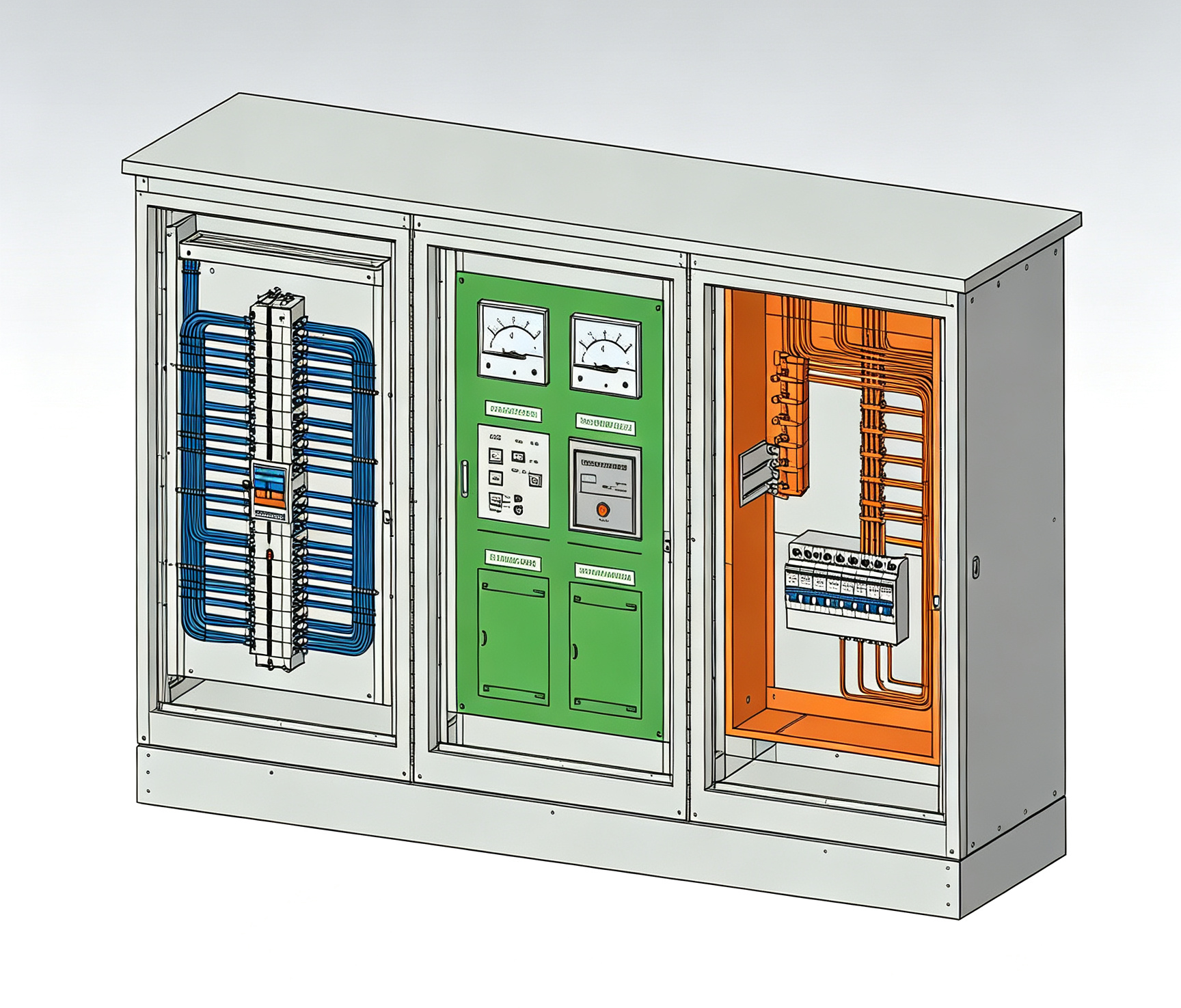
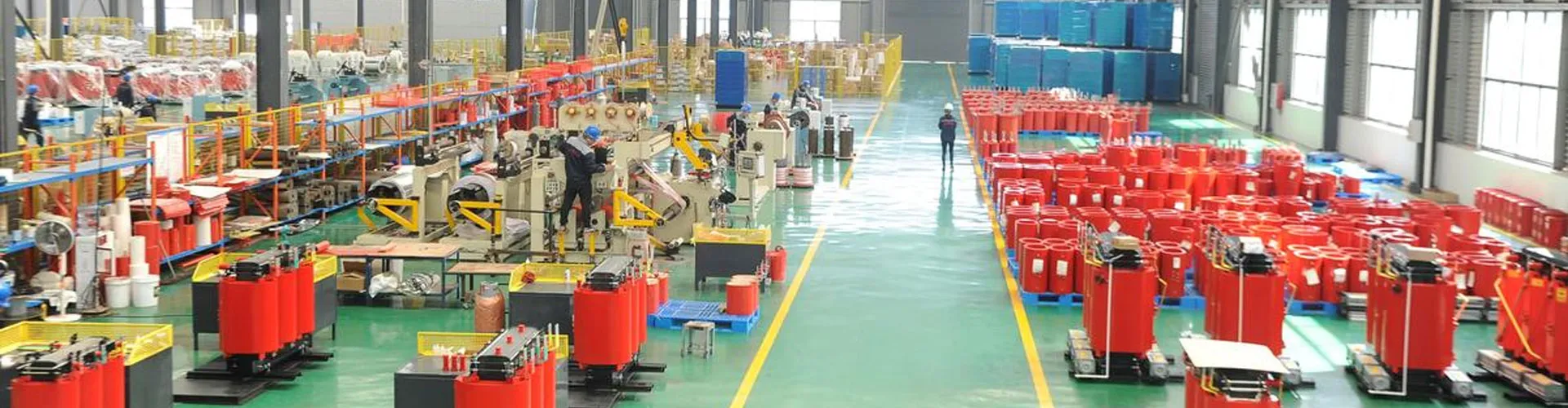
Our companyWenzhou Qiaonasen Electrical Equipment Co.,Ltd, in its decisions relies on proven component supply chains and multi-stage casting control. Why is this important? Because for a voltage of 110 kV, any microscopic bubble in the insulation is a potential point of initiation of a partial discharge. Over time, such discharges “eat away?” path. Onour websiteWe post design diagrams for a reason - it shows how protection against local overheating is implemented and how the cooling channels are organized inside the winding itself.
As for overloads. A dry transformer, of course, has a lower overload capacity compared to an oil transformer during short-term peaks. This is a fact. But in modern networks, where there is accurate load monitoring and automation, this is countered by proper calculation of the nominal value. We don’t put it “back to back”, but with a margin of 15-20%. Yes, it’s more expensive, but the resource is not consumed. This is the professional approach that we talk about with customers.
Installation and first launches: where the surprises lie
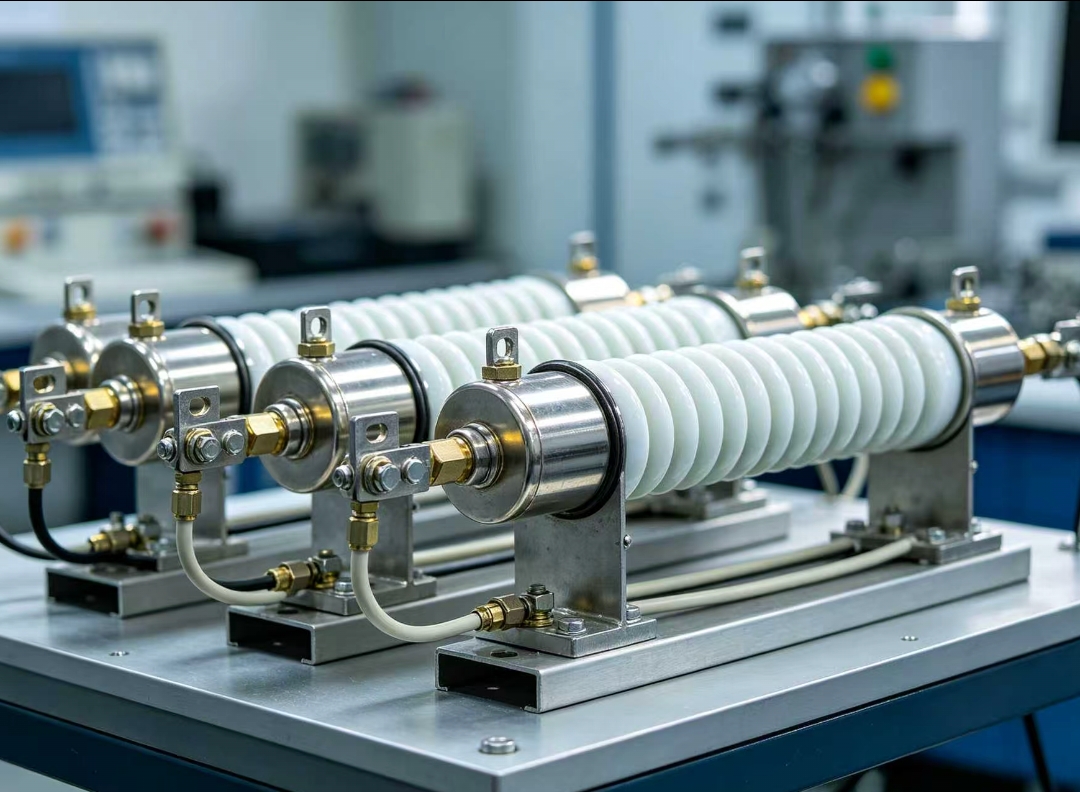
It would seem that he brought it, installed it on the foundation, connected the tires - and got to work. But no. The first is transportation. Large and heavy block. If there was a strong distortion or impact during transportation, microcracks may appear in the cast insulation. Be sure to do an on-site partial discharge (PD) test before installation. We always insist on this, even if there is a protocol at the factory. It is better to identify the problem before commissioning than after energizing.
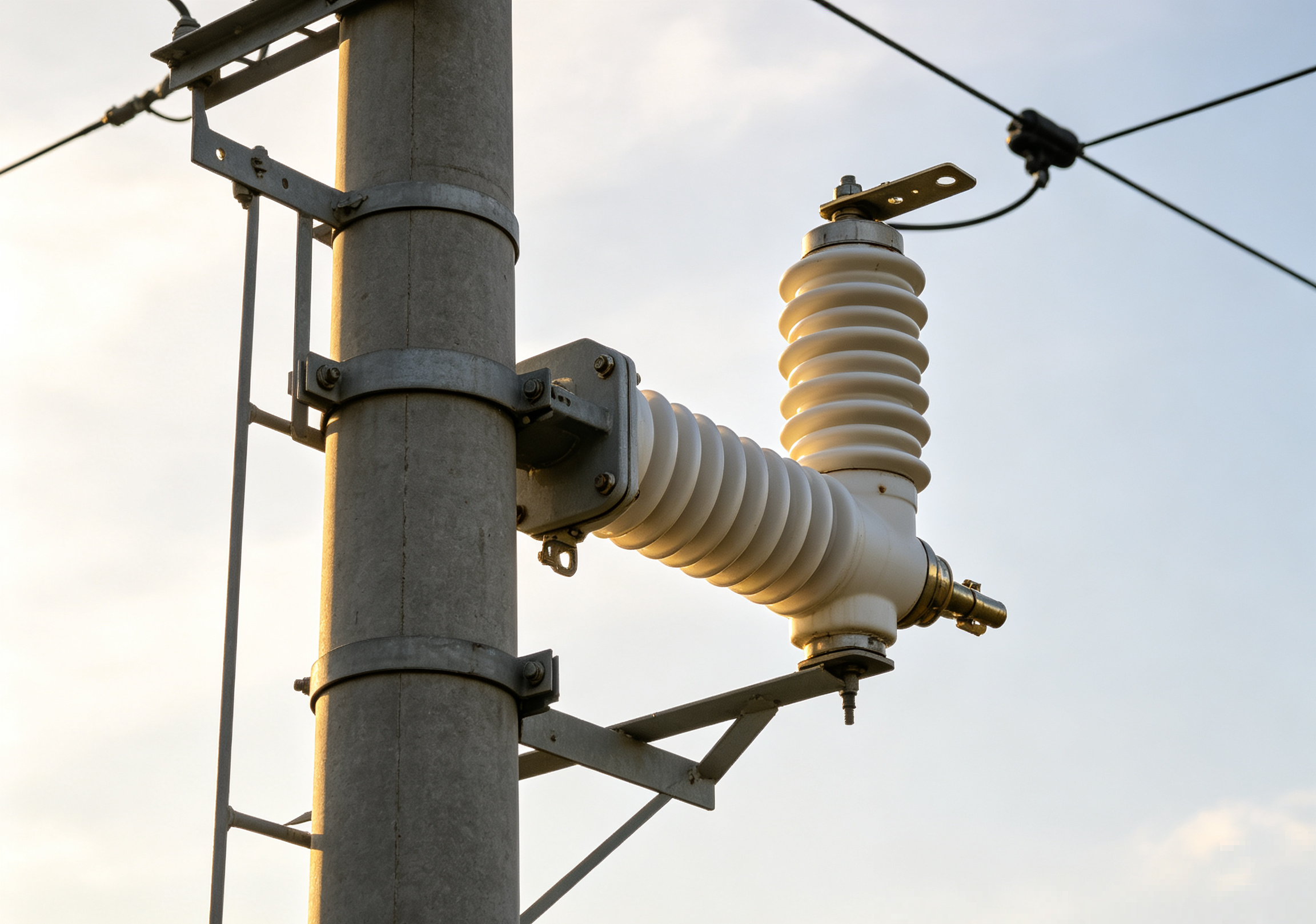
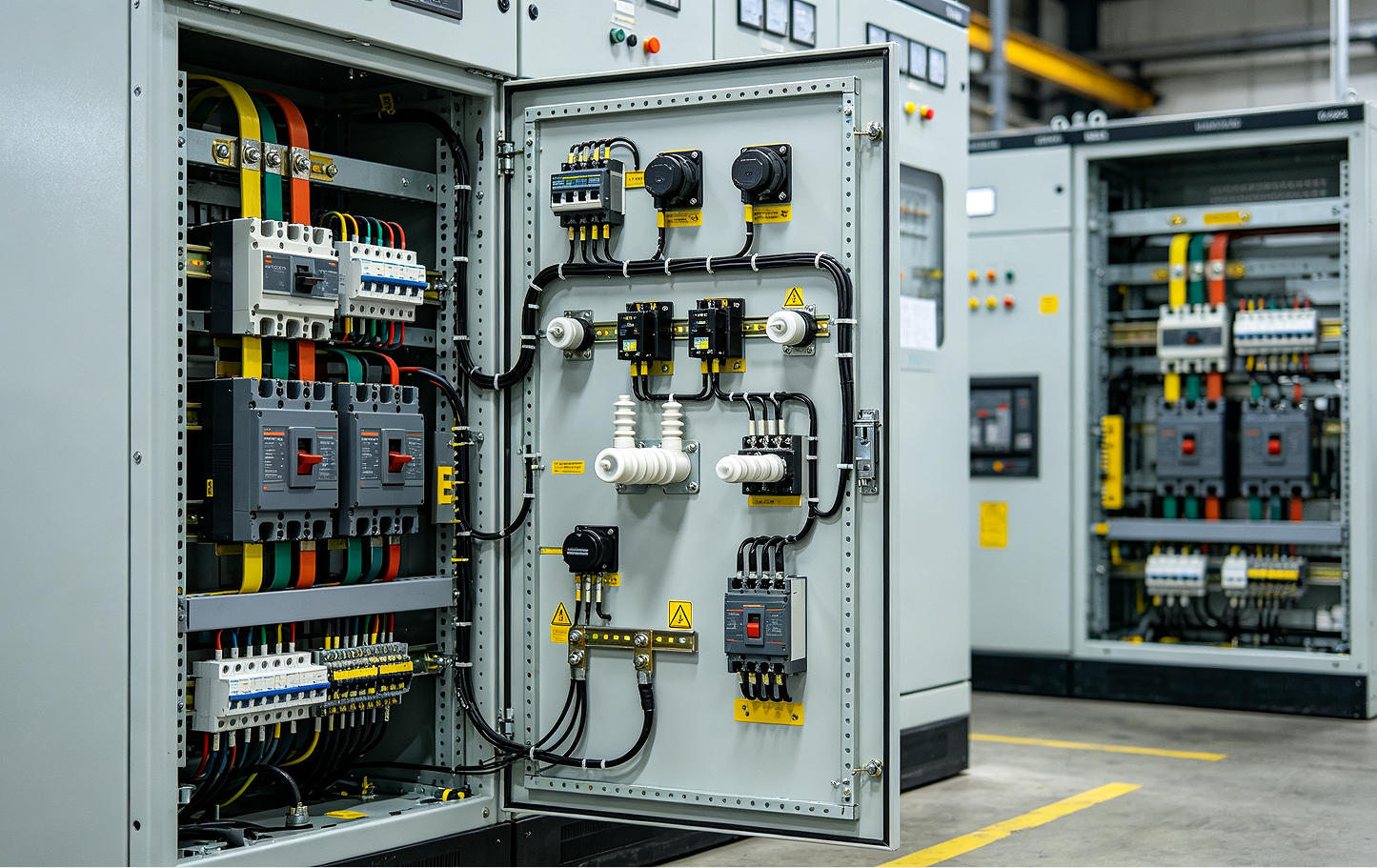
The second is connecting the buses. Especially flexible ones. The contact group at the 110 kV input is not tightened enough - and now you have heating, oxidation, and a voltage drop. I saw a case where, due to poor contact on one phase, after six months of operation it began to “sing”. — a characteristic sound from thermal expansion appeared. We took it apart and there were traces of melting. I had to stop and change the tips. A trifle, but a stop at the hub substation.
And third - initial drying. Yes, even dry transformers after long-term storage in a warehouse or in high humidity conditions can collect moisture in the surface layers of the insulation. Before switching on for the first time under full voltage, I recommend warming up with low currents or infrared lamps according to the protocol. This protects against possible surface breakdown. This is in the instructions, but installers who are accustomed to oil-based ones often ignore this step.
Who to work with and how to choose
The market is saturated with offers, from European giants to Asian manufacturers. The choice is always a compromise between price, delivery time and real quality. Europe is expensive, takes a long time, but often with a conservative, proven reserve. Asia is faster, more flexible in terms of specifications, but you need to very clearly formulate the technical specifications and control them.
In this regard, the position of Wenzhou Qiaonasen Electrical Equipment LLC is clear to me. They are not trying to be the cheapest, but offer solutions adapted to our standards (PUE, TR CU), includingdry transformer 110 kV. Their niche is precisely projects where a balance is needed: not premium with a three-year wait, but also not no-name with an unclear fate. The company's specialization in solutions for the transmission and distribution of high voltage is visible in the details: for example, in the design of bushings, which are already designed for standard Russian switchgear cells.
When choosing, I advise you to always request not just a beautiful catalog, but reporting data on already operating objects. Preferably a similar configuration. How does a transformer behave in cold weather? How noisy is it? How do PD test data change over several years? If a manufacturer or supplier like Qnasen is willing to provide such information openly or in confidence, that's a good sign.
Looking forward: digital, diagnostics and remaining life
Now the trend is built-in monitoring systems. Temperature sensors directly at the hot spots of the winding, accelerometers for vibration control, partial discharge sensors. For a 110 kV dry transformer this is not a luxury, but rather a necessity. Since you cannot take an oil sample for chromatographic analysis, the diagnosis becomes indirect - by temperature, by acoustics, by electrical parameters.
The introduction of such systems allows us to move from planned preventative repairs to repairs based on actual conditions. This is a huge life cycle saving. But here again, the quality of the sensors themselves and their integration is important. Cheap thermocouples that fall off after a year will only create headaches.
And one last thing. Residual resource. After 20-25 years of operation, how to evaluate the condition of cast insulation? Full onsite high voltage testing is always a risk for old insulation. Therefore, the future lies in accumulating the history of monitoring data and analyzing it using algorithms. For now this is rather exotic, but in five years it will become the standard. And those who install monitoring systems today will receive a serious advantage tomorrow. In general, a 110 dry transformer is no longer exotic, but a completely rational choice, but one that requires a more thoughtful approach at all stages, from purchase to operation.