
Impact of Rapid AI Data Center Development on Electric Power Systems
2026-07-06
The mass adoption of large artificial intelligence models and the construction of specialized AI data centers (AIDC) are radically changing approaches to energy supply. Computing power is becoming not just a consumer of electricity, but an active participant in managing energy flows. In this context coordination of computing and energy resources is becoming a key direction in the development of modern electric power systems. This approach already determines the requirements for equipment, network solutions and investment strategies in the electrical industry.
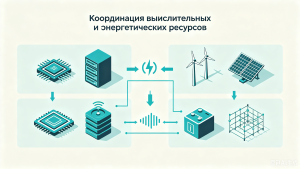
1.Computing system load and coordination of computing and energy resources are changing traditional energy consumption models
Traditional data centers are characterized by stable and predictable energy consumption. In contrast, artificial intelligence clusters operate in high-density mode, are fully loaded around the clock, and are characterized by significant short-term power fluctuations. Frequent starts and stops of GPUs can cause voltage fluctuations in the network, an increase in harmonic distortion and pulse overloads. Equipment intended for civil or general industrial use is not capable of providing the required level of uninterrupted operation and reliability in such conditions. This is where the coordination of computing and energy resources requires upgrading network infrastructure and technical upgrades to switchgear at the most fundamental level.
2. Coordination of computing and energy resources as a basis for network infrastructure planning
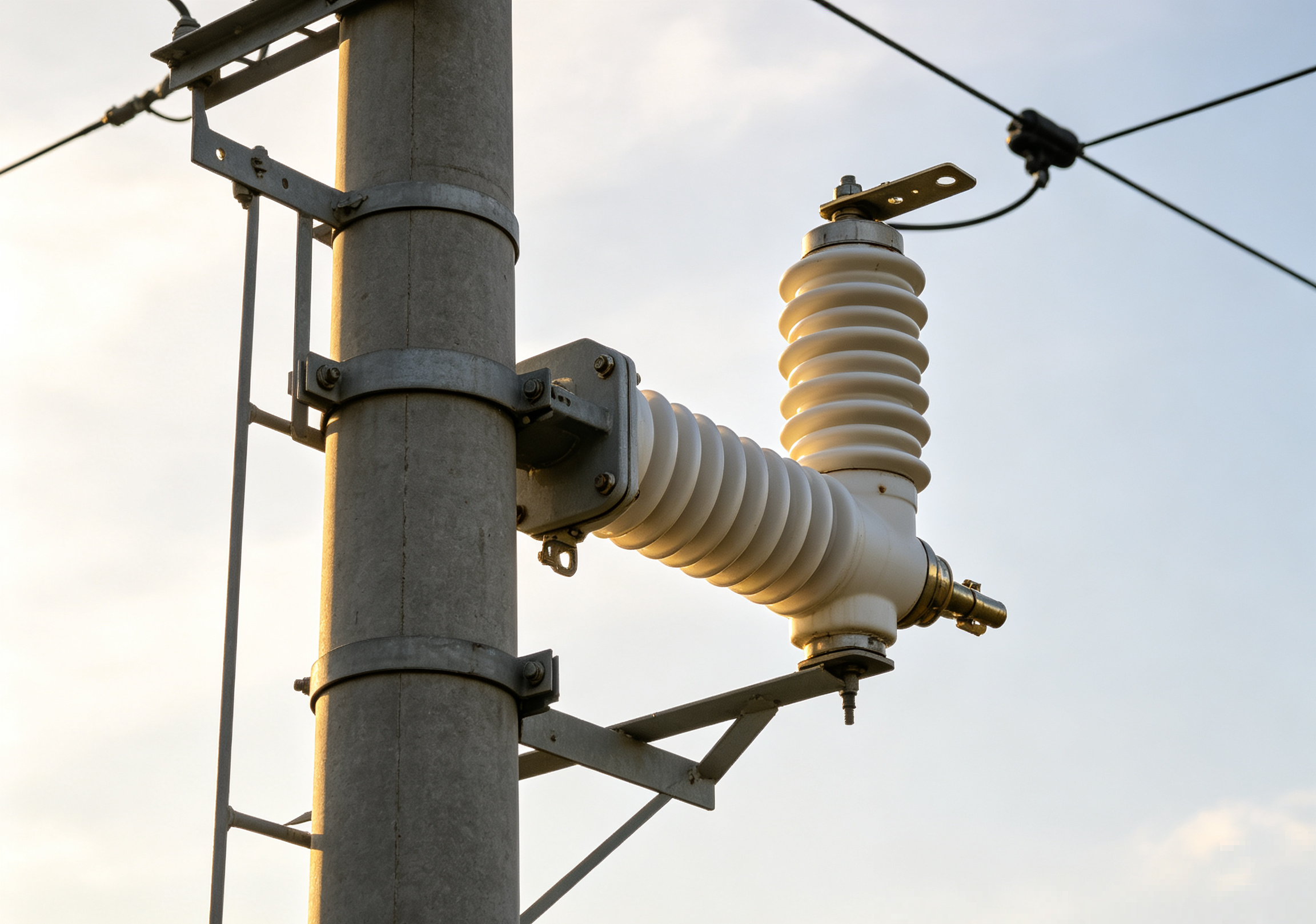
Currently, the concept of joint planning of computing and energy capacities is being actively implemented at the state level. It is becoming mandatory for new large data processing centers to be equipped with energy storage systems, connect to green generation sources, and implement flexible dispatch systems. In this way, the computing load is transformed from a passive consumer into a flexible resource capable of participating in peak load management and renewable energy integration. The coordination of computing and energy resources is already being implemented in the form of network modernization projects adjacent to key computing nodes, which is leading to a steady increase in demand for high-voltage equipment, vacuum circuit breakers, high-power transformers and complete switchgear for energy storage systems.
3. Computing loads drive complete upgrades of electrical equipment
24/7 AI data centers are changing the criteria for selecting distribution equipment. The industry is undergoing structural modernization, and in every equipment segment coordination of computing and energy resources manifests itself through stricter technical requirements:
-
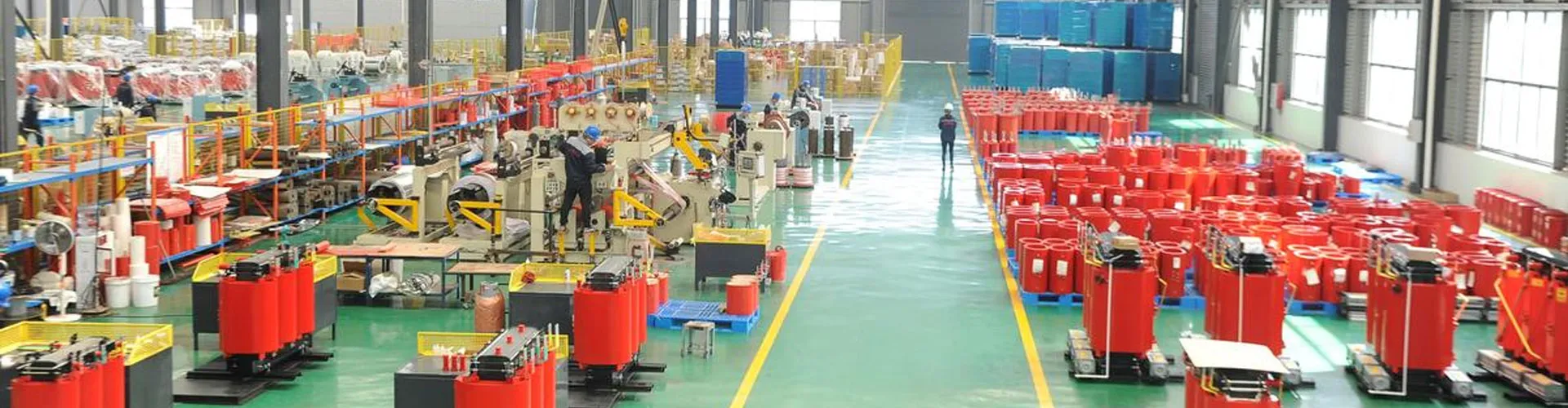
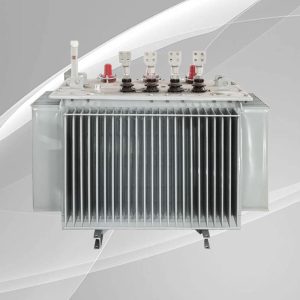
Power transformers: for computing systems, dry transformers with low losses, increased overload capacity and reduced heating, adapted to long-term operation at full load and pulse overloads, are becoming preferable. This is a direct response to the demands of resource coordination under unstable workload conditions.
-
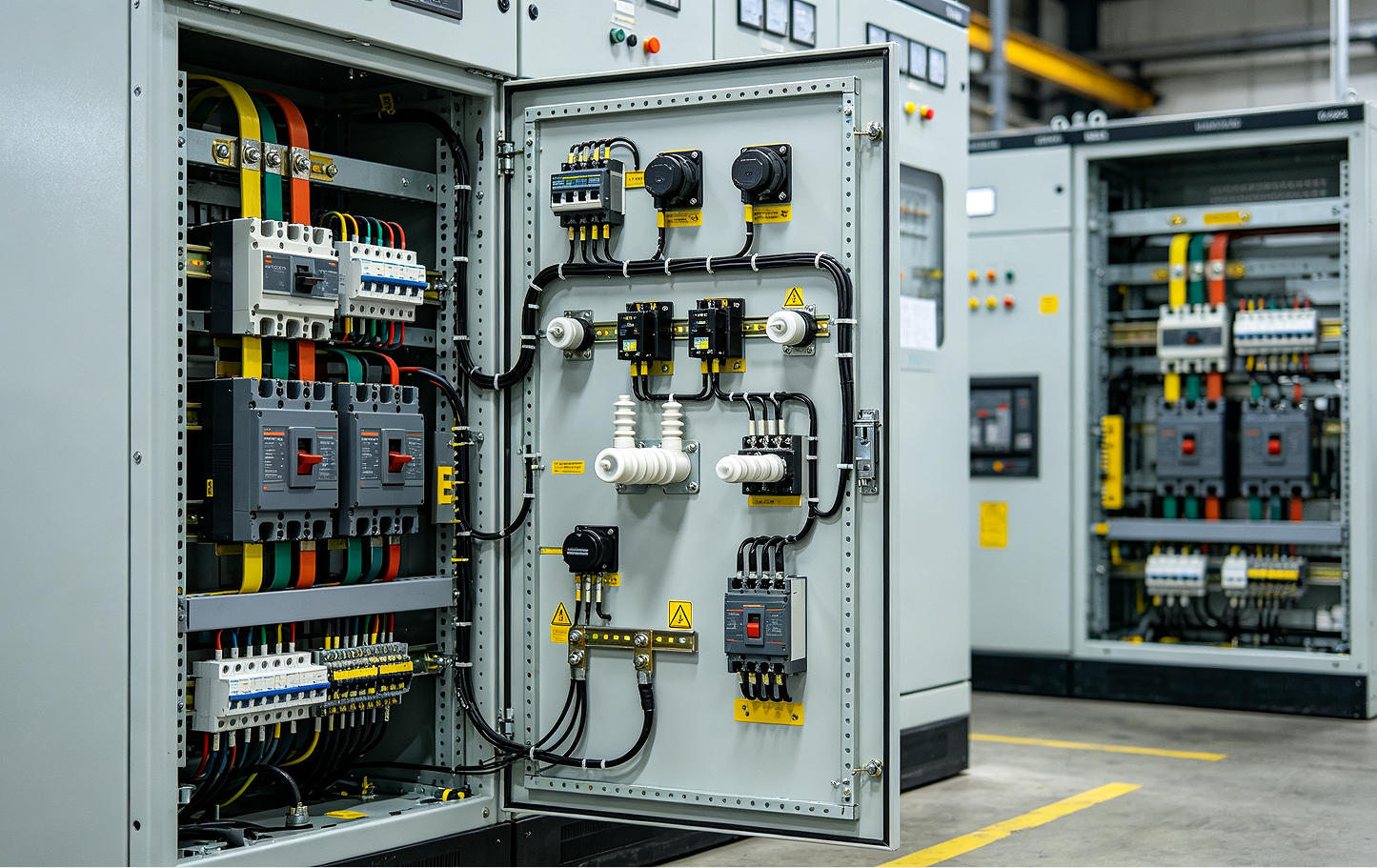
Smart frame circuit breakers: high-power automatic circuit breakers with a retractable design are widely used at the input of machine rooms, providing protection against false alarms and preventing shutdowns of clusters during voltage fluctuations. This equipment is one of the key elements of practical implementation coordination of computing and energy resources at the object level.
-
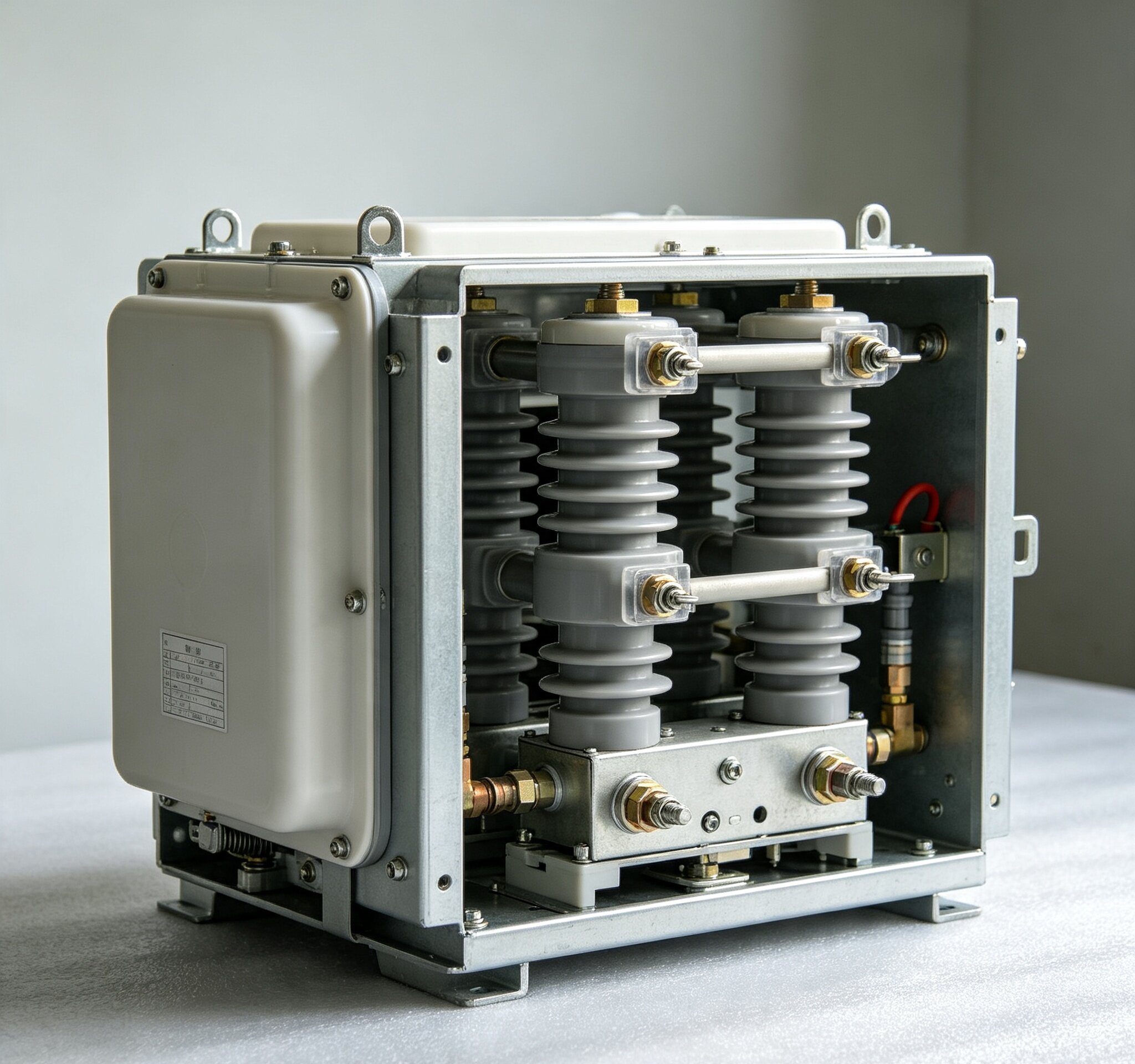
High voltage distribution equipment: Vacuum circuit breakers 10–35 kV and medium voltage switchgear are becoming standard equipment in data center substations due to their high reliability and minimal maintenance requirements.
-
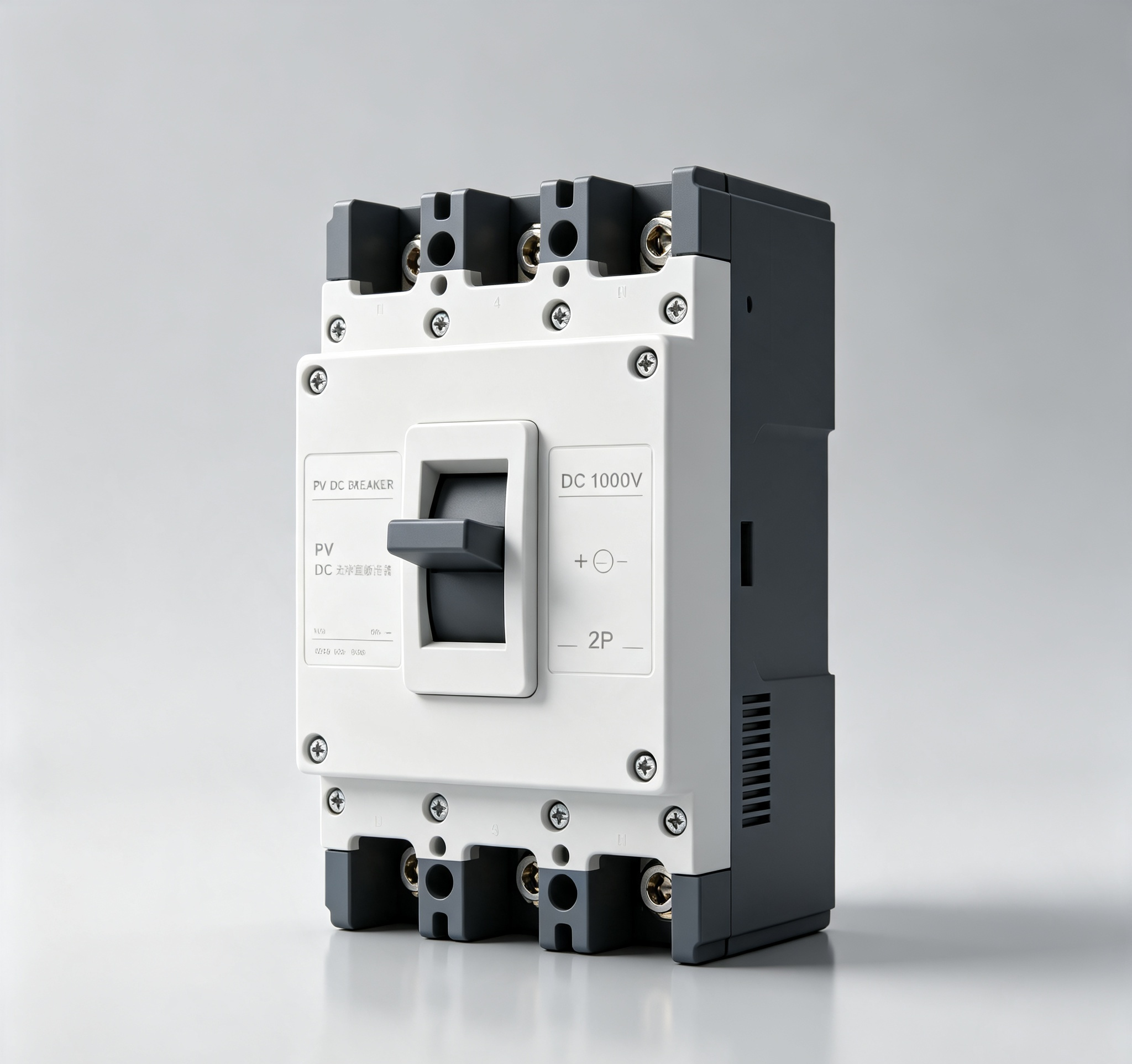
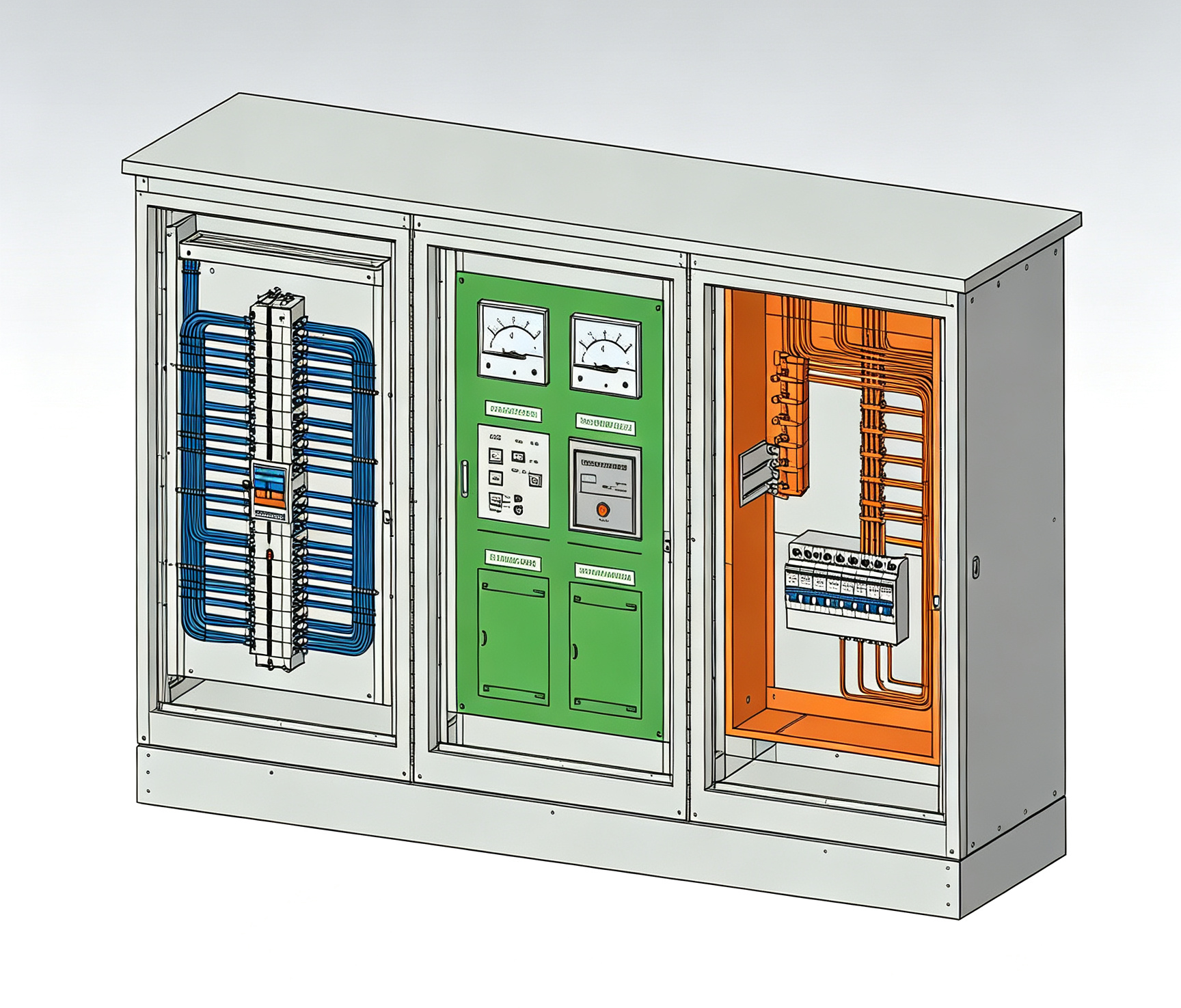
Energy storage systems: The introduction of mandatory requirements for equipping data centers with energy storage systems is driving increased demand for storage distribution cabinets, DC switching devices and complete distribution devices.
4. New opportunities: customized solutions as a key competitive factor
The development of artificial intelligence computing infrastructure initiates structural changes in the electric power industry and electrical production. Dedicated distribution equipment, adapted to work with renewable energy and storage systems, characterized by high stability and intelligent functions, is becoming an essential element of the computing infrastructure. Looking ahead, the development of customized electrical solutions tailored to specific AI data center applications will determine the ability of companies to move beyond the standard competition and carve out a niche in high-tech engineering projects.
5. Development prospects: integration of coordination of computing and energy resources into long-term planning
With computing power continuing to double every 18 to 24 months, the strain on existing power grids will only increase. Coordination of computing and energy resources ceases to be an optional task and turns into a mandatory condition for the sustainable development of both the AI industry and the energy sector. In the next five years, the main investments in distribution networks will be aimed specifically at adapting the infrastructure to handle high-density, pulsed and cyclic loads generated by data centers. Modern energy solutions for data centers already today they take these challenges into account, offering integrated approaches to design, equipment and operation.
Thus, coordination of computing and energy resources becomes not just a technical term, but the main system-forming principle for the entire chain - from the production of electrical equipment to the management of network loads across the region.
Find out more about the products:
🔗Smart high voltage disconnector 12-252 kV - 6 reasons to choose a new model (qetyandex.cn)