

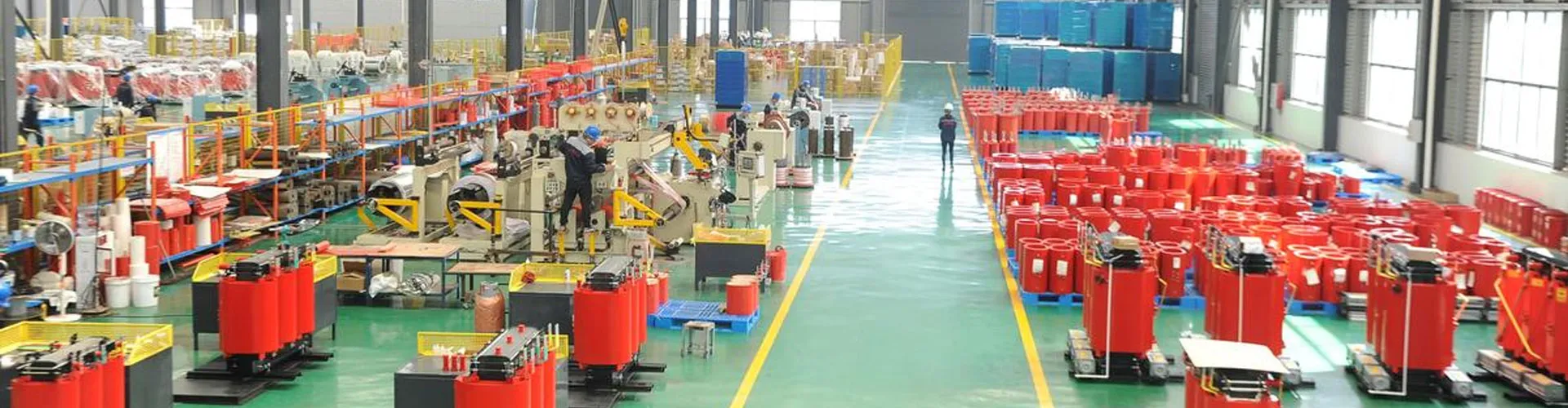
Moisture-proof and anti-corrosion transformer 10 kV
In the electrical equipment market, especially in harsh climates, there are often loud claims about 'waterproof' and 'corrosion resistance'. But how often does this actually become a problem? We at Wenzhou Qiaonasen Electrical Equipment LLC have encountered situations where a 'protected' transformer, after several years of operation, turned out to be practically unsuitable for further operation due to internal oxidation processes. And that’s why it’s important not to limit yourself to beautiful characteristics, but to understand the details.
The problem of moisture and corrosion in high voltage transformers
Moisture is one of the main enemies of any electrical equipment, especially transformers. It can penetrate inside the housing through damaged insulation, loose connections, and sealing defects. Corrosion caused by moisture gradually destroys the metal components of the transformer - windings, core, contacts. This leads to decreased reliability, increased resistance, and ultimately failure.
The question is not only the presence of moisture, but also its composition. Acid rain, salt fog, polluted air - all this accelerates corrosion processes. Therefore, first of all, you should take into account the operating conditions of the transformer, and not just its technical characteristics.
Design features and choice of materials
The first thing is the design.Moisture protectionis a set of measures that includes sealing the housing, using special materials for insulation and protecting contacts. However, tightness is not absolute. Even the most carefully assembled transformer will not be able to completely eliminate moisture penetration.
The choice of materials plays a key role. We often recommend using transformers with insulation made of polymer materials that are resistant to moisture and aggressive environments. The choice of alloys for the body and core is also important - they must be resistant to corrosion. Particular attention should be paid to epoxy compounds used for filling windings - they provide reliable protection against moisture and mechanical damage.
We at Wenzhou Qiaonasen Electrical Equipment Co., Ltd. work with suppliers who provide detailed specifications for the materials used and conduct corrosion resistance tests. This allows us to guarantee the reliability of our transformers.
Practical experience: what happens when you skimp on protection
Unfortunately, we have repeatedly encountered situations where, when choosing a transformer, customers were guided only by price, ignoring the requirements foranti-corrosion treatment. As a result, after several years of operation, the transformer required expensive repairs or complete replacement.
One of the most striking examples is installed on an offshore platformmoisture-proof and anti-corrosion transformer 10 kV. It was made from cheaper materials, with minimal casing sealing. As a result, after just a year of operation in conditions of high humidity and salty air, the transformer failed. The replacement cost the client a significant amount of money, not to mention production downtime.
This is, of course, not the only story. Many of our clients subsequently regretted the savings. This is a good illustration of how skimping on safety and reliability is often counterproductive.
Protection technologies: from simple solutions to complex systems
There are several technologies for protecting transformers from moisture and corrosion. From simple measures such as the use of sealed joints and protective coatings, to complex systems including humidity control and automatic protection systems.
One effective solution is the use of special corrosion inhibitors added to the transformer oil. They form a protective film on the metal surface that prevents oxidation. However, it is necessary to carefully select the inhibitor so that it does not affect the characteristics of the oil and does not cause the formation of deposits.
Cathodic protection is also effective. It is based on the creation of electrochemical potential, which prevents metal corrosion. Various materials are used as anodes, for example, zinc or magnesium. When choosing a cathodic protection system, it is necessary to take into account the composition of the soil and operating conditions.
Transformer condition monitoring: prevention is better than cure
Regular monitoring of the transformer condition is an important part of preventative measures. It allows you to promptly identify signs of corrosion and moisture penetration, and take measures to eliminate them.
The main monitoring methods include:
- Visual inspection of the housing and connections.
- Measuring the insulation resistance of windings.
- Analysis of transformer oil for the presence of impurities and corrosive products.
- Using induction sensors to monitor temperature and vibration.
We offer our clients comprehensive transformer condition monitoring programs, including regular inspections and diagnostics. This allows us to prevent costly accidents and increase the life of equipment.
Don't forget about documentation and service
It is important that you have complete documentation for the transformer, including a passport, connection diagram, test and diagnostic results. This makes the repair and maintenance process easier.
Service is not just an oil change. This is a set of measures that includes checking the condition of insulation, contacts, connections, as well as cleaning the transformer from contamination. Regular maintenance allows you to keep the transformer in working condition and extend its service life.
Wenzhou Qiaonasen Electrical Equipment Co., Ltd. provides a full range of transformer maintenance services, including maintenance, repair and modernization.
Conclusion
Choicemoisture-proof and anti-corrosion transformer 10 kV– this is a responsible decision that requires a careful approach. You should not skimp on the safety and reliability of your equipment. It is important to take into account the operating conditions, select high-quality materials and protection technologies, and regularly monitor the condition of the transformer. Only in this case can durable and uninterrupted operation of electrical equipment be ensured.
If you have any questions about choosing or servicing transformers, please contact us. We are always ready to provide qualified advice and offer the optimal solution.
Correspondingproducts
Related Products


Best Sellingproducts
Best Selling Products-
 Transparent Industrial Automatic Three Phase Four Wire Leakage Proof Switch
-
 JYSF6-12 fully insulated gas-filled ring distribution device
-
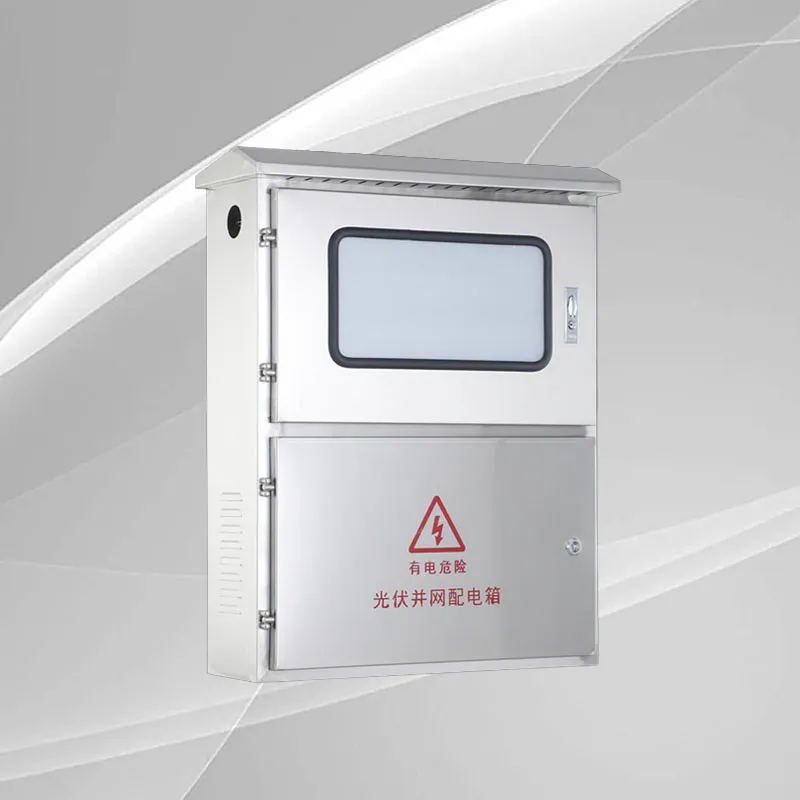 Grid connection cabinet for photovoltaic system made of stainless steel
-
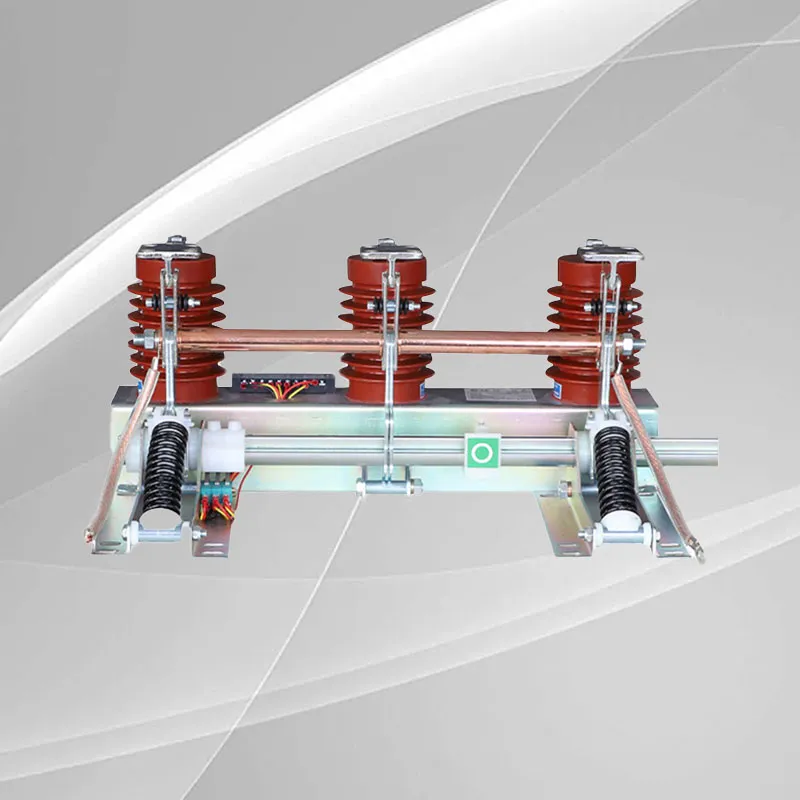
 Indoor High Voltage Isolation Circuit Breaker with Ceramic Insulators
-
 Outdoor distribution cabinet made of 201 steel
-
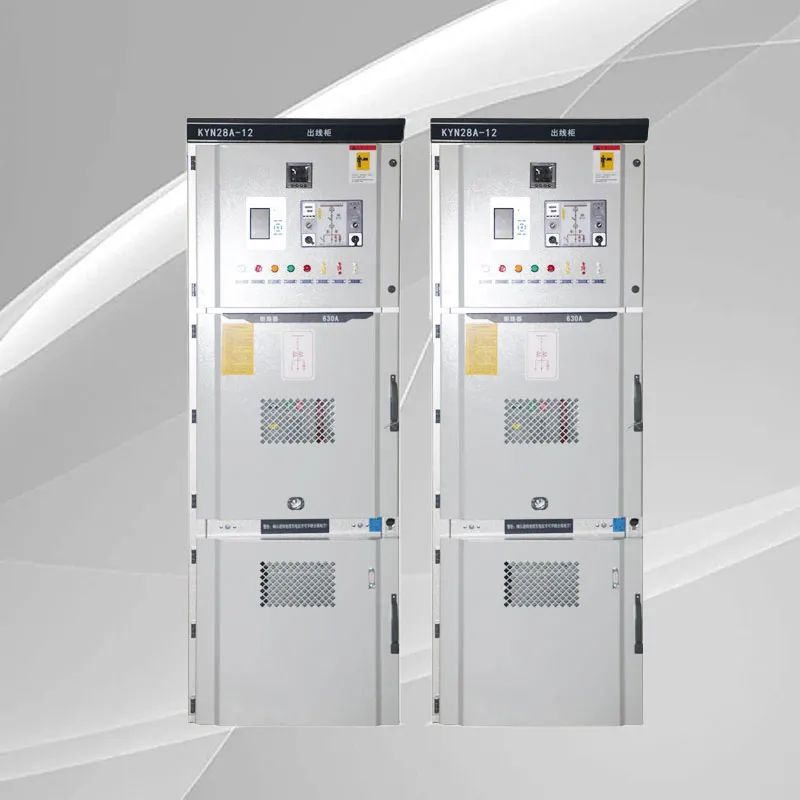 KYN28A-12 Internal structure of medium voltage switch with metal armor
-
 Side vacuum switch
-
 Outdoor distribution board
-
 Ground Outdoor Waterproof Distribution Cabinet
-
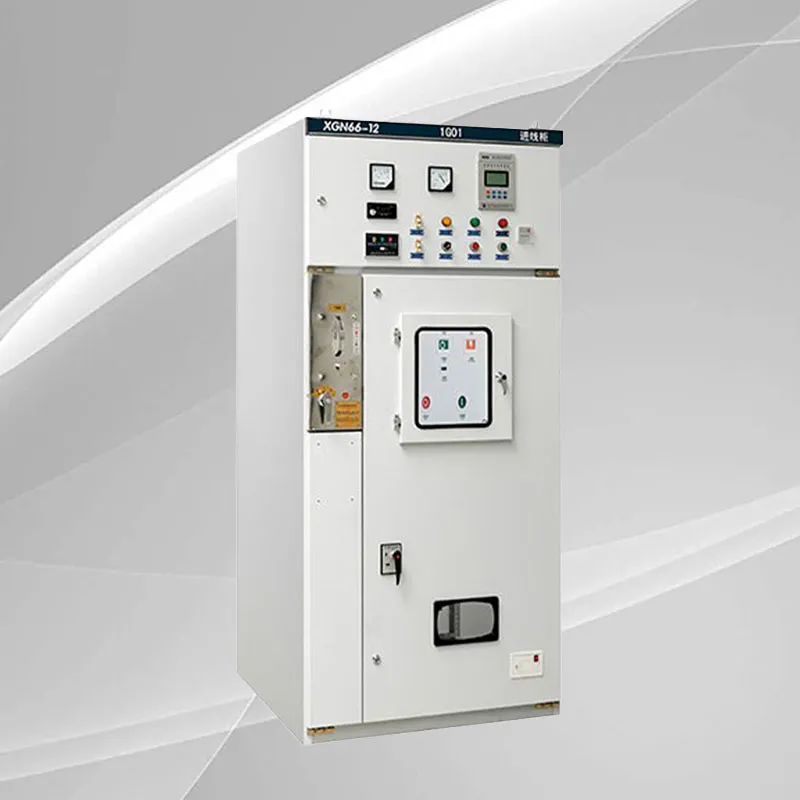
 Complete high-voltage distribution cabinet KYN28A-12 with input and linear cells and instrument transformer compartment
-
 Internal power distribution cabinet
-
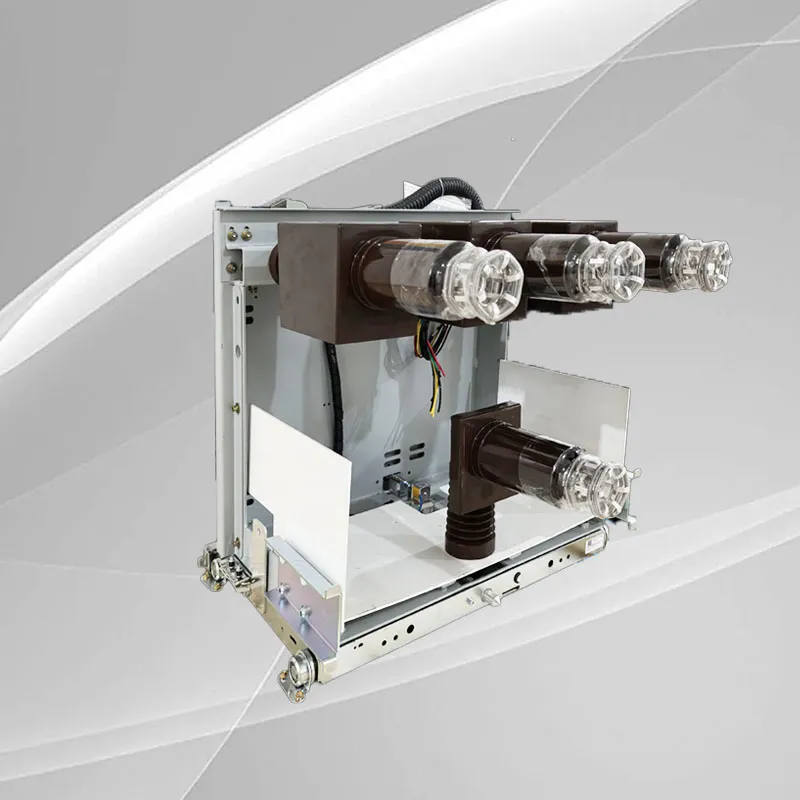
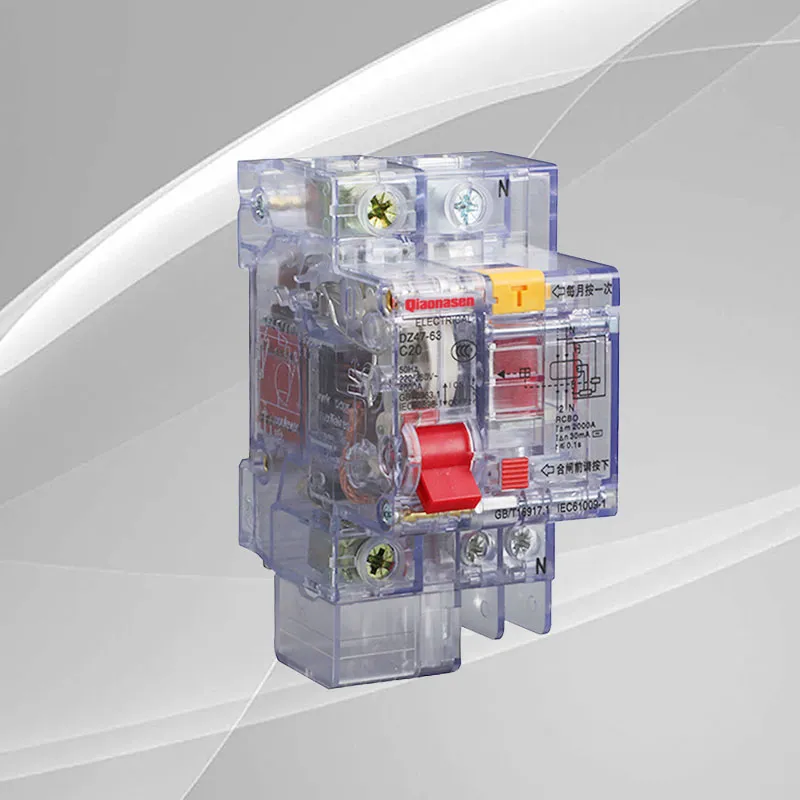 Circuit breaker transparent
Relatedsearch
Related Search- complex power transformers
- China power transformer TMG 1000 main buyer
- buy dry power transformers
- hinged distribution board АВВ
- China power transformer 750kv main buyer
- power transformers TM 25
- automatic switch ap50b 3mt u3
- China energy saving transformers oil transformers
- protection of power transformers 110
- power transformer TM 400 10