

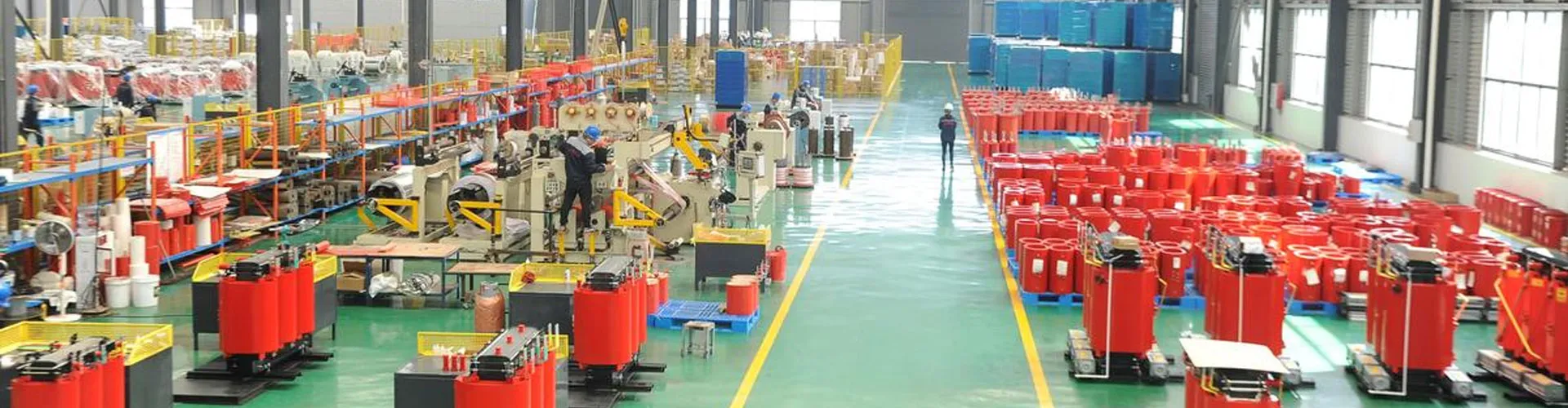
groups of windings of power transformers
Transformers are the basis of any electrical power system, but how often do we think about the complexity of their internal structure? Especially aboutgroups of windings. Often in work there are simplified schemes that in reality can lead to serious problems. Today I want to share my experience regarding design and productionelectrical equipmentusing different configurationsgroups of windings. This is not just a theory from a textbook, but practice, gained through hard work on real objects and mistakes made.
Whywinding groups– is this not just convenience?
Let's start with the fundamentals.Winding groupsdetermine how the primary and secondary windings of a transformer are connected to each other, and this directly affects its operation, especially in short circuit conditions. Wrong choicewinding groupsmay cause significant increases in short-circuit currents, damage equipment and even pose a safety hazard.
The most common option iswinding group Y-Y, providing symmetrical currents in the primary and secondary circuits. But this is not always the best choice. Let's consider a situation where it is necessary to ensure the operation of a transformer with different voltage levels - for example, when connected to a network with alternating voltage. Others may be needed herewinding groups, such asY-ΔorΔ-Y. It is important to understand that the choicewinding groupsis a compromise between various factors: voltage, current, overload resistance and cost.
Practical case: error in calculations and its consequences
One day we received an order to manufacture a transformer for an industrial enterprise. The specification statedwinding group Y-Y, however, during the calculations, the engineers made a mistake in determining the resistance of the windings. As a result, the calculated short-circuit currents turned out to be significantly overestimated. During installation and first startup of the transformer, an overload occurred and one of the fuses tripped. After analysis, it turned out that the reason was a malfunction in the calculations, and not a defect in the transformer itself. We had to recalculate the parameters, which delayed the delivery time and increased the cost of the project.
This is an example of how a seemingly minor error in calculationswinding groupscan lead to serious consequences. This is why care and attention to detail are so important at all stages of design and production.electrical equipment.
Main typesgroups of windingsand their features
ExceptY-Y, Y-ΔandΔ-Y, there are otherswinding groups, such asΔ-Δ, Y-Wetc. Each of them has its own advantages and disadvantages. For example,winding group Δ-Δprovides high current symmetry, but at the same time complicates the circuit and increases cost.Winding group Y-Woften used in systems with a grounded neutral and reduces short-circuit current.
When choosingwinding groupsit is necessary to take into account not only the technical characteristics of the transformer, but also the characteristics of the network to which it will be connected, as well as safety requirements. This is especially important when working with high-voltage transformers, where even small errors can lead to catastrophic consequences.
Influencewinding groupsfor short circuit current
As I already mentioned,winding grouphas a significant effect on the short circuit current. Short circuit current is the maximum current that can flow through a transformer in the event of a short circuit in the network. It depends on many factors, including line voltage, winding resistance andgroup of windings. Knowledge of these factors is necessary to properly select protective equipment and ensure system safety.
Real calculations of short circuit current are not an easy task, especially for high power transformers. For this purpose, specialized programs and analysis methods are used. It is important to consider all possible factors, including winding inductance, reactance and network characteristics.
Current trends in transformer design
Recently, there has been a trend towards increasing the efficiency and reliability of transformers. This is achieved through the use of new materials, technologies and design methods. For example, more efficient insulating materials are used, which reduces the size and weight of the transformer. New ones are also being developedwinding groups, which can reduce short-circuit current and increase resistance to overloads.
Wenzhou Qiaonasen Electrical Equipment Co., Ltd. actively monitors these trends and implements them into its production activities. We use modern design and testing methods to ensure the high quality and reliability of our products. We specialize in solutions for high and low voltage transmission and distribution and electrical control systems in the power equipment industry, and this requires continuous improvement of our technologies.
Problems in the production of transformers with non-standardgroups of windings
Manufacturing of transformers with non-standardgroups of windings– this is a complex task that requires highly qualified personnel and the use of special equipment. For example, in the manufacture of windingsY-ΔIt is necessary to ensure the correct location and insulation of conductors to avoid short circuits. It is also important to control the quality of welding and soldering to ensure reliable connections.
Problems often arise with the precision of winding manufacturing, which can lead to changes in the characteristics of the transformer. Therefore, it is important to use modern equipment and quality control methods to ensure that the finished product meets specification requirements. We are constantly working to improve our production processes to ensure the high quality of our products.
Conclusion
As you can see, the choicewinding groupsis not just a technical task, but a complex process that requires taking into account many factors. Do not underestimate the importance of this detail, since the reliability and safety of the electrical power system directly depends on it. I hope my experience will help you avoid mistakes and make the right choices in design and productionelectrical equipment.
In conclusion, I would like to once again emphasize the importance of careful analysis and calculation of transformer parameters, as well as the use of modern technologies and quality control methods. This will ensure high efficiency, reliability and security of your electrical power system.
Correspondingproducts
Related Products




Best Sellingproducts
Best Selling Products-
 Indoor High Voltage Isolation Circuit Breaker with Ceramic Insulators
-
 Outdoor distribution cabinet made of 201 steel
-
 Three-phase energy efficient transformer
-
 Outdoor waterproof distribution cabinet
-
 Rotating internal high voltage disconnector
-
 Withdrawable element for electricity metering
-
 external isolation switch
-
 KYN28A-12 Internal structure of medium voltage switch with metal armor
-
 Outdoor distribution board
-
 DZ15LE Leakage Current Circuit Breaker - White 3P 4P Low Voltage AC
-
 Blade contact disconnector ZW10-12
-
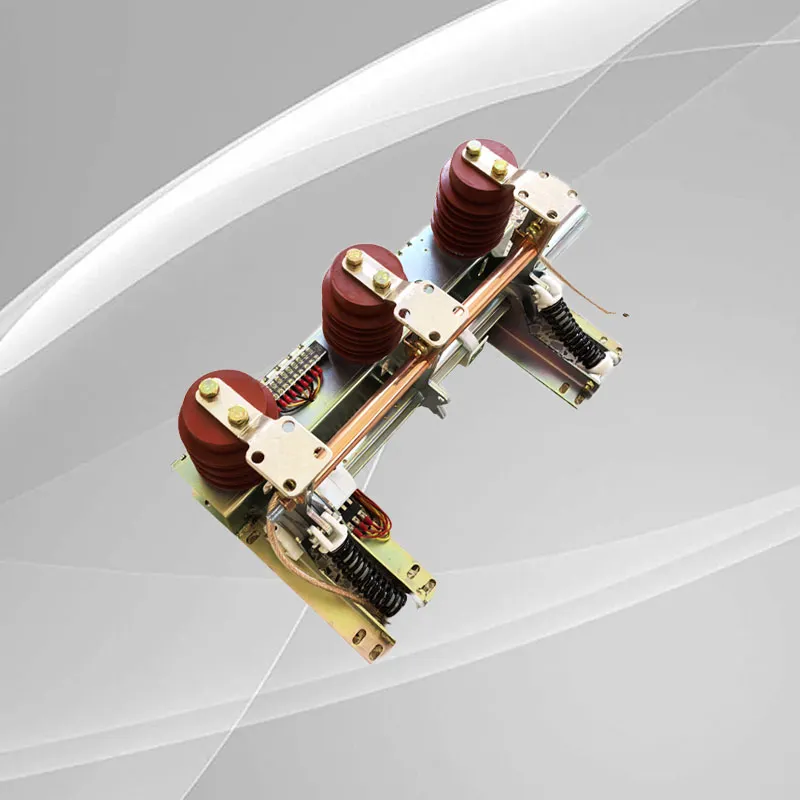 Internal high voltage grounding switch
Relatedsearch
Related Search- switching power transformers
- what kind of circuit breaker for home
- street metering distribution board
- circuit breakers VA 47 100 3
- what does a power transformer look like?
- distribution board for plasterboard
- power transformer 630kva
- circuit breakers 35 a
- automatic switch ae2046
- distribution board manufacturer