


switching power transformers
Switching power transformers– a topic that, at first glance, seems quite simple. Replace one transformer with another, switch it from one line to another... But if you dig deeper, you understand how many nuances and pitfalls are hidden in this. Many people consider this a routine procedure that does not require special attention, and this is a big mistake. It is because of this underestimation that problems often arise - from simple decreases in efficiency to serious emergency situations. This article is an attempt to share the experience gained over the years of working with these devices and to dispel some common misconceptions.
Overview: from simple switchovers to complex scenarios
Briefly, we will talk about the different typesswitching power transformers, from simple switching between parallel transformers for load sharing to complex switching when repairing or replacing equipment. Let's look at the main stages, possible problems and ways to solve them. Not only theoretical aspects will be mentioned, but also practical experience, including cases where even careful preparation did not save the situation. The focus of the article is not on a thorough presentation of regulatory requirements, but on the transfer of practical knowledge and intuition that is necessary for a true specialist in this field.
Types of switching and their features
The simplest type is, of course, switching between two transformers operating in parallel. It is important here to ensure a smooth transition to avoid power surges and overloads. This is often used in redundant systems, where one transformer goes out of service and another automatically takes over its load. Technically, this is quite simple, but it requires precise adjustment of the relay and compliance with the rules for parallel operation of transformers. The problem often arises with a mismatch of transformer parameters - parallel connection of transformers with different characteristics can lead to an increase in current and overheating.
More complex scenarios include switching during transformer repair or replacement. This requires disconnecting the transformer from the network, providing complete isolation and eliminating the possibility of electric shock. It is important to properly ground the transformer housing and ensure that there is no voltage on all live parts. In addition, it is necessary to take into account the possible consequences of turning off the transformer for the entire electrical supply of the facility. For example, when a main transformer goes out, alternative power sources must be provided for critical systems.
Another interesting case is switching during scheduled maintenance. In this case, it is necessary to develop a detailed work plan, including the sequence of switching, safety measures and control points. It is very important to properly organize the team’s work and ensure that all necessary equipment and tools are available. Often the problem is lack of planning, which leads to delays and increased costs.
Automation relays and their role in switching
Automation relay is the heart of the systemautomatic switching of power transformers. They are responsible for fast and reliable switching of transformers in the event of an emergency or in response to a control signal. There are many different types of relays, each with their own advantages and disadvantages. The choice of relay depends on the specific system requirements such as switching speed, accuracy and reliability.
Particular attention should be paid to the selection of relays for switching during short circuits. These relays must provide rapid shutdown of the transformer to minimize the consequences of an accident. It is also important to provide for the possibility of manual control of the relay in the event of a failure of the automatic system. In practice, there are often cases when relays do not cope with the task due to incorrect settings or wear. Regular testing and calibration of the relay is the key to reliable operation of the automatic switching system.
In addition to relays for short circuits, it is necessary to use relays for protection against overloads, overvoltages and other emergency situations. These relays help prevent damage to the transformer and other equipment. It is also important to consider the possibility of false relay activations, which can lead to unwanted switching. In this case, it is necessary to provide measures to eliminate them or reduce the likelihood.
Common problems and solutions
In the process of working withswitching power transformersvarious problems inevitably arise. One of the most common is a malfunction of the automation relay. Relays can fail due to mechanical damage, electrical overload or aging. Checking and replacing relays is a common practice in the maintenance of transformer substations.
Another problem is incorrect relay settings. Incorrect settings can lead to false alarms or inoperability of the relay. Relays should be checked and calibrated regularly to ensure they are operating properly. It is also important to consider changes in load and other factors that may affect relay performance.
There are often cases when the problem is a malfunction of the transformer itself. This may be caused by overheating, damaged insulation, or other factors. It is necessary to regularly diagnose transformers in order to identify possible faults at an early stage. If the transformer is found to be faulty, it must be repaired or replaced. When replacing a transformer, it is important to select the correct parameters and ensure compatibility with the existing system.
Case Study: Difficulty with Automatic Switching
Recently, one of the sites we worked with had an issue with the automatic switching of transformers when the main transformer was disconnected. The relay automatically switched the load to the backup transformer, but this caused voltage surges in the network. After a thorough diagnosis, it turned out that the problem was related to incompatible transformer parameters. The main transformer was an older model and the backup transformer was a more modern model. The relay could not correctly assess the load on the transformers, which led to voltage surges. To solve the problem, we had to change the relay settings and install additional filters to reduce voltage surges. This case shows how important it is to consider all factors when designing and configuring an automatic transfer system.
Conclusion: knowledge is power in switching
Switching power transformersis a responsible task that requires knowledge, experience and care. This process should not be taken lightly. It is necessary to carefully plan the work, use reliable equipment and follow safety rules. Remember that even a small mistake can lead to serious consequences. And most importantly, constantly learn and improve your skills so that you are prepared for any surprises.
Wenzhou Qiaonasen Electrical Equipment LLC (https://www.qnasen.ru) specializes in the supply and installation of equipment for the transmission and distribution of electricity, including automatic transformer switching systems. We offer a wide selection of equipment from the world's leading manufacturers and provide a full range of services for the design, installation and maintenance of electrical installations.
We hope this article will be useful for those who work withswitching power transformers. If you have any questions, please contact us.
Correspondingproducts
Related Products



Best Sellingproducts
Best Selling Products-
 XGN15-12 Gas Insulated Ring Distribution Unit Output Cell
-
 MBM1 is a circuit breaker in a plastic case with short circuit and overload protection.
-
 Miniature circuit breaker
-
 Mine transformer BKC-150VA
-
电动智能户外柱上高压真空断路分合闸开关.2.webp) ZW7-40.5 (side mounting) is an intelligent outdoor high-voltage vacuum circuit breaker with electric drive.
-
 Metal Enclosed Stationary AC Switchgear XGN15-12
-
 High voltage vacuum circuit breaker ZW20
-
 KYN28A-12 Internal structure of medium voltage switch with metal armor
-
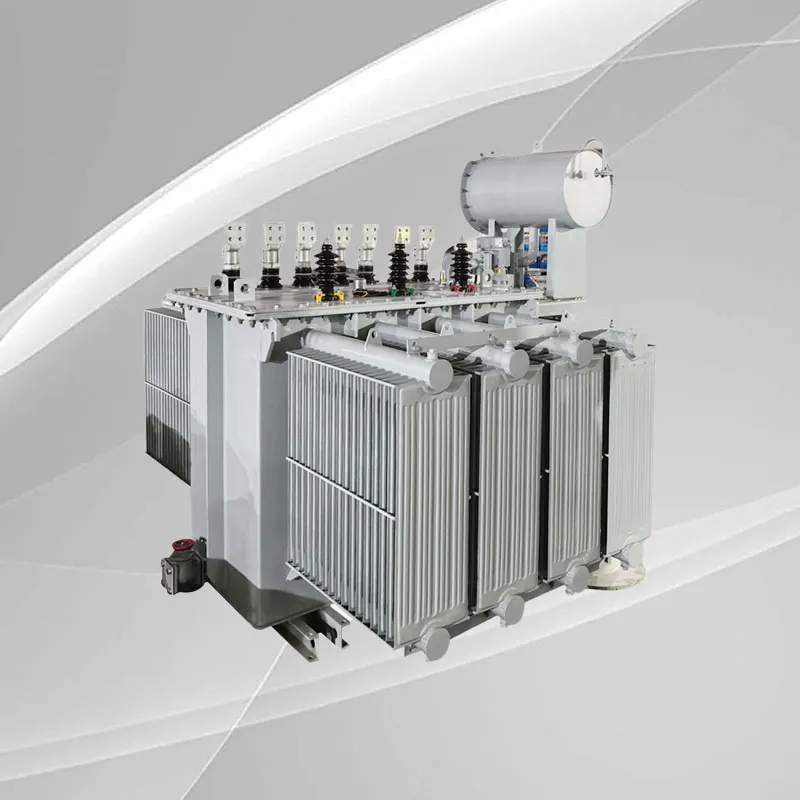 Oil transformer
-
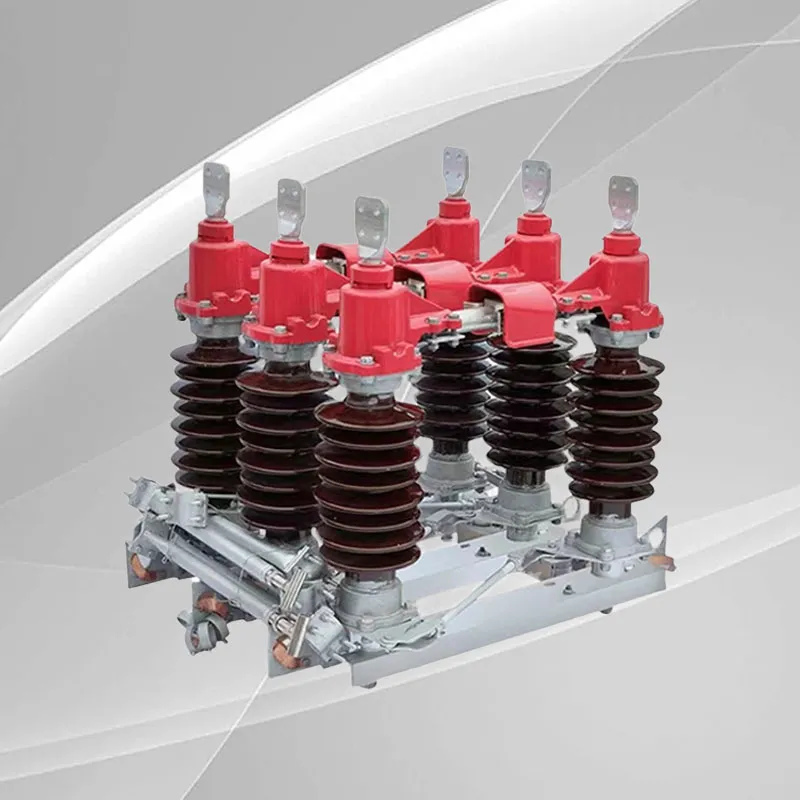 Outdoor high voltage isolating switch type GW4-40.5
-
 Outdoor waterproof distribution cabinet
-
 Miniature circuit breaker



