


pulse power transformers
Pulse power transformers- it’s not an easy thing. Often, when it comes to energy efficiency, they are immediately put forward. And this is logical, because the promises are impressive: smaller dimensions, higher efficiency, more precise power control. But reality is often more complex than it seems. I come across situations where a theoretically excellent transformer throws out all plans in real work. I want to share my experience, both positive and, unfortunately, with a negative connotation.
What is the essence of pulse transformers and their advantages?
In a nutshell,pulse power transformersare devices that convert AC voltage to DC and then back to AC using fast switching. Instead of traditional windings, semiconductor devices are used here - diodes, transistors and thyristors. This allows you to create compact, lightweight and, as a rule, more efficient transformers compared to classical analogues. The main advantages that are often advertised are high efficiency (up to 95% and higher), the ability to regulate output voltage and current, smaller size and weight, and more stable operation over a wide frequency range. But, as I said, this is just a theory.
The use of solid-state switches, as opposed to electromagnetic ones, avoids energy losses due to dissipation in the core, which, of course, increases the overall efficiency of the system. In addition, pulse transformers are easier to integrate into digital control systems, which opens up wide opportunities for the implementation of complex power control algorithms. For example, in power supply systems for servo drives or in uninterruptible power supplies (UPS), they make it possible to achieve high control accuracy and minimize distortion of the output voltage waveform. We at Wenzhou Qiaonasen Electrical Equipment LLC are actively developing and implementing solutions based on these technologies.
Classification and main typespulse power transformers
There are several typespulse power transformers, each of which has its own characteristics and areas of application. The most common transformers use thyristors (TIST), diodes (DIAC/TRIAC) and, of course, based on power MOSFETs and IGBT transistors. The choice of a specific type depends on the required characteristics: switching frequency, voltage level, required power, as well as cost and reliability.
TIST transformers are an older technology, but are still used in some applications where high switching frequencies are not required. DIAC/TRIAC transformers are used in simple power control circuits, such as dimmers. The most modern and promising direction is the use of power MOSFET and IGBT transistors, which allow achieving maximum efficiency and switching frequency. In our company, Wenzhou Qiaonasen Electrical Equipment Co., Ltd., we mainly use IGBTs, considering their durability and reliability.
Real problems and pitfalls
This is where the fun begins. In real life, many problems arise that are not always taken into account when designing. For example, electromagnetic interference (EMI) is a serious problem for pulse transformers. Rapid switching of keys generates a wide range of noise that can negatively affect the operation of other electronic devices. To combat EMI, it is necessary to use special filters and shielding, which, of course, increases the cost and size of the system.
Another problem is heat generation. The switches, especially at high currents and switching frequencies, become very hot. To remove heat, it is necessary to use effective cooling systems - radiators, fans, liquid cooling. Insufficient heat dissipation can lead to overheating and failure of the keys. We once encountered this problem when developing a pulse transformer for the power supply system of a high-power inverter. It turned out that a standard radiator was not enough, and liquid cooling had to be used, which significantly increased the cost.
Impact of transients on reliabilitypulse power transformers
Transients are sudden changes in voltage and current that occur when switches are switched. These transients can cause overvoltages and current flows that negatively affect the reliability of the transformer. Transient protection requires the use of surge suppressors and surge protection circuits. Correct calculation and selection of these elements is an important task when designing pulse transformers.
I remember one case when we received an order to develop a pulse transformer for the power supply system of a powerful welding machine. During testing, it turned out that the transformer cannot withstand transient processes, and the keys fail. We had to revise the control scheme and add additional protection circuits. This required significant effort and additional costs, but ultimately solved the problem.
Alternative solutions and the futurepulse power transformers
Despite all the difficulties, pulsed power transformers continue to develop. New control circuits are being developed, the characteristics of the switches are being improved, and the cooling efficiency is increasing. In the future we can expect even more compact, lightweight and efficient transformers. Of particular interest is the use of new materials - ceramic dielectrics and silicon transistors. Wenzhou Qiaonasen Electrical Equipment Co., Ltd. constantly monitors the latest trends in this field and actively introduces new technologies into its products.
For example, we are currently working on developing a pulse transformer using silicon MOSFET transistors with high voltage and current. This transformer will reduce the size and weight of the system, as well as increase its efficiency. We are also exploring the use of new control algorithms to reduce EMI and improve transformer stability. The future of pulse transformers lies in innovation and continuous improvement of technology.
The importance of skilled design and installationpulse power transformers
And finally, I want to emphasize that proper design and installation of pulsed power transformers is the key to their reliable and durable operation. It is necessary to take into account all the features of the device, choose the right components and use high-quality materials. It is also important to comply with all electromagnetic compatibility and safety requirements.
Often, problems with pulse transformers arise due to incorrect design or poor installation. This can lead to overheating of the switches, increased EMI levels and eventual transformer failure. Therefore, when working with pulse transformers, it is necessary to contact qualified specialists who have experience and knowledge in this field.
Correspondingproducts
Related Products



Best Sellingproducts
Best Selling Products-
 Complete ring distributor with JYSF6-12 full insulation and charging gas
-
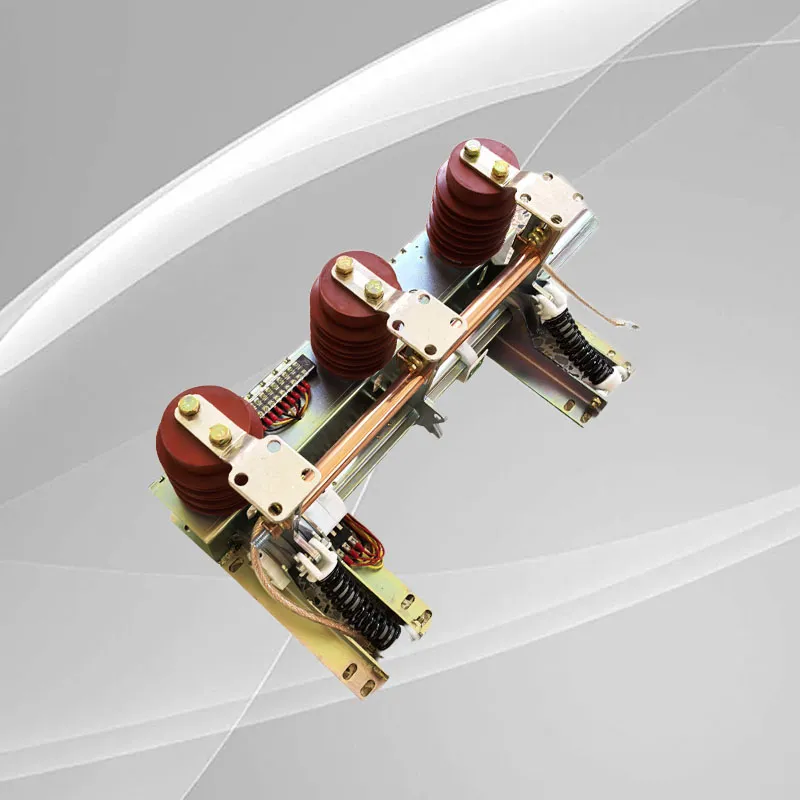 JN15-12-31.5 internal high voltage grounding switch
-
 Internal high-voltage disconnector GN19-630A with double input and grounding contact
-
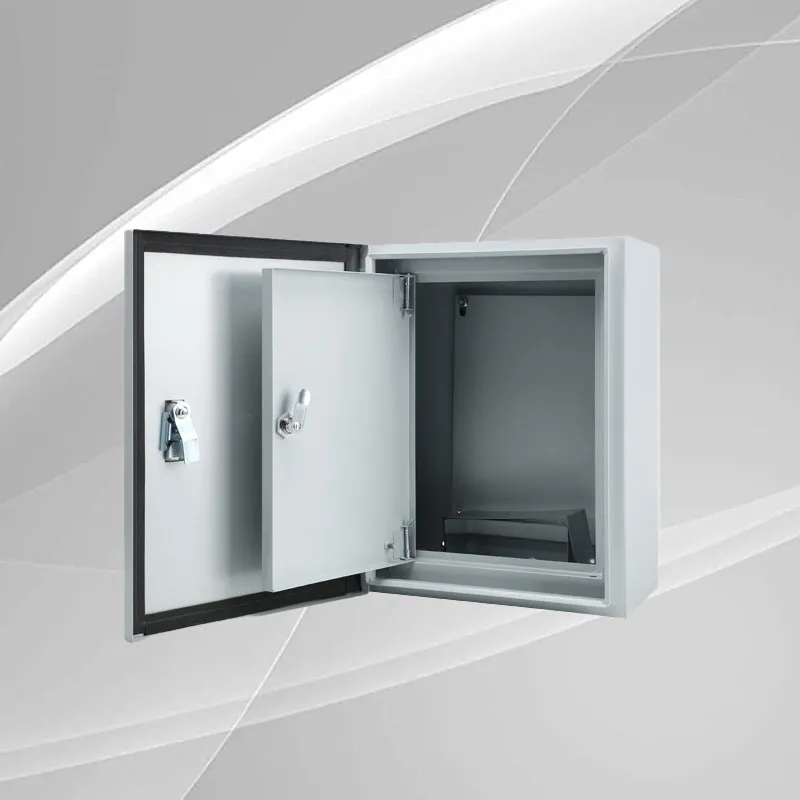 Indoor distribution cabinet with double door
-
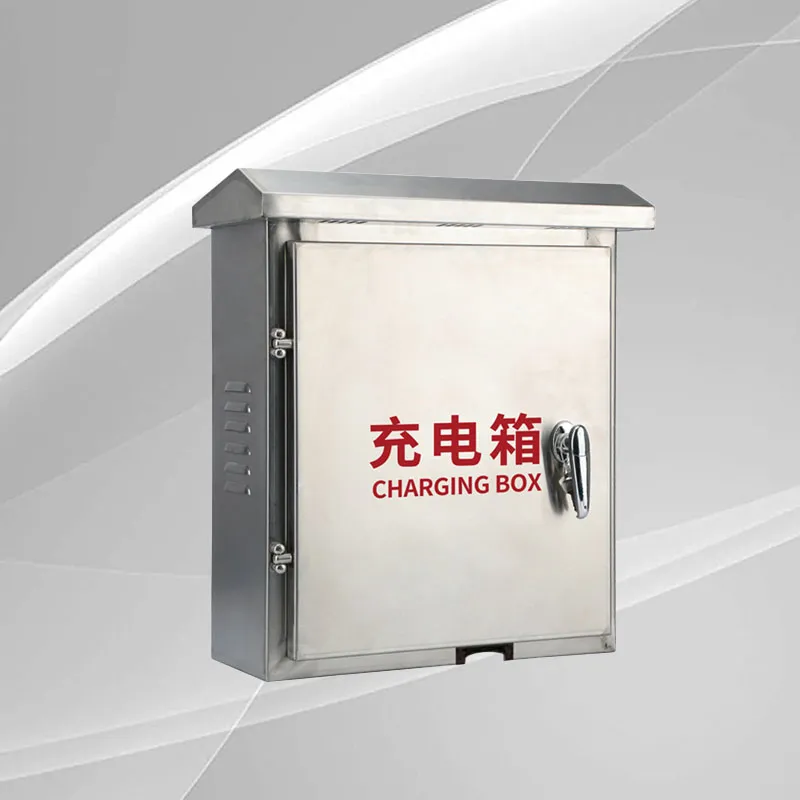 Outdoor electric charging cabinet
-
 High voltage internal switch
-
 Blade contact disconnector ZW10-12
-
 Withdrawable element for electricity metering
-
 Switch cabinet with double doors
-
 PT-12 Internal high voltage voltage transformer with withdrawable element
-
 Metal Enclosed Stationary AC Switchgear XGN15-12
-
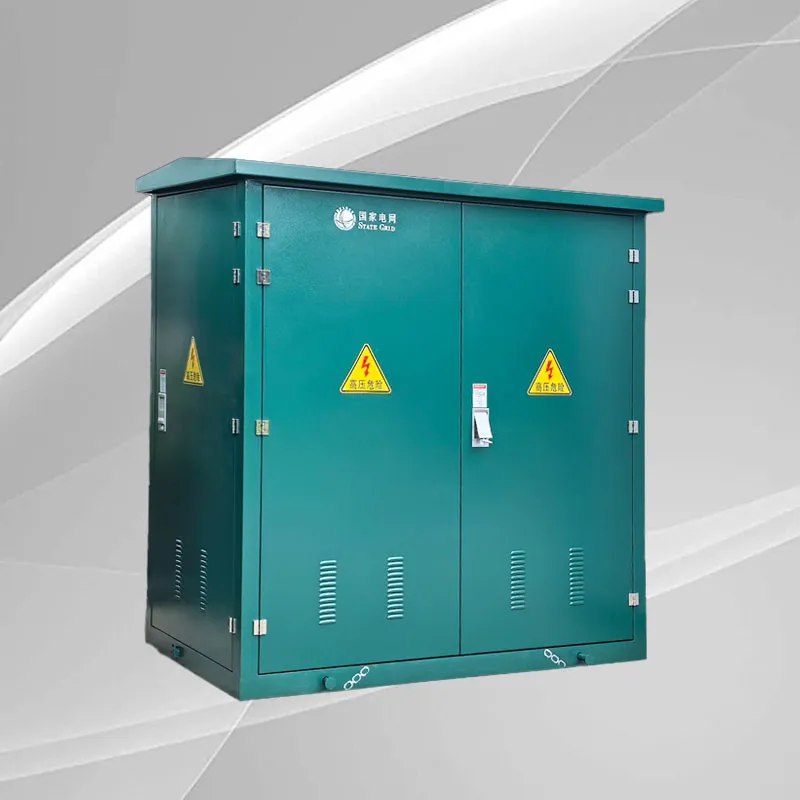 High voltage ring distribution cabinet
Relatedsearch
Related Search- grounding of distribution boards
- China power transformer meter main buyer
- 3 phase power transformers
- load of dry transformers
- commissioning of a power transformer
- three-phase current power transformers
- dry power transformers 6 0 4
- China power transformer protocol
- circuit breaker iek 2a
- distribution board tdm shrn 24



