


power transformers include
Let's start with a simple but common misconception: many beginners, when first getting acquainted with electrical engineering, mistakenly believe that power transformers only include huge devices installed at power plants or large industrial enterprises. While this is true, the definition is broader. We are talking about transformers designed for the transmission and distribution of electricity in industrial, commercial and public buildings. Let's figure out what exactly is included in this category, and what nuances need to be taken into account when choosing and operating such devices. I will try to share the experience that I have accumulated over the years of working in this field. Here, as in everything, it is difficult to give a definite answer; it all depends on the context.
Definition of a power transformer: essence and features
So, **power transformers** are static electromagnetic devices that change the AC voltage without changing the frequency. The main task is to increase or decrease the voltage for the efficient transmission and use of electrical energy. The key word here is *power*. This means that they are designed for high currents and are used in loads of significant power - engines, machine tools, lighting systems of large objects. It is distinguished from distribution transformers, which perform a similar task but typically operate at lower currents and under less demanding conditions.
It is important to understand that the classification of transformers by purpose often overlaps. For example, a transformer designed to power industrial equipment can be considered both a power device and a distribution device. The difference often lies in the scale of application and load characteristics. Take, for example, a transformer that supplies power to a powerful electric motor in a manufacturing facility. This is clearly a power load, so the transformer feeding it is classified as a **power transformer**.
The question often arises: what about transformers used in building energy systems, for example to power heating or ventilation systems? It all depends on the overall architecture of the system. If the load is significant and requires the use of high current, then the transformer will be a power transformer. If the load is small and the current requirements are low, then we can talk about a distribution transformer.
Classification by number of phases and design
Based on the number of phases, **power transformers** are divided into single-phase and three-phase. Single-phase transformers are used in residential and small industrial applications where power from a single phase is required. Three-phase transformers, in turn, are used to power more powerful loads, as they allow more energy to be transmitted at the same voltage. This is perhaps the most obvious difference.
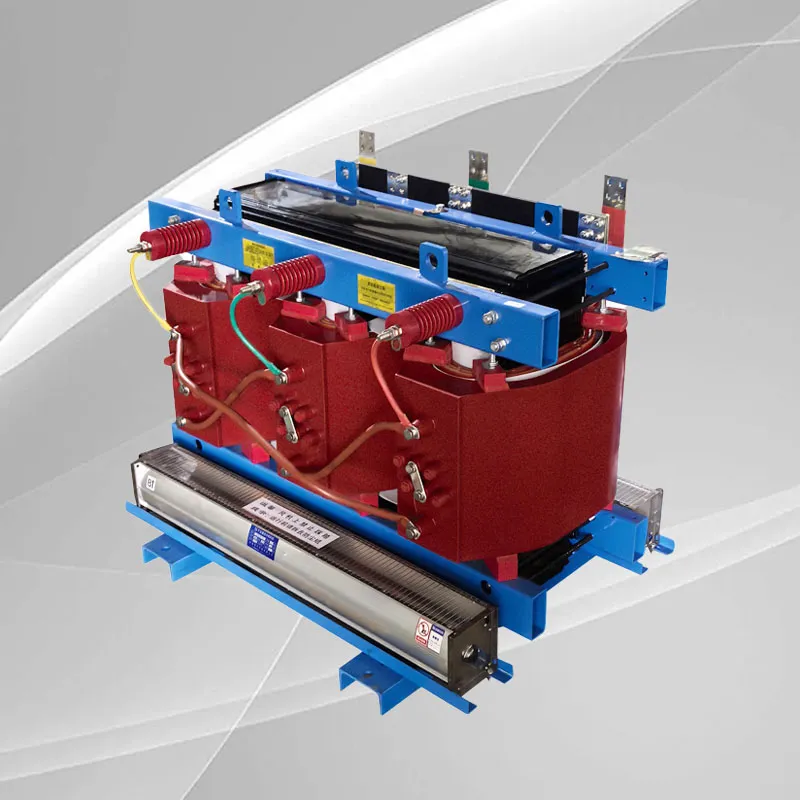
As for the design, **power transformers** are available in oil and dry types. Oil transformers are filled with oil, which serves to cool and insulate the windings. They are typically used to power high-power loads. Dry-type transformers are cooled by air or other coolants. They are safer to use, but less efficient in cooling, especially at high powers. Recently, dry-type transformers have become increasingly popular, especially in industrial premises with increased fire safety requirements.
When choosing the type of transformer, it is necessary to take into account not only power and voltage, but also climatic operating conditions. For industrial enterprises located in harsh climatic zones, it is necessary to use transformers designed for the appropriate temperatures and humidity.
Common problems and errors
One of the most common problems encountered with **power transformers** is overheating. Overheating may be caused by overload, an ineffective cooling system, or damaged insulation. It is important to carry out regular maintenance and monitoring of the transformer to prevent such problems. Do not forget about regularly checking the oil level (for oil transformers) and the cleanliness of the cooling system.
Another common mistake is choosing the wrong power transformer. An insufficiently powerful transformer can lead to overload and an accident, and a transformer that is too powerful can lead to excessive costs. When calculating, it is necessary to take into account not only the current load, but also possible future increases. We once mistakenly ordered a transformer of lower power than required for the new equipment. This led to constant overloads and the need to stop production to cool the transformer. The loss of time and money was significant.
It is important to remember that incorrect installation of the transformer can also lead to problems. All manufacturer recommendations must be followed and reliable grounding must be ensured. An incorrectly installed transformer can pose a hazard to people and equipment.
Case Studies of Wenzhou Qiaonasen Electrical Equipment Co., Ltd.
Our company, Wenzhou Qiaonasen Electrical Equipment LLC, specializes in the supply and installation of **power transformers** of various types and capacities. We work with a wide range of industrial and commercial facilities to provide customized solutions to suit a client's specific needs. Our specialists are always ready to help in choosing the optimal transformer and ensure its reliable operation. We use only proven equipment from the world's leading manufacturers.
For example, we recently installed a 300 kVA three-phase dry-type transformer at a large manufacturing plant. This was a rather complex project, as it was required to ensure high reliability and uninterrupted operation. We used a transformer with an air cooling system and a protection system against overloads and short circuits. Once installed, the transformer operates stably and reliably, providing uninterrupted power to the entire production process.
Another interesting case is the installation of two 100 kVA oil transformers in a shopping center building. Not only power was important here, but also fire safety. We selected transformers with an increased degree of fire protection and installed them in specially equipped rooms. Thanks to this, the shopping center can operate without interruptions in power supply, even in the event of a fire.
Maintenance and safety
Regular maintenance is the key to long and reliable operation of **power transformers**. As part of the maintenance, it is necessary to inspect the windings, check the insulation, check the oil level (for oil transformers), clean the cooling system and check the operation of the protective devices. All this work must be carried out by qualified specialists.
Safety when working with power transformers is a very important aspect. All safety regulations must be followed and personal protective equipment must be used. Work on transformers should only be carried out by qualified personnel with appropriate training and experience. Before starting work, you must make sure that there is no voltage and ground the transformer.
Do not underestimate the dangers associated with working with high voltage transformers. Even if all safety regulations are followed, emergency situations may occur. Therefore, utmost care and attention should always be exercised.
Correspondingproducts
Related Products

电动智能户外柱上高压真空断路分合闸开关.2.webp)
Best Sellingproducts
Best Selling Products-
 Miniature circuit breaker
-
 Stainless steel meter panel
-
 Circuit breaker transparent
-
 Dry transformer
-
 Distribution board for circuit breakers
-
 JYSF6-12 fully insulated gas-filled ring distribution device
-
 Internal high voltage grounding switch
-
 Outdoor High Voltage Smart Vacuum Circuit Breaker
-
 KYN28A-12 Internal structure of medium voltage switch with metal armor
-
 Power distribution cabinet
-
 PT-12 Internal high voltage voltage transformer with withdrawable element
-
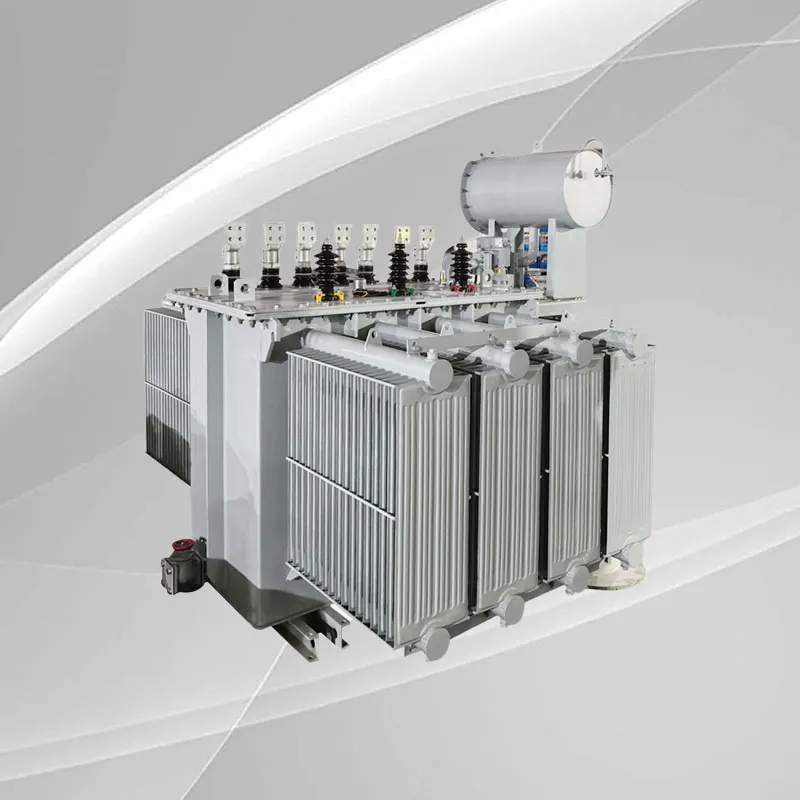 Oil transformer



