


power transformer power kVA
Power transformer kVA– a topic that seems simple at first glance. All these kilowatts and megawatts... But in practice this is not always the case. I often see how numbers hide errors, misunderstandings of the task and, as a result, ineffective equipment. This article is more of a collection of observations and thoughts accumulated while working with similar transformers, rather than a strict theoretical reference. I will try to share my experience, which I hope will be useful to someone.
What does kva power transformer wattage actually mean?
Let's start with the basics. We often talk about rated power - the one at which the transformer operates stably and efficiently. But it is important to remember the power utilization factor (PUF). It is rare for a transformer to operate at its rated power continuously. It can work with a reserve, or it can experience overload. CMM is an indicator that allows you to evaluate how efficiently the power of a transformer is used under real operating conditions. And it significantly influences the choice of the necessarypower transformer kVA.
There are situations when a customer orders a transformer with a 'large reserve' of power, believing that this guarantees the reliability and durability of the system. But in fact, this leads to overpayment and, as a result, to suboptimal use of resources. For example, we have repeatedly encountered this when customers chose transformers designed 30-40% higher than the actual need. The end result is just unnecessary power, additional maintenance costs and possibly even increased noise and heat generation. This is not always obvious, especially at the design stage when it is difficult to accurately estimate future loads.
What factors influence the choice of power?
Choosing the right onepower transformer kVAis a complex task that requires taking into account many factors. In addition to the obvious power requirement, you need to consider: the reactive power factor (RPF) of the load, the type of load (inductive, active), the possibility of inrush currents, environmental conditions (temperature, humidity), and reliability requirements. Krm is especially important, as it affects the choice of transformer parameters, such as windings and cooling system.
One of the common issues we encounter is related to inrush currents. Electric motors, for example, when starting, consume several times more power than in operating mode. If you do not take this into account when calculating the requiredpower transformer kVA, then you can get serious problems with the power supply, for example, voltage dips or even equipment shutdown. Here it is important to use special algorithms for calculating inrush currents and take them into account when choosing a transformer.
Real case: Transformer overheating
The other day we received an application for the supply of a transformer for a small plant. The customer provided us with preliminary load calculations, and based on them we proposed a transformer of a certain power. A few months later, the customer contacted us with a complaint about the transformer overheating. It turned out that the preliminary calculations had underestimated the load and also did not take into account changes in the production process that led to increased energy consumption. As a result, the transformer worked at the limit of its capabilities, which led to its overheating and reduced service life.
This case is a good example of how important it is to carefully analyze all the factors influencing the choice of transformer power. You cannot rely only on preliminary calculations; you need to take into account current and future power needs, as well as the operating characteristics of the equipment. In such situations, it is sometimes advisable to choose a transformer with a small power reserve to avoid overloads and overheating.
Compliance and Certification Issues
Another challenge we often encounter is the compliance of transformers with various standards and certifications. Russia, for example, has its own standards, which may differ from international ones. Failure to comply with these standards can result in operational problems and even fines.
It is especially important to pay attention to the insulation requirements of the transformer. Insufficient insulation may result in equipment damage and fire. In addition, you must ensure that the transformer meets safety and electromagnetic compatibility requirements. We constantly monitor changes in standards and certifications to ensure that our customers receive equipment that meets all necessary requirements.
Alternative Solutions: Load Sharing
In some cases, instead of choosing one large transformer, you may want to consider splitting the load among several smaller transformers. This may be a more effective solution if the load is unevenly distributed across different parts of the facility. In addition, load sharing can improve the reliability of power supply, since if one transformer fails, the others continue to operate.
For example, a factory might use several small transformers, each serving a separate production line. In this case, if one of the transformers fails, the others will continue to supply power to the remaining production lines. This will avoid downtime and reduce financial losses. Of course, such a solution requires a more complex management and control system.
Conclusions and recommendations
In conclusion, I would like to say that the choicepower transformer kVAis not just a mathematical problem, it is a complex process that requires taking into account many factors. You cannot save on design and calculations; you need to carefully analyze all load parameters and take into account the operating features of the equipment. If necessary, you should contact specialists for advice and assistance in choosing the optimal solution.
And lastly, don’t be afraid to ask questions. We are always happy to help our customers choose a transformer that will suit their needs and requirements.
Wenzhou Qiaonasen Electrical Equipment Co., Ltd. is committed to providing solutions based on a deep understanding of customer needs and years of experience in the electrical equipment field. We specialize in high and low voltage transmission and distribution solutions and electrical control systems for the power equipment industry. Visit our website https://www.qnasen.ru for more information.Correspondingproducts
Related Products



Best Sellingproducts
Best Selling Products-
 Ground Outdoor Waterproof Distribution Cabinet
-
 Outdoor Waterproof Stainless Steel Switchboard
-
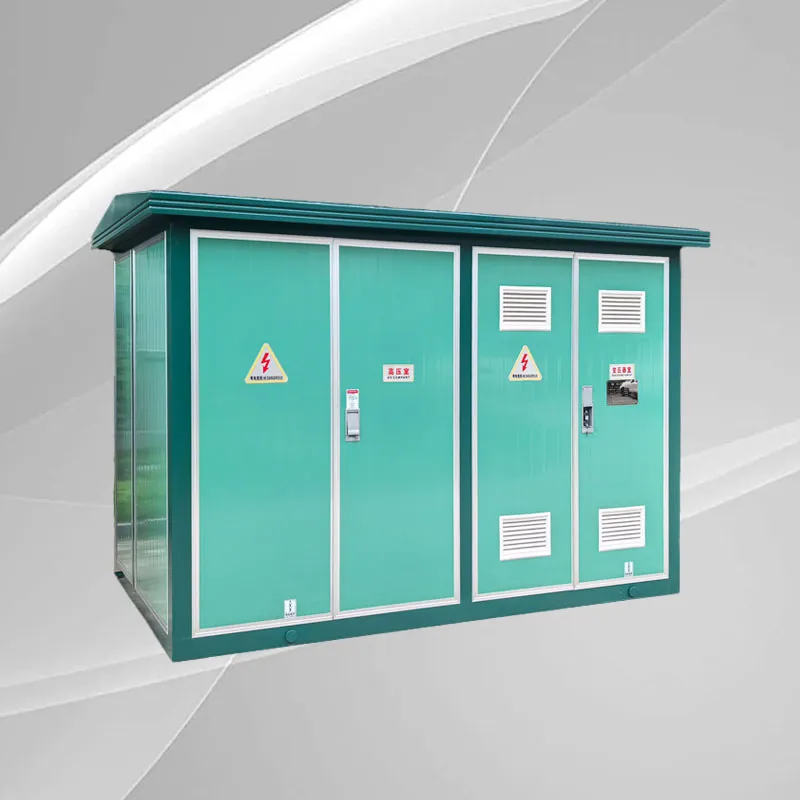 Complete outdoor transformer substation of European type
-
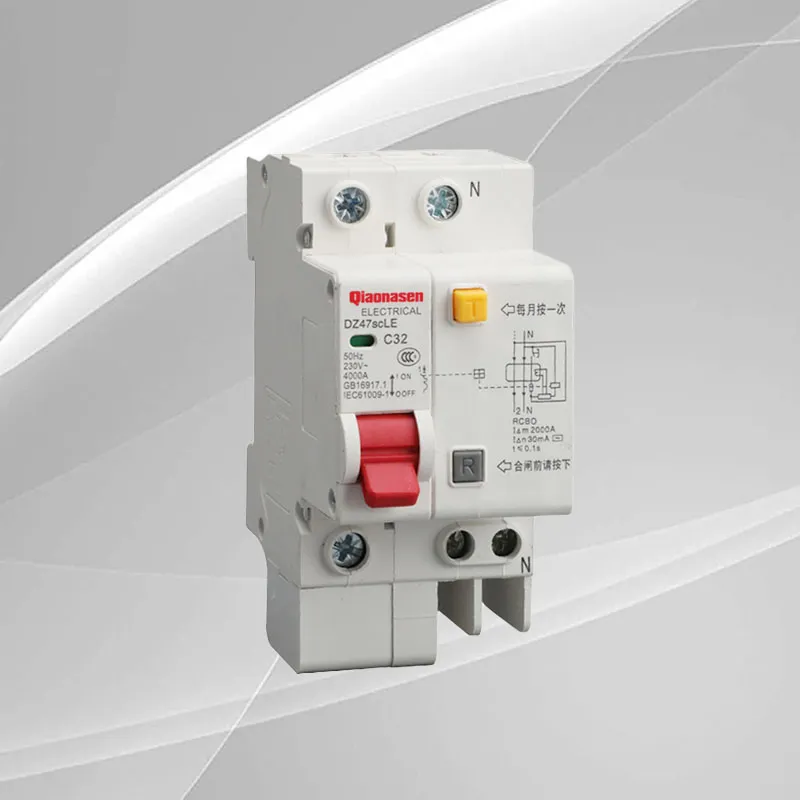 Residual current device with plastic housing
-
 Miniature circuit breaker
-
 JYSF6-12 fully insulated gas-filled ring distribution device
-
 Power distribution cabinet
-
 Outdoor High Voltage Smart Vacuum Circuit Breaker
-
 Isolating circuit breaker HL30-125
-
电动智能户外柱上高压真空断路分合闸开关.2.webp) ZW7-40.5 (side mounting) is an intelligent outdoor high-voltage vacuum circuit breaker with electric drive.
-
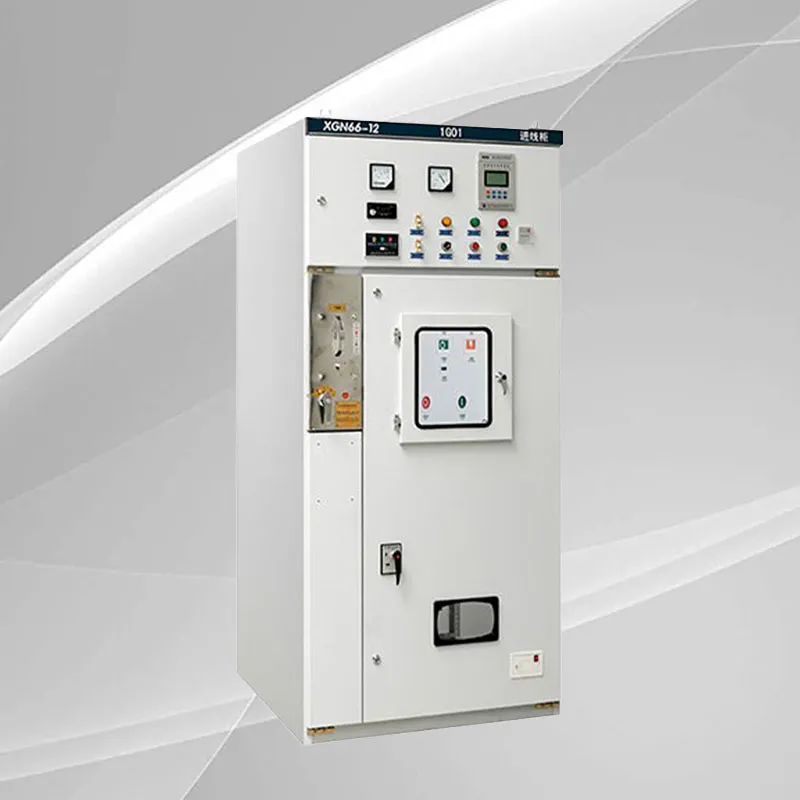 Fixed enclosed switchgear XGN66-12(Z)
-
 JXF weatherproof box for external use with enhanced dust protection
Relatedsearch
Related Search- China power transformer 35 10 kV
- lsi circuit breakers
- Stainless steel control box
- circuit breaker 230-400v
- Box for three-phase electricity meter made of stainless steel
- China power transformer 10 0.4 kv main buyer
- China power transformer protocol
- China dry bushing transformer main buyer
- China on-load transformer power transformer
- China power transformer at substation



