


dry transformer designation
Dry transformer- This is a seemingly simple device. But how many times have I encountered how the apparent simplicity hides serious nuances in its designation and identification? Documentation often contains incomplete or inaccurate information, which leads to confusion during replacement or maintenance. Recently, as interest in energy efficiency and safety grows, this problem has become increasingly relevant. I decided to share the experience I encountered in my practice, in order to perhaps clarify the situation a little.
What is the designation of a dry-type transformer and why is it needed?
So, to begin with, what is the designation of a dry-type transformer? This is a set of data that allows you to uniquely identify a specific transformer model. And this is not just a set of numbers and letters, but a whole story reflecting its technical characteristics, design features and scope of application. The main goal is to ensure correct selection, operation and repair.
Why is this important? Well, imagine the situation: you need to replace a transformer in a substation. Simply taking the first one you come across and installing it is a sure way to breakdowns and, as a result, to an accident. The designation contains all the information necessary to verify compatibility with existing equipment, ensure compliance with safety requirements and, of course, for correct configuration.
Basic elements of designation and their meaning
Let's look at the main elements that are usually present in the designationdry transformer. There is no single standard here, but a certain set of information is almost always found. For example, the type of transformer (dry), the insulation class, the voltage of the primary and secondary windings, power (usually in kilovolt amperes - kVA or kilowatts - kW), frequency (50 or 60 Hz), as well as the type of design and protection features must be indicated. But additional information is often found - for example, the type of cooling (air, oil, air-cooled) and operational characteristics.
I remember one case when they brought us a transformer that supposedly corresponded to the designation. Upon inspection, it turned out that the voltage of the secondary winding was 10% lower than declared. This almost led to serious load problems. It turned out that the manufacturer made a mistake when applying the markings. Therefore, data verification is a critical step.
Transformer type and insulation class
The type of transformer (dry, oil, etc.) immediately makes it clear how it will be cooled and what are the requirements for its installation. The insulation class is an indicator of its resistance to high temperatures, which must be taken into account when choosing operating conditions. Often there is a designation, for example, 'Zh10', which means insulation class Zh10. But you need to understand what this means in order to correctly assess the capabilities of the transformer.
Voltage and power
Naturally, voltage and power are key parameters. They must meet the requirements of the electrical network and the needs of the load. It is important to consider not only the nominal values, but also the permissible deviations. In practice, transformers with a small voltage error are often encountered, but this must be taken into account when designing the system.
Features of labeling of various manufacturers
This is where the interesting moments begin. Each manufacturer has its own labeling features. For example, for one transformer the designation may be pasted on the body, while for another it may be engraved on a metal plate. One uses an alphanumeric system, while the other uses a combination of letters and symbols. Sometimes, in order to understand what a particular combination means, you have to refer to the manufacturer’s documentation or use special online calculators.
We worked with several Chinese manufacturers, and each of them has their own 'tricks' in their labeling. Sometimes you have to make sense of symbols that don't make sense at all. Fortunately, there are certain general rules that help you understand what's what. But still, data verification is a prerequisite.
Practical advice for identification and verification
So, how to correctly identify and checkdry transformer designation? The first thing is to carefully study the documentation. If there is no documentation, then you need to contact the manufacturer or use online resources. The second is to use meters to check voltage and current. The third is to compare the data indicated in the designation with the real values. And finally, fourthly, don’t be afraid to ask questions. It's better to ask than to be wrong.
We once encountered a problem where the transformer symbol was damaged. I had to contact the manufacturer and request information on the serial number. This took several days, but allowed us to avoid serious problems.
Common naming mistakes
Some naming errorsdry transformerare especially common. For example, confusion between the primary and secondary windings, errors in indicating voltage or power, incorrect designation of the design type. It is also often the case that the manufacturer does not indicate important information, such as insulation class or type of cooling.
Therefore, when choosing a transformer, you must carefully check all the data and make sure that it meets the requirements of your system. It is better to spend a little time checking than to face serious problems later.
Hidden characteristics
Sometimes manufacturers do not indicate all the characteristics in the designation, believing that they are not important. But this can lead to unpredictable consequences during operation. For example, you can skip an important parameter that affects the durability or reliability of the transformer.
Conclusion
Thus,dry transformer designationis not just a set of numbers and letters, but an important element that determines its functionality and safety. Understanding the basic design elements, marking features of various manufacturers and practical tips for identification and inspection will help you avoid serious problems when selecting, installing and operating a dry-type transformer.
I hope this little review was helpful. New technologies and solutions are constantly emerging in the field of energy equipment. Therefore, it is important to constantly improve your skills and monitor changes in the standard. Wenzhou Qiaonasen Electrical Equipment Co.,Ltd
Correspondingproducts
Related Products




Best Sellingproducts
Best Selling Products-
 Three-phase energy efficient transformer
-
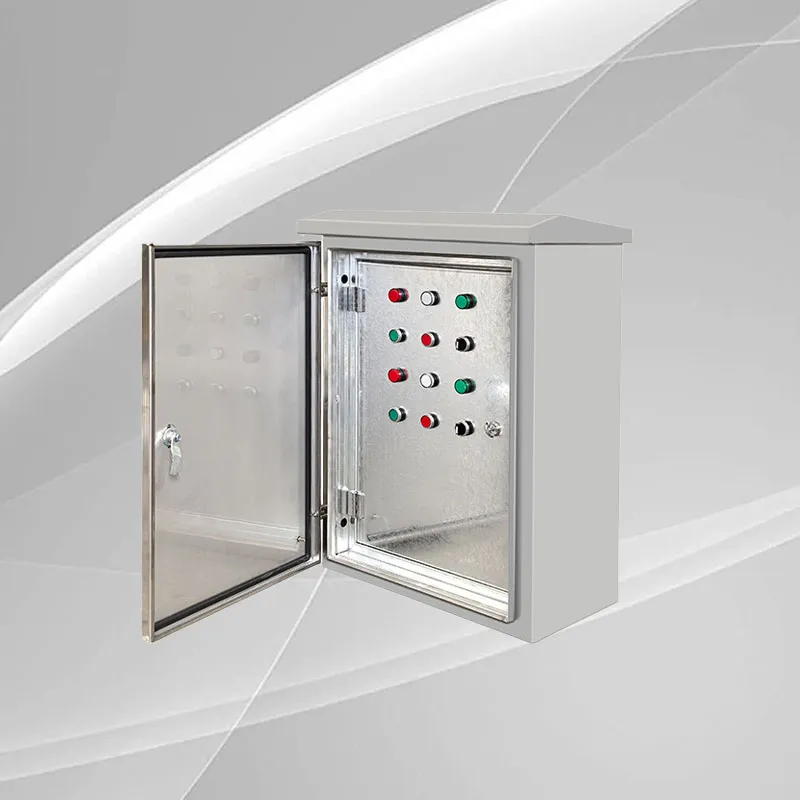 Stainless steel control panel
-
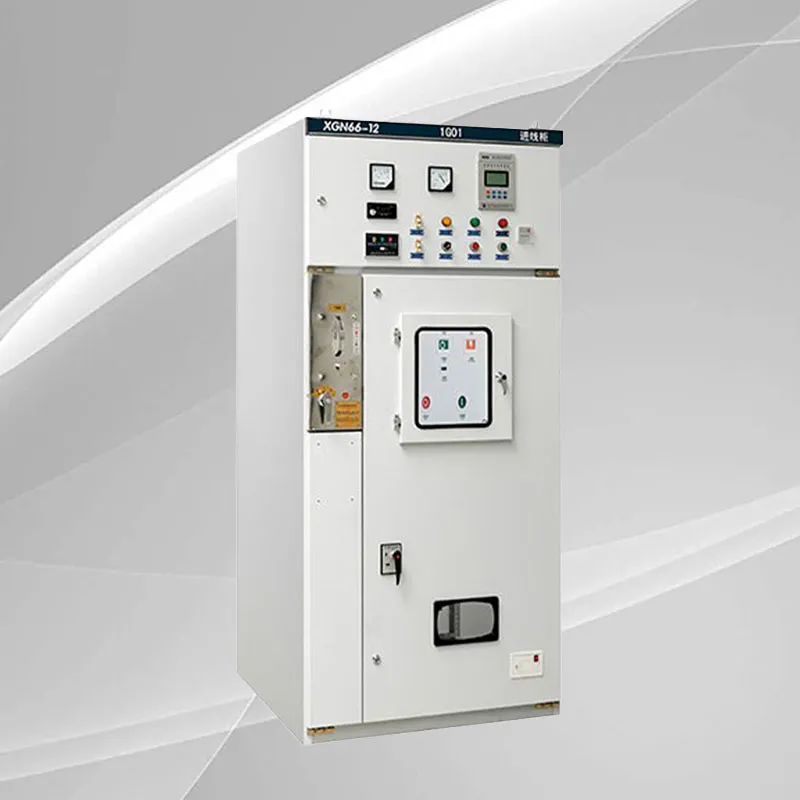
 High voltage ring cabinet XGN66-12/10kV
-
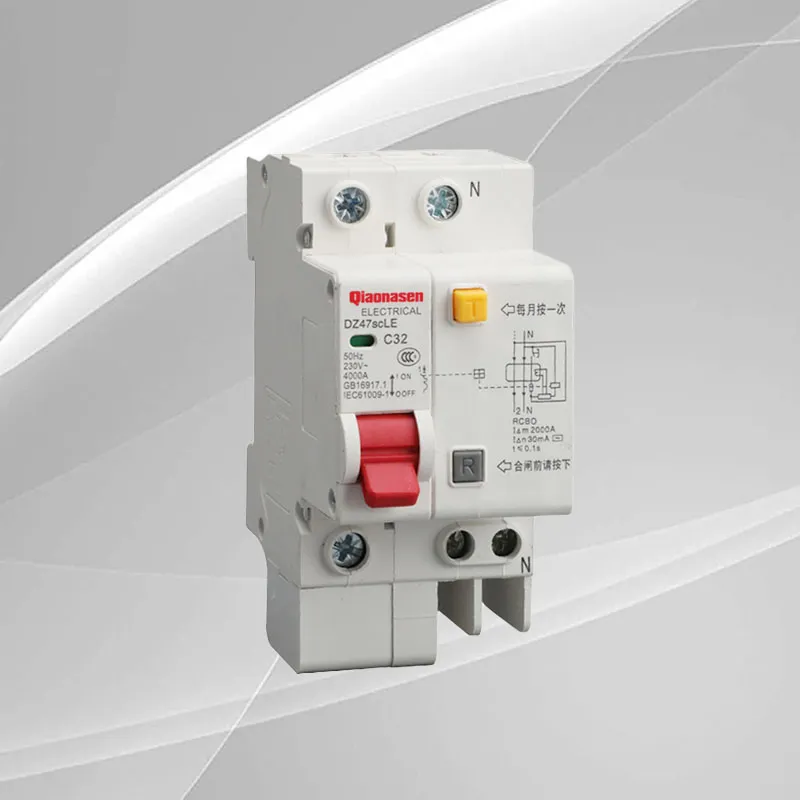
 Miniature circuit breaker
-
 Grid connection cabinet for photovoltaic system made of stainless steel
-
 KYN28A-12 Internal structure of medium voltage switch with metal armor
-
 VS1 ZN63-12 1250A fixed indoor high voltage vacuum circuit breaker
-
 Rotating internal high voltage disconnector
-
 DZ15LE Leakage Current Circuit Breaker - White 3P 4P Low Voltage AC
-
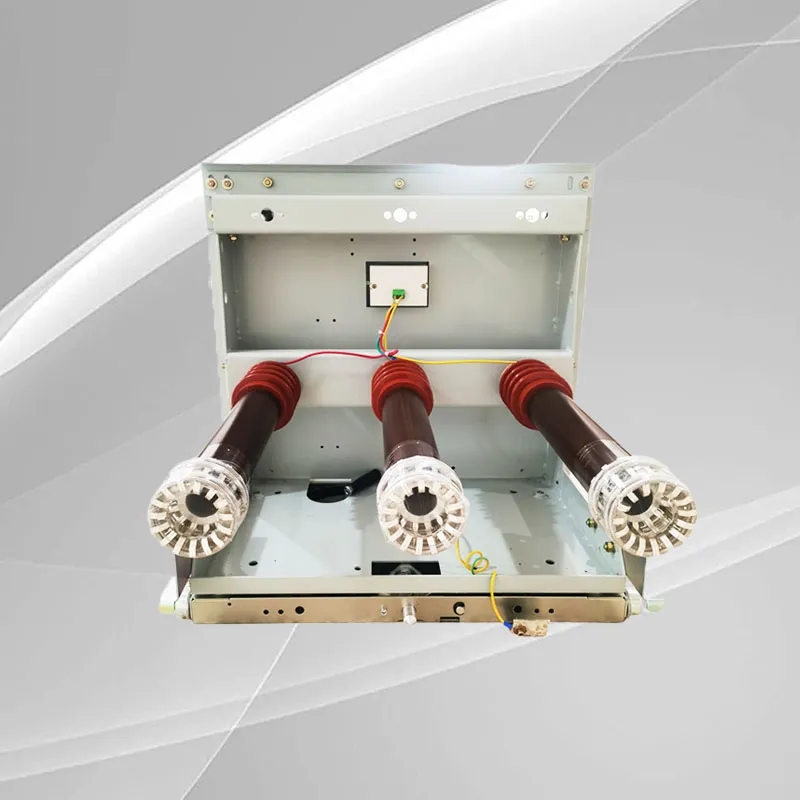 Withdrawable element for electricity metering with voltage check function
-
 Outdoor Waterproof Stainless Steel Switchboard
-
 Circuit breaker with transparent plastic housing



