


decoding dry transformers
Decoding dry-type transformersis a topic that often causes misunderstanding, especially among those who are just starting to work with electrical equipment. Many people believe that this is simply a procedure aimed at checking the performance and compliance of the characteristics. But in reality, the process is much more complex and requires attention to detail. In this article I will share my experience gained over many years of working with these devices, talk about common mistakes and share some interesting cases, including unsuccessful ones. I want to say right away that this is not a textbook, but rather a set of practical observations and reflections collected on the go.
Why is decryption needed at all? (And what she doesn't give)
A question that is asked often. On the one hand, decoding is a confirmation that the transformer has no visible damage and meets the declared characteristics. On the other hand, this is not a guarantee of durable and uninterrupted operation. Modern diagnostic methods, including ultrasound analysis and thermography, make it possible to identify hidden defects that are simply not detected during normal decoding. Of course, ordinarydecoding dry transformers– this is a mandatory procedure before Inbetriebnahme, but it should not be perceived as a panacea for all problems.
One of the most common myths is the idea that decoding mainly comes down to measuring insulation resistance. Yes, this is an important parameter, but it does not always reflect the actual state of the windings. Insulation resistance can be high even if slow but destructive processes are occurring inside the transformer due to dielectric degradation. This is especially true for transformers operating in difficult conditions - high humidity, vibration, overload.
What parameters are measured during decoding?
The standard set of parameters includes the insulation resistance of the windings, the resistance of the insulation wall, the continuity of the windings for a short circuit (if provided for by the design), checking compliance with the rated voltage and current. Sometimes measurements of the inductance of the windings are added - this allows you to assess the condition of the magnetic circuit. It is important to understand that interpretation of results requires experience and knowledge of regulations. Just seeing a number is not enough; you need to understand what it means in a particular case.
Real experience: the case of a transformer after a flood
Last year, we came across a dry transformer for repairs, which was located in a room that had been flooded. Externally, the transformer looked good, but the insulation resistance of the windings was critically low. After a thorough inspection, it turned out that water had penetrated inside and damaged the dielectric materials. Simply retesting after the transformer had dried out did not help - the damage was irreversible. This incident reminded me how important it is to consider operating conditions when diagnosingdry transformers.
We used a device to measure the humidity inside the transformer, which allows us to identify hidden areas where water remains. In addition, ultrasound diagnostics were carried out to detect microcracks in the insulation that are not visible visually. Only then were we able to accurately assess the extent of the damage and decide whether to completely replace the transformer.
What can be done to avoid such situations?
First of all, it is necessary to ensure reliable protection of transformers from moisture and other external influences. Carry out regular inspections and maintenance to detect signs of damage early. Train personnel working with transformers on safe operation rules and diagnostic methods.
Problems with diagnostic equipment and their solutions
It is not always the case that modern equipment provides clear answers. Sometimes problems arise with the accuracy of measurements or with the interpretation of results. For example, when measuring insulation resistance, environmental conditions such as temperature and humidity can affect the measurement. It is therefore important to carry out measurements under controlled conditions and take these factors into account when analyzing the results.
We also often encounter problems related to equipment calibration. An incorrectly calibrated instrument may produce incorrect results, leading to erroneous conclusions. Regular calibration is a prerequisite for obtaining reliable information. In our company, we use only certified equipment that has undergone regular calibration.
What equipment is recommended to use fordecoding dry transformers?
For routine measurements, a standard set of instruments is sufficient - an ohmmeter, a megaohmmeter, an insulation tester. For deeper diagnostics, it is recommended to use an ultrasonic analyzer and a thermographic camera. They allow you to identify hidden defects and assess the condition of the transformer under real operating conditions.
Interaction with suppliers and warranty obligations
When working with dry-type transformers, it is important to consider the supplier's warranty obligations. It is necessary to clearly understand which parameters must meet the requirements and what consequences may arise in case of deviation from the norm. It is recommended to agree in advance with the supplier about the procedure for carrying out diagnostics and making decisions about repair or replacement.
We often encounter situations where suppliers refuse to accept a transformer under warranty, citing the results of diagnostics carried out by us. In such cases, it is necessary to require a justification for the refusal and, if necessary, contact the relevant authorities.
Conclusion
Decoding dry-type transformersis not just a technical procedure, but an important stage in ensuring the safety and reliability of power supply. Experience, attention to detail and knowledge of regulations are the key factors that allow you to obtain reliable information and make the right decision. I hope that my observations and recommendations will be useful to you in your work. If you have any questions, don't hesitate to ask.
Wenzhou Qiaonasen Electrical Equipment Co.,Ltd (https://www.qnasen.ru) specializes in high and low voltage transmission and distribution solutions and electrical control systems in the power equipment industry. We offer a wide range of services for diagnostics, repair and maintenance of dry-type transformers.
Correspondingproducts
Related Products

Best Sellingproducts
Best Selling Products-
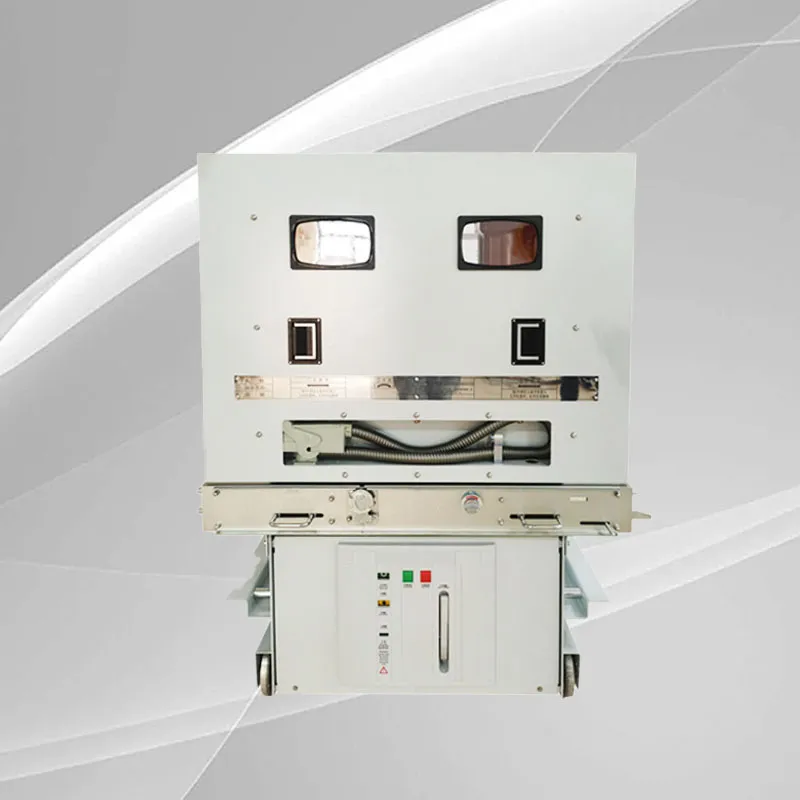 High Voltage Vacuum Circuit Breaker
-
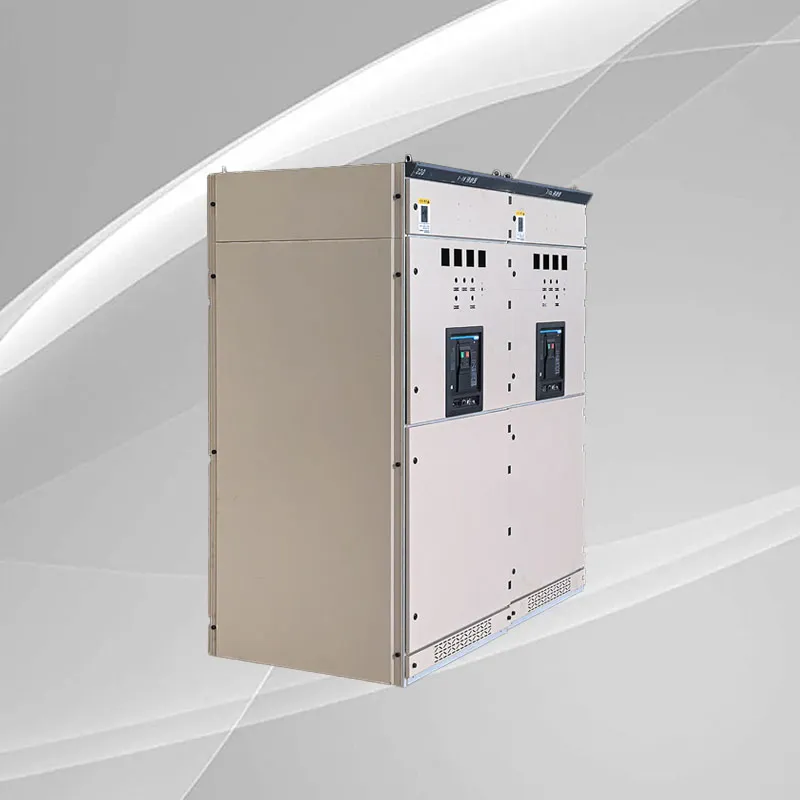 Low-voltage withdrawable distribution cabinet GCS (input cabinet)
-
 KYN28A-12 Internal structure of medium voltage switch with metal armor
-
 Automatic circuit breaker DZ15 in plastic shell
-
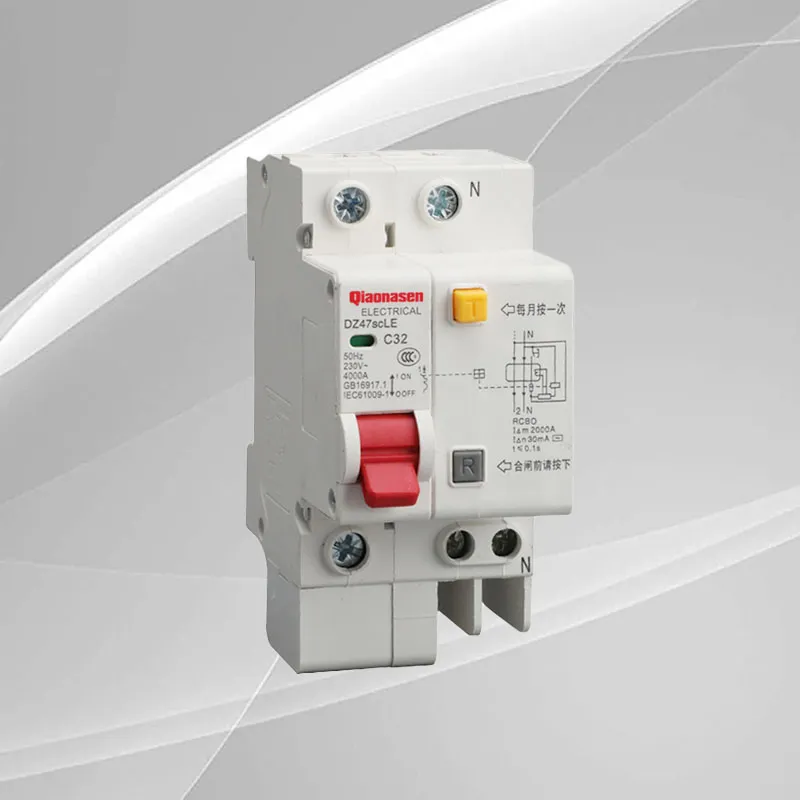 Residual current device with plastic housing
-
 JXF weatherproof box for external use with enhanced dust protection
-
 Side vacuum switch
-
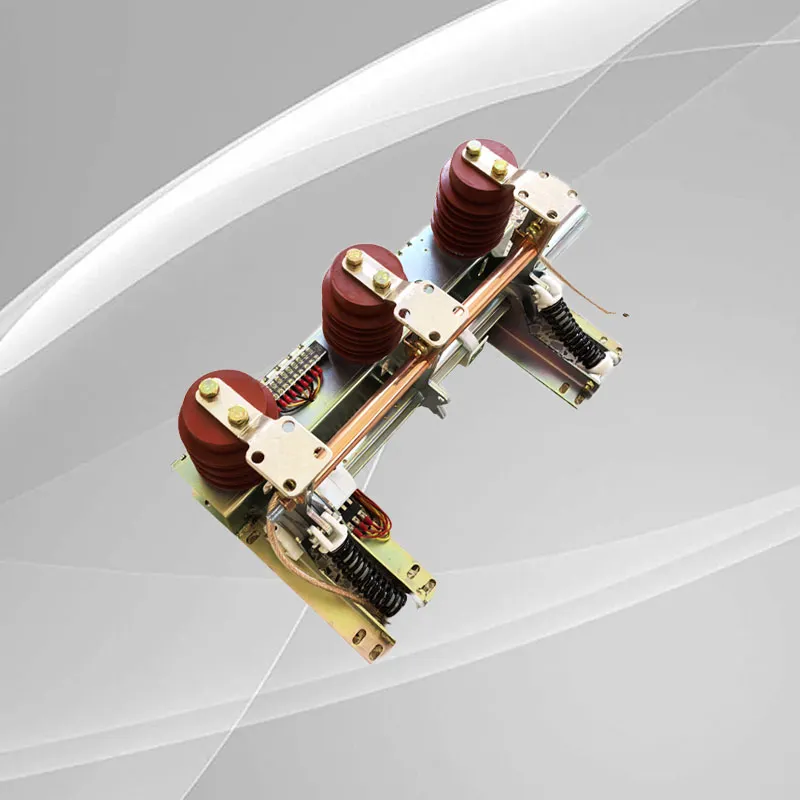 Internal high voltage grounding switch
-
 Molded Case Circuit Breaker (MCCB), 63A
-
 High voltage internal switch
-
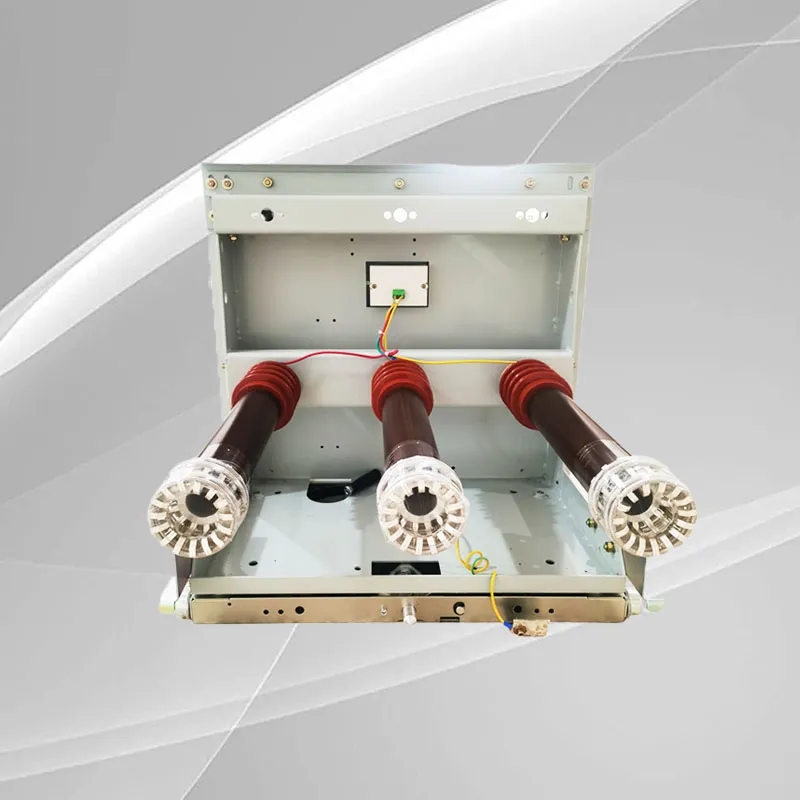 Withdrawable element for electricity metering with voltage check function
-
 Disconnector with blade contact in a complete high-voltage cabinet
Relatedsearch
Related Search- circuit breaker lr
- power transformer for motors
- China dry transformers 6 0 4
- power transformer 110 35 10 kV
- low power power transformer
- China three phase dry type transformer main buyer
- distribution board block
- power transformer service life
- China requirements for dry-type transformers main buyer
- plugs in the distribution board



