


power transformers briefly
Power transformers– this is a seemingly simple thing. But in practice, even with ten years of experience, you are constantly faced with nuances that can significantly affect the reliability of the entire electrical power system. Often, novice engineers focus on rated power and forget about critical factors: no-load, losses, short circuit characteristics. I would like to share my experience, and not just list characteristics from a textbook. Because reality is often much more complex.
Review: from theory to practice
In short,power transformeris a static electrical device designed to change alternating current voltage without changing its frequency. It consists of two or more windings, a magnetic core and insulating materials. There are transformers for increasing (increasing) and decreasing (decreasing) voltage. It is important to understand that the choice of transformer is a compromise between cost, size, efficiency and reliability requirements. Especially when it comes to critical systems, for example, in industrial plants or power grids.
Main parameters and characteristics
This is where the difficulties begin. Rated power is, of course, important, but not enough. The next important parameter is short circuit voltage (SCV). The lower the SCR, the lower the short circuit current, and the lower the requirements for remote control devices and system protection. But too low SCR can lead to overheating of the transformer during a short circuit.
Losses in a transformer are divided into losses in the magnetic core (losses due to hysteresis and eddy currents) and winding losses (losses due to winding resistance). Optimizing these losses is a key factor in improving transformer efficiency. For example, the use of steel with low hysteresis losses (for example, NP electrical steel) significantly affects the overall efficiency.
Magnetic characteristics and magnetic core design
The transformer core is made from electrical steel sheets to minimize eddy currents. The thickness and quality of these sheets directly affect the losses in the magnetic circuit. When designing, the frequency and level of magnetic flux must be taken into account. We often see in practice that when modernizing old transformers, they do not take into account the change in frequency in the network and, as a result, increase losses in the magnetic circuit.
The design of the magnetic circuit also plays an important role. There are different types of magnetic cores: edge, ring, profile. The choice of type depends on the power of the transformer and size requirements. For example, high-voltage transformers often use ring magnetic cores to reduce magnetic losses and increase structural strength. By the way, at Wenzhou Qiaonasen Electrical Equipment LLC, we have recently been working with transformers based on profile magnetic cores, which can significantly reduce weight and dimensions, as well as reduce losses.
Insulation and heat dissipation
Insulation is the vital element of a transformer. Its task is to prevent breakdown between the windings and the magnetic circuit. Insulation is exposed to high temperatures and humidity, so its quality and reliability are critical. It is important to consider the climatic conditions of operation of the transformer when choosing the type of insulation. For example, for work in aggressive environments, special insulating materials that are resistant to chemicals are used.
Heat dissipation also plays an important role. The transformer must dissipate heat efficiently to avoid overheating of the windings and insulation. Various methods are used for this: air cooling, oil cooling, liquid cooling. The choice of cooling method depends on the power of the transformer and reliability requirements. We often encounter a situation where, due to insufficient heat removal, transformers overheat and fail. When designing, you need to carefully calculate heat dissipation and choose the optimal cooling method.
Problems and common mistakes
A common problem is insufficient control over the condition of the oil in oil-immersed transformers. Oil loses its dielectric properties over time and can lead to insulation breakdown. Regular oil analysis and timely oil changes are a prerequisite for reliable operation of an oil transformer.
Another common mistake is incorrect installation and commissioning of the transformer. Incorrect connection of windings or failure to comply with grounding requirements can lead to serious consequences, including damage to the transformer and an accident. It is important to follow all manufacturer’s recommendations during installation and commissioning.
Case Study: Transformer Overheating in a Distribution Panel
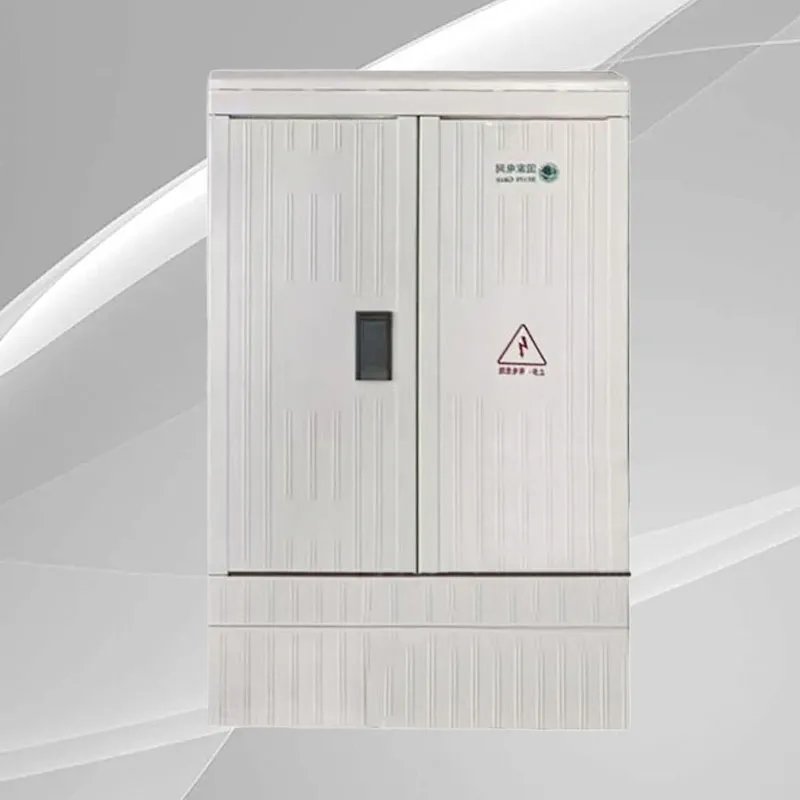
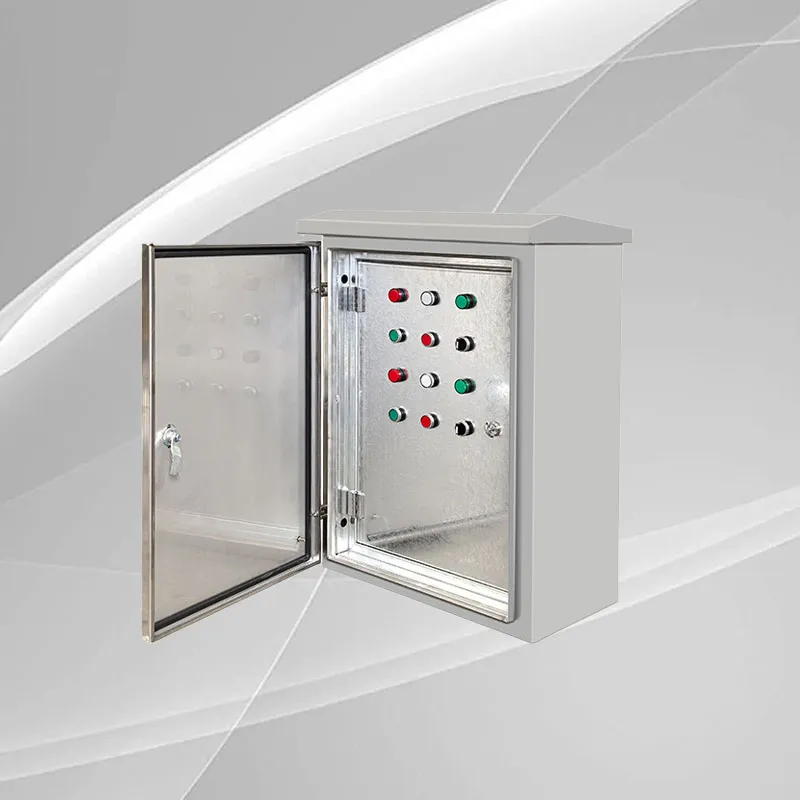
Recently we were faced with the problem of overheating of a transformer in the distribution board of one of the industrial enterprises. It turned out that the transformer was designed for a certain load, but in fact the power consumption was much higher. In addition, the ventilation of the shield was insufficient, which prevented effective heat dissipation. After increasing ventilation and reducing the load, the problem was solved. This shows how important it is to choose the right transformer and take into account its operating conditions.
Conclusion: the view of an experienced specialist
Power transformersis a complex and responsible part of the electrical power system. To ensure reliable operation, many factors must be considered: power rating, short circuit voltage, losses, short circuit characteristics, insulation, heat dissipation and installation. Don't neglect the details, even if they seem insignificant. Careful analysis and competent selection of a transformer is the key to long and reliable operation.
Wenzhou Qiaonasen Electrical Equipment Co.,Ltd specializes in supplying and upgradingpower transformersvarious types and power. We offer professional advice on choosing a transformer and provide installation and commissioning services.
I hope this short overview was helpful. I hope it will help you avoid many mistakes and ensure reliable operation of the electrical power system.
Correspondingproducts
Related Products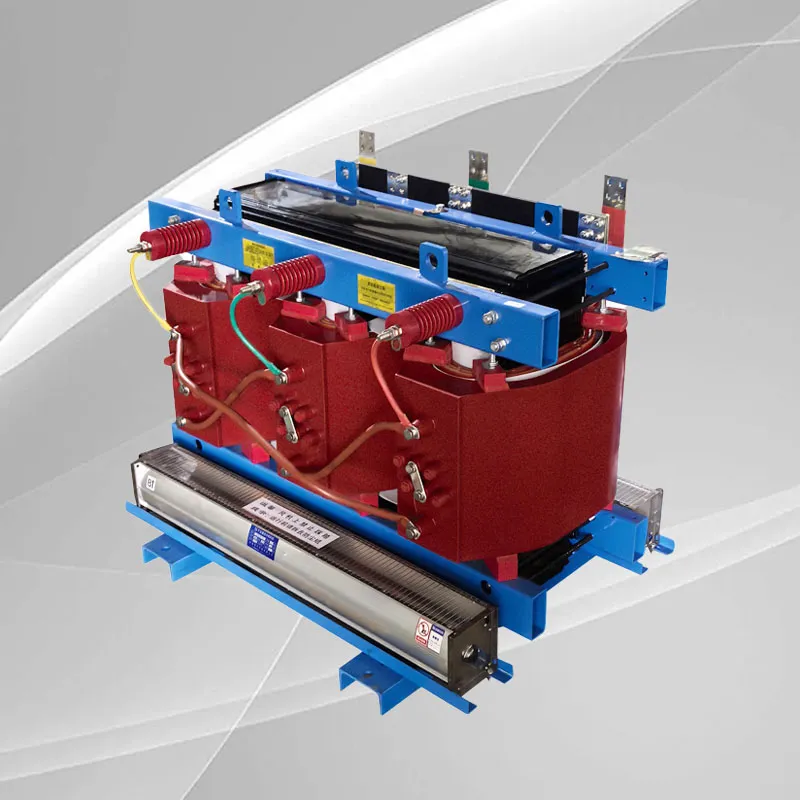


Best Sellingproducts
Best Selling Products-
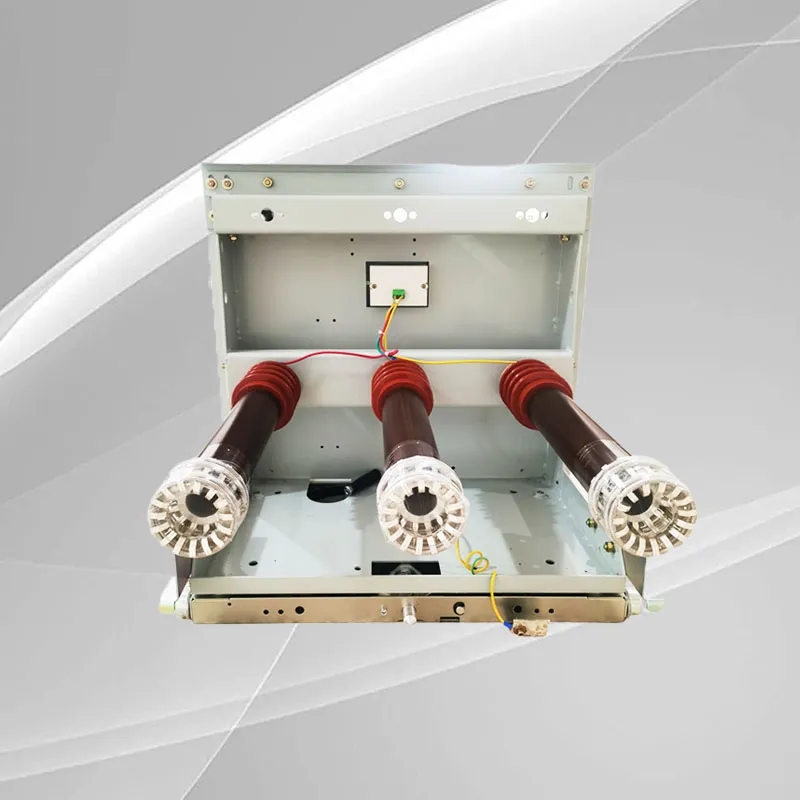 Withdrawable element for electricity metering with voltage check function
-
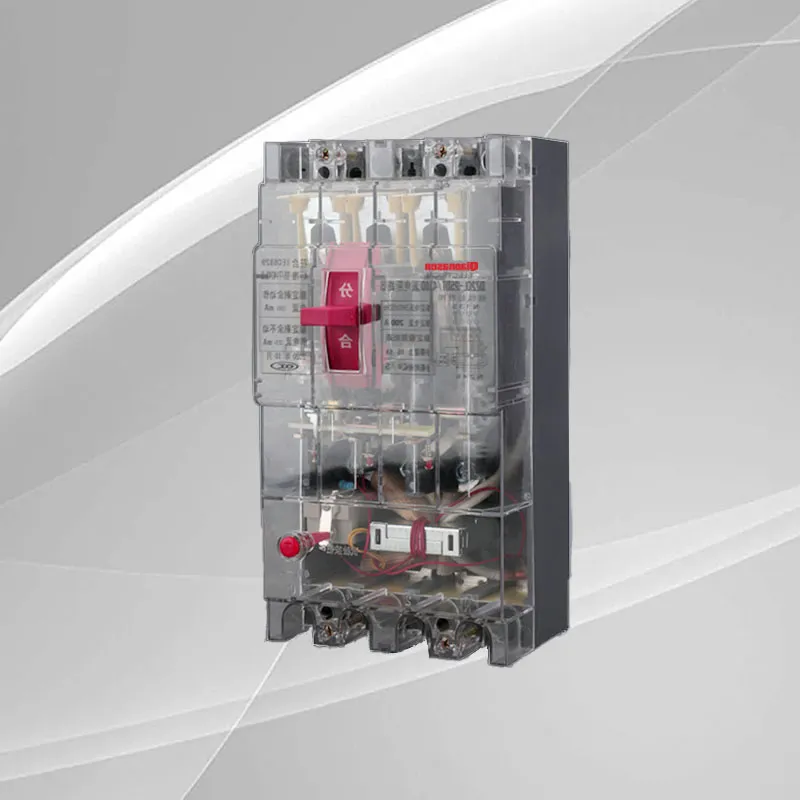 Circuit breaker with transparent plastic housing
-
 Withdrawable element for electricity metering
-
 Oil transformer
-
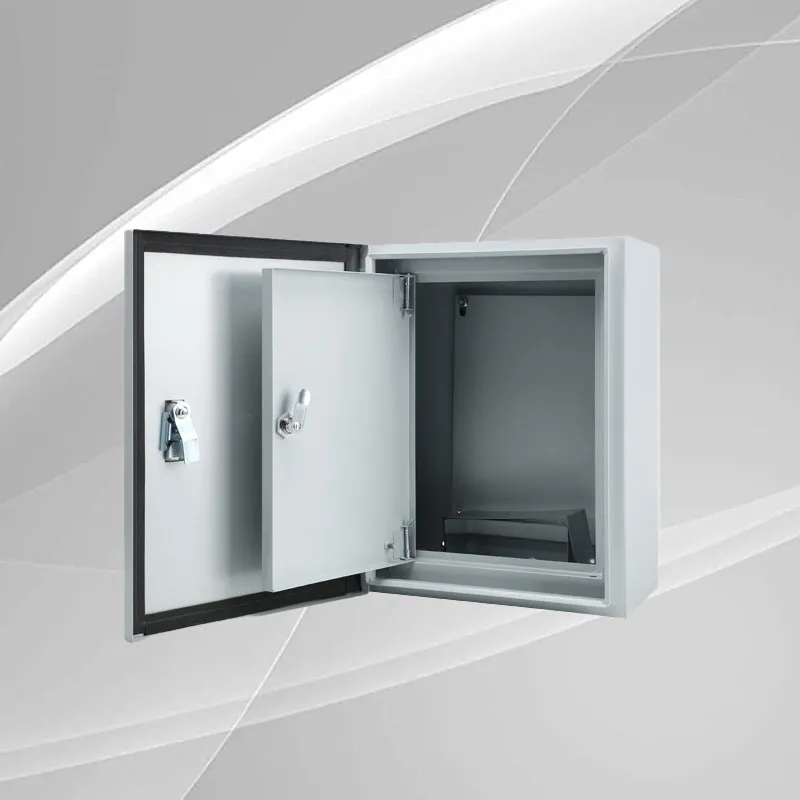 Indoor distribution cabinet with double door
-
 XGN15-12 Gas Insulated Ring Distribution Unit Output Cell
-
 JYSF6-12 fully insulated gas-filled ring distribution device
-
 Complete ring distributor with JYSF6-12 full insulation and charging gas
-
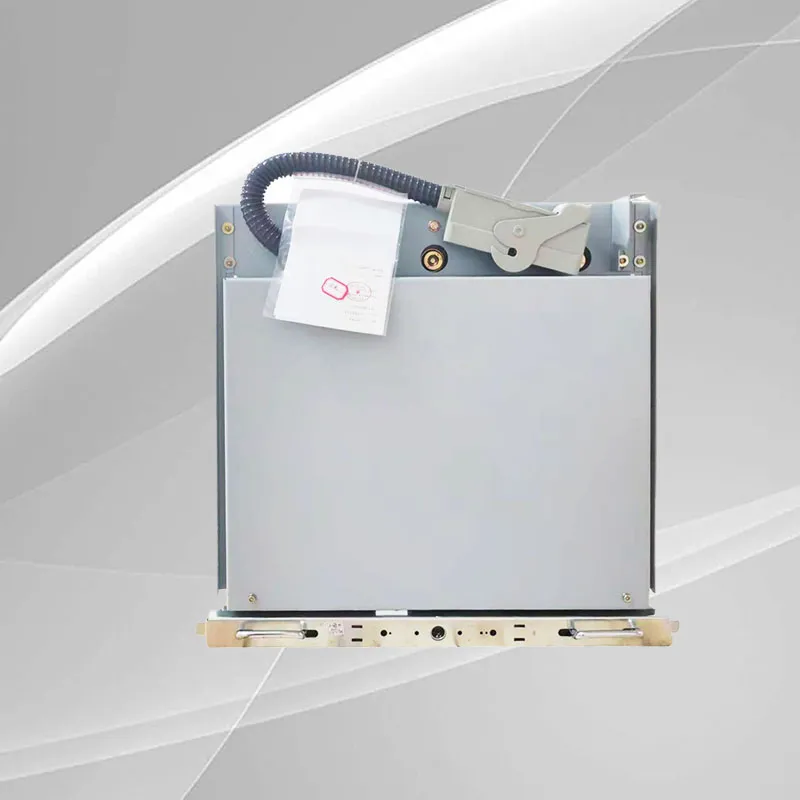 Withdrawable element for electricity metering with duck-type voltage transformers
-
 Switchgear with ATS BRSM
-
 Internal high-voltage disconnector GN19-630A with double input and grounding contact
-
 Outdoor High Voltage Smart Vacuum Circuit Breaker



