

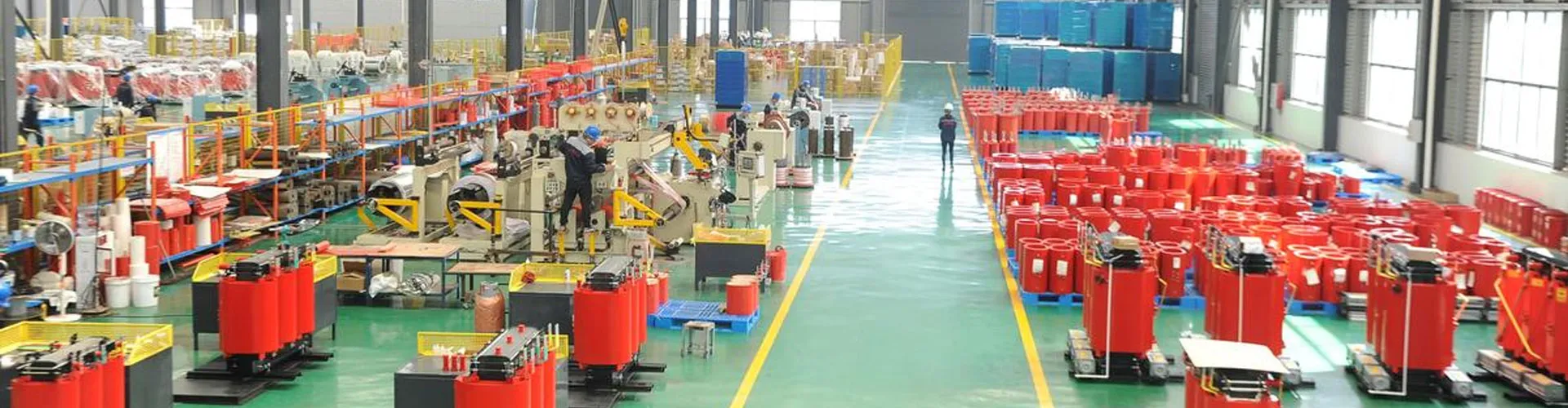
dry transformers
Dry transformers- This is, at first glance, a simple solution. No oil line, no risk of leaks... But experience shows that this apparent simplicity hides a whole range of problems. Often clients come with the confidence that a dry transformer is always better, but this is not always the case. Let's figure out what is important to consider when choosing and operating such devices, and what pitfalls may arise. I will try to share the experience accumulated over several years of work in the field of electrical equipment, and perhaps help avoid some mistakes.
Review: Dry Type Transformers: Benefits and Hidden Risks
Dry transformers are gaining popularity. And this is understandable - environmental friendliness and no need for oil maintenance are excellent arguments. However, their use is not always justified. The main task is to correctly assess operating conditions and reliability requirements. Otherwise, you risk spending money without getting the desired result, or facing serious problems in the future.
Choosing the right type of dry-type transformer
There are several typesdry transformers: air-cooled, oil-cooled (that is, not completely 'dry', but with a small amount of dielectric fluid), and with various design features. The choice depends on many factors: power, voltage, environmental conditions, reliability requirements and cost. For example, high-voltage applications often use air-cooled transformers, which require more careful contamination control. And for low-power indoor transformers, an option with a small volume of dielectric is quite suitable.
It is important to understand that 'dry' does not mean 'safe from external influences'. On the contrary, some models require special storage and operating conditions to avoid damage from moisture, dust and mechanical shock. I recommend that you always refer to the manufacturer's technical documentation to understand the specific requirements for a particular model.
Don't forget about standards and certification. Make sure that the transformer you select meets all necessary safety and electromagnetic compatibility requirements. Without this, serious problems may arise during connection and operation.
Features of installation and commissioning
Installationdry transformerrequires special care. All manufacturer's recommendations for installation, fastening and connecting cables must be followed. It is important to ensure proper ventilation to avoid overheating.
Commissioning work also requires care. It is necessary to check the insulation, measure the parameters and ensure the correct operation of the protective devices. Poor commissioning can lead to malfunctions of the transformer and even damage to it.
I remember an incident where we were installing a dry-type transformer in an industrial setting. Due to improper mounting, the transformer began to vibrate, which led to damage to the insulation and, ultimately, to failure. This was an expensive repair that could have been avoided if we had been careful with the installation.
Real Experience: Pros and Cons of Dry Type Transformers in Various Applications
We often encounter questions about the applicationdry transformersin various industries. In the energy sector they are used to increase the reliability of power supply, in industry - to power various electrical appliances, in automation systems - to power controllers and sensors.
Indoor benefits
Indoors, dry-type transformers are a win-win option. The absence of oil eliminates the risk of leaks and contamination and reduces fire hazards. In addition, dry transformers are more compact and lighter than oil transformers, which makes them easier to install and maintain.
For example, we installed a dry-type transformer in the server room of one of our clients. This allowed us to avoid problems with oil leakage and ensure uninterrupted operation of the equipment. The client was very pleased with the result.
However, it must be taken into account that dry transformers require good ventilation. Otherwise, they may overheat, which will reduce their service life.
Limitations for Outdoor Installation
For outdoor installations, dry-type transformers are not always the optimal solution. They are more sensitive to moisture, dust and temperature changes than oil transformers. In addition, they require more careful protection from mechanical damage.
For example, we tried to install a dry transformer outdoors in conditions of high humidity. Shortly after installation, we discovered that the transformer had begun to corrode, causing it to fail. It was a bitter lesson that we remembered for a long time.
If you need to install the transformer outdoors, it is better to choose an oil transformer or a transformer with a sealed design.
Common problems and solutions
During operationdry transformersVarious problems may arise. For example, overheating, insulation damage, current leakage, noise.
Overheating
Overheating can be caused by various factors: overload, insufficient ventilation, dirt. To prevent overheating, follow the manufacturer's load recommendations and ensure good ventilation. In case of overheating, it is necessary to turn off the transformer and carry out diagnostics.
We often encounter the problem of overheating of dry transformers in rooms with poor ventilation. The solution to this problem is to install additional fans or upgrade the ventilation system.
In some cases, overheating may be caused by a fault in the transformer windings. In this case, repair or replacement of the transformer is required.
Insulation damage
Damage to insulation can be caused by aging, mechanical damage, exposure to moisture and dust. To prevent damage to the insulation, it is necessary to comply with the storage and operating conditions, as well as carry out regular insulation checks.
If damage to the insulation is detected, the transformer must be immediately disconnected and the insulation repaired or replaced.
I recommend taking regular insulation resistance measurements to identify problems at an early stage.
Conclusions and recommendations
Dry transformers- This is a good solution for many problems. But it is important to correctly assess the operating conditions and reliability requirements before making a purchasing decision. The type of transformer, its power, voltage, environmental conditions, safety requirements and cost must be taken into account.
The importance of qualified installation and maintenance
There is no need to skimp on installation and commissioning work. Poor installation can lead to serious problems in the future. It is also important to carry out regular maintenance on the transformer to prevent its failure. Including visual inspection, insulation testing, measurements and cleaning of ventilation openings.
A balanced approach to selection
Before you choosedry transformer, it is necessary to conduct a thorough analysis of all factors. Don't blindly follow fashion or focus only on price. It is important to find the best solution that suits your needs and budget. It's better to spend a little more time choosing than to regret your mistake later.
Remember that experience is the best teacher. Don't be afraid to seek professional help if you have any questions. We are always ready to share our experience and help you choose the optimal solution.
Correspondingproducts
Related Products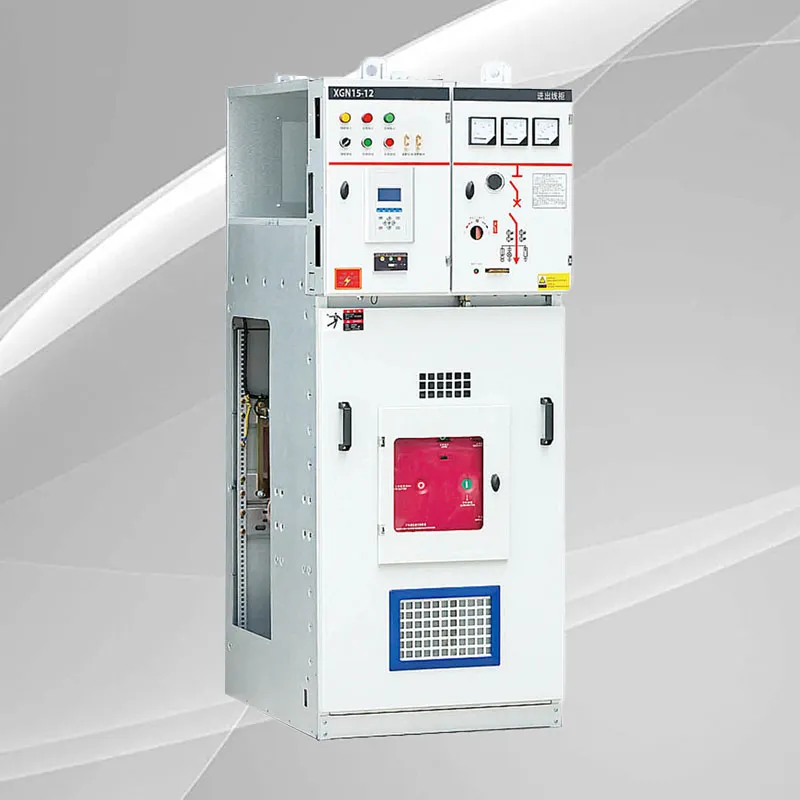



Best Sellingproducts
Best Selling Products-
 Outdoor High Voltage Smart Vacuum Circuit Breaker
-
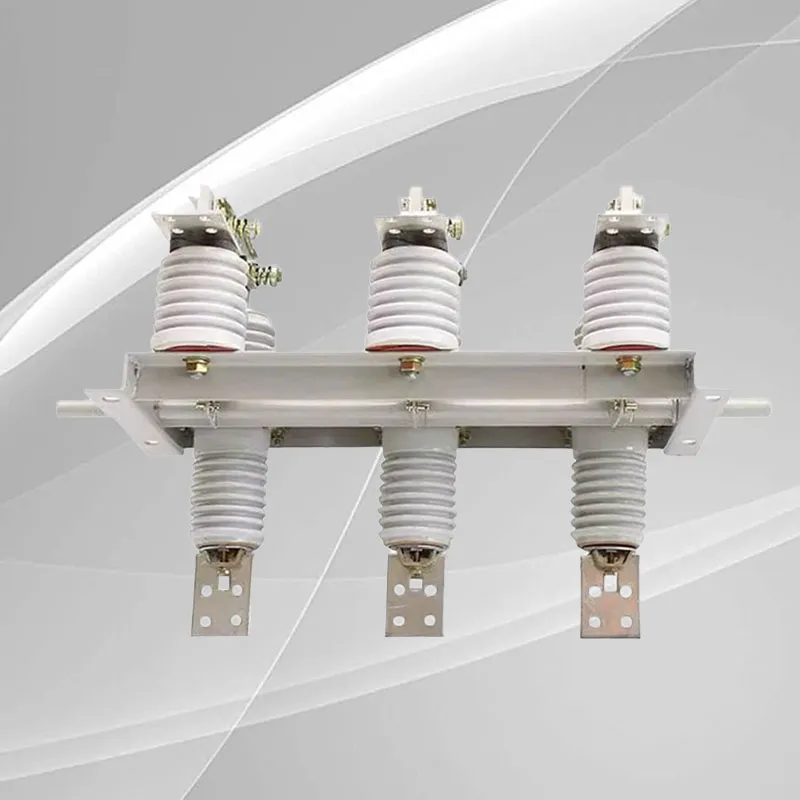
 Internal high-voltage disconnector GN19-630A with double input and grounding contact
-
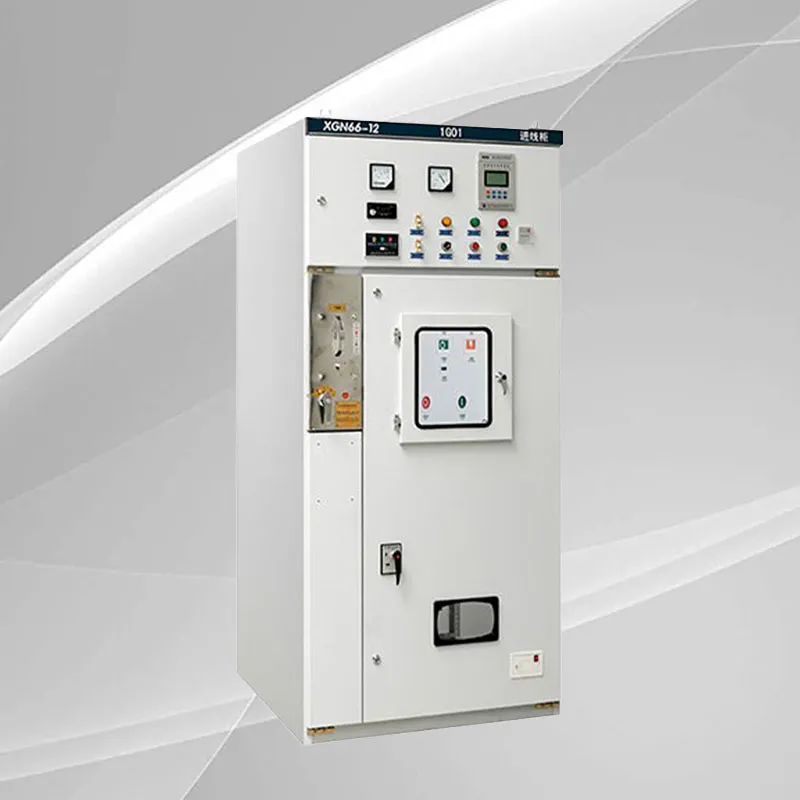
 Switch cabinet with double doors
-
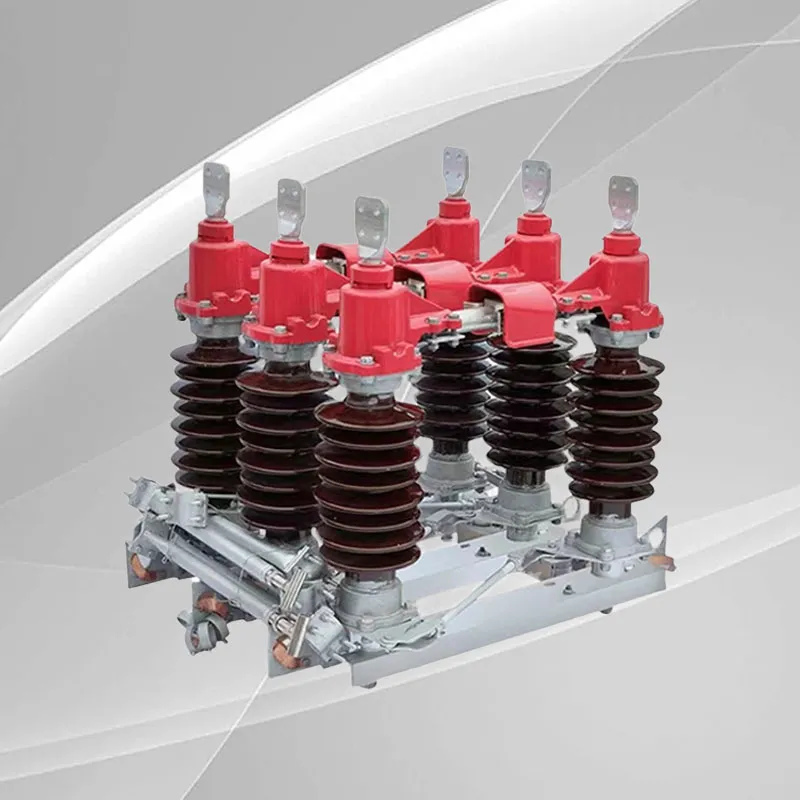
 Blade contact disconnector ZW10-12
-
 DZ15LE Leakage Current Circuit Breaker - White 3P 4P Low Voltage AC
-
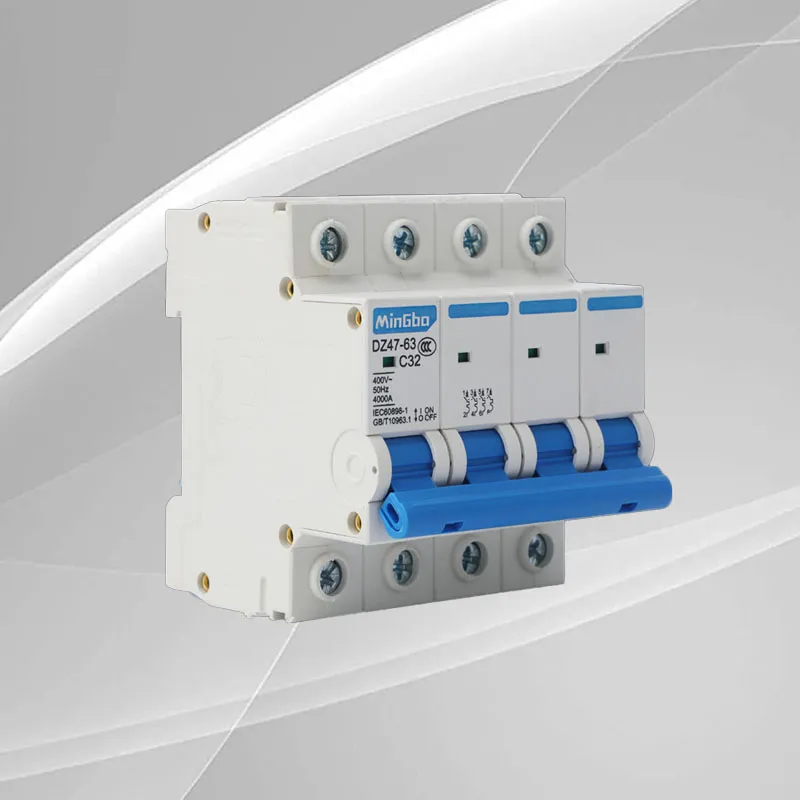 Miniature circuit breaker
-
 Isolating circuit breaker HL30-125
-
 Low-voltage withdrawable switchgears MNS
-
电动智能户外柱上高压真空断路分合闸开关.2.webp) ZW7-40.5 (side mounting) is an intelligent outdoor high-voltage vacuum circuit breaker with electric drive.
-
 Miniature circuit breaker
-
 Disconnector with blade contact in a complete high-voltage cabinet
-
 XGN15-12 Gas Insulated Ring Distribution Unit Output Cell
Relatedsearch
Related Search- distribution board GOST 32397 2013
- power transformer 380 220
- circuit breaker abb 25
- distribution board 24 modules abb
- automatic t switches
- circuit breaker 20a ekf
- MTZ power transformers
- ratings of power transformers 10 0.4
- automatic switch va88 630a
- ZW32-12F Series: Outdoor High Voltage Smart Vacuum Circuit Breaker