


dry transformer protection
Transformer protection– a topic that you encounter every day when working in the electric power industry. It seems that everything is clear: you install protection devices, configure them, check them. But in reality, situations often arise when the expected protection does not work, or works in the wrong place. There can be many reasons, from trivial errors in configuration to the operating characteristics of a particular transformer and its load. Sometimes, after much investigation, you realize that the problem lies not in the protection device itself, but in previous events that led to an overload or short circuit. In general, this is not always simple and requires an integrated approach, and not just a “tack on” of a standard protection kit.
What will we talk about
In this article I will try to share my experience in the fieldtransformer protection, covering both theoretical aspects and practical nuances that are often silent about in standard manuals. Let's look at the main types of protection, common errors, application features and several real examples that happened in our work. We will also discuss issues related to the selection of a protection relay and its integration into the overall power plant control system. I will try not to go into academic theory, but to talk about what is really important to ensure reliable and efficient operation of the transformer.
Basic principles of transformer protection
First of all, it is worth understanding the basic principles of operation of security systems.transformers. A classic protection system includes devices designed to detect and isolate faults such as short circuits and overloads. Key components are protective relays, soft starters and various current and voltage sensors. The choice of specific devices depends on the type of transformer, its power, load characteristics and requirements for protection reliability. We need to clearly understand what kind of malfunction we are trying to detect and how quickly it needs to be localized.
It is important to consider that the response of the protection system must be adequate. Reacting too quickly can result in false alarms and shutdown of normal loads. Too slow - serious damage to the transformer. Modern protection systems allow flexible adjustment of response parameters, adapting to specific operating conditions. For example, different levels of protection can be set for different operating modes of the transformer, such as normal operation, overload and short circuit.
Types of relay protection for transformers
There are several main types of relay protectiontransformers: ionization protection, short circuit protection, overvoltage protection and phase loss protection. Each of these systems is designed to detect and disable a specific type of fault. Ionization protection, for example, is widely used to detect short circuits in transformer windings. It is based on measuring the flow of ions generated during a short circuit. Surge protection is designed to protect the transformer from damage caused by surge voltages, such as lightning. This is a very important aspect, especially for transformers located in areas with high lightning activity.
When choosing the type of relay protection, it is necessary to take into account the design features of the transformer and its application. For example, transformers with a large number of windings may require a more complex protection system. It is also important to take into account the requirements for the reliability and fault tolerance of the protection system. It is recommended to use backup protection systems to ensure continuous operation of the transformer in the event of a failure of the main system.
Setting up and calibrating the protection relay
The process of setting up and calibrating the protection relay is a very important stage that requires special attention. Incorrect configuration can lead to false alarms or inadequate response to real faults. It is necessary to carefully study the documentation on the protection relay and follow all manufacturer’s recommendations. During calibration, it is necessary to use specialized equipment and conduct testing on special stands. Very often the cause of problems istransformer protectionThe relay settings turn out to be inaccurate, especially when the load or transformer parameters change.
In our practice, there have been cases when frequent shutdowns of transformers occurred due to incorrectly calibrated relays. The reason for this was not the malfunction itself, but the false operation of the relay caused by deviations in the load parameters. Therefore, it is very important to regularly calibrate the protection relays and check their performance.
Real Case Studies of Wenzhou Qiaonasen Electrical Equipment Co.,Ltd
We recently had an incident wheretransformer protectionworked unexpectedly. The transformer was used to power the pumping station, and the load on it was relatively stable. However, the protection relay tripped and the transformer was switched off. After analyzing the relay readings and data from current and voltage sensors, it turned out that the cause of the operation was not an overload, but a short-term short circuit in one of the phases. The cause of the short circuit was damaged conductor insulation, which could not be detected during routine checks. This case shows that it is necessary to carry out not only automatic checks, but also a visual inspection of the transformer and its cable lines.
Another interesting case is related to the use of soft starters. We installed a soft starter to reduce the inrush currents of the transformer. However, after installing the device, the protection relays began to operate falsely. It turned out that the soft starter changed the nature of the starting currents, which led to incorrect readings from the current sensors and, as a consequence, to false triggering of the protection relays. I had to reconfigure the protection relays and add harmonic filters to solve this problem.
Problems of integration with power plant control systems
Modern systemstransformer protectionoften integrated with power plant control systems (PMS). This allows you to automate transformer shutdown processes and increase the reliability of power supply. However, integration can be challenging. It is necessary to ensure compatibility of the protection devices with the control system and correctly configure the data exchange parameters. In addition, it is necessary to take into account the requirements for safety and fault tolerance of the control system.
One of the problems when integrating with an EMS is the delay in data transmission. In some cases, the delay may be so long that the control system does not have time to make a decision to turn off the transformer. This can lead to serious consequences, such as equipment damage. Therefore, it is necessary to use high-speed communication channels and optimize data exchange algorithms.
Conclusions and recommendations
In conclusion, I want to say thattransformer protection– this is a complex and responsible task that requires an integrated approach and experience. Many factors must be taken into account, including the type of transformer, its load, operating characteristics and protection reliability requirements. It is important to regularly carry out preventive maintenance, check the functionality of protection devices and promptly eliminate identified faults. And, of course, it is necessary to constantly improve your knowledge and skills in the field of transformer protection in order to ensure reliable and efficient operation of electrical power equipment.
We, Wenzhou Qiaonasen Electrical Equipment Co., Ltd., specialize in high and low voltage transmission and distribution solutions and electrical control systems in the power equipment industry. Our experience and knowledge will help you ensure reliable protection of your transformers and improve the efficiency of your power plant. You can find more information about our company on our website:https://www.qnasen.ru.
Correspondingproducts
Related Products电动智能户外柱上高压真空断路分合闸开关.2.webp)

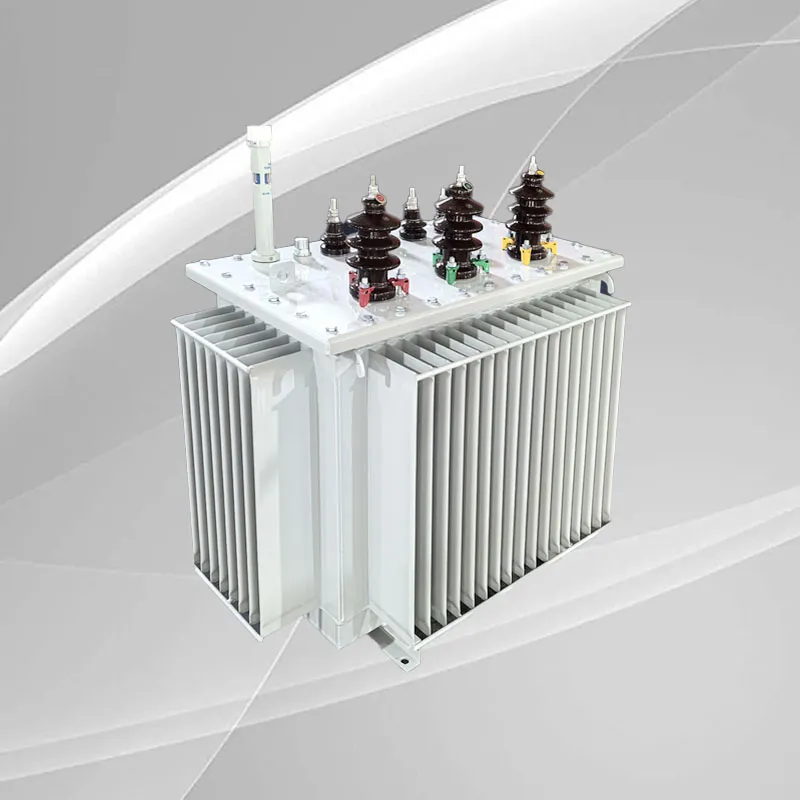


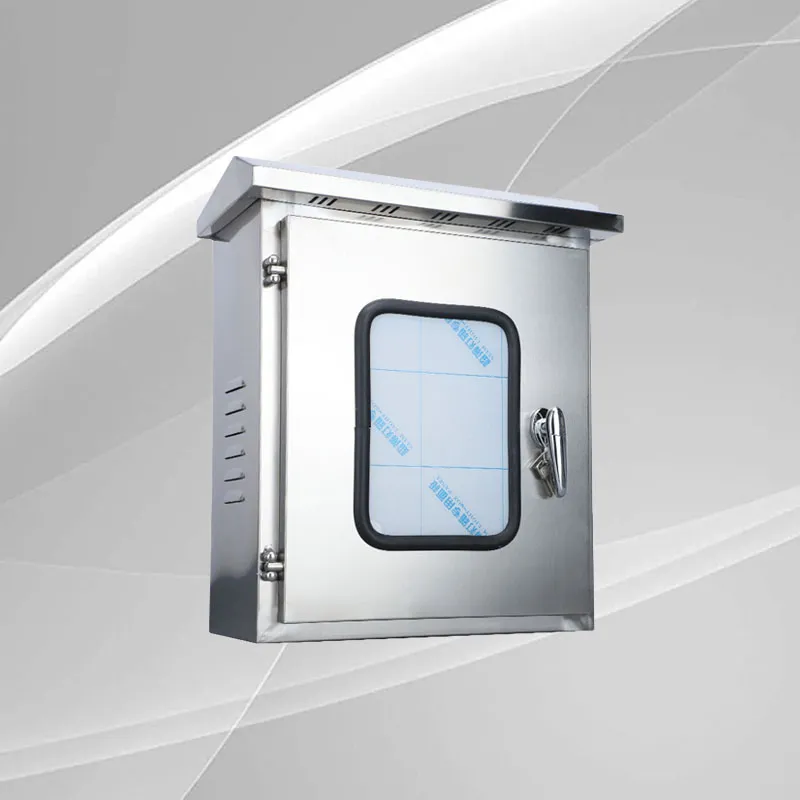
Best Sellingproducts
Best Selling Products-
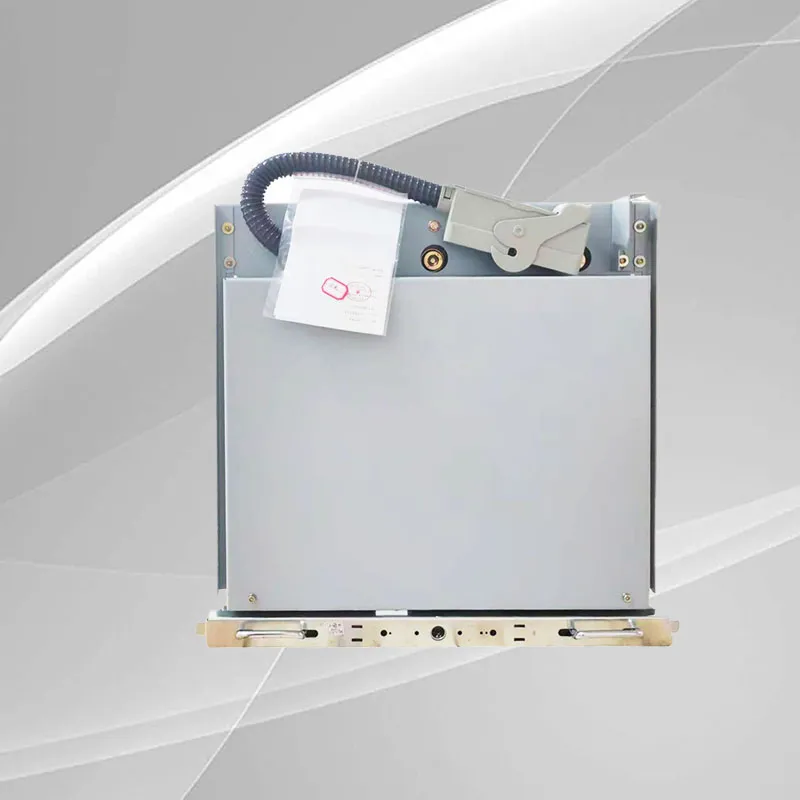 Withdrawable element for electricity metering with duck-type voltage transformers
-
 Residual current switch
-
 Outdoor distribution board
-
 Miniature circuit breaker
-
 Isolating circuit breaker HL30-125
-
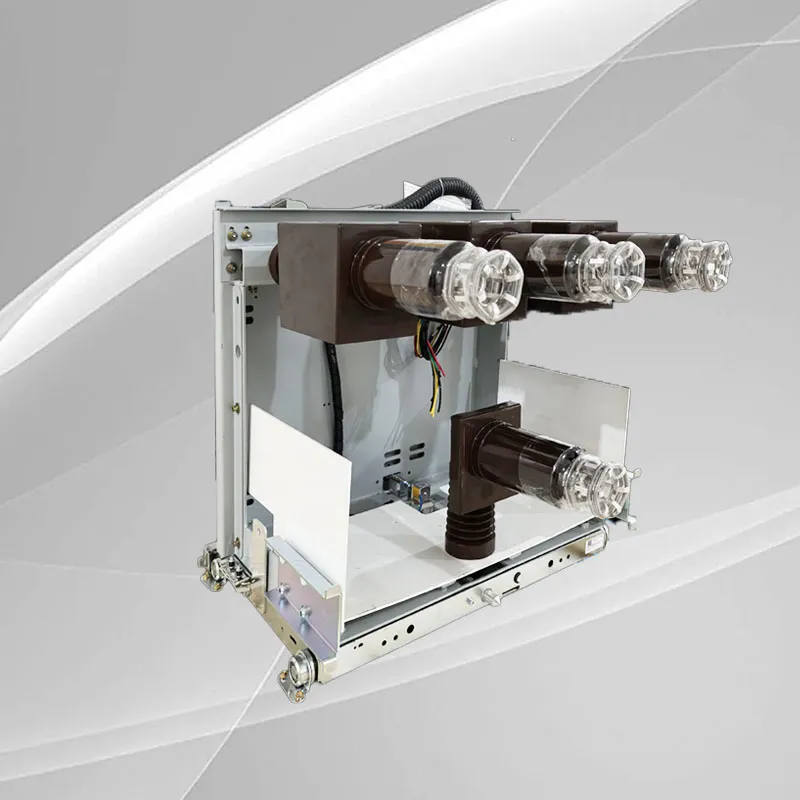 Withdrawable element for electricity metering for four contacts with three voltage transformers
-
 Transparent circuit breaker with plastic housing
-
 Withdrawable element for electricity metering
-
 DZ15LE Leakage Current Circuit Breaker - White 3P 4P Low Voltage AC
-
 Metal Enclosed Stationary AC Switchgear XGN15-12
-
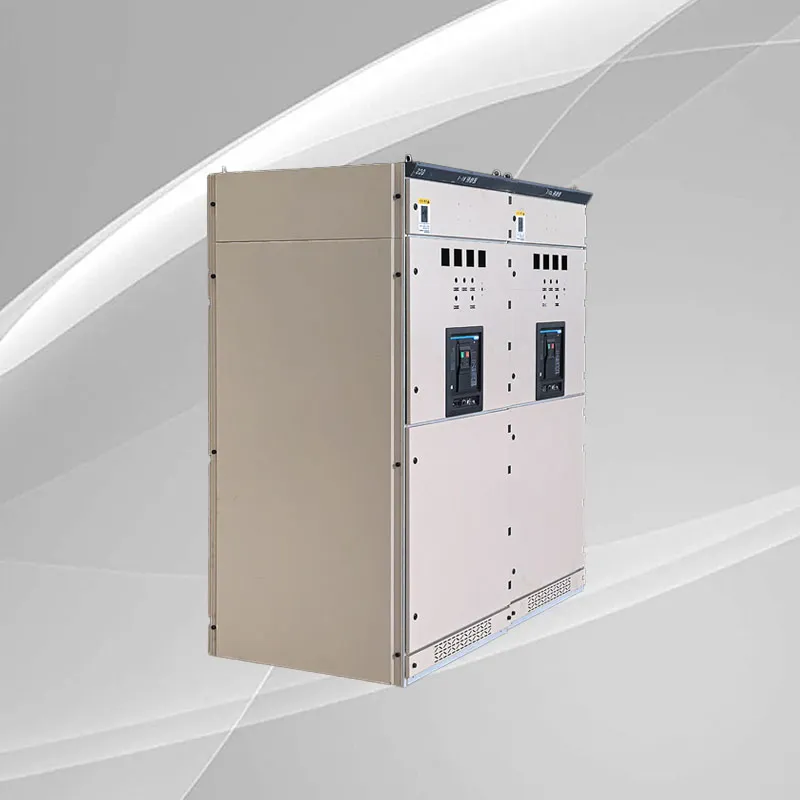 Low-voltage withdrawable distribution cabinet GCS (input cabinet)
-
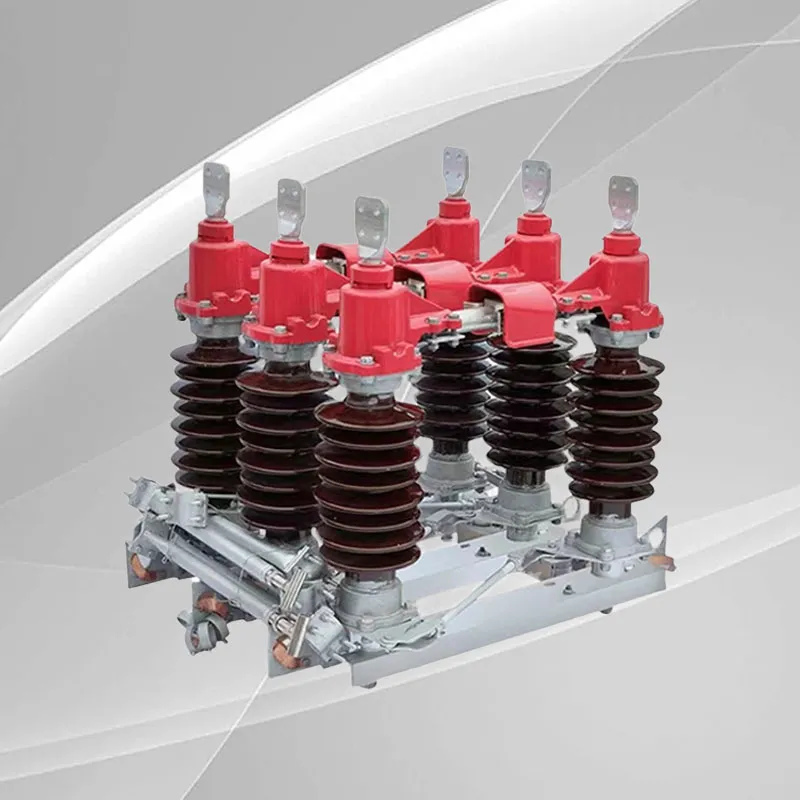 Outdoor high voltage isolating switch type GW4-40.5



