


table of dry transformers
The concept of **dry transformers** often causes some confusion among many specialists. I want to say right away that all these “dry” ones are not just a lack of oil. This is a whole class of transformers with their own pros and cons, specifics of operation and, of course, requirements for selection. Many people perceive them as 'safer', but this is only part of the picture. Real experience shows that choosing a specific typedry transformerdepends on many factors, often not obvious at first glance. In this article I would like to share some observations obtained while working with these devices, talk about common mistakes and share tips that I hope will be useful.
Review: Dry-type transformers – more than just safety
In general, **dry transformers** are devices in which the windings are insulated not with oil, but, as a rule, with various epoxy resins or other polymeric materials. This approach certainly reduces the risk of fires and emissions of harmful substances in the event of an accident. However, talking about them solely as a safer alternative to oil transformers would be an oversimplification. Other factors must be taken into account, such as power, efficiency, cost, and application specifics.
Our experience with Wenzhou Qiaonasen Electrical Equipment Co., Ltd., which specializes in power transmission and distribution solutions, has shown that choosing the type of transformer is always a compromise. And the most 'safe' option is not always the most optimal from a technical and economic point of view. We often encounter situations where a **dry-type transformer** was initially selected due to safety concerns, and then encountered problems due to its limited capacity or increased cooling requirements.
Advantages and disadvantages: in detail
Let's look at the main advantages and disadvantages of **dry transformers** in more detail. Safety, as I already mentioned, is key. The absence of oil significantly reduces the risk of fire and environmental pollution. This is especially important when installing transformers indoors, such as in residential buildings or office buildings. In addition, **dry transformers** usually have less weight and dimensions compared to oil-based analogues of similar power, which makes them easier to install and transport.
However, they also have disadvantages. First, the efficiency is usually lower than that of oil-immersed transformers. This is due to a more complex cooling system and increased insulation resistance. Secondly, **dry transformers** are more sensitive to environmental influences, especially to humidity. This requires special protection and control measures. Thirdly, the cost of a **dry transformer** is often higher than that of an oil-filled analogue.
In practice, this manifests itself as follows: when a customer chooses a **dry transformer** to operate at high power, he has to use complex and expensive cooling systems, and with high humidity in the power grid, problems arise with maintaining the necessary insulation and the service life of the device is reduced. We have even encountered cases where we had to replacedry transformerto oil, just to ensure stable operation of the system.
Types of dry transformers and their features
There are different types of **dry transformers**, each of which has its own characteristics. The most common are air-cooled transformers and oil-cooled transformers (in this case, the oil is not the main coolant, but is used only for insulation). There are also transformers with natural and forced cooling.
Air Cooled Transformers
This is the simplest and most economical type of **dry transformer**. Cooling occurs due to natural air convection. They are usually used for small capacities and in rooms with good ventilation.
Our experience shows that the efficiency of air-cooled transformers is not very high, especially at high loads. You have to pay special attention to the organization of air flow to avoid overheating. Often, instead of effective ventilation, complex forced airflow systems are used, which increases the cost and complexity of the design.
Oil Cooled Transformers
This type of **dry transformer** combines the advantages of both types. Oil is used to insulate the windings and also to dissipate heat. They are more efficient than air-cooled transformers and can be used for higher powers.
It is important to note that when using oil cooling, it is necessary to carefully monitor the condition of the oil and replace it periodically. This is due to the fact that oil loses its dielectric properties over time. This is especially important to ensure reliable and durable operation of the transformer.
Transformers with dielectric oil
This option is, in fact, intermediate between an air and classic oil transformer. The use of dielectric oil provides good insulation and heat dissipation, but reduces the risk of fire compared to conventional oil transformers.
We don't come across this type of transformer very often, but in cases where high reliability and efficiency are required, it can be a completely justified choice. However, it is worth considering the cost and complexity of maintenance.
Common mistakes when choosing and using
When selecting and operating **dry transformers** mistakes are often made that can lead to a reduction in their service life and even to emergency situations. One of the most common mistakes is the wrong choice of transformer type for specific operating conditions. It is not enough to take into account factors such as ambient temperature, humidity, degree of contamination and efficiency requirements.
Another mistake is incorrect installation and connection of the transformer. The manufacturer's instructions must be strictly followed and only qualified personnel should be used. It is also important to properly organize the cooling and insulation control system.
We often see how, due to improper organization of the cooling system, overheating of the windings and damage to the insulation occurs. Or how humidity causes coronal discharge and a decrease in the dielectric strength of insulation. These errors can lead to costly repairs or even complete replacement of the transformer.
Recommendations for selection and operation
To avoid mistakes when selecting and operating **dry-type transformers**, I recommend the following: carefully study the technical specifications of the transformer and make sure that they meet your requirements. Pay attention to the manufacturer's reputation and availability of quality certificates. Conduct a comprehensive analysis of the operating conditions and select the type of transformer that is best suited for these conditions. Install and connect the transformer in accordance with the manufacturer's instructions and use only qualified personnel. Perform regular inspection and maintenance of the transformer, including checking the insulation, winding condition and cooling system.
And finally, don’t skimp on quality. Choosing a cheap transformer can lead to serious problems in the future. It’s better to overpay a little now than to pay for repairs and equipment downtime later. At Wenzhou Qiaonasen Electrical Equipment LLC, for example, we always try to offer the best price-quality ratio, based on many years of experience and a deep understanding of the specifics of the market.
Conclusion
**Dry transformers** are a reliable and safe solution for many problems. However, they require proper selection and operation. I hope this article will help you better understand the features of these devices and avoid common mistakes. If you have any questions, don't hesitate to contact us. We are always happy to help.
Correspondingproducts
Related Products



Best Sellingproducts
Best Selling Products-
 Oil transformer
-
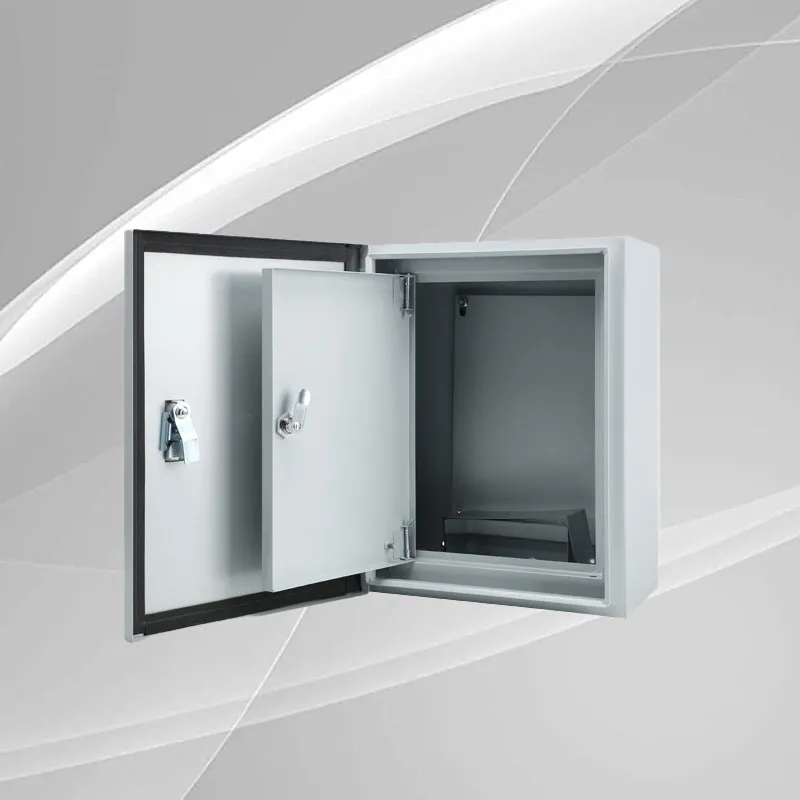 Indoor distribution cabinet with double door
-
 XGN15-12 AC High Voltage Ring Switchgear with Sulfur Hexafluoride
-
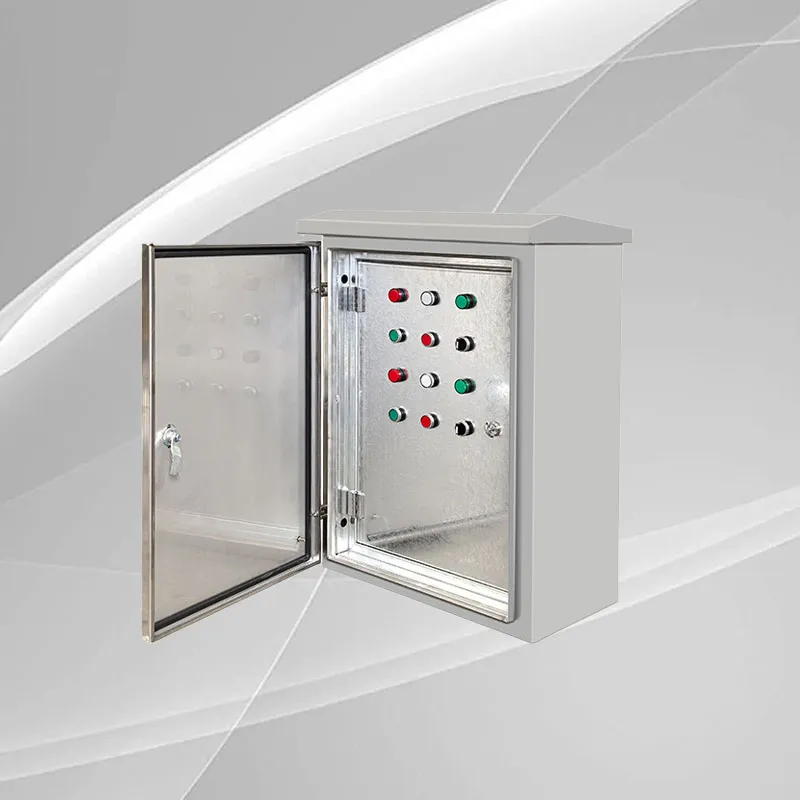 Stainless steel control panel
-
 High voltage vacuum circuit breaker ZW20
-
 Complete high-voltage distribution cabinet KYN28A-12 with input and linear cells and instrument transformer compartment
-
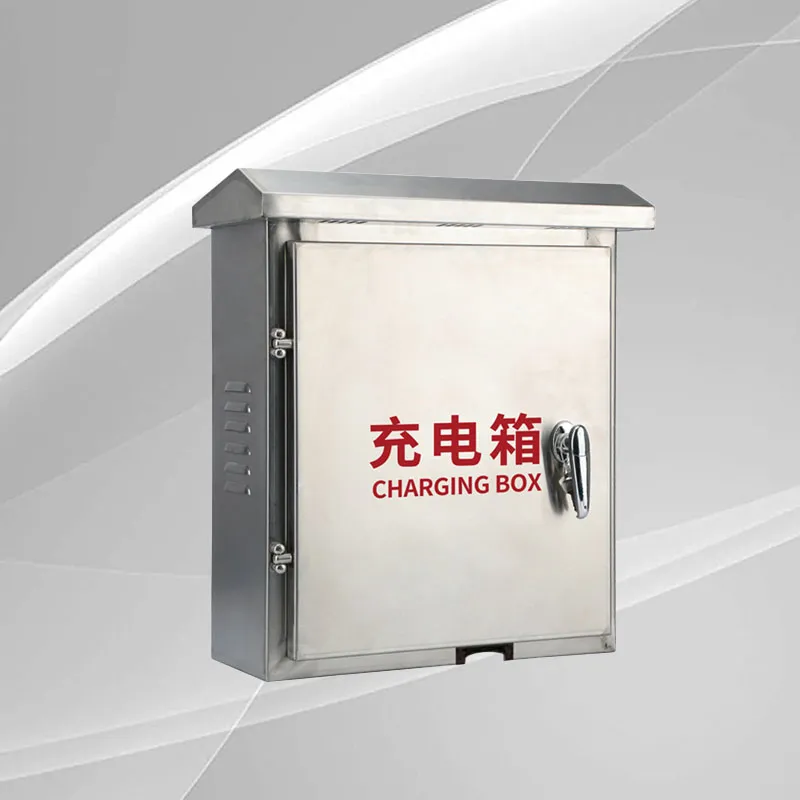 Outdoor electric charging cabinet
-
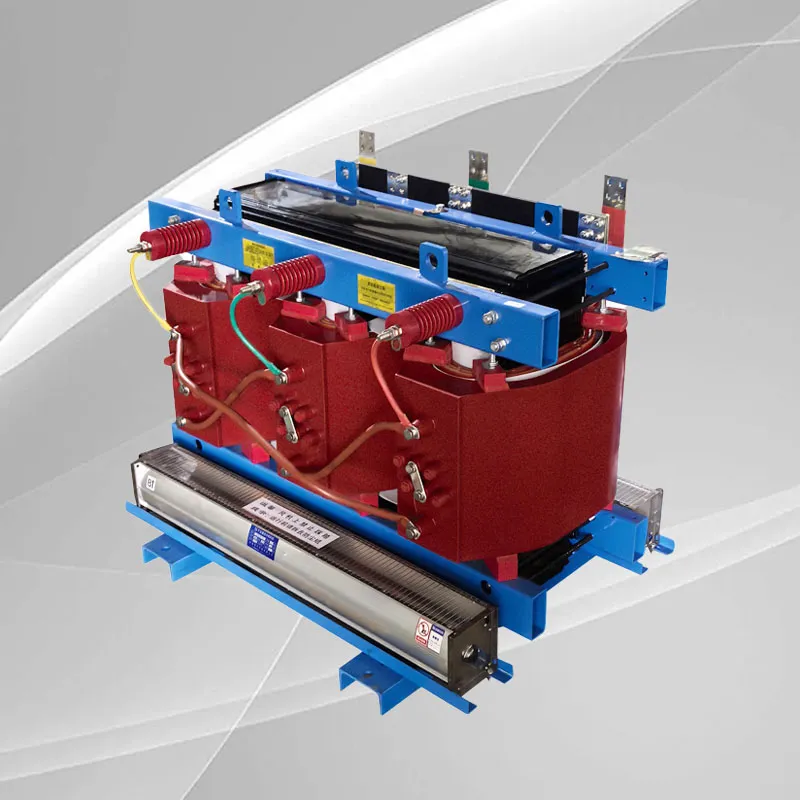 Dry transformer
-
 Miniature circuit breaker
-
 Complete low voltage distribution board made of stainless steel
-
 Switch cabinet with double doors
-
 Outdoor Single Phase Waterproof Transparent Plastic Electricity Meter Shield
Relatedsearch
Related Search- distribution board 4 12
- China power transformer TMG 1000
- circuit breakers VA 51
- China power transformers are intended for the main buyer
- buy ip65 distribution boards
- power transformer power kW a
- distribution board Kazan
- circuit breaker 4000a
- China production of power transformers main buyer
- distribution board abb cu24v u42



