


Indoor transformer
Indoor transformer- a seemingly simple thing, but in reality it is a field for errors. Many people believe that you just need to select enough power for the load, and you're done. But this is, to put it mildly, a simplification. I have been installing and servicing power equipment for many years, and I can say with confidence: the wrong choice or poor-quality installation is a direct path to problems. Loss of power, overheating, even fire - these are just some of the consequences.
Why is it so important to choose the right transformer?
The issue of selecting power is just the beginning. It is necessary to take into account many factors: type of load (inductive, resistive), power factor, permissible overvoltages, climatic conditions of the room, as well as safety requirements. There are often situations when a customer orders a transformer with a power reserve 'for the future'. This is usually irrational. A slight excess - yes, acceptable. But a huge margin comes with unnecessary costs and potential energy efficiency problems. Often, this “stock” simply sits idle, bringing no benefit.
I remember one time when we installedindoor transformerfor a workshop where welding machines were working. The customer clearly wanted it 'just in case'. We calculated the real need and offered the best option. Six months later, it turned out that the excess power was not used at all, and the transformer was operating with an efficiency lower than expected due to incorrectly selected parameters. This, of course, cost the customer money and nerves. As a result, after consultations, we replaced the transformer with a more suitable one, which allowed us not only to save on electricity, but also to increase the service life of the equipment.
Types of indoor transformers and their features
There are several main typesindoor transformers: oil, dry, and SF6 transformers. Oil-based is a time-tested technology, but requires special maintenance and takes up a lot of space. Dry ones are more environmentally friendly and compact, but usually more expensive. Transformers with SF6 gas are the most modern, but also the most expensive. The choice depends on the specific task, budget and room requirements. When choosing dry-type transformers, for example, it is important to pay attention to the IP rating. For rooms with high humidity, a higher protection class is required. Do not forget about the type of cooling - air or oil. In rooms with high temperatures, air cooling is preferable, but oil cooling provides more reliable protection against overheating.
The importance of correct installation and commissioning
Even the most expensive and correctly selected transformer can fail if installed incorrectly. Very often there are errors when connecting cables, tightening connections, and grounding. Improper grounding is perhaps the most common cause of accidents. In addition, it is necessary to ensure the correct operation of protective devices - circuit breakers, fuses. Regular inspection and maintenance of transformer equipment is the key to its durability and reliable operation.
Real case: problems with cable connections
We recently encountered a problem on the production floor.Indoor transformerstarted to overheat, despite the fact that the load was within normal limits. A thorough inspection revealed that several cable connections were poorly made. Poor contact led to an increase in resistance and, as a result, to overheating of the transformer. After redoing the connections the problem was resolved.
Inspection and maintenance of transformer equipment
Regular Maintenanceindoor transformerincludes a visual inspection, checking the temperature of the windings, measuring the insulation resistance, and cleaning from dust and dirt. It is also necessary to check the condition of the protective devices and ensure their functionality. If any deviations are detected, immediate action must be taken. Often, a minor problem can be solved with timely maintenance, but a serious breakdown requires expensive repairs or replacement of equipment.
We at Wenzhou Qiaonasen Electrical Equipment Co., Ltd. offer a full range of services for the supply, installation and maintenance of power and distribution equipment, includingindoor transformers. We carefully approach each project, taking into account all the features of the premises and the needs of the customer. Our experience and professionalism allow us to solve the most complex problems.
Alternatives: Using circuit breakers and protection relays
In some cases, instead ofindoor transformer, circuit breakers and protective relays can be used to compensate for small voltage fluctuations or to protect equipment from overloads. However, this is only possible if the load does not require a significant change in voltage. It is important to select the correct characteristics of circuit breakers and relays so that they meet the needs of the load and provide reliable protection.
Conclusion
Selection and installationindoor transformer– this is a responsible task that requires a professional approach and experience. You should not skimp on the quality of equipment and installation work. It's better to spend a little more now than face serious problems in the future. If you are not confident in your abilities, it is better to turn to specialists. We are always ready to help you select and install the optimal solution.
Correspondingproducts
Related Products



Best Sellingproducts
Best Selling Products-
 Side vacuum switch
-
 Complete ring distributor with JYSF6-12 full insulation and charging gas
-
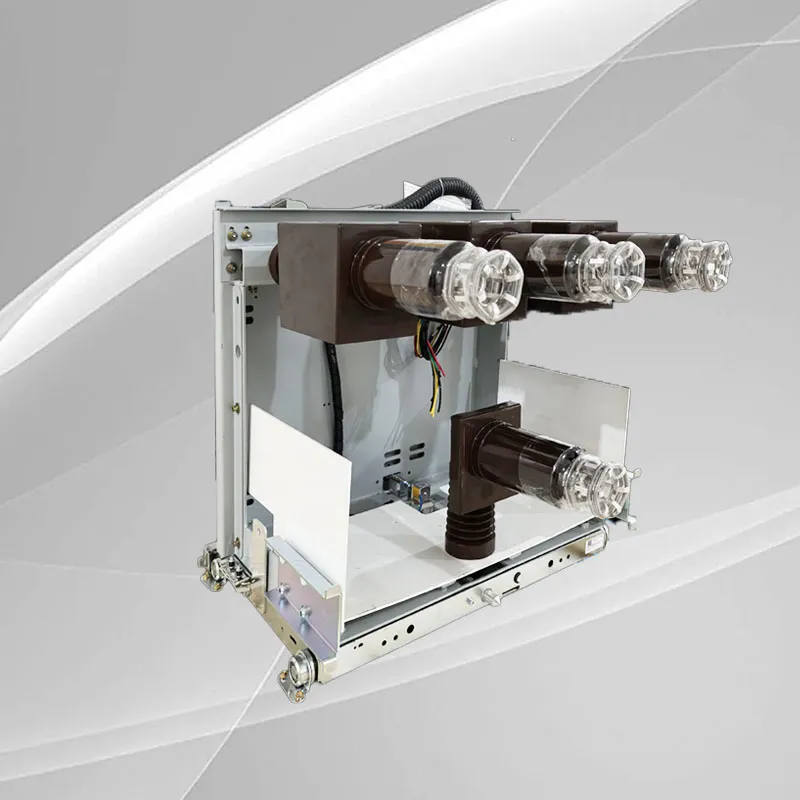 Withdrawable element for electricity metering for four contacts with three voltage transformers
-
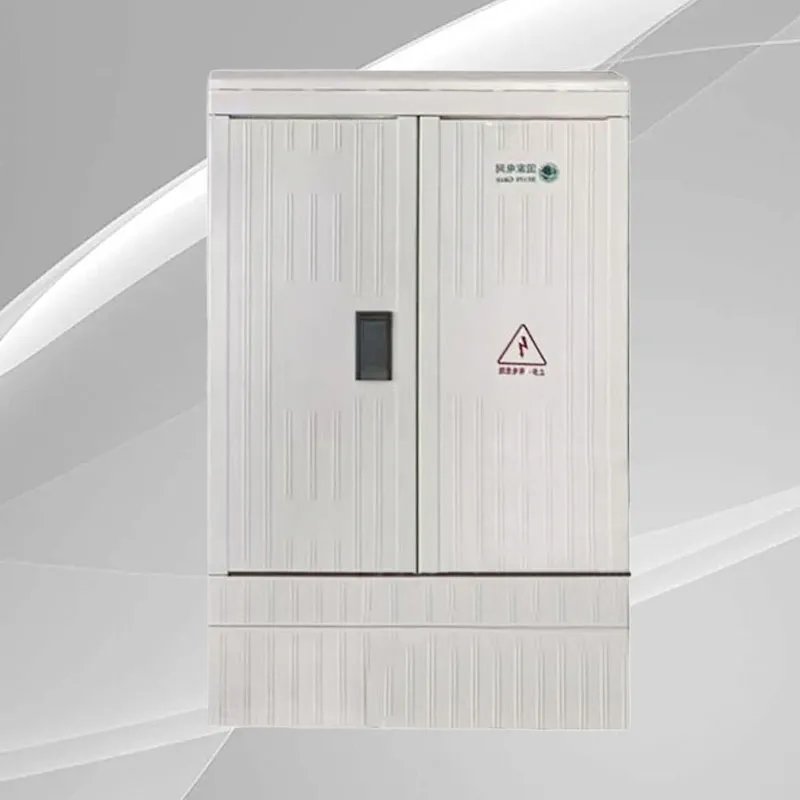
 Outdoor distribution board
-
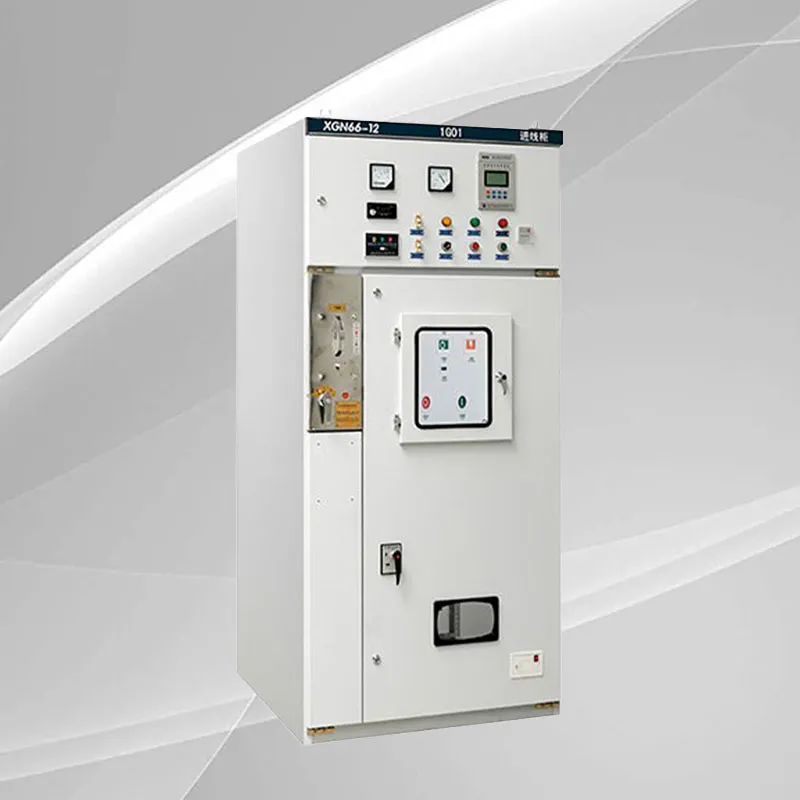 Fixed enclosed switchgear XGN66-12(Z)
-
 Transparent Industrial Automatic Three Phase Four Wire Leakage Proof Switch
-
 Residual current switch
-
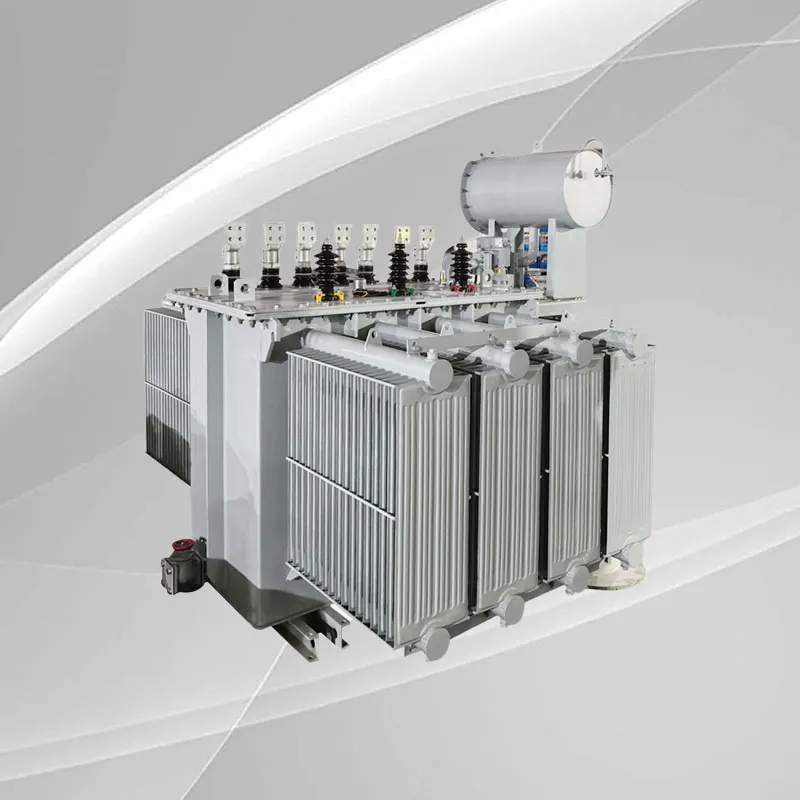 Oil transformer
-
 Miniature circuit breaker
-
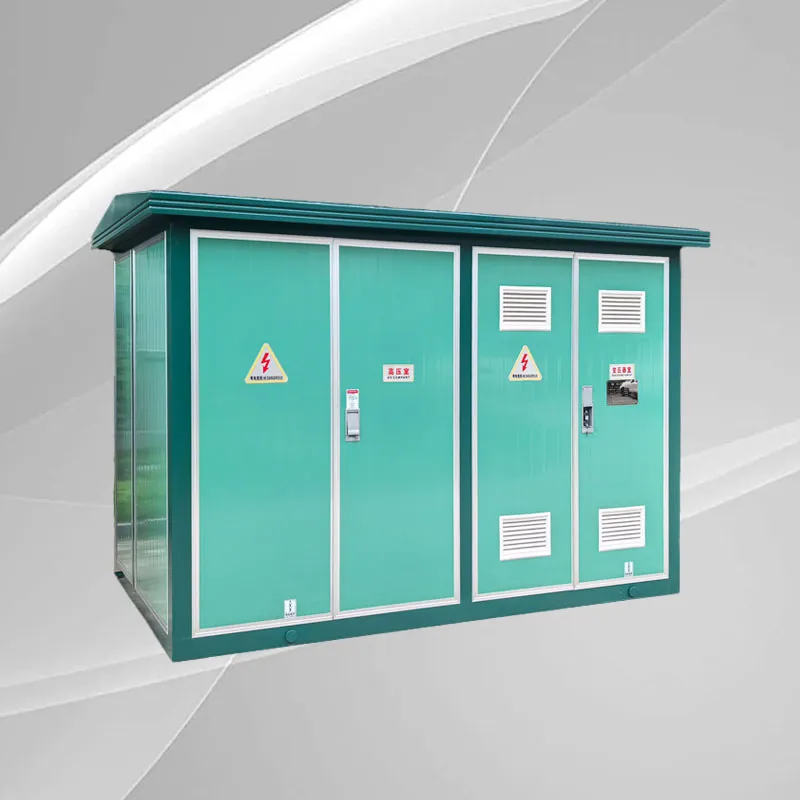 Complete outdoor transformer substation of European type
-
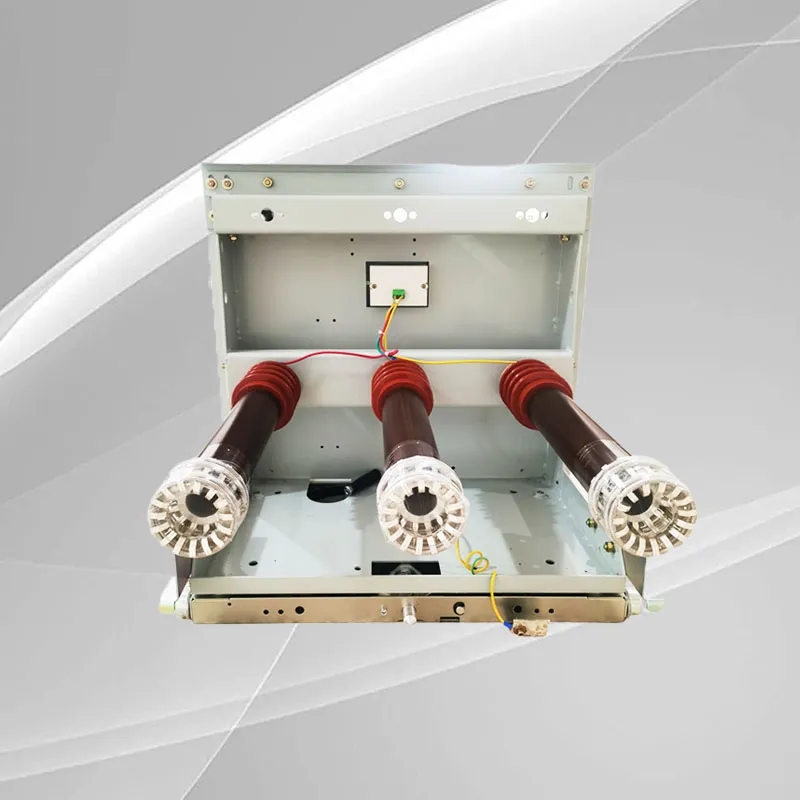 Withdrawable element for electricity metering with voltage check function
-
 Outdoor Single Phase Waterproof Transparent Plastic Electricity Meter Shield
Relatedsearch
Related Search- China dry power transformers tsz
- 3-phase distribution board with RCD
- China dry type transformer cooling main buyer
- structure of a power transformer
- power transformer fire extinguishing
- oil receivers for power transformers
- China smart transformer main buyer
- China dry transformers 400 kva
- temperature of power transformers
- 220 volt power transformer



