


temperature of power transformers
Well what can I say abouttemperature of power transformers... This, you know, is always the 'golden mean'. Too cold - the efficiency is lower, and too hot - this is where the problems begin. I often see how beginners get hung up on the “neutral” temperature, but it just doesn’t exist! There is always a norm that depends on many factors, and ignoring them means taking a risk.
Why is temperature control of transformers important?
Let's start with the obvious: rising temperatures cause insulation degradation. This is not just theoretical reasoning. In practice, this means a gradual decrease in durability, premature failure. And here it’s no longer about saving money on buying a new transformer, but about production downtime and financial losses. There is also an increased risk of combustion, although this is less common, but cannot be excluded. Regular monitoringtemperature of power transformersis an investment in the stability of the enterprise.
It is important to understand that we are not talking about some abstract number. Of course, there are norms in the PUE, but they only provide a starting point. Actual operating conditions, such as geographic location, climate, type of load, all influence the permissible temperature range. It happened, for example, that they installed thermocouples, simply monitored the readings, and then, a year later, hidden problems were discovered. Apparently, they did not take into account the specifics of the network, or did not understand that point measurements may not reflect the overall picture.
Factors influencing temperature rise
It’s too trivial, but still necessary to mention: transformer overload is one of the main factors. An incorrectly selected transformer for a specific load is a direct path to overheating. Or, for example, frequent switching on and off, especially with significant power - this is also an additional load on the system, and it manifests itself in the form of an increasetemperature of power transformers. We once came to a site where the transformer was constantly overloaded due to non-optimal load distribution among consumers. Then it took a long time to figure it out, we even had to make changes to the power distribution scheme.
Another point is the quality of cooling. This could be either an insufficient amount of oil in the oil transformer or contamination of the radiators, which prevents normal heat dissipation. Sometimes it turns out that the reason is not the transformer itself, but its incorrect installation or a malfunction of the cooling system. A good engineer should be able to get to the root of the problem, not just note the temperature rise.
Influence of environmental conditions
Sometimes it seems that everything is being done correctly, but the temperature still rises. And the problem may not be in the transformer at all. Let's take, for example, a server room located in a room with poor ventilation. Theretemperature of power transformersmay significantly exceed permissible values, even under normal load. In such cases, it is necessary to provide an additional cooling system for the room.
Oil efficiency and its effect on temperature
The condition of the oil in the transformer is also a critical factor. Over time, the oil loses its dielectric properties and cooling efficiency. It becomes more viscous and dissipates heat worse. Regular inspection and, if necessary, oil change is an important part of transformer maintenance. We have often encountered situations where the cause of overheating was simply old, worn-out oil.
Real examples and mistakes
I remember a case when a new transformer was installed at one of the facilities. All indicators seemed normal, but after a few months it turned out that the temperature was much higher than expected. We had to carry out detailed diagnostics, and it turned out that the problem was the malfunction of the fan, which provided fresh air to the transformer. A simple decision, but without careful testing, could lead to serious consequences.
Sometimes, on the contrary, they try to 'play it safe' and install transformers that are too powerful, which leads to irrational use of resources and, as a consequence, increased costs. A balance must be found between safety and economy. Added to this is a modern trend - the use of 'smart' sensors and temperature monitoring systems, which allow you to quickly respond to any deviations from the norm. It's like having 'eyes' inside a transformer.
Modern solutions for temperature control
There are many control systems on the market nowtemperature of power transformers. From simple thermocouples and thermometry to complex systems with automatic load and cooling control. We at Wenzhou Qiaonasen Electrical Equipment Co., Ltd. cooperate with several manufacturers and can offer solutions for any facility. It is important to choose a system that suits the specific needs and capabilities of the enterprise. When choosing a monitoring system, do not forget about the possibility of integration with existing power supply management systems. This allows you to get a more complete picture of the state of the power system.
Diagnostics using thermal imagers
A thermal imager is an excellent tool for identifying problem areas in a transformer. It allows you to see the temperature distribution across the surface of the transformer and detect 'hot spots' that may indicate insulation failure or other problems. Using a thermal imager in combination with other diagnostic methods allows you to obtain more accurate information about the condition of the transformer and take timely measures.
Finally, I would like to say: do not underestimate the importance of regular maintenance. Even the most modern transformer requires periodic inspection and maintenance. This not only extends its service life, but also avoids unpleasant surprises in the future. Remember, prevention is always cheaper than repair!
We specialize in high and low voltage transmission and distribution solutions and electrical control systems for the power equipment industry. If you have any questions, please contact us - we are always ready to help.
Correspondingproducts
Related Products




Best Sellingproducts
Best Selling Products-
 Switch cabinet with double doors
-
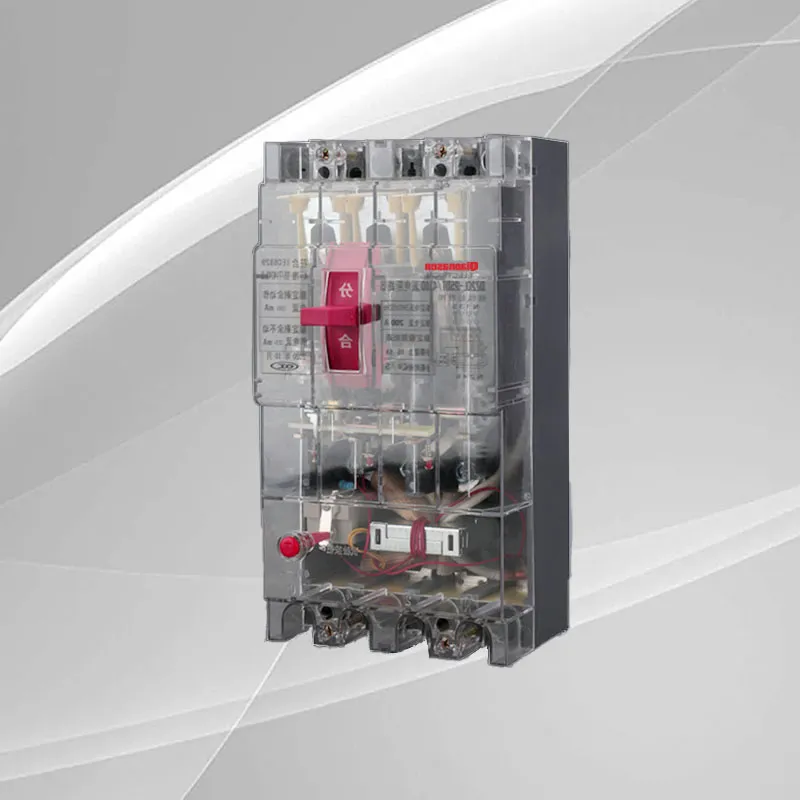
 DZ15LE Leakage Current Circuit Breaker - White 3P 4P Low Voltage AC
-
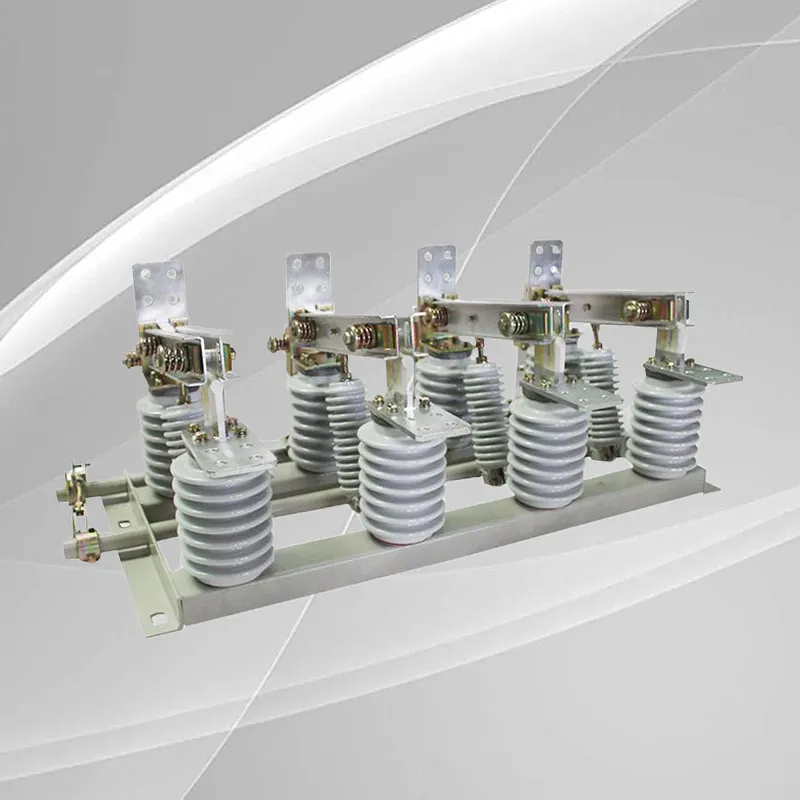 High voltage isolation switch GN24-12 for indoor use
-
 Molded Case Circuit Breaker (MCCB), 63A
-
 High voltage ring cabinet XGN66-12/10kV
-
 Grid connection cabinet for photovoltaic system made of stainless steel
-
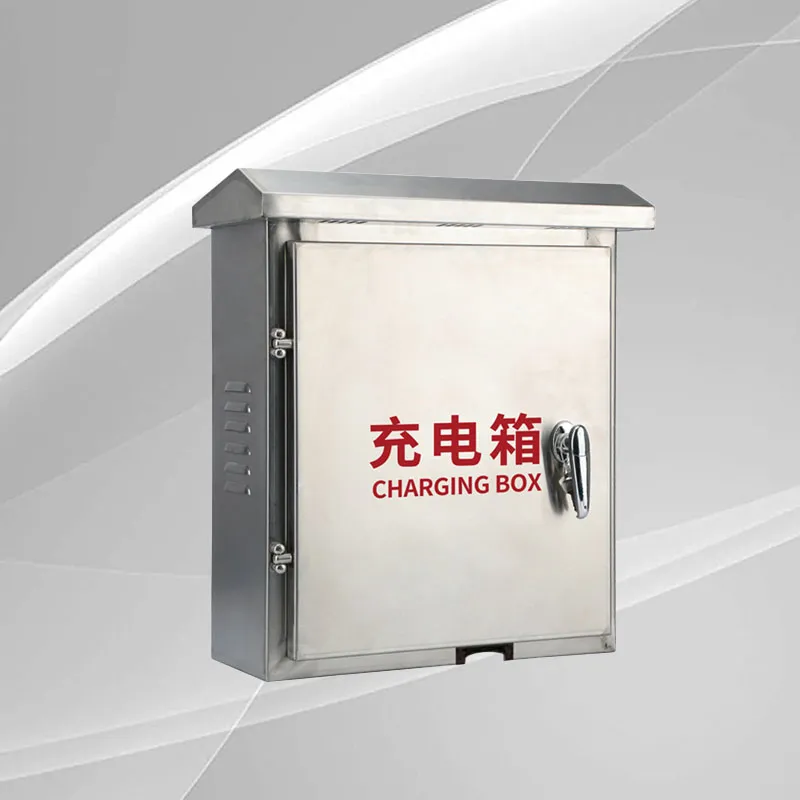 Outdoor electric charging cabinet
-
 Outdoor High Voltage Smart Vacuum Circuit Breaker
-
 XGN15-12 Gas Insulated Ring Distribution Unit Output Cell
-
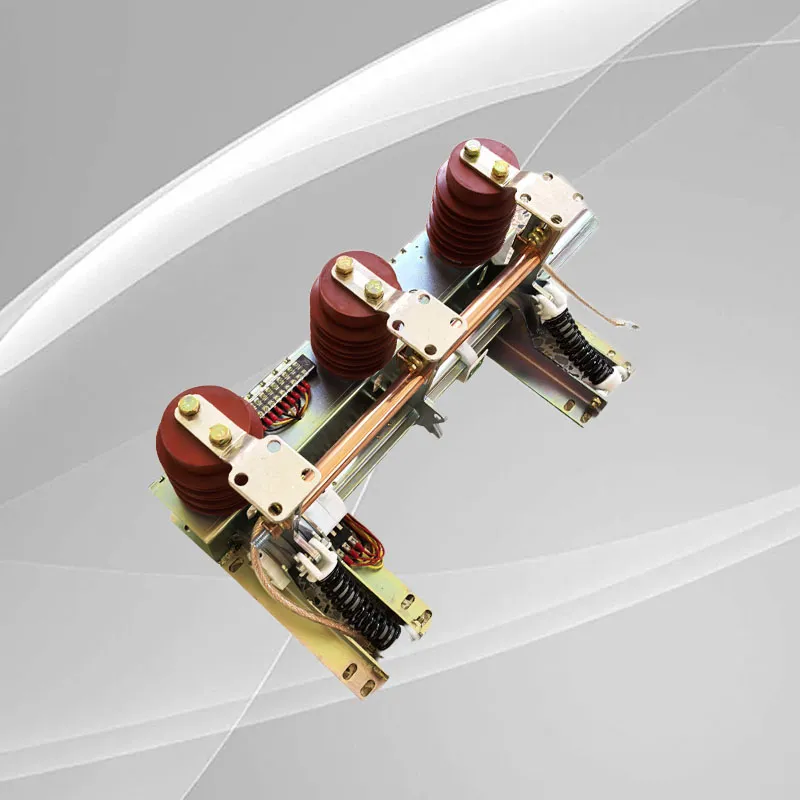 JN15-12-31.5 internal high voltage grounding switch
-
 Withdrawable element for electricity metering
-
 High voltage internal switch
Relatedsearch
Related Search- ship main distribution boards
- power transformer plate
- current transformer 10 kV three-phase
- power transformer oil samples
- circuit breaker 19
- distribution board schr 3
- China leaking power transformer main buyer
- distribution panel for ABB switchboards
- power transformer t1
- China power transformers voltage class



