


Smart transformer
Smart transformer… Sounds like a concept from science fiction, doesn't it? I remember when I first came across this term, I imagined something incredibly complex, with a bunch of sensors and algorithms that calculate every microamp. But the reality, as always, turned out to be simpler and more interesting. It is based not so much on advanced technologies as on the competent integration of existing solutions for automation and control. The question is not in creating a fundamentally new device, but in “revitalizing” it, adding functionality that will allow us to more effectively manage the transformer network. And this, in my opinion, today is not a dream, but a completely achievable task. Not without difficulties, of course, but the prospects are enormous.
What is a 'smart' transformer? Easier than it seems.
So, what is meant bysmart transformer? In general, this is a transformer equipped with a system for collecting and transmitting data about its parameters and state, and also capable of performing certain functions to control and optimize its operation. This includes monitoring of voltage, current, temperature, oil level, insulation condition, as well as the ability to remotely adjust parameters, for example, transformation ratio. It is important to understand that 'smart' in this context does not mean 'self-learning' or 'artificial intelligence', although this may be part of future developments. It is more about expanding the capabilities of a traditional transformer by adding information and control functions.
In practice, a 'smart' transformer can include various components: sensors (temperature, current, voltage, oil pressure, gases in the oil), a controller (microcontroller, PLC), a data transmission system (Modbus, Ethernet, Wireless), as well as an interface for interaction with the operator (HMI, SCADA system).
Sometimes there is confusion between the term 'smart transformer' and automated control systems for transformer substations (UTP). These are different things. UTP is a comprehensive system covering the entire substation.Smart transformer- This is one of the elements of this system, often the key one.
Practical experience: integration of sensors and SCADA
My colleagues and I at Wenzhou Qiaonasen Electrical Equipment LLC are engaged in the supply and implementation of equipment for the energy industry, including solutions forsmart transformers. Several years ago we worked on a project to modernize a transformer substation in one of the large industrial enterprises. The task was not simply to replace old transformers with new ones, but to make maximum use of the existing infrastructure and add monitoring and control functionality.
It was decided to install winding temperature, current and voltage sensors, as well as an oil level sensor. Data from the sensors was transmitted via Modbus to the central controller (PLC) and then to the SCADA system. This allowed the substation operator to receive real-time information about the condition of the transformers, as well as quickly respond to any deviations from the norm. Most importantly, we were able to implement an automatic transformer overheat protection system, which prevented costly downtime and equipment damage. It was difficult at the beginning; it took time to optimize the communication protocol and set up data processing algorithms. But the result exceeded all expectations.
Problems and Solutions: Electromagnetic Interference Protection
One of the serious challenges when implementing monitoring systemssmart transformersis protection against electromagnetic interference. In the energy industry there are always many sources of interference - transformers, switches, generators. This interference can negatively impact the performance of sensors and controllers, leading to false readings and system failures. To solve this problem, we used shielded cables, power filters, and proper grounding techniques. It is also important to design the wiring correctly to minimize the impact of interference on electronic components.
It is also important to consider environmental influences. Transformers operate in conditions of high temperature, humidity and pollution. Sensors and controllers must be resistant to these factors and have sufficient efficiency in difficult operating conditions. In our practice, we often had to use special sensors with a high degree of protection (IP67 or higher) and heat-resistant components.
Development prospects: from monitoring to forecasting
Nowsmart transformersmainly used for condition monitoring and accident prevention. But in the future, it is planned to expand the functionality of these devices through the introduction of machine learning and artificial intelligence algorithms. This will allow you not only to respond to emerging problems, but also to predict them. For example, it will be possible to predict the failure of a transformer based on the analysis of data on its parameters and operating history. This will allow you to carry out preventative maintenance and avoid costly downtime.
We are actively monitoring the development of these technologies and plan to integrate them into our solutions. For example, we are currently working on a prototype system for predicting oil topping up in transformers based on analysis of data on its temperature, pressure and chemical composition. This will optimize the operating mode of transformers and extend their service life. Overall, I am sure thatsmart transformerswill play an important role in improving the reliability and efficiency of the energy system.
By the way, if you are interested in learning more about our solutions, you can visit our website:https://www.qnasen.ru. We specialize in high and low voltage transmission and distribution solutions and electrical control systems for the power equipment industry.
Correspondingproducts
Related Products

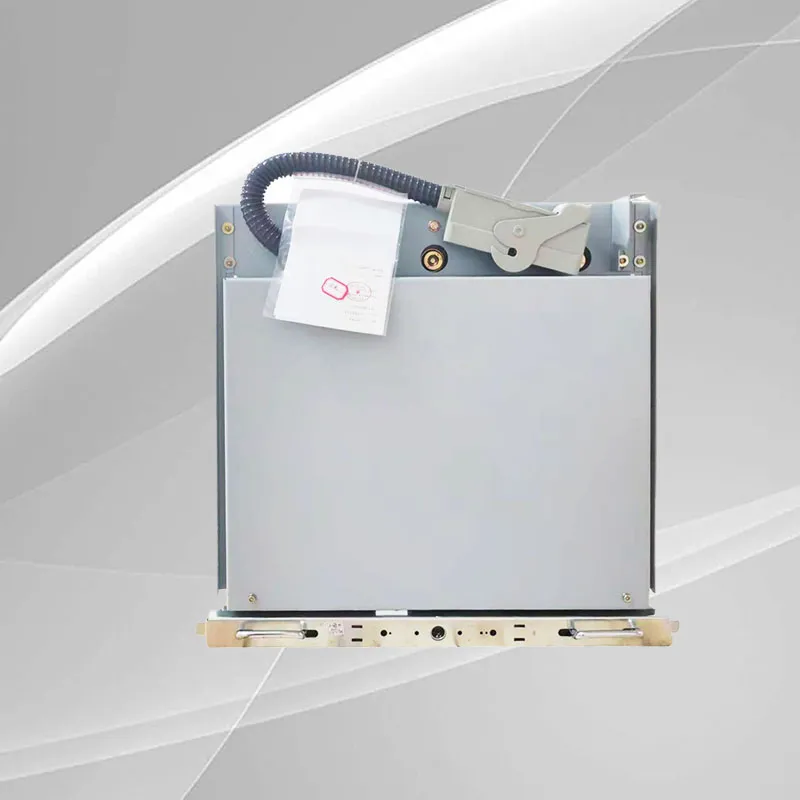
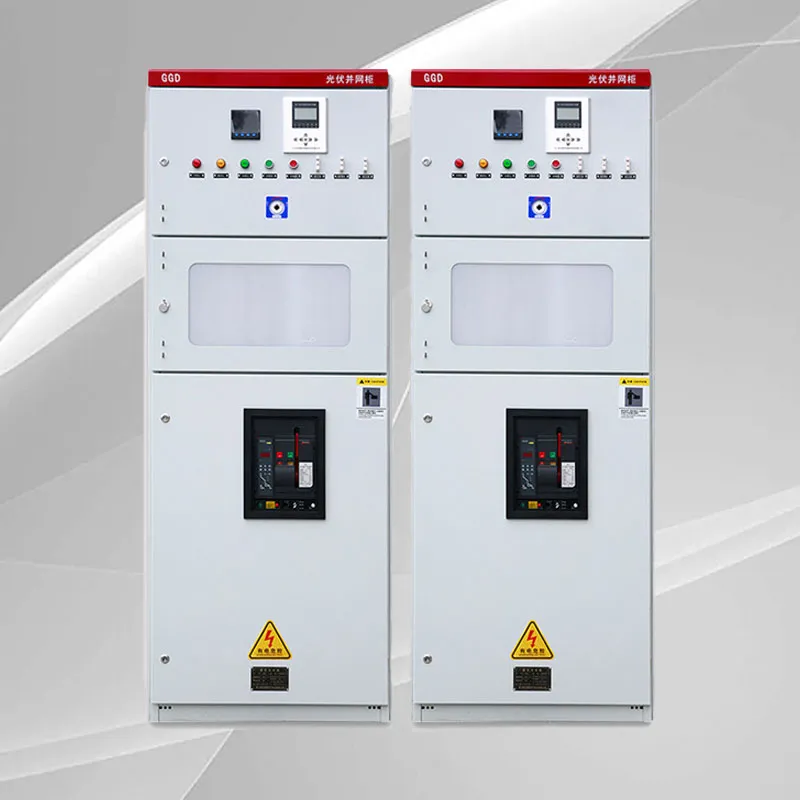


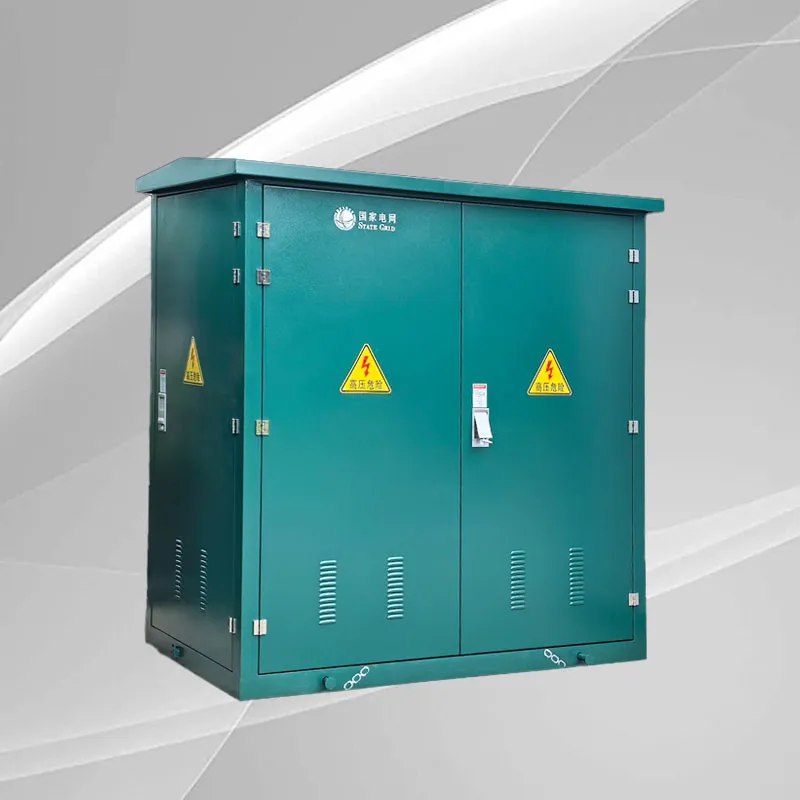
Best Sellingproducts
Best Selling Products-
 Ground Outdoor Waterproof Distribution Cabinet
-
 Disconnector with blade contact in a complete high-voltage cabinet
-
 High voltage vacuum circuit breaker ZW20
-
 Automatic circuit breaker DZ15 in plastic shell
-
 XGN15-12 AC High Voltage Ring Switchgear with Sulfur Hexafluoride
-
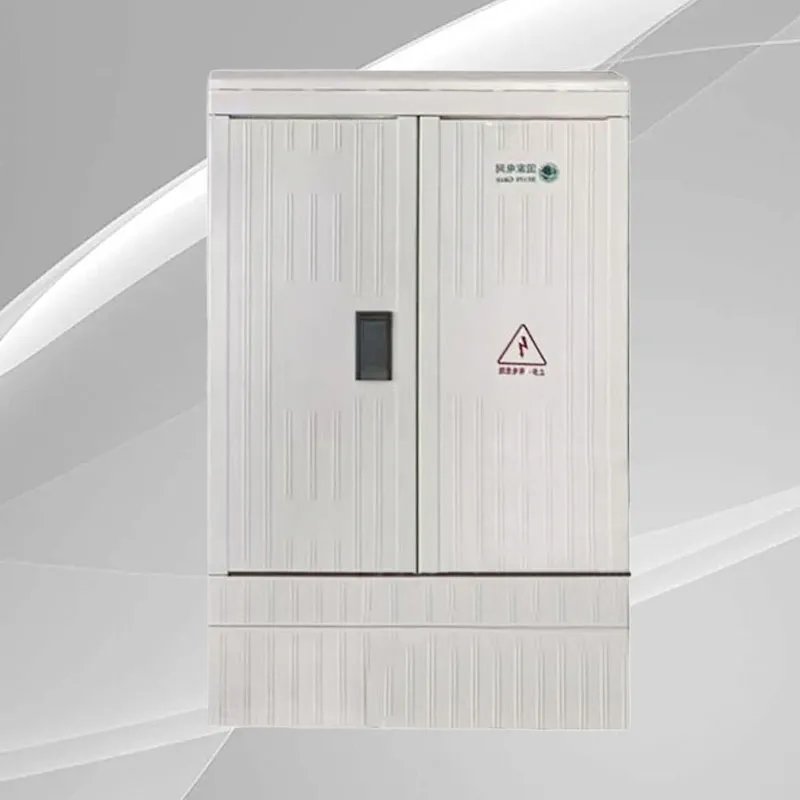 Thickened fiberglass housing for low voltage cable distribution board
-
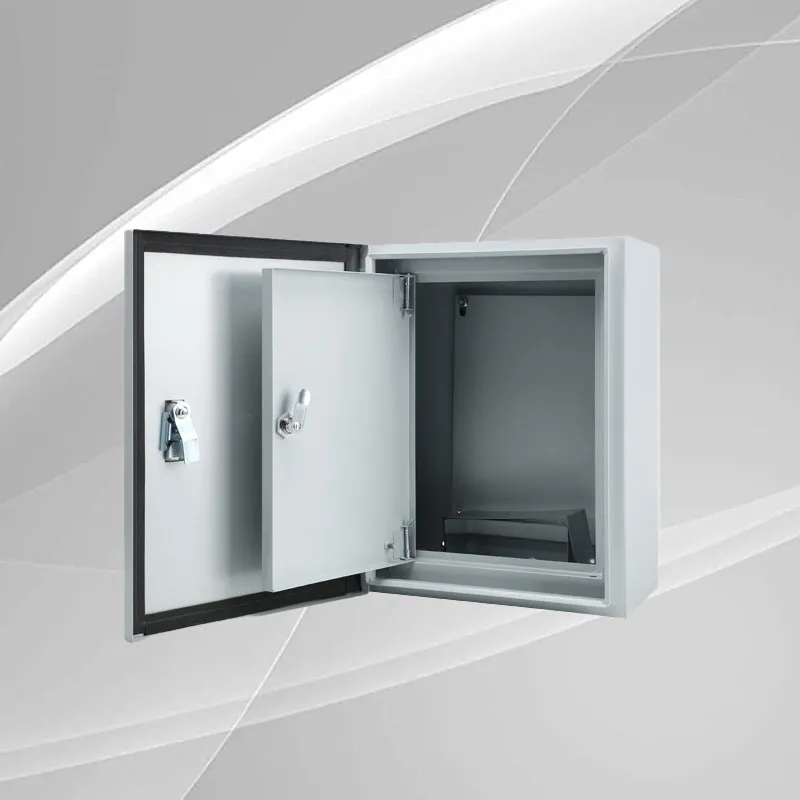 Indoor distribution cabinet with double door
-
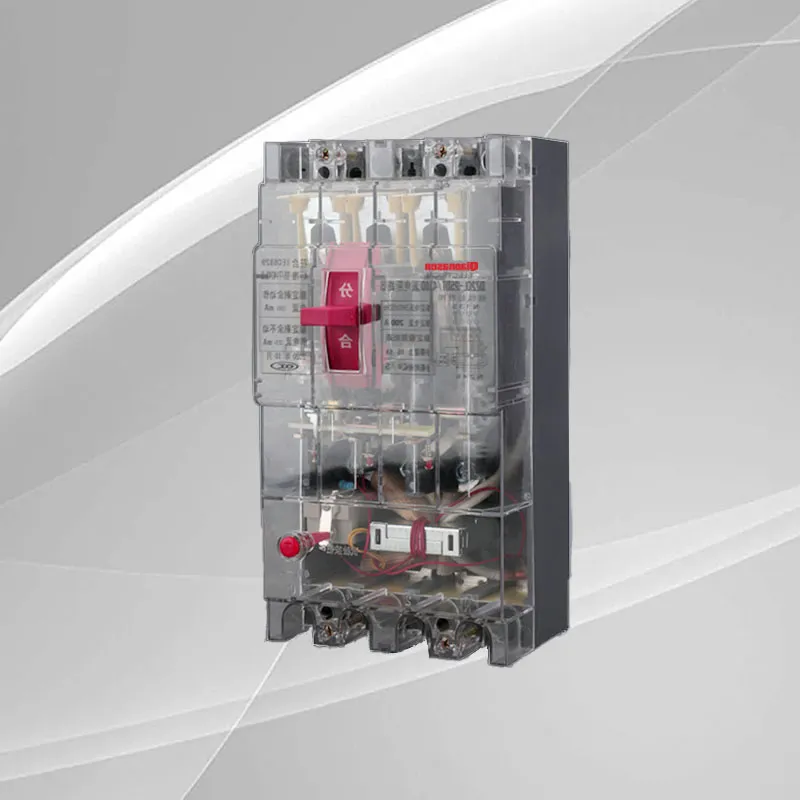 Circuit breaker with transparent plastic housing
-
 Internal high-voltage disconnector GN19-630A with double input and grounding contact
-
 Outdoor Waterproof Stainless Steel Switchboard
-
 Indoor High Voltage Isolation Circuit Breaker with Ceramic Insulators
-
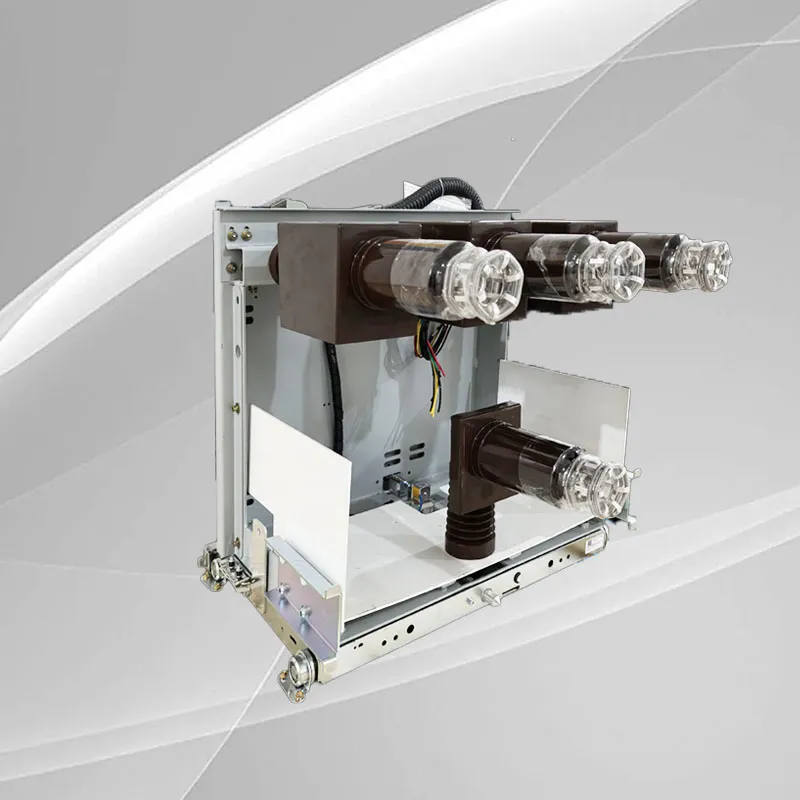 Withdrawable element for electricity metering for four contacts with three voltage transformers



